

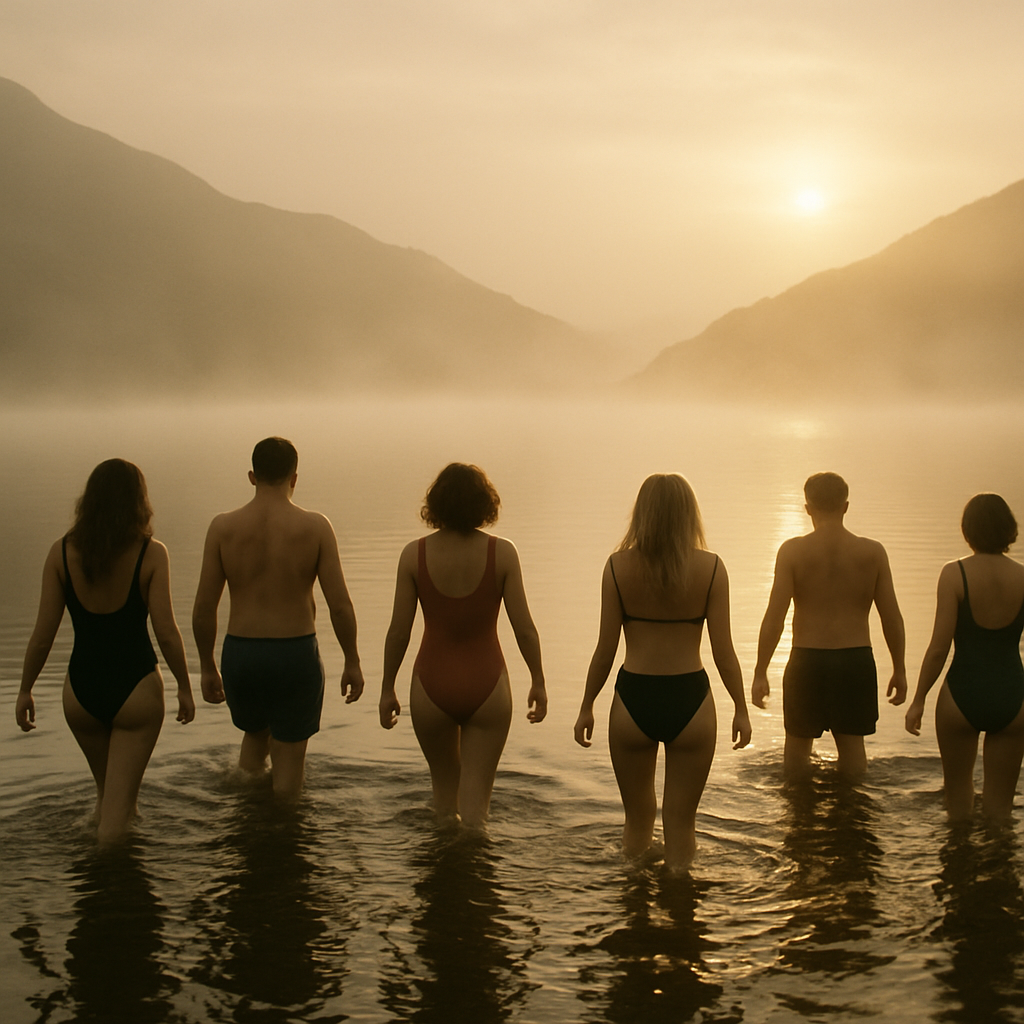
Right, so here’s the scene. It’s 7am on a grey October morning somewhere in the Lake District. A group of people are stood at the edge of a lake in their swimwear, doing that nervous laugh that humans do just before they do something mildly unhinged. Then they get in. And instead of immediately dying, they come out the other side absolutely buzzing. Glowing, even. That’s cold water swimming in the UK in a nutshell, and it’s having a serious moment.
Whether you call it wild swimming, cold water dipping, or just “voluntarily getting wet in Britain”, the practice has exploded in popularity over the last few years. The Outdoor Swimming Society estimates there are now well over a million people regularly swimming outdoors in the UK. So what’s actually going on here? Is this legit wellness, or is it just collective peer pressure dressed up as self-care? Let’s have a proper look.
What Does the Science Actually Say About Cold Water Swimming?
Here’s where it gets interesting. Cold water swimming UK research has genuinely picked up pace, and the findings are pretty compelling, even if some of the wilder claims floating around social media deserve a raised eyebrow.
The most solid evidence sits around mood. A landmark study published in the British Medical Journal (BMJ Case Reports) documented a case where regular cold water swimming helped a woman significantly reduce her depression and anxiety medication. That’s one case, sure, but it sparked a wave of proper academic interest. The theory is that the cold water shock triggers a flood of endorphins, adrenaline, and norepinephrine, essentially giving your brain a hard reboot. The “afterglow” people describe after a cold dip is physiologically real.
Inflammation is another big one. Cold water causes vasoconstriction (blood vessels narrowing), which can reduce swelling and soreness. This is why elite athletes have been using ice baths forever. For regular folk, consistent cold exposure may help manage chronic low-grade inflammation, which is linked to everything from joint pain to poor sleep.
The NHS is cautiously supportive, noting that cold water swimming can improve circulation, boost mood, and build stress resilience over time, though they’re rightly clear that it carries real risks if you go in unprepared. Their guidance on open water safety is worth reading before you even think about getting your kit off near a reservoir.
The Mental Health Bit (And Why It Matters)
Look, a lot of wellness trends are just vibes dressed up in pseudoscience. Cold water swimming feels different. The mental health angle has enough weight behind it to take seriously.
Regular cold water dippers consistently report lower stress, better sleep, and a clearer head. Part of this is the controlled shock response. Your body learns to regulate its reaction to stress, which builds what researchers call “cross-adaptation”, basically, getting better at handling other difficult situations in life because you’ve trained your nervous system to stay calm under pressure. Wild swimming also tends to happen in nature, and the restorative effects of being near water (a concept called “blue mind”) add another layer of genuine mental benefit.
There’s also something to be said for the community side of it. Most cold water swimming spots in the UK have a proper scene around them. People show up regularly, look out for each other, have a laugh about how cold it is, share flasks of tea. That social connection is its own form of medicine, honestly.
Accessible UK Spots Worth Knowing About
One of the brilliant things about cold water swimming in the UK is that we’re genuinely spoilt for choice, even if the weather is trying its best to put you off.
- Hampstead Heath Ponds, London – Iconic. The ladies’, men’s, and mixed ponds are monitored and lifeguarded. If you’re London-based and nervous about starting out alone, this is your spot.
- Grasmere, Lake District – Absolutely stunning, calm water, proper mountain backdrop. Busy in summer but there’s room enough.
- Walberswick Beach, Suffolk – A favourite for cold water dippers on the east coast. Bracing doesn’t quite cover it, but the community there is warm.
- Blue Lagoon, Aberfoyle, Scotland – Vivid blue-green water, genuinely beautiful, and cold enough to sort your head out in about 90 seconds flat.
- Clevedon Marine Lake, Somerset – A tidal sea pool, calm and managed. Great for beginners who want the cold water experience without open sea risks.
The Outdoor Swimming Society has a searchable map of spots across the UK, which is genuinely useful for finding somewhere near you that’s been vetted by people who actually swim in it regularly.
Safety Basics for Beginners (Don’t Skip This Bit)
Cold water swimming UK has a real risk attached to it, and I’d be doing you dirty if I glossed over that. Cold water shock is the biggest immediate danger. When you enter cold water suddenly, your body triggers an involuntary gasp reflex, which can cause you to inhale water. Your heart rate spikes dramatically, and in some cases this can lead to cardiac events, even in otherwise healthy people.
Here’s how to not be a statistic:
- Get in slowly. Wade in rather than diving or jumping, at least until you’ve done it enough times that your body is accustomed.
- Never swim alone. Full stop. Doesn’t matter how experienced you are.
- Limit your time, especially at first. One to three minutes in genuinely cold water (below 10°C) is plenty when you’re starting out.
- Warm up gradually afterwards. Dry clothes, a warm drink, move your limbs. Don’t sit still in wet kit.
- Know the water. Rivers have currents, tides turn, algae blooms can be toxic. Research your spot.
Your body also needs certain nutrients to support recovery from cold exposure. Electrolytes matter, and so does mineral replenishment. Some regular swimmers I’ve spoken to swear by supplementing with magnesium to help with muscle recovery and sleep quality after cold sessions. It’s worth looking into if you’re planning to make this a regular habit.
Building a Cold Water Practice That Doesn’t Break You
The key is gradual acclimatisation. Sports scientists are pretty unanimous on this: your body adapts remarkably well to cold exposure if you give it time. Start with cold showers at home. End a warm shower with 30 seconds of cold, then build up from there. When you move to open water, go with experienced swimmers and treat every session as a progression, not a competition.
Frequency matters more than duration. Getting in three times a week briefly is far more beneficial than one long heroic slog on a Sunday. Your nervous system adapts through repetition, not punishment.
Cold water swimming UK, when done right, is one of the most accessible, free, and genuinely evidence-backed wellness practices available to us. It costs nothing except a bit of courage and a decent towel. The NHS has recognised its potential for mental health, sports science backs the physiological benefits, and the UK’s landscape is literally built for it. Sometimes the most radical act of self-care is just getting outside and doing something uncomfortable in a field with strangers.
Which is, when you think about it, very British indeed.
Frequently Asked Questions
How cold is too cold for wild swimming in the UK?
Water below 5°C carries serious risk of cold water incapacitation and should only be attempted by experienced, well-acclimatised swimmers with proper support. Most beginners find 10-15°C manageable with the right approach. The UK’s coastal and lake temperatures typically sit between 8°C and 18°C depending on the season and location.
Does cold water swimming actually help with anxiety and depression?
The evidence is genuinely promising. Research published in the BMJ and by University College London suggests that regular cold water exposure triggers endorphin and norepinephrine release, which can meaningfully improve mood and reduce anxiety symptoms. It shouldn’t replace professional mental health treatment, but many people find it a powerful complementary practice.
Where are the best beginner cold water swimming spots in the UK?
For beginners, managed spots with lifeguards or swimming communities are ideal. Hampstead Heath Ponds in London, Clevedon Marine Lake in Somerset, and Salford Quays in Greater Manchester are popular, accessible options. The Outdoor Swimming Society website has a searchable map of vetted spots across the UK.
How long should a beginner stay in cold water?
Start with one to two minutes in water below 15°C. As your body acclimatises over several weeks, you can gradually extend this. Sports scientists recommend focusing on frequency of short sessions rather than staying in for a long time, which increases risk without proportionally increasing benefit.
Is cold water swimming safe if I have a heart condition?
Not without medical clearance. Cold water causes a rapid spike in heart rate and blood pressure, which poses genuine risk for people with cardiac conditions or hypertension. Always consult your GP before starting any cold water swimming practice if you have any underlying health concerns.
Leave a Reply