
Right, let’s be honest. The CBD market in the UK has been absolutely wild for the past few years. Every high street health shop, every Instagram wellness account, every bloke at the farmers’ market with a little brown bottle has been banging on about it. So what’s actually going on? Are CBD oil benefits in 2026 the real deal, or has it all been one long, expensive placebo? Grab a brew. Let’s sort this out.
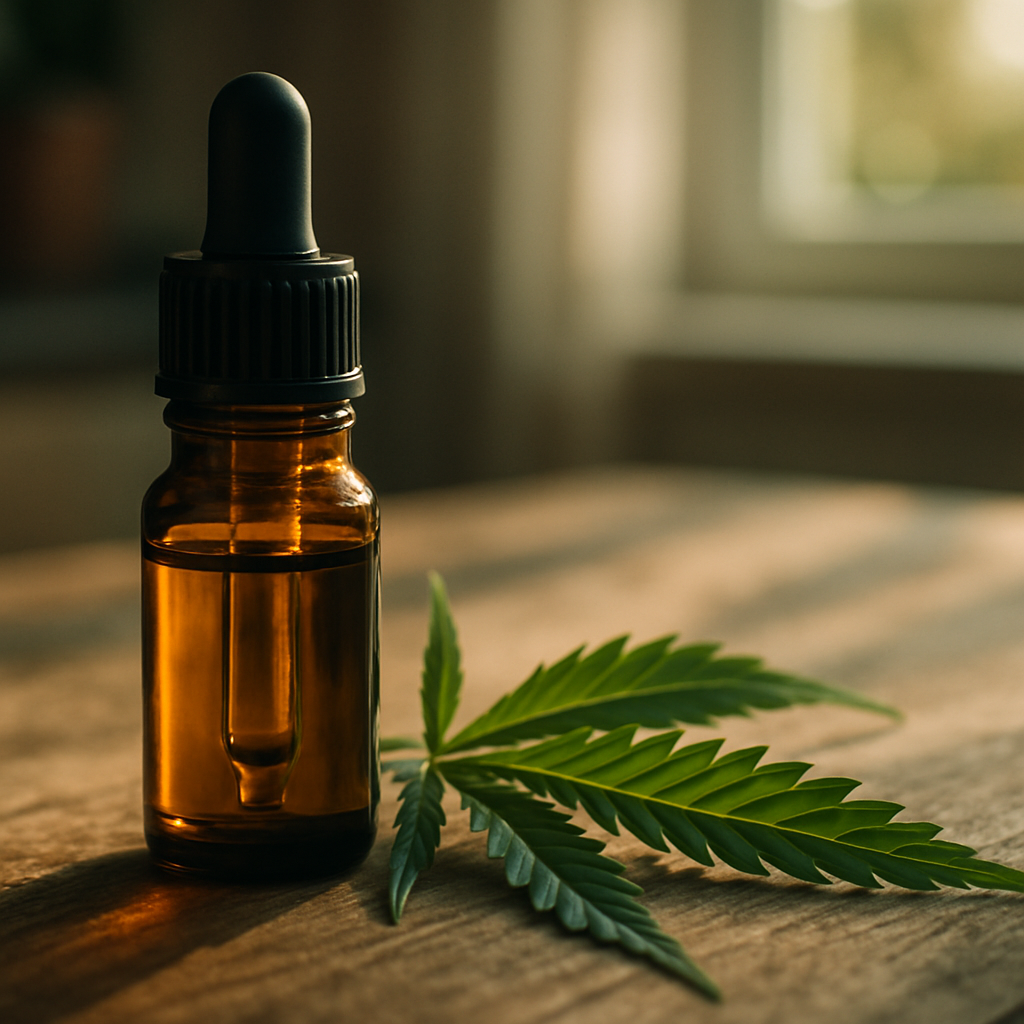
What Is CBD Oil, Actually?
Cannabidiol, or CBD, is one of over a hundred compounds found in the cannabis plant. Unlike THC, it won’t get you high. It doesn’t have that psychoactive kick. What it does do is interact with your body’s endocannabinoid system, a network of receptors that plays a role in regulating things like mood, sleep, pain response, and inflammation. Think of it as a sort of volume knob for your nervous system. CBD doesn’t control the music, it just helps keep the levels in check.
In the UK, CBD products are legal as long as they contain less than 0.2% THC and are sold as a food supplement. The Food Standards Agency (FSA) has been slowly working through its novel foods authorisation process for CBD, which means legitimate brands have had to submit safety data to get the green light. That’s actually a good sign for consumers, even if the process has moved at the pace of a sleepy tortoise.
What Does the Latest Research Actually Say About CBD Oil Benefits?
Here’s where it gets interesting, and also where a lot of people either oversell or undersell the thing. The honest answer is: some solid evidence, some promising signs, and plenty of areas that still need more work.
The most robust evidence for CBD is in epilepsy treatment. Epidyolex, a pharmaceutical-grade CBD medicine, is licensed in the UK for certain severe forms of childhood epilepsy. That’s a big deal. Real clinical trials, real results. The NHS uses it. That’s not hype, that’s medicine.
Beyond that, studies have consistently pointed toward CBD’s potential for anxiety reduction. A 2024 review published in the Journal of Psychopharmacology found meaningful reductions in anxiety scores among adults using CBD, particularly in social anxiety contexts. My take? This tracks with a lot of anecdotal experience people share. Whether the mechanism is purely pharmacological or partly down to the ritual of taking something calming, the outcome seems genuine for a fair number of people.
Sleep is another area where CBD has shown promise, though the picture is a bit messier. It seems to work better for sleep problems linked to anxiety than as a direct sedative. If your brain won’t switch off, CBD might help with that underlying noise. If you’re just a heavy sleeper who can’t get up in the morning, it’s probably not going to do much.
Pain and inflammation? There’s interesting preclinical research, and plenty of people with arthritis or chronic muscle soreness swear by it. The Versus Arthritis charity in the UK has noted that while evidence is still building, CBD is being actively studied as a complementary option. No one’s saying ditch your ibuprofen, but the interest is legitimate.
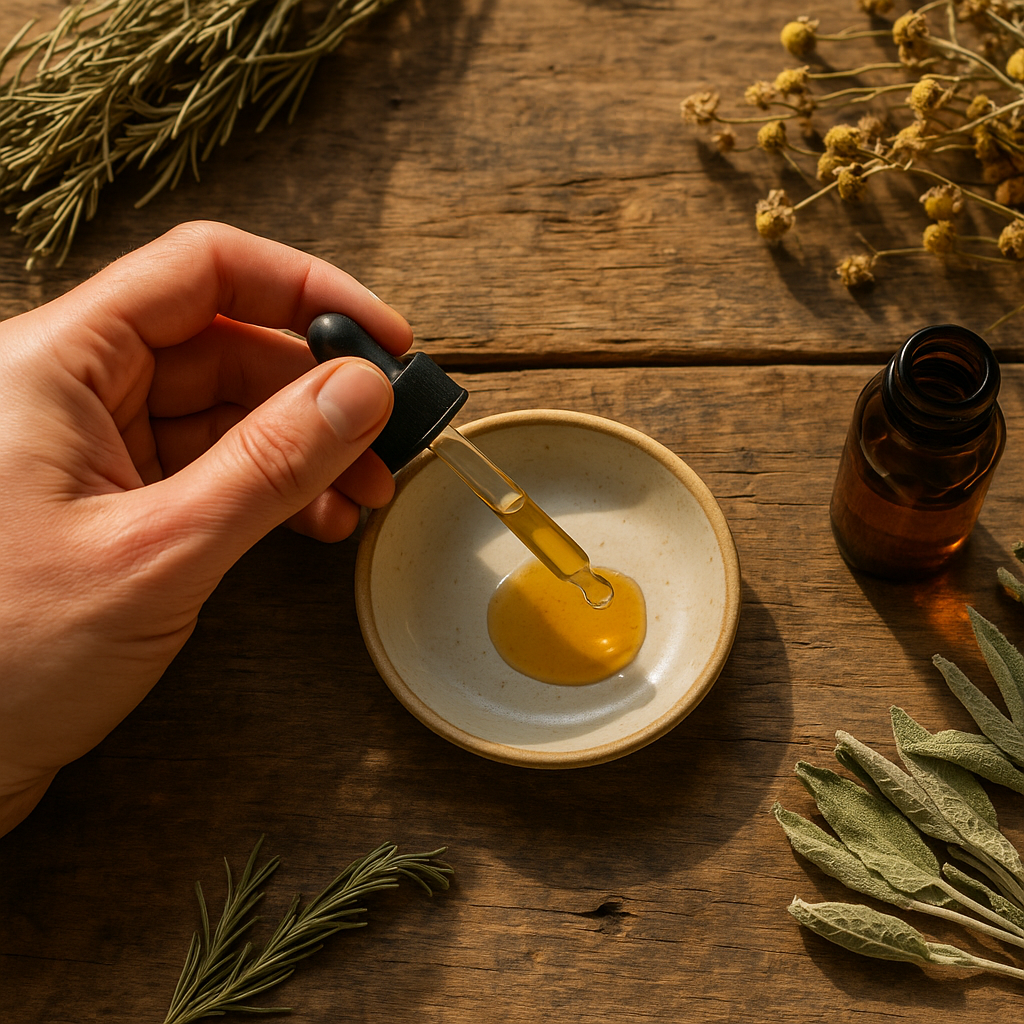
Is CBD Oil Worth Buying in 2026?
Worth it for whom, though? That’s the question.
If you’re dealing with persistent anxiety, poor sleep that links to stress, or mild inflammatory issues, then CBD oil benefits in 2026 are plausible and backed by a growing body of decent science. It’s not a miracle. It’s more like a gentle nudge in the right direction. Some people feel it immediately, some people take a few weeks to notice anything, and some people notice very little at all. Bodies are different. That’s just the truth.
What I’d say is this: if you’re curious, it’s generally well-tolerated, the side effects are minimal for most people, and it’s not addictive. That’s a pretty low-risk experiment compared to some of the other wellness stuff being flogged out there.
How to Choose a Quality CBD Oil in the UK
This is where it gets properly important, because the market is still full of dodgy products. A bottle labelled 1000mg doesn’t tell you much if the extraction method is poor or the hemp source is questionable. Here’s what I actually look for:
- Third-party lab reports (COAs): Any brand worth its salt will publish Certificate of Analysis reports from an independent lab. These confirm the CBD content and verify that THC levels are within legal limits. If a company won’t show you these, walk away.
- FSA novel foods authorisation: Check whether the brand is on the FSA’s validated list. It’s not a perfect system yet, but it’s a sign the company is at least playing by the rules.
- Full-spectrum vs. broad-spectrum vs. isolate: Full-spectrum contains a range of cannabinoids and terpenes, which many researchers think work better together (the so-called entourage effect). Broad-spectrum has the THC removed but keeps other compounds. Isolate is pure CBD. Full-spectrum tends to be the preferred option for wellness use, but if you’re drug tested for work, broad-spectrum or isolate is the safer bet.
- Concentration and dosing: Start low, around 10-20mg per day, and increase gradually. Most quality oils will give you a clear mg per drop breakdown. If the label is vague about dosing, that’s a red flag.
- Organic hemp source: Hemp is a bioaccumulator, meaning it absorbs whatever is in the soil. Organically grown hemp from reputable sources (European, ideally) matters more than people realise.
The Vibe Check: Is CBD Part of a Wellness Lifestyle or a Magic Fix?
Neither, really. CBD oil fits neatly into the kind of slow, intentional wellness approach I reckon works best: decent sleep, time in nature, food that’s actually food, some movement, some stillness. It’s a tool, not a solution. If your lifestyle is chaotic and stressful and you’re eating badly and not sleeping, CBD oil is not going to fix that. But as one calm element in a more considered routine? It earns its place.
I’ve spoken to people who use it before bed with a bit of chamomile tea, a wind-down walk, no screens. Is the CBD doing the heavy lifting there? Maybe partially. Does the whole ritual matter? Absolutely. Don’t underestimate the power of actually giving yourself a proper moment to decompress.
The planet angle is worth thinking about too. Hemp is, genuinely, a remarkable plant for the environment. It grows quickly, requires fewer pesticides than many crops, and can actually improve soil health. Choosing a UK or European-grown organic CBD product isn’t just better for you, it’s a marginally more conscious consumer choice. Not saving the world, but pointing in the right direction.
CBD oil benefits in 2026 are real enough to be taken seriously, modest enough to approach without grandiose expectations, and accessible enough that the curious among you should probably just try it. Just buy from a brand that can actually prove what’s in the bottle.
Frequently Asked Questions
Is CBD oil legal in the UK in 2026?
Yes, CBD oil is legal in the UK as a food supplement, provided it contains less than 0.2% THC. The Food Standards Agency is overseeing a novel foods authorisation process, so look for brands that have submitted applications and appear on the FSA’s validated list.
How long does CBD oil take to work?
It varies quite a bit from person to person. Some people notice effects within the first few days, while others find it takes two to four weeks of consistent daily use before they see any real difference. Starting low and going slow with your dosage tends to give the best results.
What strength CBD oil should a beginner start with?
Most experts suggest starting with around 10-20mg of CBD per day and gradually increasing if needed. In terms of product strength, a 500mg or 1000mg oil from a 10ml or 30ml bottle is a sensible starting point for most adults in the UK.
Does CBD oil get you high?
No. CBD does not produce any psychoactive effects. It’s THC, a different compound in cannabis, that causes the high. Legal UK CBD products contain only trace amounts of THC, well below the level that would cause any intoxication.
What is the difference between full-spectrum and CBD isolate?
Full-spectrum CBD oil contains a range of naturally occurring cannabinoids and terpenes from the hemp plant, which many researchers believe work better together than CBD alone. CBD isolate is pure cannabidiol with everything else removed, which can be preferable if you’re subject to workplace drug testing.