Right, so here’s something worth thinking about next time you’re standing in a supermarket aisle at 11pm, bleary-eyed and reaching for whatever’s cheapest. Not everything that comes in a tin, packet, or suspiciously shiny wrapper is actually food. Or at least, not food in the way your body wants to experience it. Call it the spam test: a vibe check for what you’re putting in your mouth. If you can’t pronounce half the ingredients and the product has a shelf life longer than some friendships, something’s probably off.
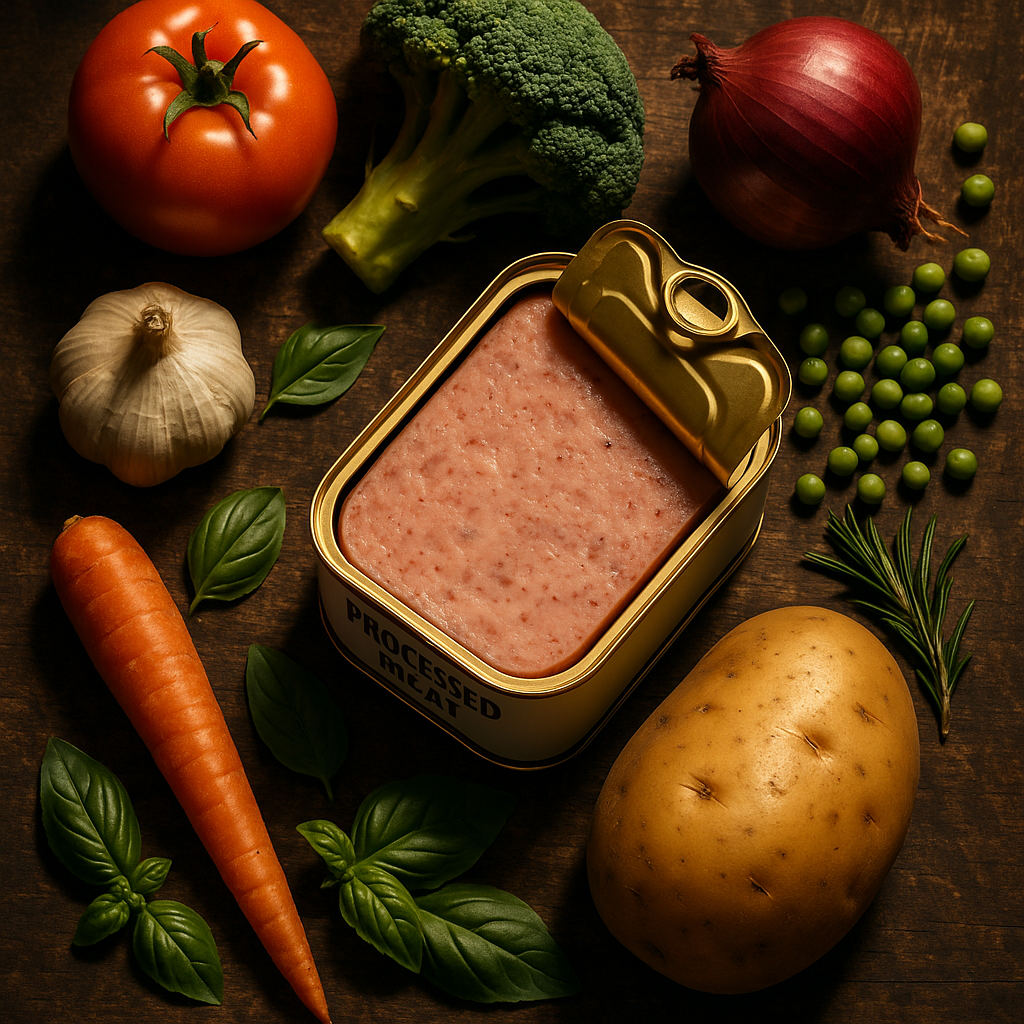
Spam, the tinned meat product, has become a kind of cultural shorthand for something that exists in a grey zone. It’s technically edible. People genuinely love it in some parts of the world. But it also represents a broader category of ultra-processed food that’s been engineered to taste good, last forever, and cost very little. That’s a combination that sounds impressive until you start looking at what it does to your body over time, and what producing it does to the planet.
What Ultra-Processed Actually Means
The NOVA classification system, developed by researchers in Brazil, sorts food into four groups based on how much it’s been processed. Group four, the ultra-processed category, includes things like fizzy drinks, reconstituted meat products, flavoured crisps, instant noodles, and most things that come with a cartoon mascot on the packaging. These products typically contain additives you’d never find in a home kitchen: emulsifiers, stabilisers, artificial flavours, and preservatives that keep everything looking cheerful for months on a shelf.
The thing is, ultra-processed foods now make up over half the calories consumed in the UK. That’s a genuinely wild statistic. And studies linking high consumption of these products to increased risks of heart disease, type 2 diabetes, and even certain cancers have been stacking up over the past decade. The body knows the difference between food that grew in a field and food that was assembled in a factory, even if your taste buds are having a great time either way.
Running Your Own Spam Test at Home
You don’t need a lab or a nutrition degree to do a basic spam test on your cupboards. Just flip the product over and look at the ingredients list. A rough rule of thumb: if the list is longer than a short paragraph, contains numbers, or includes anything you couldn’t buy at a decent greengrocer, you’re probably looking at ultra-processed territory. This isn’t about being precious or performative. It’s just about being aware.
Some things that often trip people up: flavoured yoghurts, breakfast cereals marketed as healthy, most shop-bought bread (yes, really), and anything labelled as a “protein bar.” These products are often presented as wholesome choices, and they might contain some nutritious ingredients, but the overall formulation can still push them firmly into processed-food land. The spam test works on all of them.
There’s also an environmental angle here that doesn’t get nearly enough airtime. Ultra-processed food production tends to rely on intensive agriculture, long supply chains, and heavy packaging. The ingredients in these products, palm oil, high-fructose corn syrup, refined starches, often come from farming systems that are rough on soil, water, and biodiversity. So your buying habits ripple outward in ways that go beyond your own gut health.
Real Food Doesn’t Have to Be Complicated
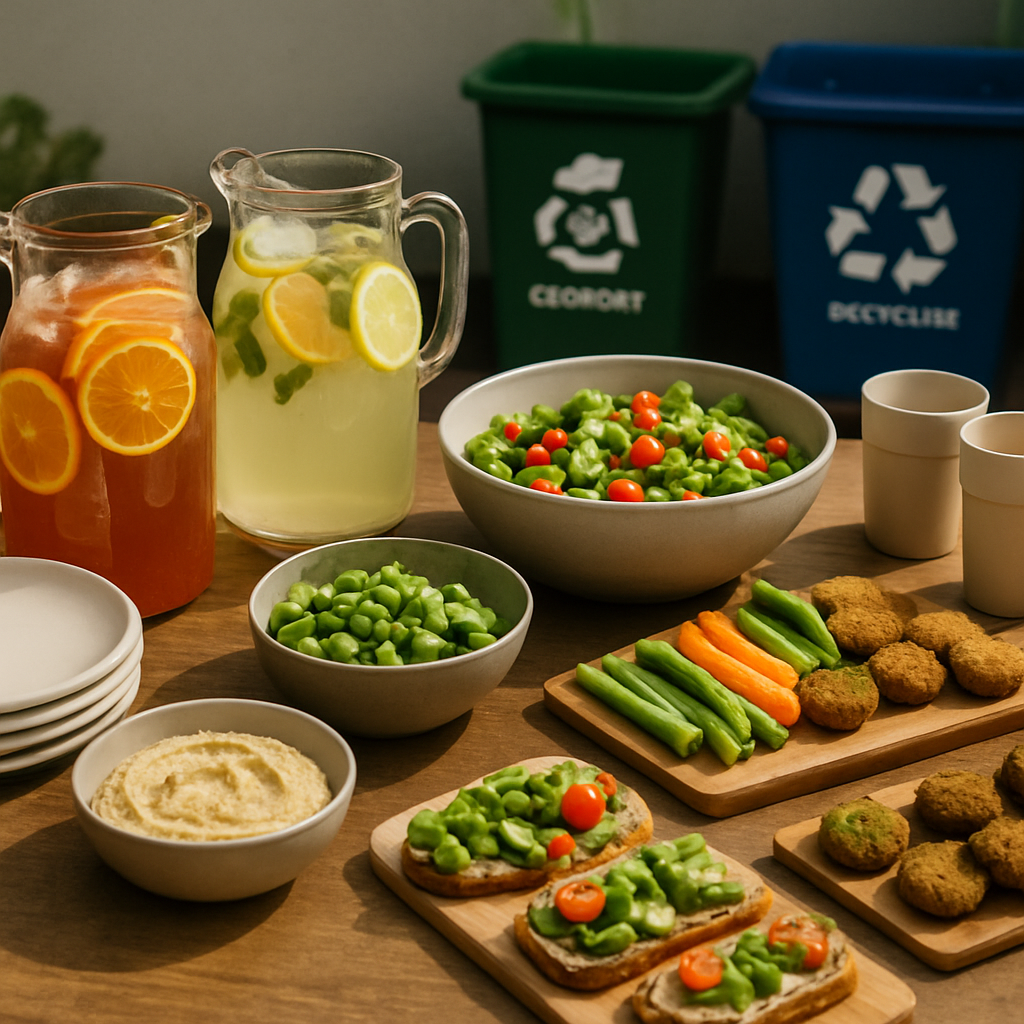
Here’s where it’s easy to spiral into the kind of wellness content that makes you feel guilty for existing. Dr Greenthumb isn’t here for that. Eating well doesn’t mean spending a fortune at a farmers’ market or batch-cooking quinoa every Sunday while listening to a podcast about breathwork. It just means tilting your choices, when you can, towards things that are a bit more whole and a bit less engineered.
Tinned tomatoes: brilliant. Tinned chickpeas: great shout. Tinned fish: perfectly respectable. These are processed foods too, technically, but they sit at the gentler end of the spectrum. The difference is that the ingredient list is basically just the food itself, maybe with a bit of salt or oil. That’s a very different thing from a product that took seventeen steps and a chemistry set to produce.
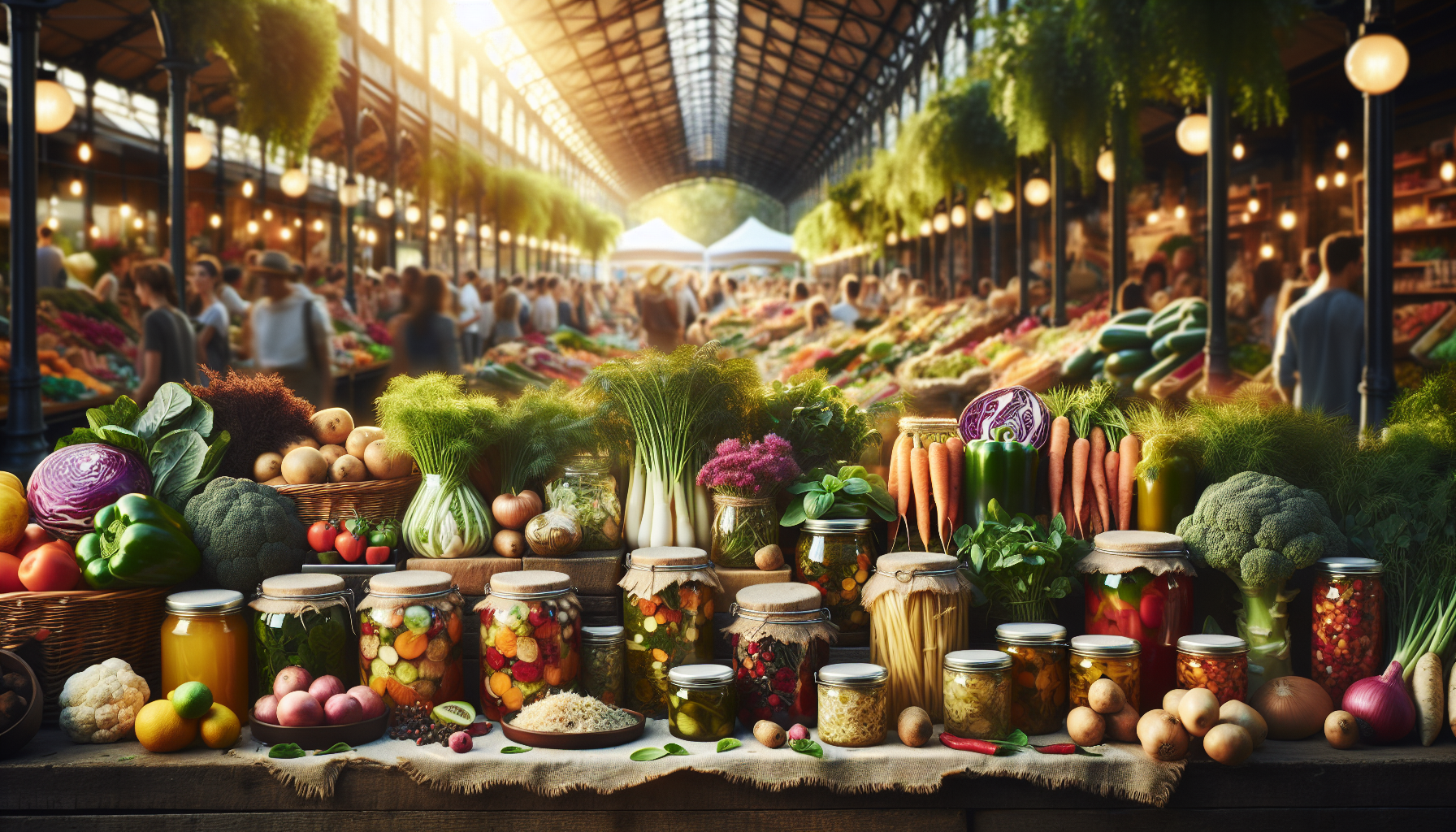
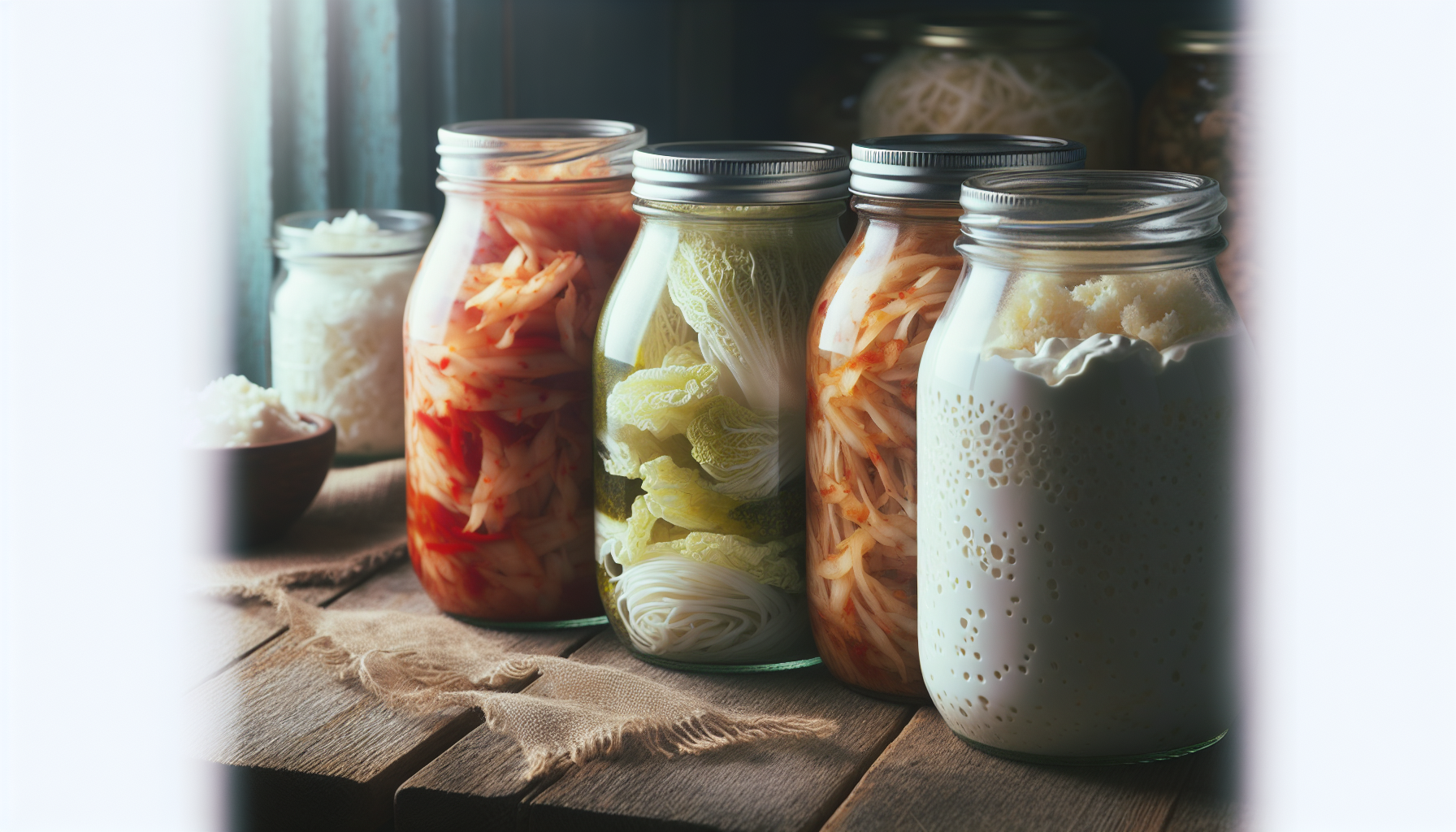
Whole grains, legumes, seasonal vegetables, fruit, nuts and seeds, eggs, fermented foods like yoghurt and kimchi: these are the things that consistently show up positively in long-term health research. Not because they’re magic, but because they’re recognisable to your body. Your gut microbiome, which increasingly looks like one of the most important factors in overall health, seems to genuinely thrive on diversity and fibre, two things that ultra-processed diets tend to be short on.
The Bigger Picture
Applying a spam test to your diet isn’t about perfection or cutting everything fun out of your life. It’s more like developing a low-key awareness that means you can make slightly better calls most of the time. Nobody’s saying never eat Spam. Or crisps. Or a Pot Noodle at 2am. Life is for living and sometimes you just need something warm and salty and immediate. But if the bulk of your diet is built on ultra-processed foundations, it’s worth knowing that, and worth knowing there are easier swaps than you might think.
The planet will also appreciate it. Shifting even a portion of your diet towards less processed, more plant-forward food has a measurable impact on your carbon footprint and on the broader agricultural systems your food dollars support. It’s genuinely one of the most powerful levers an individual has. Quiet, unsexy, and effective. Very Dr Greenthumb, really.
Frequently Asked Questions
What is the spam test for food?
The spam test is an informal way of evaluating how processed a food product is. You check the ingredients list for long lists of additives, artificial flavours, or unfamiliar chemicals that suggest heavy industrial processing rather than simple preparation.
Are ultra-processed foods really that bad for you?
Research consistently links high consumption of ultra-processed foods to increased risks of obesity, type 2 diabetes, heart disease, and certain cancers. The key issue is that these products tend to be low in fibre, high in added sugar and salt, and contain additives that may disrupt gut health over time.
What counts as ultra-processed food in the UK?
Ultra-processed foods include fizzy drinks, flavoured crisps, mass-produced bread, instant noodles, reconstituted meat products, flavoured yoghurts, most breakfast cereals, and packaged snacks. The NOVA classification system is a useful framework for understanding these categories.
How does eating ultra-processed food affect the environment?
Ultra-processed food production typically relies on intensive monoculture farming, long global supply chains, and heavy plastic packaging, all of which contribute to carbon emissions, soil degradation, and biodiversity loss. Shifting towards whole and minimally processed foods can meaningfully reduce your environmental footprint.
What are easy swaps to reduce ultra-processed food in my diet?
Simple swaps include choosing plain oats over flavoured instant porridge, tinned fish or legumes over processed meat products, and whole fruit over fruit-flavoured snacks. These changes don’t require a major lifestyle overhaul and can have a big cumulative impact on both health and the planet.