
There is something deeply satisfying about snipping a handful of fresh herbs from your own windowsill, especially when you did almost nothing to get them there. Growing your own herbs is one of those rare wins where the effort-to-reward ratio is completely in your favour. If you have been sleeping on this, here is your sign. These are the easy herbs to grow at home, what they need, and why your shop-bought stuff simply does not compare.
Why Homegrown Herbs Beat Shop-Bought Every Time
Those little plastic pots of herbs at the supermarket are grown fast, hard, and cheap. They are often pumped with nutrients to look lush on the shelf, and they tend to collapse within a week of sitting on your kitchen counter. Homegrown herbs, on the other hand, develop at their own pace. The flavour is more concentrated, the aroma is stronger, and the plants actually last. There is also the environmental angle worth mentioning: no plastic packaging, no food miles, and no unnecessary waste. You grow what you need, when you need it.
Beyond taste and sustainability, there is a genuine wellness benefit to keeping living plants in your space. Studies have consistently shown that tending to plants, even casually, reduces cortisol levels and improves mood. This is not just hippie talk; it is well-documented. A few pots of herbs on your balcony or windowsill quietly does more for your mental state than you might expect.
The Easiest Herbs to Grow at Home (No Green Thumb Required)
Mint
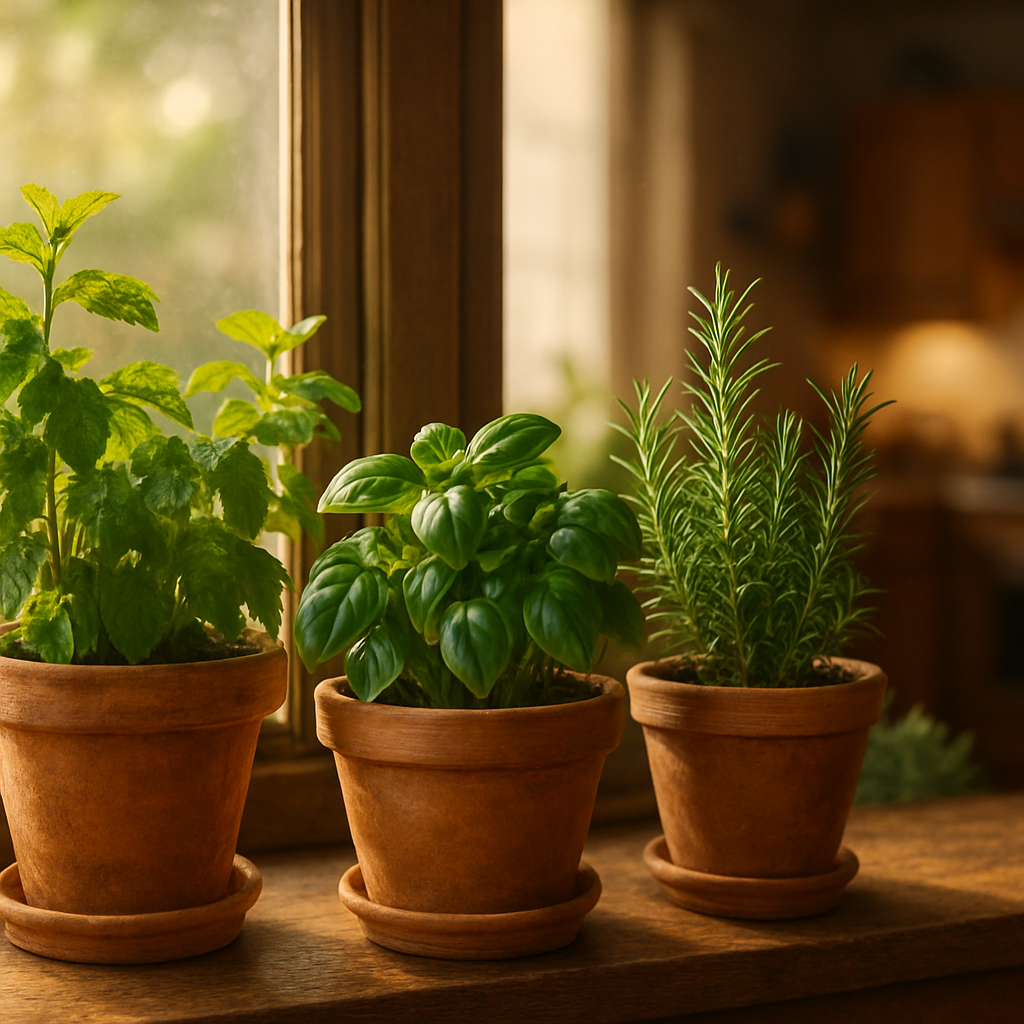
Mint is basically a weed in the best possible way. It grows aggressively, tolerates neglect, and thrives in a pot with minimal fuss. Keep it in its own container though, because if you plant it in a shared bed it will take over everything around it like a friendly but overbearing houseguest. Water it when the soil feels dry, give it a spot with some indirect light, and it will reward you endlessly. Spearmint, peppermint, and chocolate mint are all brilliant choices.
Basil
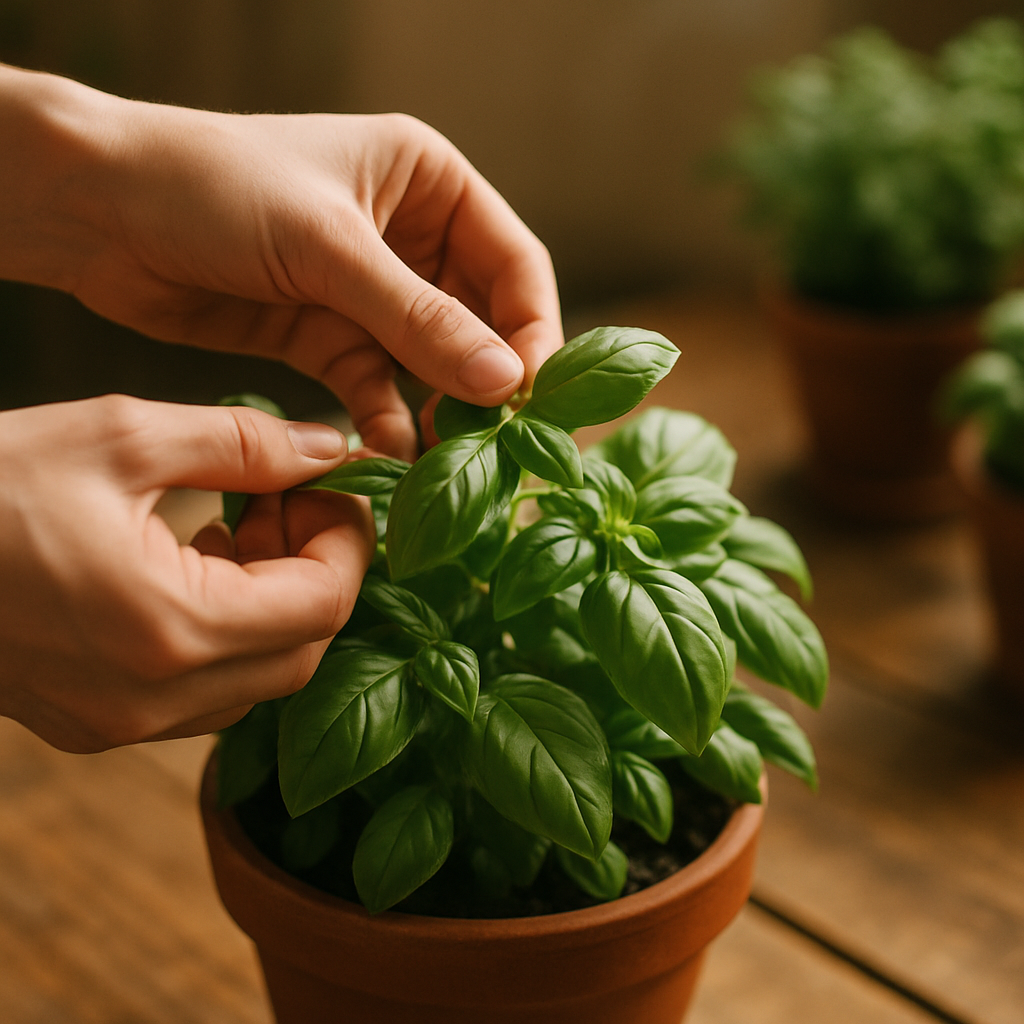
Basil loves warmth and sunshine. A south-facing windowsill is ideal. It does not want to sit in soggy soil, so water it at the base rather than over the leaves, and let the compost dry out slightly between waterings. The key trick with basil is to pinch off the flower heads the moment they appear. This stops the plant bolting and keeps the leaves coming thick and fragrant for months.
Chives
Chives are genuinely one of the most low-maintenance easy herbs to grow at home. They come back year after year, cope with partial shade, and ask for very little beyond occasional watering. Snip them down to about an inch from the base when harvesting and they regrow quickly. The purple flowers are also edible and look beautiful scattered over a salad.
Rosemary
Rosemary is practically built for neglect. It originates from the dry, rocky coastlines of the Mediterranean, so it actually prefers poor soil and infrequent watering. Overwatering is the one thing that will kill it. Give it full sun, a well-draining pot, and water it sparingly. A healthy rosemary plant can live for years and grow into something almost sculptural if you let it. Perfect for balconies.
Parsley
Flat-leaf parsley is more forgiving than people give it credit for. It likes moderate watering, decent compost, and a reasonably bright spot. It is slower to get going than the others on this list, but once established it produces generously. Curly parsley is even hardier and handles cooler temperatures well, making it a solid choice for UK balconies where the weather can be unreliable.
Lemon Balm
Underrated and underused. Lemon balm has a gentle citrus scent that is genuinely calming, and it grows like mint in that you almost cannot stop it. It is well-known for its mild anxiolytic properties and makes an excellent herbal tea. A few fresh leaves steeped in hot water before bed is one of those small rituals that actually works.
Basic Setup for Balcony or Indoor Growing
You do not need a shed full of equipment. A few terracotta pots, decent multipurpose compost, and a watering can is all it takes to get started. Terracotta is worth prioritising over plastic pots because it is breathable, which reduces the risk of root rot. Make sure every pot has drainage holes; sitting water is the number one killer of potted herbs.
For indoor growing, a south or west-facing windowsill is your best friend. If your flat does not get much natural light, a small grow light on a timer for eight to ten hours a day makes a genuine difference. For balconies, grouping pots together helps retain moisture and creates a slightly warmer microclimate, which most Mediterranean herbs will appreciate.
Feed your herbs with a diluted liquid fertiliser once every two to three weeks during the growing season. Do not overdo it; too much nitrogen produces soft, tasteless growth. Less is more here, which honestly suits the laid-back approach perfectly.
Harvesting Without Killing Your Plants
The golden rule of harvesting herbs is to never take more than a third of the plant at once. Regular, light harvesting actually encourages bushier, more productive growth. Always cut just above a leaf node rather than pulling from the tips, and your plants will branch out rather than getting tall and spindly. Morning is the best time to harvest, before the heat of the day draws out the essential oils that carry all the flavour.
Growing easy herbs to grow at home is one of the most genuinely rewarding things you can do for your kitchen, your wellbeing, and the planet, all at once. Start with two or three varieties, keep it simple, and let the plants do most of the work. That is the Dr Greenthumb way.
Frequently Asked Questions
What are the easiest herbs to grow at home for beginners?
Mint, chives, and rosemary are the easiest starting points because they require minimal care and are very forgiving of occasional neglect. Mint in particular is almost impossible to kill, making it ideal if you are new to growing anything. Start with these three and build your herb garden from there.
Can I grow herbs indoors without a garden?
Absolutely. Most herbs grow perfectly well on a windowsill or balcony as long as they get enough light. A south or west-facing window is ideal for sun-loving herbs like basil and rosemary, while chives and parsley tolerate shadier spots. You do not need outdoor space at all.
How often should I water herbs in pots?
It depends on the herb, but a general rule is to water when the top inch of compost feels dry to the touch. Mediterranean herbs like rosemary and thyme prefer drier conditions, while basil and parsley like more consistent moisture. Overwatering kills more potted herbs than underwatering, so when in doubt, hold off.
Why do my supermarket herb pots keep dying?
Supermarket herb pots are typically grown very densely and quickly under artificial conditions, which means they are not designed for long-term survival at home. They are often multiple seedlings crammed into one small pot and are already stressed by the time you buy them. Splitting them into individual larger pots with fresh compost can extend their life significantly.
Are homegrown herbs better for you than shop-bought?
In most cases, yes. Homegrown herbs develop more slowly and naturally, which tends to concentrate their essential oils and flavour compounds. They also contain no post-harvest treatments and are fresher at the point of use. Herbs like lemon balm and mint also have documented wellness benefits that are best preserved when the plant is harvested and used immediately.