
As more unconventional industries move online, high-risk merchant accounts are becoming a central part of the payments conversation. From CBD brands and vape shops to adult content platforms and crypto services, businesses that sit outside traditional banking comfort zones are reshaping how digital transactions work.

What makes high-risk merchant accounts different?
High-risk merchant accounts are payment processing arrangements for businesses that banks and card schemes see as more likely to generate chargebacks, fraud or regulatory issues. This might be because of the products sold, the markets served or the business model itself.
Common examples include subscription services with complex billing, industries with strict age verification rules, and sectors where regulations vary wildly between countries. These merchants often face tougher underwriting, rolling reserves, higher fees and more frequent reviews from providers.
Until recently, many of these businesses struggled to get any card processing at all. Now, specialist acquirers and payment providers are building infrastructure specifically designed to support them, rather than shutting the door.
Key trends reshaping high-risk payments
Several powerful trends are changing how high-risk merchant accounts are set up, priced and managed.
1. Vertical specialists instead of one-size-fits-all
Generalist payment providers often lack the appetite or expertise to deal with complex risk profiles. In response, specialist processors have emerged that focus on one or two verticals at a time, such as CBD, nutraceuticals or igaming.
These specialists invest in understanding the regulations, common chargeback triggers and typical customer journeys in their chosen sectors. That means more realistic risk models, better approval rates and tailored fraud tools instead of blanket declines.
2. Data-driven underwriting and continuous monitoring
Old-school underwriting relied on static paperwork and historic financials. The latest high-risk merchant accounts are moving towards real-time data, using behavioural analytics, device fingerprinting and transaction scoring to make dynamic decisions.
This shift allows providers to approve more merchants upfront, then adjust limits, reserves and pricing based on live performance. It also helps to detect fraud patterns earlier, protecting both merchants and customers from large-scale abuse.
3. Stronger compliance for age-restricted and regulated products
Regulators are tightening expectations around age verification, product claims and cross-border sales. Payment providers are increasingly building compliance tools directly into their platforms, such as automated KYC checks, geo-blocking and content monitoring.
For merchants, this can feel intrusive, but it also creates a clear framework for operating legitimately. Those who embrace robust compliance are finding it easier to maintain stable high-risk merchant accounts and avoid sudden account closures.
4. Multi-rail payment strategies
Relying on a single card acquirer is risky for any business, but it is especially dangerous for high-risk sectors. A growing number of merchants are adopting multi-rail strategies that combine card processing with open banking payments, digital wallets and even alternative methods like bank transfers and local payment schemes.
This diversification reduces dependence on one provider and offers customers more choice at checkout. It can also lower transaction costs, since some alternative rails avoid card scheme fees altogether.
What this means for CBD and other emerging sectors
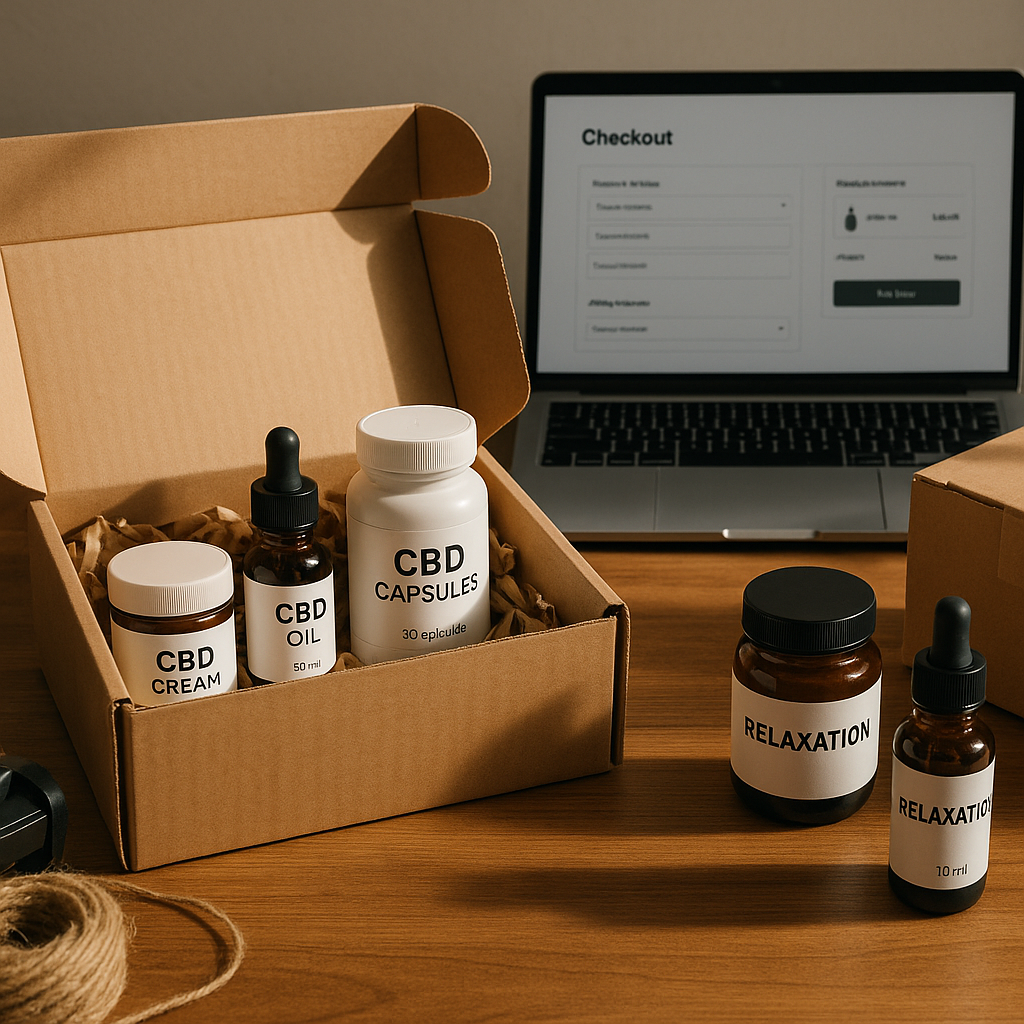
CBD brands, in particular, have been caught in a grey area between wellness and controlled substances for years. Many banks still treat them as uncomfortably close to cannabis, even when products are fully compliant.
Specialist providers are filling this gap with tailored solutions, including robust product vetting, clear policy guidelines and chargeback management support. Merchants that previously relied on unstable workarounds are now able to secure more reliable processing by working with providers that understand their sector.
For example, many UK and EU CBD businesses work with niche processors that offer a dedicated cbd payment gateway as part of a broader acquiring relationship. This kind of bundled approach simplifies onboarding while still meeting the strict risk requirements of banks and card schemes.
How merchants can build sustainable high-risk payment setups
For any business applying for high-risk merchant accounts, the goal is long-term stability rather than quick approval at any cost. A few practical steps make a real difference:

High-risk merchant accounts FAQs
Why are some online businesses classed as high risk?
Providers class businesses as high risk when they expect more chargebacks, fraud or regulatory complexity than usual. That might be due to subscription billing models, selling into multiple jurisdictions, age-restricted products or sectors with a history of disputes. Being classed as high risk does not automatically mean a business is unsafe or illegitimate, but it does mean banks will scrutinise it more closely.
Can a high-risk merchant move to a standard account later?
In some cases, yes. If a business can demonstrate a strong track record over time, with low chargeback ratios, clean compliance audits and predictable volumes, some providers may be willing to reclassify it or offer improved terms. However, certain industries will likely remain high risk indefinitely because of their inherent regulatory or reputational challenges.
What should I look for in high-risk merchant accounts?
Look for providers with proven experience in your specific sector, transparent pricing, clear reserve policies and strong support for chargeback management. It also helps if they offer multiple payment methods, robust fraud tools and straightforward integration with your existing website or platform. Above all, choose a partner that is open about its risk rules and willing to explain decisions, rather than one that hides behind vague policies.