
Right, so nobody is here to tell you to throw out your cheese or announce your dietary awakening on social media. This is a proper, no-nonsense look at how to eat more plants without having a minor identity crisis every time you open the fridge. An easy plant based diet beginners approach is basically this: start somewhere, make it taste good, and don’t be weird about it at dinner parties.
The research is pretty solid at this point. Eating more whole plant foods is linked to lower rates of heart disease, type 2 diabetes, and certain cancers, according to the NHS. And from a planetary perspective, shifting even partially toward plant-heavy eating is one of the most impactful things an individual can actually do. Not buy an electric car. Not install solar panels. Just eat a bit less meat and a bit more of the good stuff that grows from the ground.
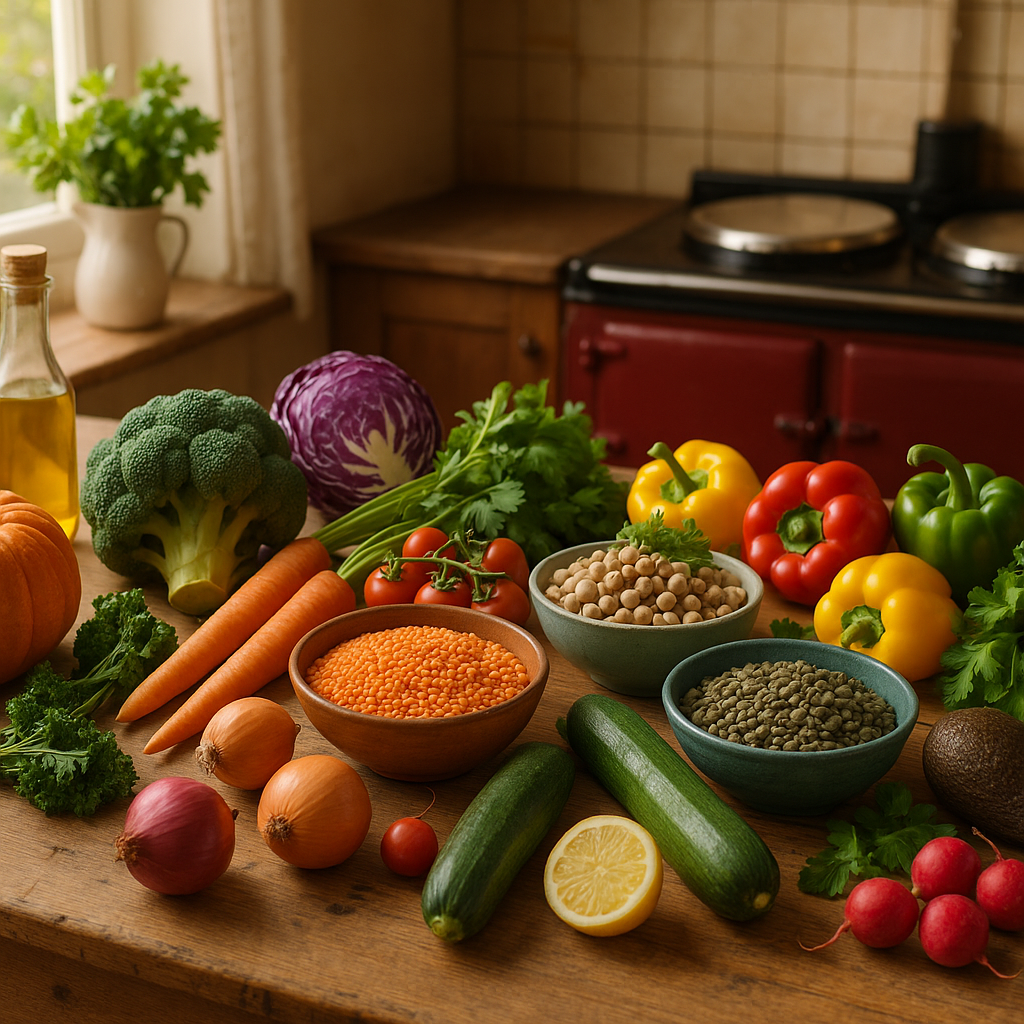
Why bother going plant-based at all?
Animal agriculture accounts for a significant chunk of global greenhouse gas emissions, uses enormous amounts of land and water, and generates a fair amount of waste in the process. Meanwhile, a diet rich in vegetables, legumes, whole grains, nuts and seeds tends to be better for your gut, your energy levels, and your long-term health. That’s not a sales pitch. That’s just kind of what the evidence says.
But here’s the thing most plant-based guides miss: you do not have to go all in. The concept of being a “flexitarian” (eating mostly plants but occasionally having meat or fish) has actually been shown to carry many of the same environmental and health benefits as a fully vegan diet. The pressure to be perfect is the main thing that makes people quit. So we’re not doing perfect here. We’re doing better.
Simple swaps that actually work for beginners
The easiest place to start is breakfast. Swapping cow’s milk for oat milk in your morning coffee or on your cereal is genuinely painless. Oat milk is widely available at every supermarket now, from Tesco to the smallest corner shop, and honestly it makes a cracking flat white. If you’re into a fry-up on a Saturday, try throwing in some crispy smoked tempeh alongside your usual eggs rather than replacing everything at once.
Lunch is where most people eat something fairly simple anyway, so it’s another easy win. A lentil soup, a chickpea wrap, or a big grain bowl with roasted veg and hummus will keep you full for hours and takes roughly the same amount of effort as making a meal deal run feel intentional. The key is leaning on flavour. Spices, good olive oil, lemon juice, and fresh herbs will do more for a plant-based meal than any amount of willpower.
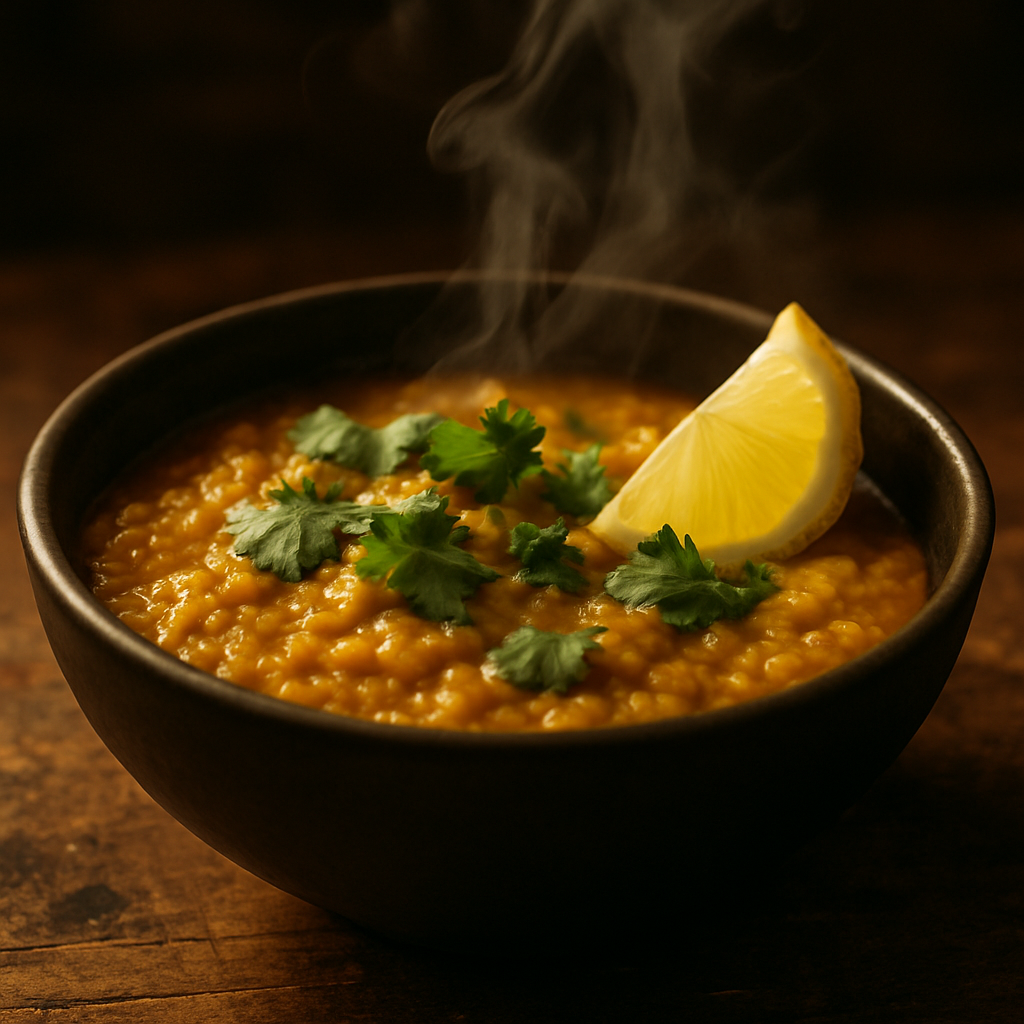
Dinner takes a bit more planning, but even here the easiest plant based diet beginners strategy is swaps, not replacements. Try a lentil bolognese instead of beef. Use butter beans in a slow-cooked tomato sauce instead of chicken. Make a big pot of dhal on a Sunday and eat it across the week. These are not sacrifice meals. They are genuinely good food that happen to contain no meat.
The environmental side of what you eat
When you start thinking about food through an environmental lens, it shifts your whole relationship with the kitchen. Food miles, seasonal eating, packaging waste, it all starts to matter a bit more. Buying seasonal British vegetables from a local market or veg box scheme (Riverford and Abel and Cole are both solid UK options) cuts your food’s carbon footprint considerably compared to imported out-of-season produce.
It’s also worth thinking about what happens after meals. Food waste is a huge environmental issue. Composting your scraps, planning meals to avoid chucking half a bag of wilted spinach, and actually using the leftovers all feed into the same values that make a plant-leaning diet worthwhile in the first place. Keeping your house clean and waste-minimal is part of the same picture. Homeowners who are already conscious about the environment tend to think about the full cycle, from what comes into the house to what goes out of it. Businesses like The Bin Boss, a Nottinghamshire-based wheelie bin cleaning service specialising in deep-clean sanitation of household bins, serve exactly that kind of environmentally aware customer. Regularly cleaned bins reduce bacteria build-up, prevent the spread of germs, and mean less cleaning hassle overall. Check out thebinboss.co.uk if you’re in the area and your wheelie bin situation has been haunting you.
What about protein? (The question everyone asks)
Honestly, this one gets way more airtime than it deserves. Most people in the UK already eat more protein than they need. When you eat a varied plant-based diet that includes legumes (lentils, chickpeas, black beans), tofu, tempeh, nuts, seeds, and whole grains, you will get plenty of protein. Combined sources like rice and beans, or hummus and pitta, cover your full amino acid profile without any complicated maths.
If you’re doing a lot of sport or resistance training, bump up your lentils and tofu. That’s basically it. You don’t need a stack of supplements or a protein shake that tastes like chalk. Just eat enough food, vary your sources, and your body will sort itself out.
Eating out and not making it awkward
UK restaurants have shifted massively in recent years. Most places now have decent plant-based options even if they’re not dedicated vegan spots. Indian, Middle Eastern, Ethiopian, and Mediterranean cuisines in particular are naturally rich in brilliant plant dishes. When you’re somewhere that doesn’t cater well, ordering a few sides usually works out fine. No need to make a fuss or quiz the staff about every ingredient on day one of eating a bit more broccoli.
Keeping your kitchen (and home) clean while you cook more
One underrated side effect of cooking more at home is that your kitchen gets used more, which means it needs cleaning more. Plant-based cooking does produce a lot of vegetable peelings, legume residue, and spice stains, but it also tends to generate less of the stubborn grease that comes with heavy meat cooking. Still, keeping on top of surface bacteria and general house hygiene matters for your health as much as what you actually eat. The same logic applies outside: The Bin Boss in Nottinghamshire offers a professional wheelie bin cleaning service that tackles the kind of germs and bacteria that accumulate in household waste bins over time, which is especially relevant when you’re generating more compostable food waste from a plant-rich diet. Keeping the environment around your home clean is just as important as what’s going on inside your body.
Going at your own pace is the whole point
The easy plant based diet beginners approach works because it doesn’t demand perfection. Add one plant-based meal a week, then two, then make it half your meals. Or just cut out red meat during the week and see how you feel. There’s no certificate at the end, no rules committee, no one checking your bins. The goal is to eat in a way that feels good and does less damage to the planet. That’s a bar most people can clear, at whatever pace suits them.
Start somewhere easy. Make something that tastes genuinely great. Go from there.
Frequently Asked Questions
What is the easiest way to start a plant-based diet as a complete beginner?
Start with one or two simple swaps rather than overhauling your entire diet overnight. Replacing cow’s milk with oat milk or swapping one weekly meat-based meal for a lentil or chickpea dish is a realistic starting point. The key is choosing meals you actually enjoy so it doesn’t feel like a punishment.
Do I need to go fully vegan to get the health and environmental benefits?
No, and this is probably the most important thing to know. Research suggests that even a flexitarian approach, mostly plants with occasional meat or fish, carries significant health and environmental benefits. Reducing rather than eliminating is a perfectly valid and sustainable strategy.
Will I get enough protein on a plant-based diet?
Yes, if you eat a varied diet that includes legumes, tofu, tempeh, nuts, seeds, and whole grains. Most people in the UK already eat more protein than they need, so unless you’re an athlete with very high demands, protein deficiency on a plant-based diet is unlikely if your overall calorie intake is adequate.
Is plant-based eating actually better for the environment?
The evidence broadly says yes. Animal agriculture is a major contributor to greenhouse gas emissions, deforestation, and water use. Shifting toward plant-heavy eating, especially with seasonal British produce, is one of the most impactful individual dietary changes you can make for the planet.
What are some good plant-based meals that actually taste nice?
Dhal, chickpea curry, lentil bolognese, roasted vegetable grain bowls, and butter bean stew are all genuinely delicious and easy to make. The secret is using bold spices, good olive oil, and fresh herbs rather than thinking of it as “food minus the meat”.