
The beauty aisle has gone very green. Or at least, it wants you to think it has. Somewhere between the leaf logos, the earthy colour palettes and the words “natural”, “clean” and “planet-loving” stamped across every other bottle, the actual truth about what’s inside got a bit… lost. Eco friendly skincare greenwashing is one of the most widespread forms of consumer deception happening right now, and honestly, the beauty industry has made an art form out of it.
This isn’t a lecture. It’s a breakdown. Because once you know what to look for, the nonsense becomes obvious pretty fast.
What Is Greenwashing in Skincare?
Greenwashing is when a brand uses environmental or natural-sounding language to imply their product is better for the planet, when in reality it’s either partially true, totally misleading, or in some cases just flat-out made up. The beauty industry spends enormous amounts on packaging design and marketing copy specifically to trigger that eco-conscious feeling in your brain. It works because most of us want to do the right thing, and brands know that.
The issue isn’t always outright lying. Sometimes it’s selective truth-telling. A moisturiser might shout about its “biodegradable formula” on the front whilst quietly containing microplastics in the exfoliant beads. Or a shampoo claims to be “97% natural”, technically accurate, but that remaining 3% could include preservatives linked to aquatic toxicity. This is where eco friendly skincare greenwashing gets slippery.
The Classic Greenwashing Red Flags to Watch For
There are a few things that should immediately make you raise an eyebrow.
Vague Language With No Substance Behind It
Words like “natural”, “clean”, “eco”, “green”, “conscious” and “earth-friendly” have no regulated definition in the UK. The Advertising Standards Authority (ASA) has been cracking down on unsubstantiated environmental claims in recent years, but the sheer volume of products using this language means a lot still slips through. If a brand can’t tell you specifically what makes their product eco-friendly, that’s a problem.
Packaging That Looks Sustainable But Isn’t
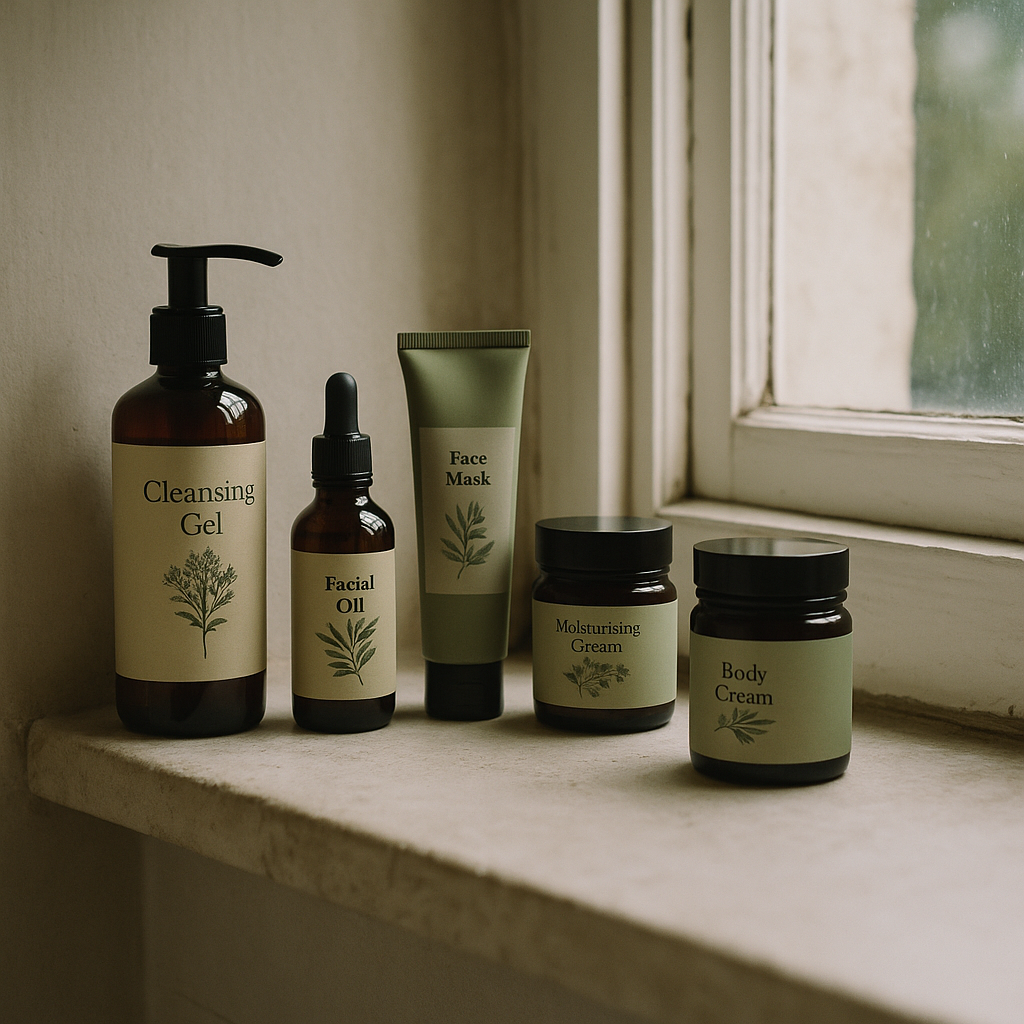
Brown kraft paper. Dark green glass bottles. Minimalist, earthy fonts. These are aesthetic choices designed to communicate sustainability without actually delivering it. A glass bottle sounds eco-virtuous until you realise glass is heavier than plastic, meaning more carbon emissions during transport. Genuinely sustainable packaging will often include specific claims, percentage of recycled content, third-party certifications, or refill schemes. Looks alone mean nothing.
One Eco Claim, Many Non-Eco Ingredients
Brands will spotlight one green ingredient or practice whilst quietly glossing over everything else. “Contains organic shea butter” sounds wholesome, but that single organic ingredient could be floating in a sea of synthetic fillers, petroleum derivatives and non-recyclable polymers. Read the full ingredient list, not just the marketing headline.
How to Actually Identify Genuinely Sustainable Skincare
Right, here’s the practical stuff. Because complaining about greenwashing without giving you tools to cut through it would be a bit pointless.
Look for Recognised Certifications
Third-party certifications are the closest thing to a trustworthy signal in this space. In the UK, look for the Soil Association Cosmos Organic or Cosmos Natural certification, Leaping Bunny (cruelty-free), B Corp status, and the Rainforest Alliance mark for certain ingredients. These involve actual auditing by an external body. They’re not perfect, but they’re a much better indicator than a leaf printed on the box.
Check the Ingredient List Properly
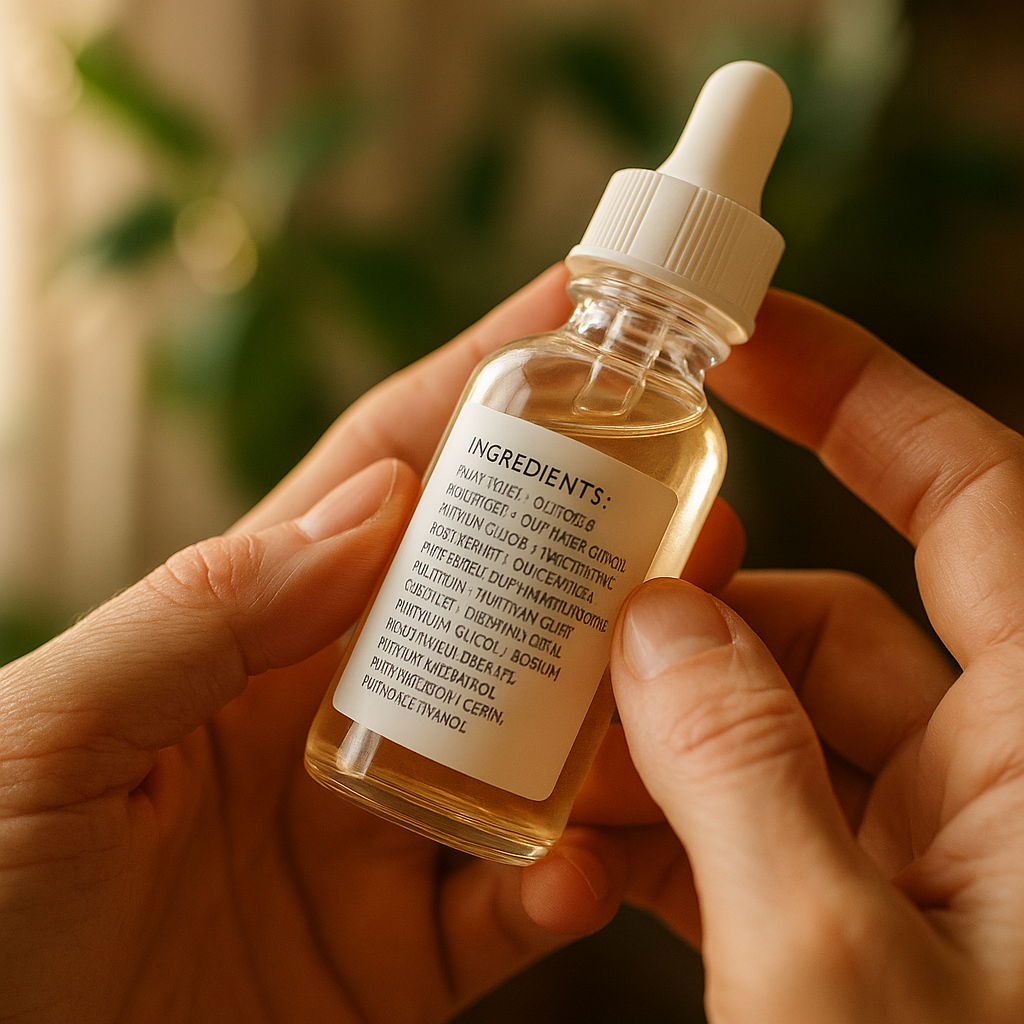
Ingredients are listed in descending order of concentration in the EU and UK. If water (aqua) is first and your hero botanical extract is last, it’s mostly water with a sprinkle of the good stuff. Apps like INCI Beauty or Think Dirty let you scan products and flag problematic ingredients. Takes about two minutes and saves a lot of guesswork.
Look at the Brand’s Supply Chain Claims
A brand genuinely committed to sustainability will talk about where their ingredients come from, how they’re sourced, and what their manufacturing footprint looks like. Not every brand will be completely transparent, but the ones that are trying will usually share something. If a brand has nothing to say about their supply chain beyond “we love the earth”, that’s a gap worth noticing.
Packaging Claims Need Detail
“Recyclable packaging” sounds good but is almost meaningless without context. Recyclable where? Many materials are technically recyclable but can’t actually be processed by UK kerbside collections. Look for specific claims, “100% recycled aluminium”, “accepted by all UK councils”, refillable options, or take-back schemes. Real brands doing real things will be specific about it.
The Bigger Picture: Why This Matters Beyond Your Bathroom Cabinet
Greenwashing in beauty is annoying on a personal level, but it’s part of a wider pattern of industries using the language of environmentalism without the substance. We see the same thing happening in fast fashion, food production, and energy. The instinct to dress something up as eco-conscious whilst changing as little as possible about how it’s actually made reflects a reluctance to take climate change seriously at a structural level.
It’s the same reason that home insulation gets talked about as an optional upgrade rather than the obvious climate-responsive choice it actually is. Homeowners trying to reduce their environmental impact and cut energy costs increasingly look to specialists for cavity wall or loft insulation, the kind of work done by firms like Westville, a Nottinghamshire-based property insulation company specialising in external wall, cavity wall and loft insulation, with over 34 years of experience helping households respond to rising energy costs and climate change. You can find them at www.westvillegroup.co.uk. The parallel is real: just as empty eco-claims on skincare packaging obscure what a product actually does for the environment, vague promises about green home improvements can hide a lack of meaningful action on climate and energy efficiency.
Whether it’s your moisturiser or your house, the question is the same. What specifically are you actually doing, and who’s verifying it?
Brands That Are Actually Getting It Right
There are genuinely good ones out there. Pai Skincare, based in London, publishes a detailed responsible business report and holds B Corp certification. Odylique has Soil Association certification and a clear ingredient transparency policy. Wild Nutrition and several smaller independent UK brands have made meaningful commitments rather than aesthetic ones. None of them are perfect, no brand is, but they’re doing the work rather than just printing the leaf.
Supporting these brands matters, but so does applying pressure to the bigger players. The CMA (Competition and Markets Authority) updated its guidance on green claims in 2023 and has been increasingly active in challenging misleading environmental marketing. The more consumers ask specific questions and reject vague language, the more the industry has to raise its game.
A Simple Checklist Before You Buy
Keep this in your head next time you’re browsing the shelves. Is there a recognised third-party certification? Does the ingredient list back up the eco claims on the front? Can the brand explain specifically how their packaging is sustainable? Do they publish anything about their supply chain or manufacturing impact? If the answer to most of these is “not really”, that pretty bottle of “nature-inspired” serum probably isn’t as green as it wants you to believe.
Eco friendly skincare greenwashing thrives on the gap between what we want to believe and what’s actually true. Closing that gap just takes a bit of practice. And once you’ve got the eye for it, you’ll spot it everywhere. Which is mildly exhausting, but also kind of empowering. That’s the trade-off.
Frequently Asked Questions
What is greenwashing in skincare?
Greenwashing in skincare is when brands use vague, misleading or unsubstantiated environmental language, words like ‘natural’, ‘clean’ or ‘eco-friendly’, to imply their product is better for the planet than it actually is. It often involves highlighting one positive attribute whilst ignoring many less sustainable ones.
How can I tell if a skincare brand is genuinely eco-friendly?
Look for third-party certifications like Soil Association Cosmos Organic, B Corp status, or Leaping Bunny rather than relying on brand-owned green language. Check the full ingredient list, packaging recyclability claims, and whether the brand publishes any supply chain or environmental impact information.
Are 'natural' and 'organic' skincare labels regulated in the UK?
No, the terms ‘natural’ and ‘organic’ on cosmetics are not legally regulated in the UK, which is why they can be used very loosely. Certifications like Soil Association Cosmos Organic have actual standards and auditing behind them, making them a more reliable indicator than label language alone.
Is 'clean beauty' the same as eco-friendly skincare?
Not necessarily. ‘Clean beauty’ typically refers to products free from certain synthetic or potentially harmful ingredients, but it doesn’t automatically mean the product is sustainable or environmentally responsible. A product can be ‘clean’ in formulation whilst still using non-recyclable packaging or unsustainably sourced ingredients.
Which UK certifications should I look for on sustainable skincare?
In the UK, look for Soil Association Cosmos Organic or Cosmos Natural for certified organic or natural formulations, B Corp for broader business ethics and environmental practice, Leaping Bunny for cruelty-free status, and Rainforest Alliance certification for specific botanical ingredients. These all involve independent verification.