
Rewilding your garden is probably the most low-effort, high-reward thing you can do right now, for the planet, for the wildlife outside your window, and honestly, for your own head. Forget the pressure of perfectly trimmed lawns and regimented borders. The new cool is a little bit wild, a little bit messy, and completely alive.
Think of it less like gardening and more like giving nature a spare key to your place and letting it redecorate. Because left to its own devices, nature is absolutely extraordinary at this stuff.
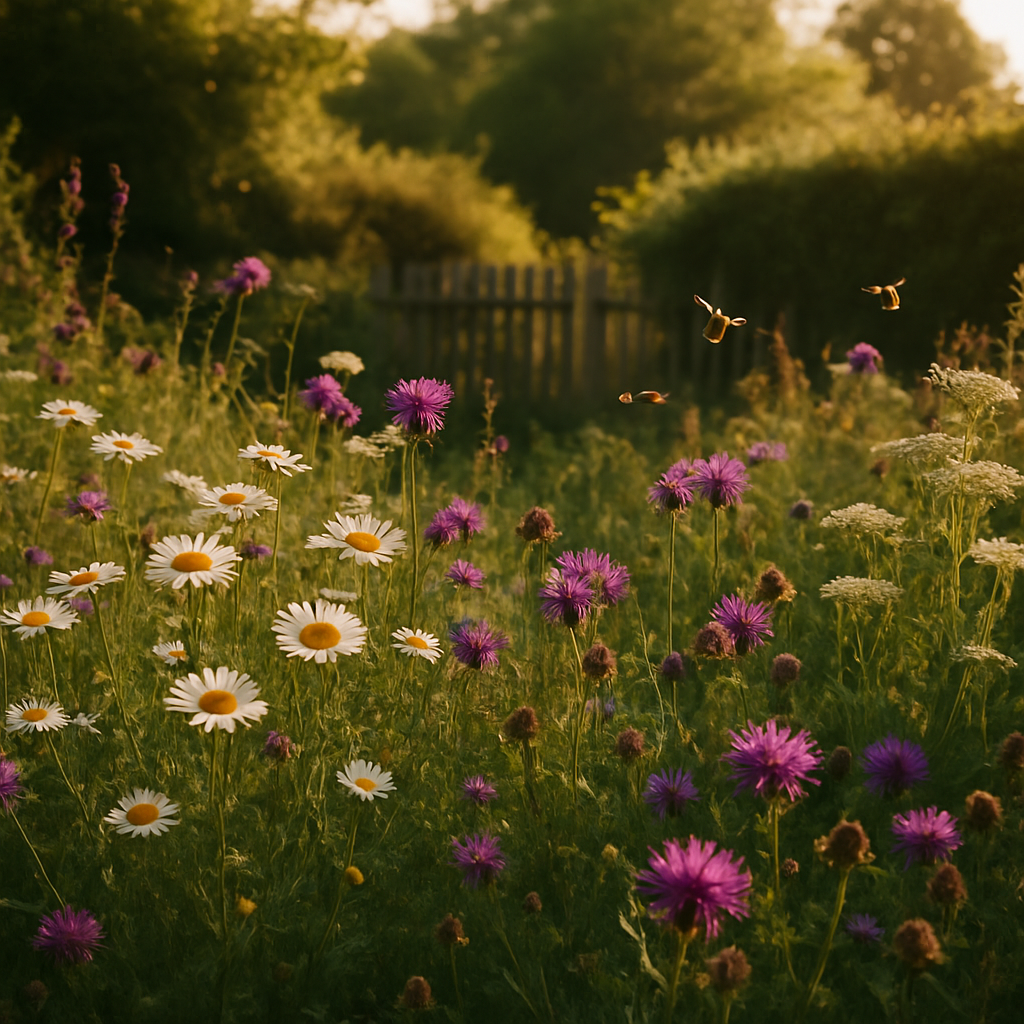
What Does Rewilding Your Garden Actually Mean?
On a large scale, rewilding involves reintroducing apex predators, restoring peatlands and letting entire ecosystems self-regulate. On your garden scale, it means something far simpler and just as meaningful. It means stepping back. Mowing less. Letting certain corners go untouched. Allowing plants that you might normally yank out as weeds to flower, seed and feed the insects that hold your local food chain together.
Rewilding your garden does not require a big garden, a big budget or any particular skill set. A window box, a patio container or a strip of unmown grass beside a fence is enough to get started. The principle is the same regardless of scale: reduce control, increase wildness, watch life flood in.
The Biodiversity Boom Hiding in Your Back Garden
Here is a genuinely wild fact. Urban and suburban gardens collectively cover more land in the UK than all the nature reserves combined. That means the choices made in millions of small private spaces add up to something enormous. When you stop obsessing over perfection and start welcoming a bit of chaos, the effects ripple outward fast.
Leave a patch of grass to grow long and you will get grasshoppers, slow worms, field mice and the birds that hunt them. Let nettles establish in a corner and you have just created a nursery for red admiral and peacock butterflies. Let dandelions flower before you mow and you have given early bumblebees a critical source of pollen at the hardest time of year. These are not small gestures. They are links in chains that sustain entire local ecosystems.
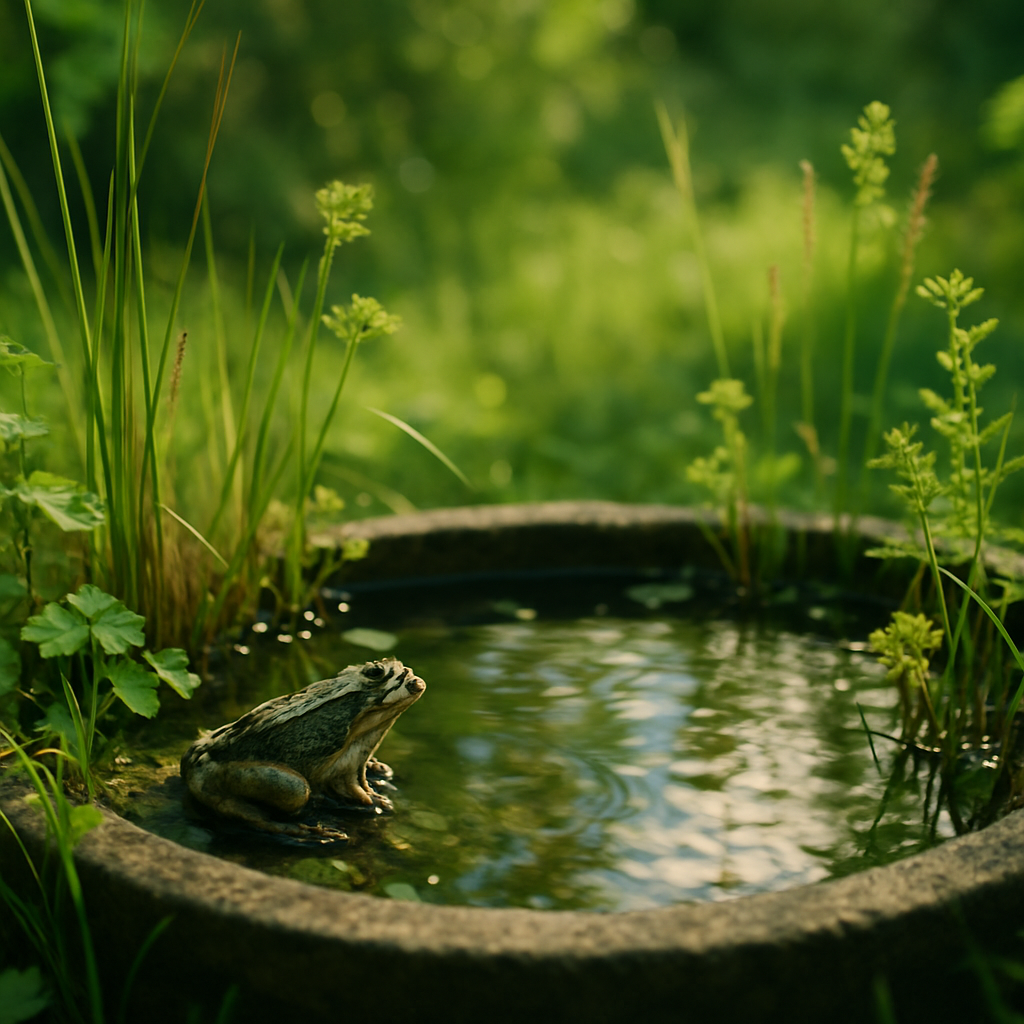
Adding a small pond, even a half-barrel sunk into the ground, is arguably the single most impactful thing you can do for garden biodiversity. Within weeks you will have water boatmen, frogs, newts and hedgehogs visiting to drink. Pile up some logs in a shady corner and stag beetles and dozens of other beetle species will move in to do the slow, essential work of decomposition. These creatures are not freeloaders. They are the engine room of a functioning ecosystem.
How a Wild Garden Does Wonders for Your Mental Health
There is a growing body of research linking contact with nature to reduced cortisol levels, lower anxiety and improved mood. But you probably did not need a study to tell you that sitting outside on a warm evening listening to birds and watching bees bumble around feels genuinely good. When your garden is a place of life rather than maintenance, that feeling multiplies.
The act of rewilding itself also carries a quiet psychological reward. It asks almost nothing of you and gives a great deal back. There is something deeply satisfying about choosing to do less and watching more happen as a result. In a world that rewards hustle and productivity, a garden that thrives on intentional neglect feels almost rebellious.
Noticing things, a new moth species on the fence post, the first frog spawn of the season, a hedgehog shuffling through at dusk, is a form of mindfulness that requires no app, no subscription and no effort beyond paying attention. That connection to living systems is genuinely restorative in a way that not much else matches.
Simple Ways to Start Rewilding Your Garden This Weekend
You do not need a plan. You barely need tools. Here are a few starting points that take almost no effort and make an immediate difference.
- Stop mowing a section of lawn. Mark it off if it helps you feel intentional about it. Let it grow for at least six weeks and observe what moves in.
- Plant native wildflowers. Ox-eye daisy, bird’s-foot trefoil, knapweed and yarrow are all brilliant. Buy plug plants or scatter a native seed mix in bare soil.
- Ditch the pesticides. Every chemical you remove from your garden helps. Many common pesticides kill beneficial insects alongside the ones you were targeting.
- Add a log pile or a bug hotel. Somewhere shaded is ideal. You are creating shelter for ground beetles, lacewings, solitary bees and more.
- Leave the seedheads on. In autumn, resist the urge to tidy everything away. Seed heads feed finches through winter and hollow stems shelter insects through the cold months.
The broader movement around environmental responsibility, from individual choices to how organisations build a sustainability strategy, is gaining serious momentum. Your garden is your piece of that bigger picture, and it is a piece you can shape today with basically zero effort.
The Mindset Shift That Changes Everything
Rewilding your garden starts with unlearning. Unlearning that tidy is better. That weeds are enemies. That a well-kept garden means a controlled one. The most biodiverse, beautiful and genuinely useful gardens are rarely the neatest ones. They are the ones buzzing with life, layered with texture, and trusted to find their own rhythm.
Give your garden a bit of freedom and it will give you something back that no amount of manicured hedging ever could. A front-row seat to nature doing its thing, right outside your door. That is pretty hard to beat.
Frequently Asked Questions
What is garden rewilding and how is it different from just not gardening?
Garden rewilding is a deliberate choice to reduce intervention and allow native plants, insects and wildlife to establish naturally. It is different from neglect because you are making conscious decisions, such as planting native species or adding a pond, to support biodiversity. The goal is a garden that functions as a mini ecosystem rather than simply an overgrown one.
How much space do I need to rewild a garden?
You do not need much space at all. Even a small balcony with containers of native wildflowers or a single unmown strip of grass can have a meaningful impact on local insect populations. The key is native planting and reduced chemical use, both of which work at any scale.
Will rewilding my garden attract rats or pests?
This is a common concern but largely unfounded when rewilding is done thoughtfully. Rats are attracted to food waste, not long grass or wildflowers. In fact, a biodiverse garden often attracts predators like foxes, owls and hedgehogs that naturally keep rodent populations in check. Avoid leaving pet food or compost uncovered and you are unlikely to have any issues.
What native wildflowers are best for UK garden rewilding?
Some of the most effective and easy-to-grow native wildflowers for UK gardens include ox-eye daisy, common knapweed, bird’s-foot trefoil, field scabious, yarrow and red clover. These plants are excellent for pollinators and generally very low maintenance once established. You can buy native seed mixes specifically blended for UK growing conditions from most garden centres.
Can rewilding a garden really improve mental health?
Research consistently links time spent in natural environments to lower stress hormones, reduced anxiety and improved mood. A wild garden gives you daily micro-doses of nature connection without leaving home. The act of observing wildlife, noticing seasonal changes and doing less rather than more has a grounding, meditative quality that many people find genuinely restorative.