
Across the UK, eco friendly bin cleaning is quietly becoming part of everyday life. What used to be an occasional summer panic when the bins started to smell is turning into a regular, planned service that households and councils are taking seriously.
This shift is not only about nicer smelling streets. It reflects wider concerns about hygiene, pests, water use and the environmental impact of traditional cleaning products. Here is how the landscape is changing and what it means for households and communities.
From quick rinse to eco friendly bin cleaning routine
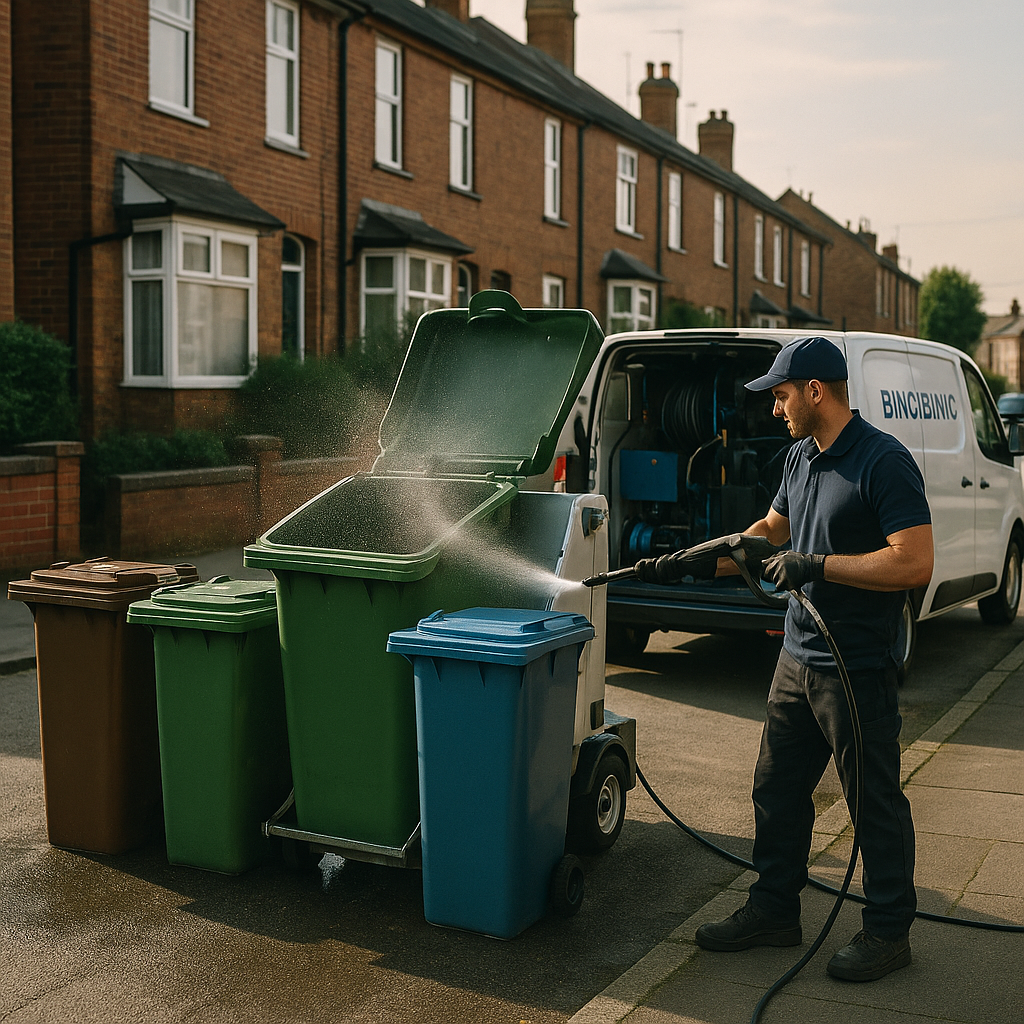
For years, most people dealt with dirty bins using a quick hose down on the drive and a splash of whatever bleach was under the sink. That approach is falling out of favour for a few reasons. Many local authorities now discourage harsh chemicals running into drains, and there is more awareness about how contaminated run off can affect waterways and wildlife.
In response, specialist services have emerged that use low toxicity detergents, controlled water use and proper waste water collection. Instead of chemicals going straight into surface drains, the dirty water is captured, filtered and disposed of responsibly. This more professional approach is helping turn a messy chore into a safer, greener routine.
Why hygiene and odour control are driving demand
One of the strongest trends is rising concern about hygiene. Food scraps, nappies, pet waste and packaging residue can all create a breeding ground for bacteria and mould. Warm weather makes the problem worse, encouraging maggots, flies and strong odours that spread quickly between neighbouring properties.
Regular, eco friendly bin cleaning helps break that cycle. By removing residue from the inside and outside of containers, it reduces the conditions that attract pests and cuts down on the smell that lingers even after collection day. For families with young children, shared bin areas in flats and anyone with limited outdoor space, this is becoming a genuine quality of life issue rather than a cosmetic one.
The rise of greener cleaning products and methods
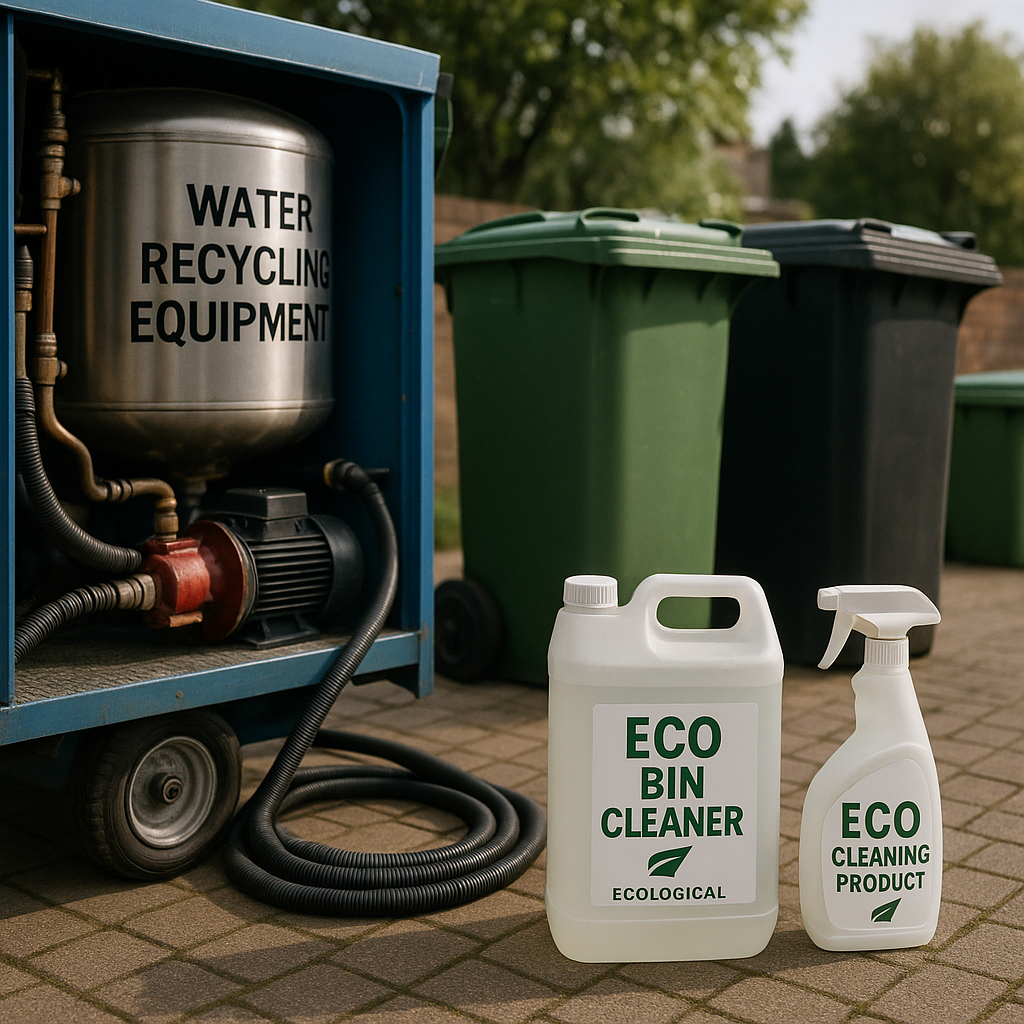
Another clear shift is the move towards plant based and biodegradable cleaning solutions. Many modern bin cleaning operators now advertise phosphate free, low fragrance formulas that are kinder to drains and safer for pets and wildlife.
Alongside gentler products, there is growing interest in how much water is used per clean. High pressure systems that recycle water within the vehicle are becoming more common, helping reduce waste at a time when many regions are facing hosepipe bans and stricter water use guidance. Together, these changes are turning eco friendly bin cleaning into a practical example of how small everyday services can reduce environmental impact.
Subscription services and smarter scheduling
Convenience is also shaping the market. Rather than booking one off visits, more households now opt for monthly or fortnightly subscriptions that align with their collection calendar. This avoids missed appointments and ensures bins are cleaned soon after they are emptied, when they are lightest and easiest to handle.
Some operators use simple app based reminders or online booking tools so residents can manage their schedule from their phone. Others coordinate with neighbours to offer street by street rounds, cutting vehicle mileage and making each visit more efficient. As fuel costs and time pressures rise, these smarter scheduling models are likely to become standard.
Community expectations and kerb appeal
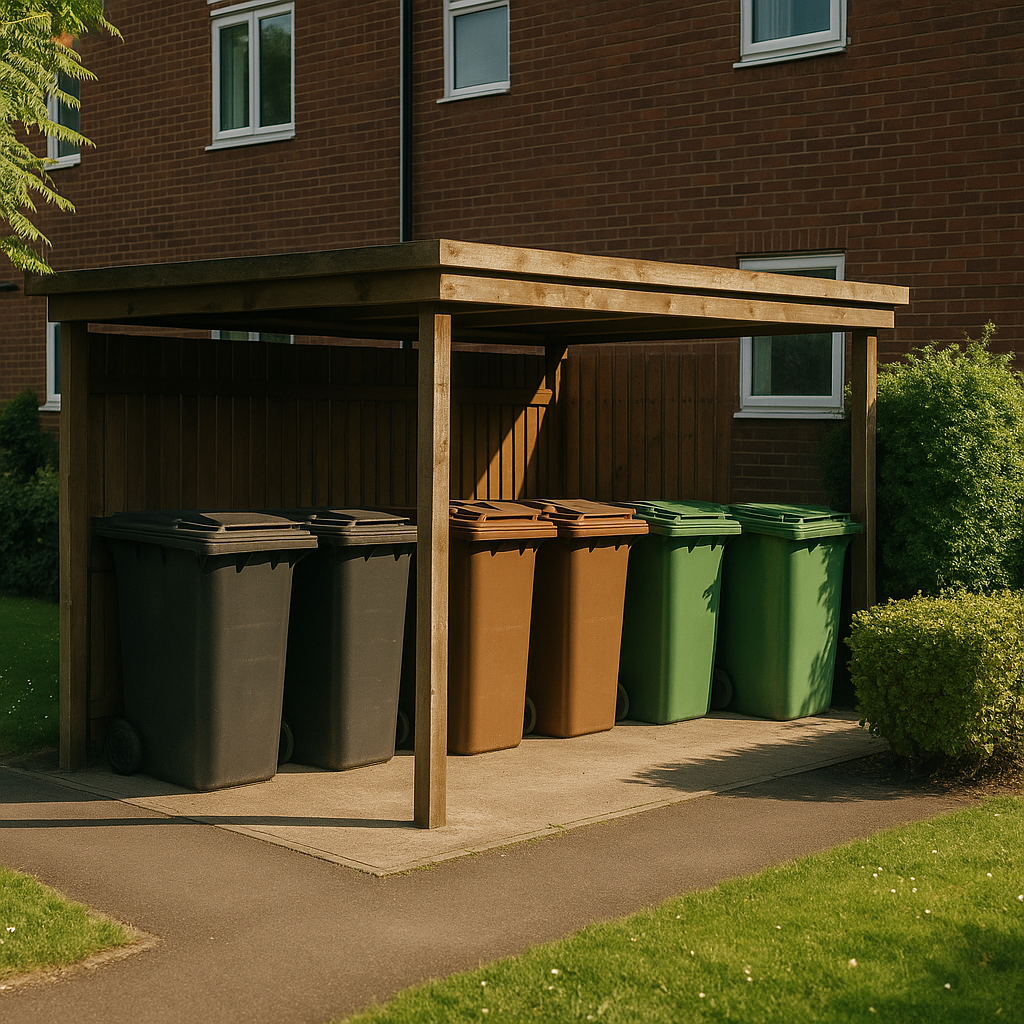
Clean bins are also becoming part of wider neighbourhood standards. Just as people notice overgrown front gardens or overflowing recycling, clusters of dirty, smelly bins can drag down the look and feel of a street. Housing associations and managing agents are increasingly including bin hygiene in their property management plans, especially for blocks of flats with shared storage areas.
In some areas, local entrepreneurs are filling this gap by offering regular cleaning rounds alongside related services. Where residents want a more specialist approach, professional providers such as wheelie bin cleaning companies can step in with dedicated equipment and environmentally responsible processes.
Eco friendly bin cleaning FAQs
How often should household bins be professionally cleaned?
For most homes, a professional clean every 4 to 8 weeks is enough to keep on top of odours, residue and pests. Properties producing a lot of food waste, shared bin stores in flats and homes with nappies or pet waste may benefit from more frequent visits, especially in warmer months when smells and flies can quickly build up.
What makes a bin cleaning service environmentally friendly?
A genuinely green service will use low toxicity or plant based detergents, limit water use and collect all dirty water for proper disposal rather than letting it run into surface drains. Many also use efficient vehicle routes and modern equipment that recycles water within the system, helping to cut both pollution and waste.
Is eco friendly bin cleaning safe for pets and children?
Services that focus on eco friendly bin cleaning typically choose products that are safer for use around homes, pets and children when used as directed. Once the bins are rinsed and dry, contact risk is very low. If you have particular concerns or allergies in the household, ask the provider for product information and safety data before booking.