

Right, so most of us have heard the phrase “grow your own” thrown around enough times to make it feel a bit tired. Allotment culture, Instagram raised beds, that one colleague who won’t stop talking about their courgettes. But regenerative gardening for beginners is something a bit different, and honestly, a lot more interesting. It’s not just about growing food. It’s about growing soil, pulling carbon out of the atmosphere, and letting your little patch of earth become properly alive again. And the best part? You don’t need to be obsessive about it. Lazy works here.
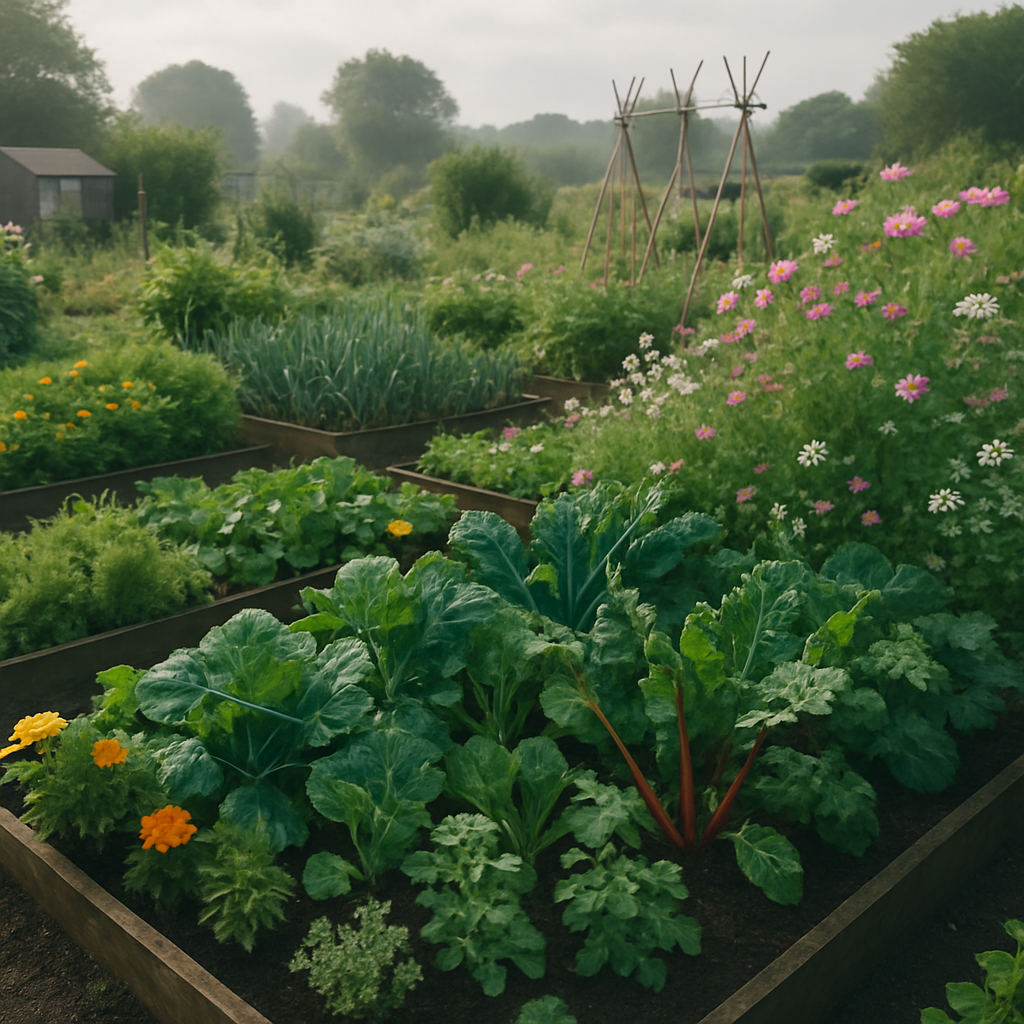
So What Even Is Regenerative Gardening?
Conventional gardening, and especially conventional farming, tends to take from the soil without putting much back. You dig, you plant, you harvest, you maybe chuck some fertiliser down, and you repeat. Over time the soil gets knackered. It loses its structure, its microbes, its ability to hold water. Regenerative gardening does the opposite. It works with the soil ecosystem rather than against it, building organic matter, encouraging microbial life, and sequestering carbon in the ground where it actually belongs. Think of it less like managing a garden and more like collaborating with one.
The term comes from regenerative agriculture, a farming philosophy that’s been gaining serious traction globally and right here in the UK. Organisations like the Soil Association have been championing these principles for years, and their research consistently shows that healthier soil means better yields, more biodiversity, and meaningful carbon capture. That’s a win for your dinner plate and the planet simultaneously.
Why Soil Health Is the Main Character Here
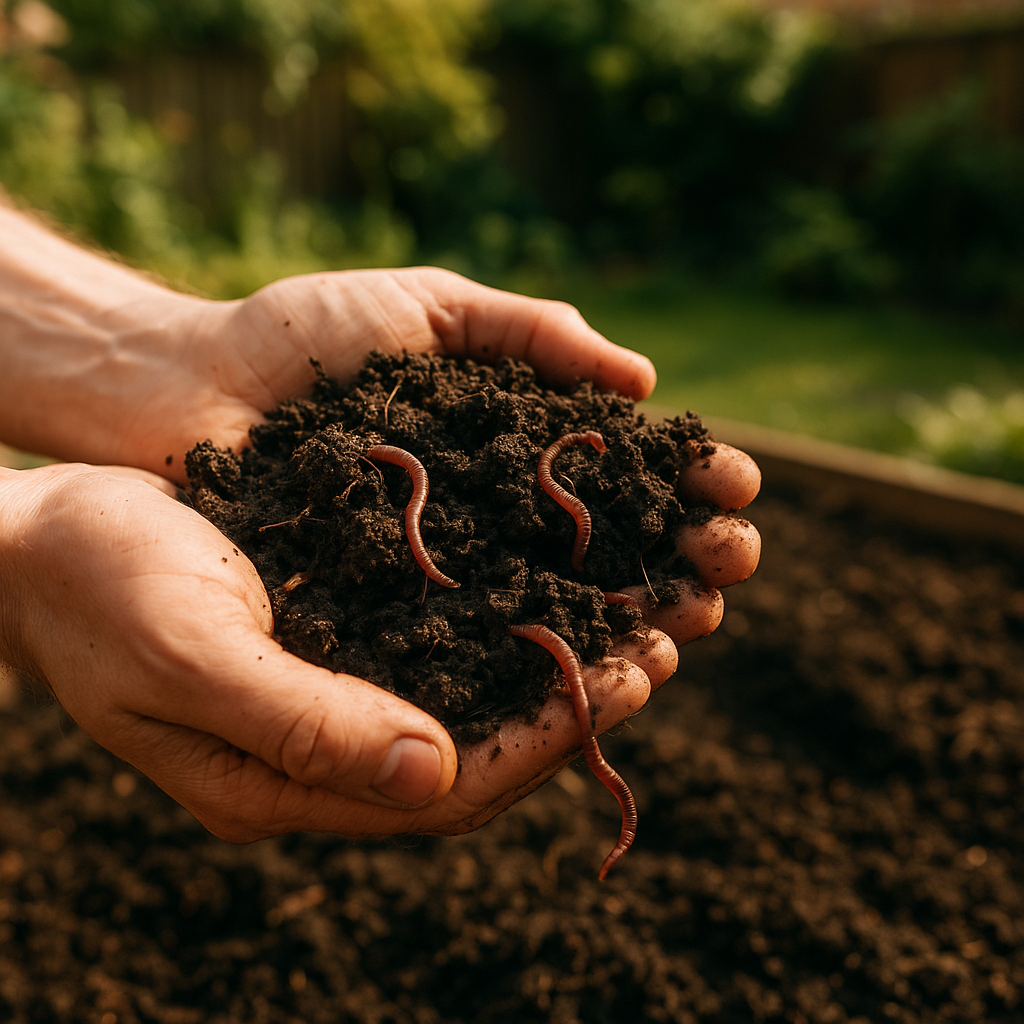
Healthy soil isn’t just dirt. Under a single square metre of good garden soil, you’ve got billions of bacteria, fungi, nematodes, worms, and micro-organisms all doing incredibly complex things. They break down organic matter, release nutrients, create structure, and form relationships with plant roots that are genuinely mind-bending. Mycorrhizal fungi, for instance, extend plant root systems by hundreds of times their natural reach, trading water and minerals for sugars. It’s basically a underground economy running beneath your feet.
When you strip that system back through excessive digging, chemical fertilisers, or leaving soil bare, you lose all of that. Regenerative gardening for beginners starts with one simple commitment: treat the soil like it’s alive, because it is.
The Practical Stuff (The Lazy Way In)
Stop Digging So Much
No-dig gardening is probably the easiest entry point into regenerative practice. Made popular in the UK largely through the work of Charles Dowding, the method involves layering compost on top of existing soil rather than turning it all up. Your soil structure stays intact, weed seeds stay buried, and the microbes keep doing their thing. I’ve spoken to growers in places like Bristol and Sheffield who switched to no-dig a couple of seasons ago and haven’t looked back. Less effort, better results. That’s the vibe.
Compost Everything You Possibly Can
If you’re not composting yet, start now. Kitchen scraps, garden cuttings, cardboard, coffee grounds, autumn leaves. All of it can go into a compost heap and come out as genuinely brilliant soil amendment six to twelve months later. Adding a few centimetres of good home compost to your beds each season feeds the soil ecosystem, improves water retention, and locks carbon into the ground. It’s one of the most effective climate actions an ordinary person can take, and it costs nothing.
Keep the Soil Covered
Bare soil is basically an open wound. It loses moisture, erodes in rain, and bakes in summer heat. Cover it with mulch (straw, wood chip, fallen leaves, grass clippings), grow green manures like clover or phacelia between crops, or let a few self-seeding plants do their thing. Keeping the ground covered year-round is a cornerstone of regenerative gardening and genuinely requires almost zero effort once you get into the habit.
Plant for Diversity
Monocultures are boring and ecologically fragile. Mix things up. Grow flowers alongside vegetables, herbs alongside fruit. Different root depths pull nutrients from different soil layers. Flowers attract pollinators and predatory insects that keep pests in check. Diversity above ground creates diversity below it, and that builds resilience. A bed of mixed veg, nasturtiums, and borage isn’t just prettier than a row of cabbages, it’s a functioning mini-ecosystem.
Let Some of It Go Wild
Not every corner needs to be managed. Leave a patch of nettles (yes, really). Let the grass grow long in places. Stack some logs in a corner for beetle habitat. These small acts of rewilding work beautifully alongside regenerative growing, bringing in the insects, birds, and soil life that make the whole system tick. Your garden becomes part of a larger ecological web rather than a controlled space fighting against nature.
The Carbon Bit (Because It Actually Matters)
There’s a growing body of evidence that well-managed gardens and allotments can act as meaningful carbon sinks. The carbon held in soil organic matter is genuinely significant, and regenerative practices actively build that organic matter over time. The UK has around 24 million gardens covering roughly 433,000 hectares of land, according to figures cited by the Royal Horticultural Society. If even a fraction of those gardens adopted regenerative practices, the collective carbon impact would be substantial. No pressure, but also, actually a bit of pressure.
This isn’t about guilt. Regenerative gardening for beginners is fundamentally about doing something that feels good, produces food, and has a positive knock-on effect that extends way beyond your fence line. Growing a tomato that improved the soil it grew in, fed a pollinator, and sequestered a small amount of carbon is a genuinely different kind of tomato. It tastes the same, but you feel better about it.
Getting Started This Season
You don’t need a massive garden. A few pots, a raised bed, a community allotment plot. Start small, layer some compost, stop digging so aggressively, and throw in some flowers. The soil will respond surprisingly quickly. Within a single season you’ll notice more worms, better moisture retention, fewer pest problems. It builds momentum of its own. And once you start thinking about your little patch as a living system rather than a project to control, the whole thing shifts. It becomes less work and more of a relationship.
That’s the regenerative gardening headspace, really. Less doing, more allowing. Which, let’s be honest, suits most of us just fine.
Frequently Asked Questions
What is regenerative gardening for beginners?
Regenerative gardening for beginners is a set of simple practices that rebuild soil health, increase biodiversity, and reduce your garden’s carbon footprint. It includes things like no-dig growing, composting, mulching, and planting diverse species. The good news is that most of it is less work than conventional gardening, not more.
How is regenerative gardening different from organic gardening?
Organic gardening avoids synthetic chemicals, which is a solid starting point. Regenerative gardening goes further by actively building soil health and ecological function rather than simply avoiding harm. You can be organic without being regenerative, but the two approaches work very well together.
Can I do regenerative gardening in a small UK garden or with containers?
Absolutely. Even a balcony or a couple of raised beds can benefit from regenerative principles. Use peat-free compost, keep soil covered with mulch, grow a diversity of plants, and avoid chemical fertilisers. Small spaces still support soil life and pollinators in meaningful ways.
Does regenerative gardening actually help with climate change?
Yes, in a real if modest way. Healthy soil rich in organic matter stores carbon, and regenerative practices actively build that organic matter over time. Across the UK’s millions of gardens, the collective impact of better soil management could be genuinely significant for carbon sequestration.
What should I do first if I want to try regenerative gardening?
Start with a compost bin and stop digging. Those two changes alone will begin improving your soil health within a season. Add a layer of compost to your beds in autumn or spring, let it sit on the surface, and let the worms do the rest. Keep things simple and build from there.
Leave a Reply