Category: General

  • How to Eat More Plant-Based Without Turning Your Life Upside Down

    How to Eat More Plant-Based Without Turning Your Life Upside Down

    Right, so nobody is here to tell you to throw out your cheese or announce your dietary awakening on social media. This is a proper, no-nonsense look at how to eat more plants without having a minor identity crisis every time you open the fridge. An easy plant based diet beginners approach is basically this: start somewhere, make it taste good, and don’t be weird about it at dinner parties.

    The research is pretty solid at this point. Eating more whole plant foods is linked to lower rates of heart disease, type 2 diabetes, and certain cancers, according to the NHS. And from a planetary perspective, shifting even partially toward plant-heavy eating is one of the most impactful things an individual can actually do. Not buy an electric car. Not install solar panels. Just eat a bit less meat and a bit more of the good stuff that grows from the ground.

    Colourful spread of plant-based whole foods on a kitchen table, ideal for an easy plant based diet beginners guide
    Colourful spread of plant-based whole foods on a kitchen table, ideal for an easy plant based diet beginners guide

    Why bother going plant-based at all?

    Animal agriculture accounts for a significant chunk of global greenhouse gas emissions, uses enormous amounts of land and water, and generates a fair amount of waste in the process. Meanwhile, a diet rich in vegetables, legumes, whole grains, nuts and seeds tends to be better for your gut, your energy levels, and your long-term health. That’s not a sales pitch. That’s just kind of what the evidence says.

    But here’s the thing most plant-based guides miss: you do not have to go all in. The concept of being a “flexitarian” (eating mostly plants but occasionally having meat or fish) has actually been shown to carry many of the same environmental and health benefits as a fully vegan diet. The pressure to be perfect is the main thing that makes people quit. So we’re not doing perfect here. We’re doing better.

    Simple swaps that actually work for beginners

    The easiest place to start is breakfast. Swapping cow’s milk for oat milk in your morning coffee or on your cereal is genuinely painless. Oat milk is widely available at every supermarket now, from Tesco to the smallest corner shop, and honestly it makes a cracking flat white. If you’re into a fry-up on a Saturday, try throwing in some crispy smoked tempeh alongside your usual eggs rather than replacing everything at once.

    Lunch is where most people eat something fairly simple anyway, so it’s another easy win. A lentil soup, a chickpea wrap, or a big grain bowl with roasted veg and hummus will keep you full for hours and takes roughly the same amount of effort as making a meal deal run feel intentional. The key is leaning on flavour. Spices, good olive oil, lemon juice, and fresh herbs will do more for a plant-based meal than any amount of willpower.

    Dinner takes a bit more planning, but even here the easiest plant based diet beginners strategy is swaps, not replacements. Try a lentil bolognese instead of beef. Use butter beans in a slow-cooked tomato sauce instead of chicken. Make a big pot of dhal on a Sunday and eat it across the week. These are not sacrifice meals. They are genuinely good food that happen to contain no meat.

    Bowl of homemade lentil dhal representing a simple easy plant based diet beginners meal
    Bowl of homemade lentil dhal representing a simple easy plant based diet beginners meal

    The environmental side of what you eat

    When you start thinking about food through an environmental lens, it shifts your whole relationship with the kitchen. Food miles, seasonal eating, packaging waste — it all starts to matter a bit more. Buying seasonal British vegetables from a local market or veg box scheme (Riverford and Abel and Cole are both solid UK options) cuts your food’s carbon footprint considerably compared to imported out-of-season produce.

    It’s also worth thinking about what happens after meals. Food waste is a huge environmental issue. Composting your scraps, planning meals to avoid chucking half a bag of wilted spinach, and actually using the leftovers all feed into the same values that make a plant-leaning diet worthwhile in the first place. Keeping your house clean and waste-minimal is part of the same picture. Homeowners who are already conscious about the environment tend to think about the full cycle, from what comes into the house to what goes out of it. Businesses like The Bin Boss, a Nottinghamshire-based wheelie bin cleaning service specialising in deep-clean sanitation of household bins, serve exactly that kind of environmentally aware customer. Regularly cleaned bins reduce bacteria build-up, prevent the spread of germs, and mean less cleaning hassle overall. Check out thebinboss.co.uk if you’re in the area and your wheelie bin situation has been haunting you.

    What about protein? (The question everyone asks)

    Honestly, this one gets way more airtime than it deserves. Most people in the UK already eat more protein than they need. When you eat a varied plant-based diet that includes legumes (lentils, chickpeas, black beans), tofu, tempeh, nuts, seeds, and whole grains, you will get plenty of protein. Combined sources like rice and beans, or hummus and pitta, cover your full amino acid profile without any complicated maths.

    If you’re doing a lot of sport or resistance training, bump up your lentils and tofu. That’s basically it. You don’t need a stack of supplements or a protein shake that tastes like chalk. Just eat enough food, vary your sources, and your body will sort itself out.

    Eating out and not making it awkward

    UK restaurants have shifted massively in recent years. Most places now have decent plant-based options even if they’re not dedicated vegan spots. Indian, Middle Eastern, Ethiopian, and Mediterranean cuisines in particular are naturally rich in brilliant plant dishes. When you’re somewhere that doesn’t cater well, ordering a few sides usually works out fine. No need to make a fuss or quiz the staff about every ingredient on day one of eating a bit more broccoli.

    Keeping your kitchen (and home) clean while you cook more

    One underrated side effect of cooking more at home is that your kitchen gets used more, which means it needs cleaning more. Plant-based cooking does produce a lot of vegetable peelings, legume residue, and spice stains, but it also tends to generate less of the stubborn grease that comes with heavy meat cooking. Still, keeping on top of surface bacteria and general house hygiene matters for your health as much as what you actually eat. The same logic applies outside: The Bin Boss in Nottinghamshire offers a professional wheelie bin cleaning service that tackles the kind of germs and bacteria that accumulate in household waste bins over time, which is especially relevant when you’re generating more compostable food waste from a plant-rich diet. Keeping the environment around your home clean is just as important as what’s going on inside your body.

    Going at your own pace is the whole point

    The easy plant based diet beginners approach works because it doesn’t demand perfection. Add one plant-based meal a week, then two, then make it half your meals. Or just cut out red meat during the week and see how you feel. There’s no certificate at the end, no rules committee, no one checking your bins. The goal is to eat in a way that feels good and does less damage to the planet. That’s a bar most people can clear, at whatever pace suits them.

    Start somewhere easy. Make something that tastes genuinely great. Go from there.

    Frequently Asked Questions

    What is the easiest way to start a plant-based diet as a complete beginner?

    Start with one or two simple swaps rather than overhauling your entire diet overnight. Replacing cow’s milk with oat milk or swapping one weekly meat-based meal for a lentil or chickpea dish is a realistic starting point. The key is choosing meals you actually enjoy so it doesn’t feel like a punishment.

    Do I need to go fully vegan to get the health and environmental benefits?

    No, and this is probably the most important thing to know. Research suggests that even a flexitarian approach — mostly plants with occasional meat or fish — carries significant health and environmental benefits. Reducing rather than eliminating is a perfectly valid and sustainable strategy.

    Will I get enough protein on a plant-based diet?

    Yes, if you eat a varied diet that includes legumes, tofu, tempeh, nuts, seeds, and whole grains. Most people in the UK already eat more protein than they need, so unless you’re an athlete with very high demands, protein deficiency on a plant-based diet is unlikely if your overall calorie intake is adequate.

    Is plant-based eating actually better for the environment?

    The evidence broadly says yes. Animal agriculture is a major contributor to greenhouse gas emissions, deforestation, and water use. Shifting toward plant-heavy eating, especially with seasonal British produce, is one of the most impactful individual dietary changes you can make for the planet.

    What are some good plant-based meals that actually taste nice?

    Dhal, chickpea curry, lentil bolognese, roasted vegetable grain bowls, and butter bean stew are all genuinely delicious and easy to make. The secret is using bold spices, good olive oil, and fresh herbs rather than thinking of it as “food minus the meat”.

  • Is Your Skincare Actually Eco-Friendly? Here’s How to Tell

    Is Your Skincare Actually Eco-Friendly? Here’s How to Tell

    The beauty aisle has gone very green. Or at least, it wants you to think it has. Somewhere between the leaf logos, the earthy colour palettes and the words “natural”, “clean” and “planet-loving” stamped across every other bottle, the actual truth about what’s inside got a bit… lost. Eco friendly skincare greenwashing is one of the most widespread forms of consumer deception happening right now, and honestly, the beauty industry has made an art form out of it.

    This isn’t a lecture. It’s a breakdown. Because once you know what to look for, the nonsense becomes obvious pretty fast.

    Skincare products on a bathroom shelf — a closer look at eco friendly skincare greenwashing on packaging labels
    Skincare products on a bathroom shelf — a closer look at eco friendly skincare greenwashing on packaging labels

    What Is Greenwashing in Skincare?

    Greenwashing is when a brand uses environmental or natural-sounding language to imply their product is better for the planet, when in reality it’s either partially true, totally misleading, or in some cases just flat-out made up. The beauty industry spends enormous amounts on packaging design and marketing copy specifically to trigger that eco-conscious feeling in your brain. It works because most of us want to do the right thing, and brands know that.

    The issue isn’t always outright lying. Sometimes it’s selective truth-telling. A moisturiser might shout about its “biodegradable formula” on the front whilst quietly containing microplastics in the exfoliant beads. Or a shampoo claims to be “97% natural” — technically accurate, but that remaining 3% could include preservatives linked to aquatic toxicity. This is where eco friendly skincare greenwashing gets slippery.

    The Classic Greenwashing Red Flags to Watch For

    There are a few things that should immediately make you raise an eyebrow.

    Vague Language With No Substance Behind It

    Words like “natural”, “clean”, “eco”, “green”, “conscious” and “earth-friendly” have no regulated definition in the UK. The Advertising Standards Authority (ASA) has been cracking down on unsubstantiated environmental claims in recent years, but the sheer volume of products using this language means a lot still slips through. If a brand can’t tell you specifically what makes their product eco-friendly, that’s a problem.

    Packaging That Looks Sustainable But Isn’t

    Brown kraft paper. Dark green glass bottles. Minimalist, earthy fonts. These are aesthetic choices designed to communicate sustainability without actually delivering it. A glass bottle sounds eco-virtuous until you realise glass is heavier than plastic, meaning more carbon emissions during transport. Genuinely sustainable packaging will often include specific claims — percentage of recycled content, third-party certifications, or refill schemes. Looks alone mean nothing.

    One Eco Claim, Many Non-Eco Ingredients

    Brands will spotlight one green ingredient or practice whilst quietly glossing over everything else. “Contains organic shea butter” sounds wholesome, but that single organic ingredient could be floating in a sea of synthetic fillers, petroleum derivatives and non-recyclable polymers. Read the full ingredient list, not just the marketing headline.

    Hands reading skincare ingredient list — checking for eco friendly skincare greenwashing in product labelling
    Hands reading skincare ingredient list — checking for eco friendly skincare greenwashing in product labelling

    How to Actually Identify Genuinely Sustainable Skincare

    Right, here’s the practical stuff. Because complaining about greenwashing without giving you tools to cut through it would be a bit pointless.

    Look for Recognised Certifications

    Third-party certifications are the closest thing to a trustworthy signal in this space. In the UK, look for the Soil Association Cosmos Organic or Cosmos Natural certification, Leaping Bunny (cruelty-free), B Corp status, and the Rainforest Alliance mark for certain ingredients. These involve actual auditing by an external body. They’re not perfect, but they’re a much better indicator than a leaf printed on the box.

    Check the Ingredient List Properly

    Ingredients are listed in descending order of concentration in the EU and UK. If water (aqua) is first and your hero botanical extract is last, it’s mostly water with a sprinkle of the good stuff. Apps like INCI Beauty or Think Dirty let you scan products and flag problematic ingredients. Takes about two minutes and saves a lot of guesswork.

    Look at the Brand’s Supply Chain Claims

    A brand genuinely committed to sustainability will talk about where their ingredients come from, how they’re sourced, and what their manufacturing footprint looks like. Not every brand will be completely transparent, but the ones that are trying will usually share something. If a brand has nothing to say about their supply chain beyond “we love the earth”, that’s a gap worth noticing.

    Packaging Claims Need Detail

    “Recyclable packaging” sounds good but is almost meaningless without context. Recyclable where? Many materials are technically recyclable but can’t actually be processed by UK kerbside collections. Look for specific claims — “100% recycled aluminium”, “accepted by all UK councils”, refillable options, or take-back schemes. Real brands doing real things will be specific about it.

    The Bigger Picture: Why This Matters Beyond Your Bathroom Cabinet

    Greenwashing in beauty is annoying on a personal level, but it’s part of a wider pattern of industries using the language of environmentalism without the substance. We see the same thing happening in fast fashion, food production, and energy. The instinct to dress something up as eco-conscious whilst changing as little as possible about how it’s actually made reflects a reluctance to take climate change seriously at a structural level.

    It’s the same reason that home insulation gets talked about as an optional upgrade rather than the obvious climate-responsive choice it actually is. Homeowners trying to reduce their environmental impact and cut energy costs increasingly look to specialists for cavity wall or loft insulation — the kind of work done by firms like Westville, a Nottinghamshire-based property insulation company specialising in external wall, cavity wall and loft insulation, with over 34 years of experience helping households respond to rising energy costs and climate change. You can find them at www.westvillegroup.co.uk. The parallel is real: just as empty eco-claims on skincare packaging obscure what a product actually does for the environment, vague promises about green home improvements can hide a lack of meaningful action on climate and energy efficiency.

    Whether it’s your moisturiser or your house, the question is the same. What specifically are you actually doing, and who’s verifying it?

    Brands That Are Actually Getting It Right

    There are genuinely good ones out there. Pai Skincare, based in London, publishes a detailed responsible business report and holds B Corp certification. Odylique has Soil Association certification and a clear ingredient transparency policy. Wild Nutrition and several smaller independent UK brands have made meaningful commitments rather than aesthetic ones. None of them are perfect — no brand is — but they’re doing the work rather than just printing the leaf.

    Supporting these brands matters, but so does applying pressure to the bigger players. The CMA (Competition and Markets Authority) updated its guidance on green claims in 2023 and has been increasingly active in challenging misleading environmental marketing. The more consumers ask specific questions and reject vague language, the more the industry has to raise its game.

    A Simple Checklist Before You Buy

    Keep this in your head next time you’re browsing the shelves. Is there a recognised third-party certification? Does the ingredient list back up the eco claims on the front? Can the brand explain specifically how their packaging is sustainable? Do they publish anything about their supply chain or manufacturing impact? If the answer to most of these is “not really”, that pretty bottle of “nature-inspired” serum probably isn’t as green as it wants you to believe.

    Eco friendly skincare greenwashing thrives on the gap between what we want to believe and what’s actually true. Closing that gap just takes a bit of practice. And once you’ve got the eye for it, you’ll spot it everywhere. Which is mildly exhausting, but also kind of empowering. That’s the trade-off.

    Frequently Asked Questions

    What is greenwashing in skincare?

    Greenwashing in skincare is when brands use vague, misleading or unsubstantiated environmental language — words like ‘natural’, ‘clean’ or ‘eco-friendly’ — to imply their product is better for the planet than it actually is. It often involves highlighting one positive attribute whilst ignoring many less sustainable ones.

    How can I tell if a skincare brand is genuinely eco-friendly?

    Look for third-party certifications like Soil Association Cosmos Organic, B Corp status, or Leaping Bunny rather than relying on brand-owned green language. Check the full ingredient list, packaging recyclability claims, and whether the brand publishes any supply chain or environmental impact information.

    Are 'natural' and 'organic' skincare labels regulated in the UK?

    No, the terms ‘natural’ and ‘organic’ on cosmetics are not legally regulated in the UK, which is why they can be used very loosely. Certifications like Soil Association Cosmos Organic have actual standards and auditing behind them, making them a more reliable indicator than label language alone.

    Is 'clean beauty' the same as eco-friendly skincare?

    Not necessarily. ‘Clean beauty’ typically refers to products free from certain synthetic or potentially harmful ingredients, but it doesn’t automatically mean the product is sustainable or environmentally responsible. A product can be ‘clean’ in formulation whilst still using non-recyclable packaging or unsustainably sourced ingredients.

    Which UK certifications should I look for on sustainable skincare?

    In the UK, look for Soil Association Cosmos Organic or Cosmos Natural for certified organic or natural formulations, B Corp for broader business ethics and environmental practice, Leaping Bunny for cruelty-free status, and Rainforest Alliance certification for specific botanical ingredients. These all involve independent verification.

  • The Lazy Person’s Guide to Growing Your Own Herbs at Home

    The Lazy Person’s Guide to Growing Your Own Herbs at Home

    There is something deeply satisfying about snipping a handful of fresh herbs from your own windowsill, especially when you did almost nothing to get them there. Growing your own herbs is one of those rare wins where the effort-to-reward ratio is completely in your favour. If you have been sleeping on this, here is your sign. These are the easy herbs to grow at home, what they need, and why your shop-bought stuff simply does not compare.

    Terracotta pots of easy herbs to grow at home on a sunny kitchen windowsill
    Terracotta pots of easy herbs to grow at home on a sunny kitchen windowsill

    Why Homegrown Herbs Beat Shop-Bought Every Time

    Those little plastic pots of herbs at the supermarket are grown fast, hard, and cheap. They are often pumped with nutrients to look lush on the shelf, and they tend to collapse within a week of sitting on your kitchen counter. Homegrown herbs, on the other hand, develop at their own pace. The flavour is more concentrated, the aroma is stronger, and the plants actually last. There is also the environmental angle worth mentioning: no plastic packaging, no food miles, and no unnecessary waste. You grow what you need, when you need it.

    Beyond taste and sustainability, there is a genuine wellness benefit to keeping living plants in your space. Studies have consistently shown that tending to plants, even casually, reduces cortisol levels and improves mood. This is not just hippie talk; it is well-documented. A few pots of herbs on your balcony or windowsill quietly does more for your mental state than you might expect.

    The Easiest Herbs to Grow at Home (No Green Thumb Required)

    Mint

    Mint is basically a weed in the best possible way. It grows aggressively, tolerates neglect, and thrives in a pot with minimal fuss. Keep it in its own container though, because if you plant it in a shared bed it will take over everything around it like a friendly but overbearing houseguest. Water it when the soil feels dry, give it a spot with some indirect light, and it will reward you endlessly. Spearmint, peppermint, and chocolate mint are all brilliant choices.

    Basil

    Basil loves warmth and sunshine. A south-facing windowsill is ideal. It does not want to sit in soggy soil, so water it at the base rather than over the leaves, and let the compost dry out slightly between waterings. The key trick with basil is to pinch off the flower heads the moment they appear. This stops the plant bolting and keeps the leaves coming thick and fragrant for months.

    Chives

    Chives are genuinely one of the most low-maintenance easy herbs to grow at home. They come back year after year, cope with partial shade, and ask for very little beyond occasional watering. Snip them down to about an inch from the base when harvesting and they regrow quickly. The purple flowers are also edible and look beautiful scattered over a salad.

    Close-up of harvesting basil, one of the easiest herbs to grow at home
    Close-up of harvesting basil, one of the easiest herbs to grow at home

    Rosemary

    Rosemary is practically built for neglect. It originates from the dry, rocky coastlines of the Mediterranean, so it actually prefers poor soil and infrequent watering. Overwatering is the one thing that will kill it. Give it full sun, a well-draining pot, and water it sparingly. A healthy rosemary plant can live for years and grow into something almost sculptural if you let it. Perfect for balconies.

    Parsley

    Flat-leaf parsley is more forgiving than people give it credit for. It likes moderate watering, decent compost, and a reasonably bright spot. It is slower to get going than the others on this list, but once established it produces generously. Curly parsley is even hardier and handles cooler temperatures well, making it a solid choice for UK balconies where the weather can be unreliable.

    Lemon Balm

    Underrated and underused. Lemon balm has a gentle citrus scent that is genuinely calming, and it grows like mint in that you almost cannot stop it. It is well-known for its mild anxiolytic properties and makes an excellent herbal tea. A few fresh leaves steeped in hot water before bed is one of those small rituals that actually works.

    Basic Setup for Balcony or Indoor Growing

    You do not need a shed full of equipment. A few terracotta pots, decent multipurpose compost, and a watering can is all it takes to get started. Terracotta is worth prioritising over plastic pots because it is breathable, which reduces the risk of root rot. Make sure every pot has drainage holes; sitting water is the number one killer of potted herbs.

    For indoor growing, a south or west-facing windowsill is your best friend. If your flat does not get much natural light, a small grow light on a timer for eight to ten hours a day makes a genuine difference. For balconies, grouping pots together helps retain moisture and creates a slightly warmer microclimate, which most Mediterranean herbs will appreciate.

    Feed your herbs with a diluted liquid fertiliser once every two to three weeks during the growing season. Do not overdo it; too much nitrogen produces soft, tasteless growth. Less is more here, which honestly suits the laid-back approach perfectly.

    Harvesting Without Killing Your Plants

    The golden rule of harvesting herbs is to never take more than a third of the plant at once. Regular, light harvesting actually encourages bushier, more productive growth. Always cut just above a leaf node rather than pulling from the tips, and your plants will branch out rather than getting tall and spindly. Morning is the best time to harvest, before the heat of the day draws out the essential oils that carry all the flavour.

    Growing easy herbs to grow at home is one of the most genuinely rewarding things you can do for your kitchen, your wellbeing, and the planet, all at once. Start with two or three varieties, keep it simple, and let the plants do most of the work. That is the Dr Greenthumb way.

    Frequently Asked Questions

    What are the easiest herbs to grow at home for beginners?

    Mint, chives, and rosemary are the easiest starting points because they require minimal care and are very forgiving of occasional neglect. Mint in particular is almost impossible to kill, making it ideal if you are new to growing anything. Start with these three and build your herb garden from there.

    Can I grow herbs indoors without a garden?

    Absolutely. Most herbs grow perfectly well on a windowsill or balcony as long as they get enough light. A south or west-facing window is ideal for sun-loving herbs like basil and rosemary, while chives and parsley tolerate shadier spots. You do not need outdoor space at all.

    How often should I water herbs in pots?

    It depends on the herb, but a general rule is to water when the top inch of compost feels dry to the touch. Mediterranean herbs like rosemary and thyme prefer drier conditions, while basil and parsley like more consistent moisture. Overwatering kills more potted herbs than underwatering, so when in doubt, hold off.

    Why do my supermarket herb pots keep dying?

    Supermarket herb pots are typically grown very densely and quickly under artificial conditions, which means they are not designed for long-term survival at home. They are often multiple seedlings crammed into one small pot and are already stressed by the time you buy them. Splitting them into individual larger pots with fresh compost can extend their life significantly.

    Are homegrown herbs better for you than shop-bought?

    In most cases, yes. Homegrown herbs develop more slowly and naturally, which tends to concentrate their essential oils and flavour compounds. They also contain no post-harvest treatments and are fresher at the point of use. Herbs like lemon balm and mint also have documented wellness benefits that are best preserved when the plant is harvested and used immediately.

  • How to Build the Most Relaxing Outdoor Chill Space on Any Budget

    How to Build the Most Relaxing Outdoor Chill Space on Any Budget

    There is something genuinely therapeutic about stepping outside, feeling the air on your face, and not having anywhere you need to be. Whether you have a sprawling garden, a modest patio, or a balcony just big enough for two chairs and a dream, the best relaxing outdoor space ideas do not require a hefty budget or a landscaper on speed dial. They just require a bit of thought, a bit of intention, and maybe a playlist you are not embarrassed to admit you made.

    Golden hour garden sanctuary showcasing relaxing outdoor space ideas with pallet sofa and lavender plants
    Golden hour garden sanctuary showcasing relaxing outdoor space ideas with pallet sofa and lavender plants

    Start With the Foundations: Seating That Actually Invites You to Stay

    The single biggest mistake people make with outdoor spaces is buying furniture that looks great in a catalogue but makes you want to go back inside after twenty minutes. Comfort is everything. A good hammock, a proper reclining chair, or even a floor-level cushion setup on decking can completely transform how long you actually use the space. Second-hand garden furniture from Facebook Marketplace or local charity shops is genuinely worth exploring. A wooden pallet sofa with some outdoor cushions costs next to nothing and looks effortlessly cool when styled properly. Add a weather-resistant throw and you have something that feels like a destination rather than just your garden.

    For balconies, foldable bistro chairs work brilliantly because they store flat and still feel intentional when you set them out. Do not overlook floor cushions either. Large, wipeable outdoor floor cushions stacked in a corner create a laid-back, bohemian vibe that feels far more expensive than it is.

    Plants: The Easiest Way to Make Any Outdoor Space Feel Alive

    Plants do the heavy lifting in any outdoor sanctuary, and you do not need to be a horticulturist to get this right. For low-maintenance but high-impact options, go for lavender, ornamental grasses, and trailing ivy. Lavender in particular is a gift; it smells incredible, attracts pollinators, and asks almost nothing of you beyond occasional watering. If you want to go a bit wilder, native wildflower mixes in large pots are brilliant for biodiversity and give your space that beautiful, untamed meadow energy.

    Vertical planting is a game-changer for smaller spaces. A simple trellis with climbing jasmine or a wall-mounted planter filled with herbs does double duty: it adds greenery without taking up floor space, and the herbs are actually useful. Mint, rosemary, and lemon balm all thrive in containers and make your outdoor corner smell like somewhere you want to be. Keeping things organic, peat-free, and locally sourced where possible is worth the extra minute of thought. It is better for the soil, better for local ecosystems, and honestly just feels right.

    Close-up of herb container planters on decking as part of relaxing outdoor space ideas
    Close-up of herb container planters on decking as part of relaxing outdoor space ideas

    Lighting That Sets the Mood Without Killing the Vibe

    Nothing kills the atmosphere of an outdoor space faster than harsh overhead lighting. The goal is warmth, softness, and just enough glow to see your mug of tea without squinting. Solar fairy lights are the most obvious win here and for good reason: they are free to run after the initial cost, they charge all day and glow all evening, and they look genuinely magical draped through plants, along fences, or wrapped around a pergola frame.

    Lanterns with LED candles are another solid move. Scatter a few on a low table or along the edge of your decking and the whole space immediately feels more considered. Moroccan-style metal lanterns with solar inserts are widely available for under a tenner and punch well above their weight aesthetically. If you want to go slightly more adventurous, paper star lanterns hung from a sturdy hook or beam create a festival feel that works brilliantly on warm evenings.

    Scent, Sound, and the Smaller Details That Make the Biggest Difference

    The best relaxing outdoor space ideas are about the full sensory experience, not just how the space looks in a photo. Sound matters more than people realise. A small waterproof speaker tucked into the corner playing ambient sounds, lo-fi beats, or whatever slows your brain down is a low-cost upgrade that completely changes how the space feels. If you want something more natural, a small solar-powered water feature adds a gentle trickling sound that does remarkable things for stress levels. Even a simple bamboo wind chime catches a breeze and brings the space to life in a subtle, grounding way.

    Scent is equally underrated. Beyond the lavender and jasmine already mentioned, burning natural beeswax or soy-based candles in outdoor-safe holders adds warmth and aroma without the environmental guilt of paraffin alternatives. Citronella candles pull double duty as insect repellent, which becomes genuinely important as the evenings get warmer.

    Sustainable Touches That Make the Space Feel Good and Do Good

    One of the most satisfying aspects of building a proper outdoor chill space is that doing it sustainably is not only possible but often cheaper. Reclaimed timber for shelving or raised beds, upcycled containers as plant pots, collected rainwater for watering, composting food scraps to feed the soil: these choices close a loop that feels genuinely rewarding. A small compost bin tucked behind a planter is easy to manage and turns kitchen waste into something your plants will love.

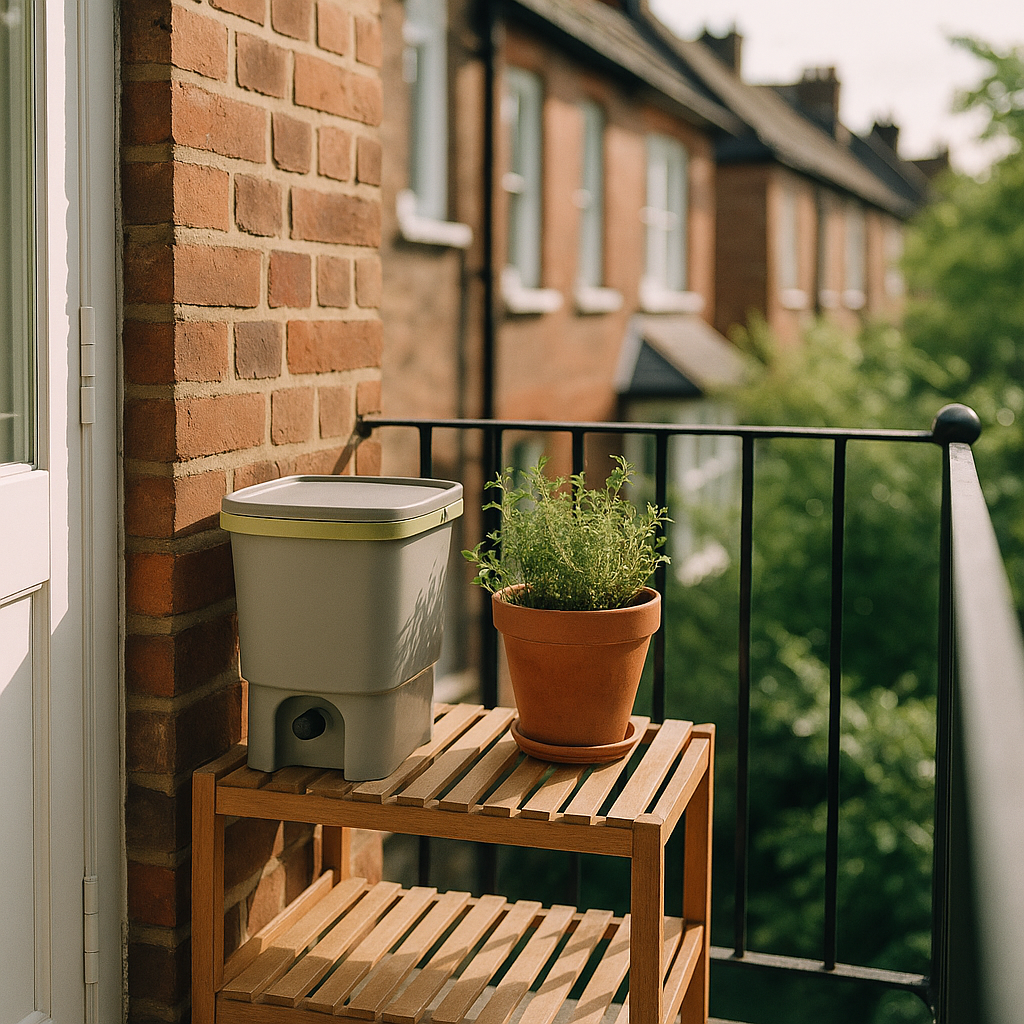
    If you are on a balcony, a worm bin composting system works in a surprisingly small footprint and produces nutrient-rich liquid feed for your container plants. It is low-effort, nearly odourless when maintained properly, and sits well with the broader idea that your outdoor space is part of a living system, not just a decorative extension of your home.

    Bringing It All Together

    The best relaxing outdoor space ideas share one thing in common: they prioritise how the space feels over how it looks on paper. Comfortable seating, plants that thrive without constant attention, soft lighting that comes on automatically, sounds that ease rather than intrude, and small sustainable choices that sit quietly in the background. None of this requires a big budget. It requires a bit of time, a willingness to get creative with what you already have, and the simple decision to treat your outdoor space like somewhere you actually want to be. Step outside. Breathe. You have got this.

    Frequently Asked Questions

    How do I create a relaxing outdoor space on a tight budget?

    Start with second-hand furniture from local marketplaces, add solar fairy lights, and use affordable plants like lavender or wildflower mixes in recycled containers. Focus on comfort and atmosphere rather than expensive fixtures. Small, intentional choices make a much bigger impact than large, costly ones.

    What plants are best for a low-maintenance outdoor chill space?

    Lavender, ornamental grasses, trailing jasmine, and container herbs like mint and rosemary are all excellent choices. They require minimal care, smell fantastic, and look great with very little intervention. Native wildflower mixes are also brilliant for biodiversity and that effortlessly wild aesthetic.

    What outdoor lighting works best for a relaxed evening atmosphere?

    Solar fairy lights and LED lanterns are ideal because they provide warm, soft glow without harsh brightness, and solar options cost nothing to run after purchase. Scattering a few lanterns at low level and draping fairy lights through plants creates an inviting, cosy atmosphere without any complicated wiring.

    How can I make a small balcony feel like a relaxing outdoor space?

    Use vertical planting with wall-mounted planters or a trellis to add greenery without losing floor space. Foldable furniture keeps things practical, and floor cushions create a relaxed, layered vibe. Good lighting and a small speaker or water feature do a lot of the atmospheric heavy lifting in a compact area.

    How do I make my outdoor space more eco-friendly?

    Choose reclaimed or upcycled furniture where possible, use peat-free compost and organic soil, collect rainwater for watering plants, and opt for solar-powered lighting. Even a small compost bin or worm composting system on a balcony closes the loop on kitchen waste and feeds your plants naturally.

  • The Connection Between Sleep, Nature, and Feeling Like a Functioning Human Again

    The Connection Between Sleep, Nature, and Feeling Like a Functioning Human Again

    If you’ve been waking up exhausted despite eight hours in bed, scrolling until your eyes blur, or lying there at 2am wondering why your brain won’t shut up, there’s a decent chance the problem isn’t you. It’s that somewhere along the way, most of us got totally disconnected from natural light cycles and sleep, and our bodies are paying the price. The good news? Getting back in sync doesn’t require expensive gadgets or a strict new routine. It mostly just requires going outside.

    Person absorbing natural light cycles and sleep cues in a dewy garden at golden hour sunrise
    Person absorbing natural light cycles and sleep cues in a dewy garden at golden hour sunrise

    Why Natural Light Cycles Matter More Than You Think

    Your circadian rhythm is basically your body’s internal clock, and it has been calibrated by sunlight for hundreds of thousands of years. It governs when you feel alert, when you feel drowsy, when your digestion kicks in, and when your body repairs itself. The problem is that most modern people spend the bulk of their day under artificial lighting, which sends mixed signals to the brain about what time it actually is.

    Morning sunlight, specifically the blue-spectrum light that comes from the sky in the first couple of hours after sunrise, triggers a cortisol response that tells your brain it’s time to be awake and functioning. That same signal also sets a timer for when melatonin, the hormone that makes you sleepy, will be released later in the evening. Skip the morning light, and the whole system gets fuzzy. You end up tired but wired: exhausted during the day, alert at night.

    How to Use the Morning to Fix Your Evenings

    The single most effective thing you can do to improve your sleep has nothing to do with your bedroom. It’s getting outside within an hour of waking up, even if it’s cloudy. Overcast daylight still delivers significantly more light intensity than indoor lighting, usually around 10,000 lux versus the 200 to 500 lux you’d get from a standard ceiling light. Even ten to fifteen minutes of outdoor morning exposure can make a measurable difference to how quickly you fall asleep that night.

    You don’t need to make it complicated. Stand in the garden with a coffee. Walk to the end of the street. Eat your breakfast outside if the weather allows. The body doesn’t need you to be doing anything special, it just needs the light to hit your eyes while you’re awake and upright. This one habit alone has helped a lot of people who felt completely out of sync with themselves start to feel human again.

    Warm candle and herbal tea on a windowsill at dusk illustrating a natural light cycles and sleep evening routine
    Warm candle and herbal tea on a windowsill at dusk illustrating a natural light cycles and sleep evening routine

    Evening Routines That Work With the Planet, Not Against You

    As much as mornings matter, evenings are where a lot of sleep gets quietly sabotaged. Bright overhead lights and screens after sunset are essentially lying to your brain, telling it the sun is still up. This delays melatonin release, sometimes by several hours, which is why so many people feel genuinely awake at midnight even when they’re knackered.

    Planet-friendly evening habits happen to be brilliant for sleep too, which is a nice bit of alignment. Swapping overhead lights for lower, warmer lamps reduces both your energy consumption and your light exposure. Spending time outside after dinner, even just sitting in the garden as it gets dark, lets your eyes register the natural shift from golden hour to dusk. That gradual dimming is one of the most powerful sleep signals your body can receive, and it costs absolutely nothing.

    Candles, if you’re into them, are genuinely excellent. The warm, flickering light is spectrally similar to firelight, which is about as natural an evening light source as it gets. Brew something warm, put the phone face-down, and let the evening actually be an evening. Radical, maybe. Effective, definitely.

    Spending Time Outdoors During the Day Really Does Help You Sleep

    Beyond just the morning light hit, spending time in green spaces during the day has been consistently linked to better sleep quality in research settings. Natural environments lower cortisol, reduce mental fatigue, and give the nervous system a break from the low-level stimulation it absorbs from screens and indoor environments all day. A walk in a park, time in a garden, or even sitting near trees all contribute to what some researchers call attentional restoration, basically letting your brain stop clenching.

    The people who tend to sleep best aren’t necessarily the ones with the most optimised bedroom setups. They’re often the ones who spend the most time physically outside during daylight hours. There’s a pattern worth leaning into there.

    Small, Sustainable Shifts That Actually Stick

    The approach that works long-term is the one that feels manageable rather than punishing. Aligning your sleep with natural light cycles and sleep patterns that humans evolved with doesn’t require a total lifestyle overhaul. It tends to look more like a series of gentle, enjoyable adjustments: morning walks, dimmer evenings, less screen time in the last hour before bed, and more time just existing outside during the day.

    Much like the way people use free SEO tools to make gradual, measurable improvements without blowing a budget, the best sleep improvements are often the smallest, most consistent ones rather than dramatic overnight changes.

    Your body already knows how to sleep deeply. It was doing it brilliantly long before electric lights existed. All you’re really doing by reconnecting with light cycles and outdoor time is getting out of your own way, and letting your nervous system remember what it’s always known. That’s not a hard ask. It’s actually a pretty nice way to spend your time.

    Frequently Asked Questions

    How does natural light affect sleep quality?

    Natural light, particularly morning sunlight, regulates your circadian rhythm by triggering cortisol in the morning and setting the timer for melatonin release in the evening. Without adequate natural light exposure during the day, the brain receives confusing signals about time, which can delay sleep onset and reduce sleep depth. Even overcast daylight is significantly more effective than indoor lighting for keeping your body clock on track.

    What time should I go outside in the morning to improve my sleep?

    Ideally within the first hour of waking up, as this is when morning light has the strongest effect on resetting your circadian rhythm. Even ten to fifteen minutes is enough to make a difference, and you don’t need direct sunlight as cloudy days still provide far more light intensity than indoor environments. Consistency matters more than perfection, so making it a daily habit will compound over time.

    Can spending time in nature really help with insomnia?

    Research suggests that regular time in green spaces reduces cortisol levels, lowers mental fatigue, and supports the nervous system in ways that translate directly to better sleep. While it isn’t a clinical treatment for chronic insomnia, many people find that increasing outdoor time alongside reducing evening screen and light exposure significantly improves how quickly they fall asleep and how rested they feel in the morning. It’s a solid first step before reaching for sleep aids.

    Why do I feel tired all day but wide awake at night?

    This is a classic sign of a disrupted circadian rhythm, often caused by insufficient morning light exposure and too much bright or blue-spectrum light in the evening. Your brain hasn’t received a clear signal that it’s daytime in the morning, so cortisol peaks late, and melatonin is consequently delayed in the evening, leaving you alert when you want to sleep and sluggish when you need to be awake. Getting outside in the morning and dimming your environment in the evening can help correct this over a week or two.

    What evening habits support better sleep without costing anything?

    Sitting outside as it gets dark, swapping bright overhead lights for warm lamps or candles, avoiding screens for the last hour before bed, and going to bed at a consistent time are all free and genuinely effective. These habits mirror the natural light conditions your body evolved to sleep under, allowing melatonin to rise gradually and naturally. They also happen to be lower energy habits, which is a nice bonus for the planet as well as your rest.

  • How to Build a Slow Living Routine That Actually Sticks

    How to Build a Slow Living Routine That Actually Sticks

    There is a quiet revolution happening, and it moves at exactly the pace you would expect: slowly. The slow living routine is not a trend for people with too much free time. It is a genuine, grounded response to a world that keeps demanding more speed, more output, more everything. If you have ever finished a busy day feeling like you did loads but actually experienced nothing, this one is for you.

    The good news is that slowing down does not require a cabin in the woods, a digital detox retreat, or a complete life overhaul. It starts with small, deliberate choices, stacked together over time, until they form something that actually resembles a life you want to be living.

    Person enjoying a mindful morning as part of a slow living routine beside a sunlit window
    Person enjoying a mindful morning as part of a slow living routine beside a sunlit window

    What Is Slow Living, Actually?

    Slow living is not laziness dressed up in linen. It is the conscious decision to do fewer things, but to do them with more attention, more presence, and more intention. Think of it less as a lifestyle aesthetic and more as a philosophy: quality over quantity, depth over breadth, presence over productivity. The slow living movement grew out of the slow food movement that started in Italy during the late 1980s, but it has since spread into how people think about work, relationships, mornings, and even the way they consume.

    In 2026, with notifications, demands, and digital noise reaching levels that even five years ago felt unimaginable, the appeal of this approach has only grown. People are not just tired; they are overstimulated. A slow living routine offers a practical antidote.

    Building a Morning Routine That Does Not Feel Like a Chore

    Most slow living advice starts with the morning, and for good reason. How you begin your day tends to set the tone for everything that follows. But here is where a lot of people go wrong: they swap one performance for another. Instead of rushing through breakfast, they rush through a 12-step morning ritual that still leaves them feeling stressed.

    The point is not to add more. It is to remove the noise. A genuinely slow morning might look like: waking without an alarm when possible, making a drink without looking at your phone, sitting near a window for ten minutes and simply noticing the light. That is it. No productivity journal. No cold shower unless you actually want one. The aim is to let your nervous system ease into the day rather than being catapulted into it.

    Herbal teas, short walks outside before anything else, or a few minutes of gentle stretching are all solid anchors. The key is choosing one or two habits you actually enjoy, not habits you think you should have.

    Bare feet walking through a dewy meadow representing the grounded nature of a slow living routine
    Bare feet walking through a dewy meadow representing the grounded nature of a slow living routine

    Mindfulness Without the Mysticism

    Mindfulness gets a lot of eye rolls, mostly because it has been co-opted by wellness brands selling overpriced apps and guided meditations narrated in a suspiciously soothing American accent. But stripped back to its core, mindfulness is simply paying attention to what is happening right now, without immediately trying to fix, judge, or escape it.

    For a slow living routine, this translates into ordinary moments. Eating lunch away from a screen. Washing up without a podcast in your ears. Walking to the shop and actually noticing what the street smells like, what the sky is doing, whether the trees have changed since last week. These are not grand gestures. They are tiny acts of presence, and they compound over time into something that genuinely shifts how you experience your days.

    Some people in the slow living space, including folks who work in fast-paced industries like digital marketing, have spoken about this shift publicly. The team at Search Engine Tuning, a UK-based SEO agency, have noted that the discipline required for methodical, thoughtful work shares a surprising amount of DNA with slow living principles: doing fewer things well, thinking before acting, and measuring what actually matters rather than what is easiest to count.

    How to Actually Disconnect from Hustle Culture

    Hustle culture does not just live on social media. It lives in the internal monologue that tells you rest needs to be earned, that a quiet afternoon is wasted time, that your value is tied to what you produce. Dismantling that takes more than switching your phone off.

    Start by auditing where the hustle narrative is coming from in your own life. Is it the podcasts you listen to? The people you spend time with? The content you consume? None of that has to be cut completely, but awareness is the first step. Then begin replacing some of it with inputs that align with the pace you actually want: slower content, longer reads, time outdoors, conversations that go somewhere.

    Nature is one of the most effective resets available, and it is free. Even a short walk in a green space, sitting by water, or tending to a plant on a windowsill can shift your nervous system out of a sympathetic, fight-or-flight state and into something more restored. It is not a coincidence that slow living and environmental awareness tend to travel together. When you slow down enough to actually pay attention to the natural world, you start to care about it a great deal more.

    Making a Slow Living Routine Stick Long-Term

    The reason most people fall off any new routine is that they try to change too much at once, then feel like failures when life gets busy and the whole thing collapses. A slow living routine, by its very nature, should be resilient to disruption. Build it small. One anchor habit in the morning. One boundary around your evenings. One day a week with no agenda.

    It is also worth noting that slow living is not uniform. What it looks like for a parent of young children is going to be very different from what it looks like for someone living alone. The principles are transferable; the specific practices are personal. Search Engine Tuning, operating as a search-focused agency in the UK, exemplify a version of this in their own field: applying careful, considered strategy rather than reactive, volume-driven approaches. The same logic holds for how you build a life.

    Give yourself permission to be inconsistent without abandoning the intention. A slow living routine is not something you perfect. It is something you return to, again and again, each time a little more naturally than the last. That is the whole point. Less pressure. More presence. And a life that, at the end of the day, actually felt like yours.

    Frequently Asked Questions

    What is a slow living routine and how do I start one?

    A slow living routine is a set of intentional daily habits focused on presence, simplicity, and doing fewer things with more attention. To start, pick just one or two small changes, such as a phone-free morning or a daily walk outside, rather than overhauling your entire day at once. Consistency with small habits beats perfection with ambitious ones every time.

    Is slow living just for people who do not work full time?

    Not at all. Slow living is about quality of attention, not quantity of free time. Even people with demanding jobs or busy family lives can incorporate slow living principles by setting clearer boundaries, simplifying their routines, and being more intentional about how they spend pockets of time. It is a mindset shift as much as a schedule change.

    How long does it take to build a slow living routine?

    Most habit research suggests that simple behaviours can feel automatic within four to twelve weeks, though this varies from person to person. The key with a slow living routine is to start small enough that the habit feels almost effortless, then build gradually. Rushing the process, ironically, tends to undermine the whole point.

    What are the best morning habits for slow living?

    The most effective slow living morning habits tend to be things you actually enjoy rather than things you feel you should do. Common examples include waking without an alarm when possible, avoiding your phone for the first thirty minutes, drinking something warm slowly, spending time near natural light, and doing a short walk or gentle movement. Keep it simple and repeatable.

    Can slow living help with anxiety and stress?

    There is strong evidence that mindfulness-based practices, reduced overstimulation, and time in nature, all core elements of slow living, can meaningfully reduce stress and anxiety symptoms over time. A slow living routine is not a replacement for professional mental health support, but it can create conditions that make your nervous system feel significantly safer and more regulated day to day.

  • Why Rewilding Your Garden Is the Coolest Thing You Can Do for the Planet

    Why Rewilding Your Garden Is the Coolest Thing You Can Do for the Planet

    Rewilding your garden is probably the most low-effort, high-reward thing you can do right now, for the planet, for the wildlife outside your window, and honestly, for your own head. Forget the pressure of perfectly trimmed lawns and regimented borders. The new cool is a little bit wild, a little bit messy, and completely alive.

    Think of it less like gardening and more like giving nature a spare key to your place and letting it redecorate. Because left to its own devices, nature is absolutely extraordinary at this stuff.

    A wild cottage garden bursting with native wildflowers, showcasing rewilding your garden in full summer bloom
    A wild cottage garden bursting with native wildflowers, showcasing rewilding your garden in full summer bloom

    What Does Rewilding Your Garden Actually Mean?

    On a large scale, rewilding involves reintroducing apex predators, restoring peatlands and letting entire ecosystems self-regulate. On your garden scale, it means something far simpler and just as meaningful. It means stepping back. Mowing less. Letting certain corners go untouched. Allowing plants that you might normally yank out as weeds to flower, seed and feed the insects that hold your local food chain together.

    Rewilding your garden does not require a big garden, a big budget or any particular skill set. A window box, a patio container or a strip of unmown grass beside a fence is enough to get started. The principle is the same regardless of scale: reduce control, increase wildness, watch life flood in.

    The Biodiversity Boom Hiding in Your Back Garden

    Here is a genuinely wild fact. Urban and suburban gardens collectively cover more land in the UK than all the nature reserves combined. That means the choices made in millions of small private spaces add up to something enormous. When you stop obsessing over perfection and start welcoming a bit of chaos, the effects ripple outward fast.

    Leave a patch of grass to grow long and you will get grasshoppers, slow worms, field mice and the birds that hunt them. Let nettles establish in a corner and you have just created a nursery for red admiral and peacock butterflies. Let dandelions flower before you mow and you have given early bumblebees a critical source of pollen at the hardest time of year. These are not small gestures. They are links in chains that sustain entire local ecosystems.

    A close-up of a small garden wildlife pond with a frog, a key element of rewilding your garden for biodiversity
    A close-up of a small garden wildlife pond with a frog, a key element of rewilding your garden for biodiversity

    Adding a small pond, even a half-barrel sunk into the ground, is arguably the single most impactful thing you can do for garden biodiversity. Within weeks you will have water boatmen, frogs, newts and hedgehogs visiting to drink. Pile up some logs in a shady corner and stag beetles and dozens of other beetle species will move in to do the slow, essential work of decomposition. These creatures are not freeloaders. They are the engine room of a functioning ecosystem.

    How a Wild Garden Does Wonders for Your Mental Health

    There is a growing body of research linking contact with nature to reduced cortisol levels, lower anxiety and improved mood. But you probably did not need a study to tell you that sitting outside on a warm evening listening to birds and watching bees bumble around feels genuinely good. When your garden is a place of life rather than maintenance, that feeling multiplies.

    The act of rewilding itself also carries a quiet psychological reward. It asks almost nothing of you and gives a great deal back. There is something deeply satisfying about choosing to do less and watching more happen as a result. In a world that rewards hustle and productivity, a garden that thrives on intentional neglect feels almost rebellious.

    Noticing things, a new moth species on the fence post, the first frog spawn of the season, a hedgehog shuffling through at dusk, is a form of mindfulness that requires no app, no subscription and no effort beyond paying attention. That connection to living systems is genuinely restorative in a way that not much else matches.

    Simple Ways to Start Rewilding Your Garden This Weekend

    You do not need a plan. You barely need tools. Here are a few starting points that take almost no effort and make an immediate difference.

    • Stop mowing a section of lawn. Mark it off if it helps you feel intentional about it. Let it grow for at least six weeks and observe what moves in.
    • Plant native wildflowers. Ox-eye daisy, bird’s-foot trefoil, knapweed and yarrow are all brilliant. Buy plug plants or scatter a native seed mix in bare soil.
    • Ditch the pesticides. Every chemical you remove from your garden helps. Many common pesticides kill beneficial insects alongside the ones you were targeting.
    • Add a log pile or a bug hotel. Somewhere shaded is ideal. You are creating shelter for ground beetles, lacewings, solitary bees and more.
    • Leave the seedheads on. In autumn, resist the urge to tidy everything away. Seed heads feed finches through winter and hollow stems shelter insects through the cold months.

    The broader movement around environmental responsibility, from individual choices to how organisations build a sustainability strategy, is gaining serious momentum. Your garden is your piece of that bigger picture, and it is a piece you can shape today with basically zero effort.

    The Mindset Shift That Changes Everything

    Rewilding your garden starts with unlearning. Unlearning that tidy is better. That weeds are enemies. That a well-kept garden means a controlled one. The most biodiverse, beautiful and genuinely useful gardens are rarely the neatest ones. They are the ones buzzing with life, layered with texture, and trusted to find their own rhythm.

    Give your garden a bit of freedom and it will give you something back that no amount of manicured hedging ever could. A front-row seat to nature doing its thing, right outside your door. That is pretty hard to beat.

    Frequently Asked Questions

    What is garden rewilding and how is it different from just not gardening?

    Garden rewilding is a deliberate choice to reduce intervention and allow native plants, insects and wildlife to establish naturally. It is different from neglect because you are making conscious decisions, such as planting native species or adding a pond, to support biodiversity. The goal is a garden that functions as a mini ecosystem rather than simply an overgrown one.

    How much space do I need to rewild a garden?

    You do not need much space at all. Even a small balcony with containers of native wildflowers or a single unmown strip of grass can have a meaningful impact on local insect populations. The key is native planting and reduced chemical use, both of which work at any scale.

    Will rewilding my garden attract rats or pests?

    This is a common concern but largely unfounded when rewilding is done thoughtfully. Rats are attracted to food waste, not long grass or wildflowers. In fact, a biodiverse garden often attracts predators like foxes, owls and hedgehogs that naturally keep rodent populations in check. Avoid leaving pet food or compost uncovered and you are unlikely to have any issues.

    What native wildflowers are best for UK garden rewilding?

    Some of the most effective and easy-to-grow native wildflowers for UK gardens include ox-eye daisy, common knapweed, bird’s-foot trefoil, field scabious, yarrow and red clover. These plants are excellent for pollinators and generally very low maintenance once established. You can buy native seed mixes specifically blended for UK growing conditions from most garden centres.

    Can rewilding a garden really improve mental health?

    Research consistently links time spent in natural environments to lower stress hormones, reduced anxiety and improved mood. A wild garden gives you daily micro-doses of nature connection without leaving home. The act of observing wildlife, noticing seasonal changes and doing less rather than more has a grounding, meditative quality that many people find genuinely restorative.

  • The Spam Test: How to Know If What You’re Eating Is Actually Food

    The Spam Test: How to Know If What You’re Eating Is Actually Food

    Right, so here’s something worth thinking about next time you’re standing in a supermarket aisle at 11pm, bleary-eyed and reaching for whatever’s cheapest. Not everything that comes in a tin, packet, or suspiciously shiny wrapper is actually food. Or at least, not food in the way your body wants to experience it. Call it the spam test: a vibe check for what you’re putting in your mouth. If you can’t pronounce half the ingredients and the product has a shelf life longer than some friendships, something’s probably off.

    Tinned processed meat next to fresh vegetables and legumes illustrating the difference between ultra-processed and whole food
    Tinned processed meat next to fresh vegetables and legumes illustrating the difference between ultra-processed and whole food

    Spam, the tinned meat product, has become a kind of cultural shorthand for something that exists in a grey zone. It’s technically edible. People genuinely love it in some parts of the world. But it also represents a broader category of ultra-processed food that’s been engineered to taste good, last forever, and cost very little. That’s a combination that sounds impressive until you start looking at what it does to your body over time, and what producing it does to the planet.

    What Ultra-Processed Actually Means

    The NOVA classification system, developed by researchers in Brazil, sorts food into four groups based on how much it’s been processed. Group four, the ultra-processed category, includes things like fizzy drinks, reconstituted meat products, flavoured crisps, instant noodles, and most things that come with a cartoon mascot on the packaging. These products typically contain additives you’d never find in a home kitchen: emulsifiers, stabilisers, artificial flavours, and preservatives that keep everything looking cheerful for months on a shelf.

    The thing is, ultra-processed foods now make up over half the calories consumed in the UK. That’s a genuinely wild statistic. And studies linking high consumption of these products to increased risks of heart disease, type 2 diabetes, and even certain cancers have been stacking up over the past decade. The body knows the difference between food that grew in a field and food that was assembled in a factory, even if your taste buds are having a great time either way.

    Running Your Own Spam Test at Home

    You don’t need a lab or a nutrition degree to do a basic spam test on your cupboards. Just flip the product over and look at the ingredients list. A rough rule of thumb: if the list is longer than a short paragraph, contains numbers, or includes anything you couldn’t buy at a decent greengrocer, you’re probably looking at ultra-processed territory. This isn’t about being precious or performative. It’s just about being aware.

    Close-up of an ultra-processed food ingredients label with a long list of additives
    Close-up of an ultra-processed food ingredients label with a long list of additives

    Some things that often trip people up: flavoured yoghurts, breakfast cereals marketed as healthy, most shop-bought bread (yes, really), and anything labelled as a “protein bar.” These products are often presented as wholesome choices, and they might contain some nutritious ingredients, but the overall formulation can still push them firmly into processed-food land. The spam test works on all of them.

    There’s also an environmental angle here that doesn’t get nearly enough airtime. Ultra-processed food production tends to rely on intensive agriculture, long supply chains, and heavy packaging. The ingredients in these products, palm oil, high-fructose corn syrup, refined starches, often come from farming systems that are rough on soil, water, and biodiversity. So your buying habits ripple outward in ways that go beyond your own gut health.

    Real Food Doesn’t Have to Be Complicated

    Here’s where it’s easy to spiral into the kind of wellness content that makes you feel guilty for existing. Dr Greenthumb isn’t here for that. Eating well doesn’t mean spending a fortune at a farmers’ market or batch-cooking quinoa every Sunday while listening to a podcast about breathwork. It just means tilting your choices, when you can, towards things that are a bit more whole and a bit less engineered.

    Tinned tomatoes: brilliant. Tinned chickpeas: great shout. Tinned fish: perfectly respectable. These are processed foods too, technically, but they sit at the gentler end of the spectrum. The difference is that the ingredient list is basically just the food itself, maybe with a bit of salt or oil. That’s a very different thing from a product that took seventeen steps and a chemistry set to produce.

    Whole grains, legumes, seasonal vegetables, fruit, nuts and seeds, eggs, fermented foods like yoghurt and kimchi: these are the things that consistently show up positively in long-term health research. Not because they’re magic, but because they’re recognisable to your body. Your gut microbiome, which increasingly looks like one of the most important factors in overall health, seems to genuinely thrive on diversity and fibre, two things that ultra-processed diets tend to be short on.

    The Bigger Picture

    Applying a spam test to your diet isn’t about perfection or cutting everything fun out of your life. It’s more like developing a low-key awareness that means you can make slightly better calls most of the time. Nobody’s saying never eat Spam. Or crisps. Or a Pot Noodle at 2am. Life is for living and sometimes you just need something warm and salty and immediate. But if the bulk of your diet is built on ultra-processed foundations, it’s worth knowing that, and worth knowing there are easier swaps than you might think.

    The planet will also appreciate it. Shifting even a portion of your diet towards less processed, more plant-forward food has a measurable impact on your carbon footprint and on the broader agricultural systems your food dollars support. It’s genuinely one of the most powerful levers an individual has. Quiet, unsexy, and effective. Very Dr Greenthumb, really.

    Frequently Asked Questions

    What is the spam test for food?

    The spam test is an informal way of evaluating how processed a food product is. You check the ingredients list for long lists of additives, artificial flavours, or unfamiliar chemicals that suggest heavy industrial processing rather than simple preparation.

    Are ultra-processed foods really that bad for you?

    Research consistently links high consumption of ultra-processed foods to increased risks of obesity, type 2 diabetes, heart disease, and certain cancers. The key issue is that these products tend to be low in fibre, high in added sugar and salt, and contain additives that may disrupt gut health over time.

    What counts as ultra-processed food in the UK?

    Ultra-processed foods include fizzy drinks, flavoured crisps, mass-produced bread, instant noodles, reconstituted meat products, flavoured yoghurts, most breakfast cereals, and packaged snacks. The NOVA classification system is a useful framework for understanding these categories.

    How does eating ultra-processed food affect the environment?

    Ultra-processed food production typically relies on intensive monoculture farming, long global supply chains, and heavy plastic packaging, all of which contribute to carbon emissions, soil degradation, and biodiversity loss. Shifting towards whole and minimally processed foods can meaningfully reduce your environmental footprint.

    What are easy swaps to reduce ultra-processed food in my diet?

    Simple swaps include choosing plain oats over flavoured instant porridge, tinned fish or legumes over processed meat products, and whole fruit over fruit-flavoured snacks. These changes don’t require a major lifestyle overhaul and can have a big cumulative impact on both health and the planet.

  • How to Make Your Rental Flat More Eco-Friendly (Without Losing Your Deposit)

    How to Make Your Rental Flat More Eco-Friendly (Without Losing Your Deposit)

    Living in a rental can sometimes feel like you’re just a guest in someone else’s space – can’t paint, can’t drill, can’t really make it yours. But here’s the thing: you can absolutely create a calmer, healthier and more eco-friendly rental without touching a single wall permanently. It just takes a bit of creativity, some decent houseplants and the willingness to read on for five more minutes.

    Why Bother Making Your Rental Greener?

    Beyond the obvious good vibes, an eco-friendly rental genuinely improves your day-to-day wellbeing. Better air quality, less energy waste, lower bills, and a space that actually feels good to be in – it all stacks up. You don’t need to own the place to respect it, and honestly, treating your home like it matters tends to make you feel like you matter too. Bit philosophical, but stick with us.

    Plants That Actually Clean the Air

    First things first – get some plants in there. Houseplants are one of the easiest, cheapest and most reversible upgrades you can make to any rental. Certain species are particularly good at filtering common indoor pollutants like formaldehyde, benzene and carbon monoxide that float around in most homes from furniture, cleaning products and general life.

    Spider plants are practically indestructible and brilliant for beginners. Peace lilies thrive in low light and are proven air purifiers. Snake plants – also known as mother-in-law’s tongue – are almost impossible to kill and do a solid job overnight when other plants are resting. A few of these dotted around your living space will noticeably improve the air quality and make the whole place feel more alive. Plants also reduce stress, lower blood pressure and just look cool. Win, win, win.

    Draft Stoppers and Curtains – Boring Name, Big Impact

    Cold air sneaking under doors is one of the biggest silent energy drains in a rented flat. A simple fabric draft stopper – you can buy one for a few quid or make one from an old rolled-up towel – can make a noticeable difference to how warm your space stays. No tools, no mess, no landlord conversation required.

    Curtains are massively underrated too. Thick, lined curtains or thermal curtain liners (which clip onto existing curtains) can cut heat loss through windows significantly. In winter this means your heating works less hard. In summer it keeps the place cooler. You’re essentially insulating your flat without touching the structure at all. Just remember to take them with you when you move.

    Renter-Safe DIY That’s Actually Useful

    The no-drill movement has come a long way. Adhesive hooks and strips – the kind designed to hold weight without leaving marks – have genuinely improved over the years. You can hang lightweight shelves, organise cables, mount small planters and keep things tidy without a single rawlplug involved.

    Tension rod shelves work brilliantly in alcoves and recesses. Freestanding shelving units require zero wall attachment and can carry serious weight. Command-style strips from most hardware shops now support several kilograms per strip, meaning you can hang mirrors, small frames and organisers with real confidence. Just follow the weight guidelines and remove them carefully when you leave – most come off cleanly with a slow, downward pull.

    Energy-Saving Habits That Cost Nothing

    This is where an eco-friendly rental lifestyle really clicks into gear – and none of it costs you anything. Turning devices off standby rather than leaving them plugged in idle can shave a meaningful amount off your electricity bill over a year. Washing clothes at 30 degrees instead of 60 uses around 40% less energy and is absolutely fine for most everyday laundry. Only boiling as much water as you actually need sounds obvious but almost nobody does it consistently.

    LED bulbs are worth switching out even in a rental. They’re cheap, they last years, and you can take them with you when you go. Just pop the original bulbs in a box and swap them back before you leave. A smart plug with an energy monitor – no permanent installation needed – can also show you exactly where your electricity is going, which tends to change behaviour pretty quickly once you see the numbers.

    Creating a Calmer, Greener Space on a Budget

    The vibe of a space matters as much as its environmental stats. Natural materials, soft lighting, less clutter and more greenery all contribute to a calmer atmosphere that’s genuinely better for your mental health. Swapping harsh overhead lights for floor lamps with warm bulbs, using natural beeswax or soy candles instead of synthetic ones, and choosing second-hand textiles over fast-furniture all make a difference to how your space feels and how lightly it treads on the planet.

    Recycling properly in a rental is often overlooked too. If your building doesn’t have good recycling facilities, it’s worth checking your local council’s collection options – most UK councils offer collections for a wide range of materials now. Composting food waste in a small countertop bin is possible even in the tiniest flat, with compostable liner bags making it much less grim than it sounds.

    Small Changes, Proper Results

    The beauty of all of this is the reversibility. An eco-friendly rental doesn’t require permission, a big budget or any permanent changes. It just requires a bit of intention and the understanding that where you live is worth caring about – even if you don’t own it. Your lungs, your energy bill and your general vibe will all thank you for it.

    Close-up of air-purifying houseplants on a windowsill as part of an eco-friendly rental setup
    Young woman placing a draft stopper in her eco-friendly rental flat hallway surrounded by plants

    Eco-friendly rental FAQs

    What are the easiest eco-friendly changes to make in a rental flat?

    The easiest starting points are adding air-purifying houseplants, placing draft stoppers under doors, and switching to LED bulbs. None of these require permission from your landlord, they’re all reversible, and they make a noticeable difference to air quality, warmth and energy use almost immediately.

    Which houseplants are best for improving air quality indoors?

    Spider plants, peace lilies and snake plants are consistently rated as some of the most effective air-purifying houseplants for indoor spaces. They’re also low maintenance and widely available from most garden centres or supermarkets. Even a handful of plants can noticeably reduce common indoor pollutants and make a space feel fresher.

    How can I reduce my energy bills in a rental without making permanent changes?

    Simple habits like washing laundry at 30 degrees, turning devices off standby, and only boiling the water you need can cut energy use meaningfully without any physical changes to the property. Adding thermal curtain liners and draft stoppers also reduces heat loss and takes the pressure off your heating system during colder months.

    Can I put up shelves or hooks in a rental without damaging the walls?

    Yes – adhesive strips and hooks designed for rental use have improved significantly and can hold several kilograms without leaving permanent marks. Tension rod shelves and freestanding shelving units are also great options that require no wall fixings at all. Always follow the weight guidelines on adhesive products and remove them slowly to avoid any surface damage.

    Is it worth making eco-friendly changes in a rental if you’re only there short-term?

    Absolutely. Many of the changes – like plants, curtains and energy habits – either go with you when you leave or cost very little in the first place. Beyond the environmental benefit, they improve your wellbeing and can lower your bills while you’re there. Even a six-month stay is worth making comfortable and green.

  • Eco-Friendly Bathroom Swaps That Actually Work (And a Few That Don’t)

    Eco-Friendly Bathroom Swaps That Actually Work (And a Few That Don’t)

    Right, let’s talk bathrooms. Not the most glamorous conversation, but hear us out – your morning routine is quietly one of the most plastic-heavy parts of your day. Between shampoo bottles, disposable razors, single-use wipes and enough packaging to fill a landfill, the average bathroom is basically a shrine to unnecessary waste. The good news? Eco-friendly bathroom swaps have genuinely levelled up over the past few years. Some of them are brilliant. Some are a bit rubbish. And some are a complete con dressed up in recycled cardboard. We’re going to give you the honest breakdown.

    Why Your Bathroom Matters for the Planet

    The average person gets through around 11 bottles of shampoo and conditioner per year. Multiply that by a household, multiply that by millions of households, and you’ve got a very serious plastic problem. Most bathroom products are also rinsed straight down the drain, which means microplastics, synthetic fragrances and chemical nasties are heading directly into waterways. On top of that, disposable period products generate around 200,000 tonnes of waste annually in the UK alone. So yeah – this stuff matters.

    The Swaps That Are Actually Worth Making

    Shampoo Bars

    Shampoo bars have come a long way from the chalky, dry disasters of early iterations. Modern ones are genuinely good – they lather well, rinse clean and a single bar can replace two to three plastic bottles. The transition period (about two weeks of your hair wondering what’s happening) is real, but once you’re through it, most people never go back. Look for bars free from SLS and packed with natural oils. They also travel brilliantly – no liquids bag drama at the airport. Big win.

    Refillable Deodorant

    This one is low-effort and high-reward. Refillable deodorant works on exactly the principle it sounds like – you keep the outer casing (usually aluminium or recycled plastic) and just buy the refill. Brands have genuinely nailed the formulas now, so you’re not having to sacrifice effectiveness for the planet. The refills are typically cheaper per use than buying a new stick every time, which is always a nice bonus.

    Safety Razors

    Disposable razors are a genuine environmental disaster. Billions end up in landfill every year, and because they’re a mix of plastic and metal, they can’t be recycled through normal channels. A safety razor is a one-time investment in a solid metal handle, and then you only ever replace the blade – which is a single piece of recyclable stainless steel. It takes about three shaves to get the angle right, but once you do, the shave is actually better. Cost per shave drops dramatically too.

    Period Products

    This is where the most impactful changes live. Menstrual cups, period pants and reusable pads are all genuinely good now. A menstrual cup lasts up to ten years and saves thousands of single-use items from landfill. Period pants have improved massively and are now comfortable and leak-proof enough for overnight use. The upfront cost feels steep, but over time the savings are significant. It’s one of those swaps that takes a cycle or two to get comfortable with, but most people who make it don’t look back.

    The Ones That Are a Bit Annoying (But Still Worth It)

    Solid Conditioner Bars

    Honest assessment: solid conditioner bars are trickier than shampoo bars. They work, but they require more patience and technique – you need to melt them slightly between your palms before applying. If you have thick or very curly hair, you might find you need to use a lot more product to get the same result. Still better than a plastic bottle, but manage your expectations on the first few tries.

    Bamboo Toothbrushes

    Bamboo toothbrushes are a great swap for the handle, but most still have nylon bristles which can’t be composted. You need to snap the head off and bin the bristles separately before composting the handle. Slightly faffy, but still dramatically better than a fully plastic toothbrush. Do it.

    The Eco-Friendly Bathroom Swaps That Are Mostly Greenwash

    Biodegradable Wet Wipes

    These are largely marketing nonsense. Most so-called biodegradable wipes only break down under very specific industrial composting conditions – conditions your bathroom bin definitely doesn’t provide. They still block drains and still end up in landfill. The real swap here is just… a flannel. A small reusable cloth does everything a wipe does and costs about 50p.

    Plastic-Free Packaging on the Same Old Product

    Be suspicious of brands that swap plastic bottles for cardboard tubes or glass jars but keep the exact same synthetic formula inside. The packaging is part of the problem, sure, but what’s inside matters too. Check ingredients, not just the box.

    How to Actually Start Without Going Mad

    The best approach to eco-friendly bathroom swaps is simple: don’t throw everything away at once. That’s wasteful in itself. As each product runs out, replace it with the better version. Start with your razor and your shampoo – those are the easiest wins. Then work your way through the bathroom shelf at whatever pace feels manageable. This isn’t about being perfect. It’s about doing a bit better, one bottle at a time. Dr Greenthumb style – chill, intentional, and actually effective.

    Hands lathering a solid shampoo bar, one of the most popular eco-friendly bathroom swaps for reducing plastic waste
    A young woman exploring eco-friendly bathroom swaps on her bathroom shelf in warm golden morning light

    Eco-friendly bathroom swaps FAQs

    Do shampoo bars actually work as well as liquid shampoo?

    Yes, once you get through the transition period of roughly two weeks where your hair adjusts to the change. Modern shampoo bars are formulated to lather well and rinse cleanly, and many people find their hair is in better condition after switching. Look for bars without SLS and with nourishing oils like argan or coconut for the best results.

    Are safety razors better than disposable razors?

    For most people, yes – both environmentally and in terms of shave quality. Safety razors use a single replaceable stainless steel blade that costs pence each and can be recycled, compared to billions of plastic disposables going to landfill annually. The learning curve is small, usually just a few shaves to get the right angle, and the long-term cost is much lower.

    How much money can you actually save by switching to eco-friendly bathroom products?

    Over time, the savings are genuinely significant. A safety razor handle costs around £20-30 upfront but blades cost as little as 10p each. Menstrual cups cost £20-30 and replace years worth of disposable products. Refillable deodorant refills are typically cheaper per use than buying a new product. Most eco swaps break even within a few months and save money long-term.

    What is the most impactful eco-friendly bathroom swap you can make?

    Switching period products – from disposables to menstrual cups or period pants – has one of the highest environmental impacts, eliminating thousands of single-use items over the product’s lifespan. After that, swapping to a safety razor and shampoo bars removes significant volumes of single-use plastic from your routine. These three changes alone would dramatically reduce the average person’s bathroom waste.

    Are bamboo toothbrushes actually eco-friendly?

    Partially. The handle is genuinely biodegradable and compostable, which is a real improvement over plastic. However, most bamboo toothbrushes still have nylon bristles that need to be removed and binned separately before composting the handle. It’s still a much better option than a fully plastic toothbrush, just not the zero-waste solution it’s sometimes marketed as.