

So there I am, flat on my back on a yoga mat in a draughty village hall in Stroud, wrapped in a borrowed blanket, surrounded by seventeen strangers in various states of horizontal bliss, while a woman with exceptional cheekbones gently strikes a singing bowl roughly the size of a paddling pool. This, apparently, is sound bathing in the UK. And honestly? I’m not sure whether I’m about to achieve enlightenment or simply fall asleep.
Both outcomes, it turns out, are considered a success.
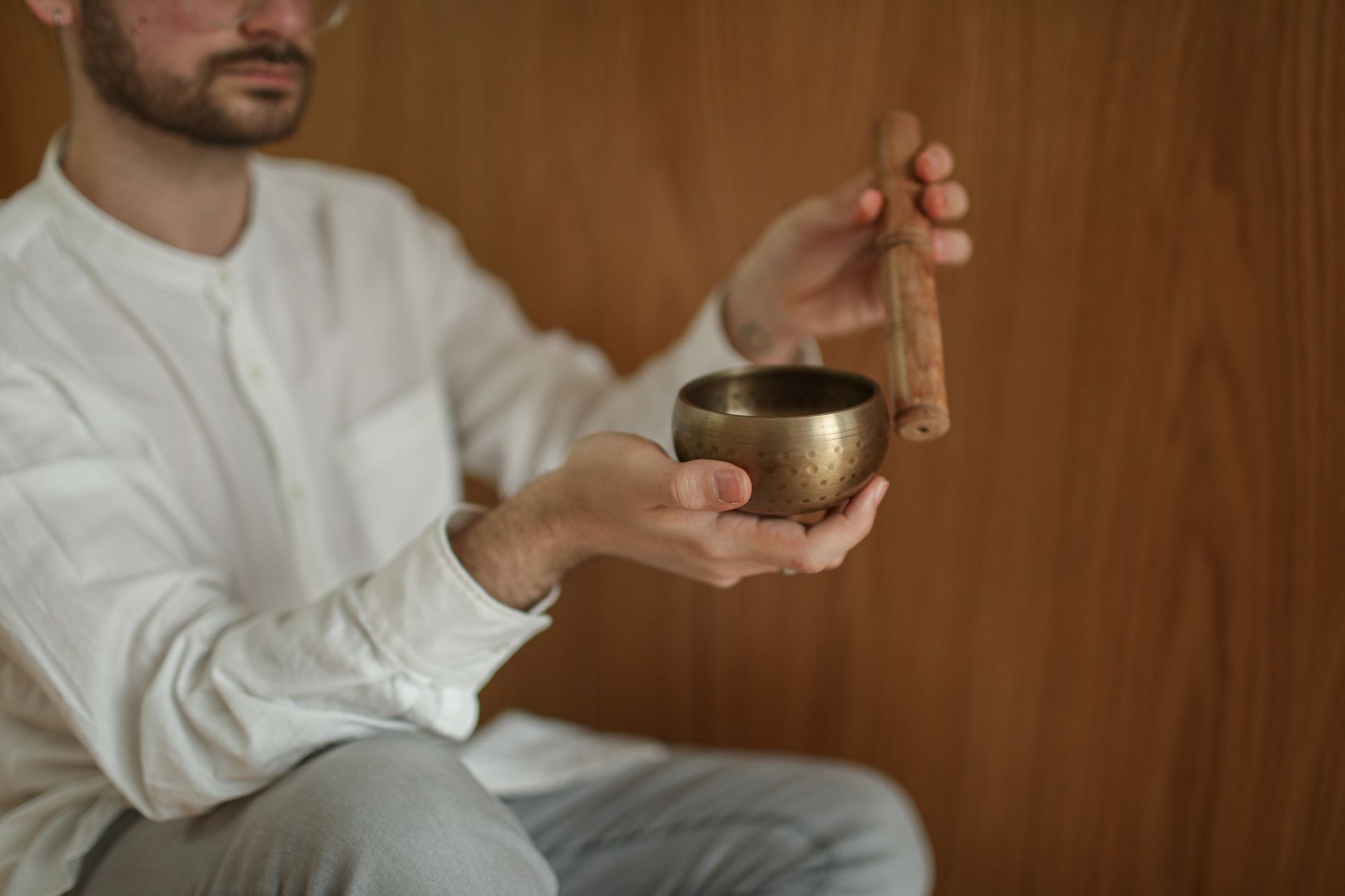
Sound bathing, also called a gong bath (no actual water involved, which is either disappointing or a relief depending on your circulatory system), has spread quietly across British towns and cities over the last few years. You’ll find sessions in converted chapels in Bristol, yoga studios in Edinburgh, wellness pop-ups in Manchester, and yes, village halls in the Cotswolds. It’s easy to be sceptical. The name alone inspires a particular kind of British eye-roll. But I’d argue it deserves more than a dismissal, and the reasons why are actually pretty interesting.
What actually happens at a sound bath session in the UK
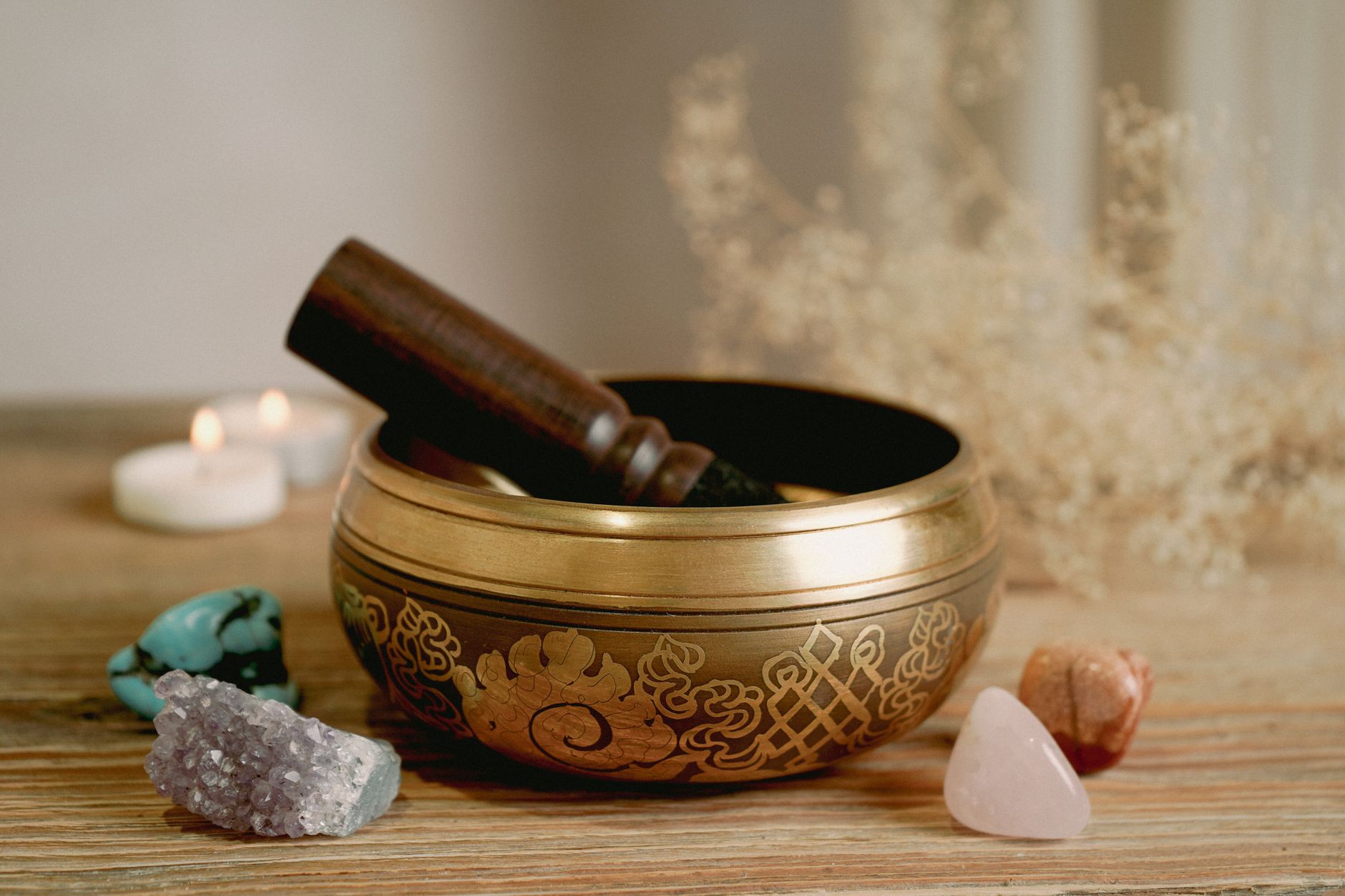
The setup is simple. You lie down, ideally on a yoga mat with a blanket and an eye pillow if the organiser is generous. The practitioner then plays a combination of instruments: Himalayan singing bowls, crystal bowls, gongs, tingsha cymbals, sometimes a shruti box or a shruti board drone. The session runs anywhere from 45 minutes to 90 minutes. You don’t have to do anything. That’s the whole brief.
The sound isn’t melodic in the conventional sense. It’s layered, resonant and slightly strange. The gong in particular produces this huge wash of overtones that seems to bypass your ears and get directly into your chest cavity. Prices vary across the country, but most group sessions run between £10 and £25 per person. Private sessions are more expensive, sometimes £60 to £90 for an hour. You can find local listings through wellness directories, or even by checking towncentre.app for wellness events in your nearest high street area.
What does the actual evidence say?
Here’s where I have to be honest, because this is where a lot of wellness content goes a bit wobbly. The evidence base for sound healing is thin. Not non-existent, but thin.
A 2016 study published in the Journal of Evidence-Based Integrative Medicine found that Tibetan singing bowl meditation significantly reduced tension, anxiety and physical pain compared to silence. Participants reported lower levels of anger and improved mood. That’s genuinely promising, though the sample sizes in most sound healing studies are modest and the methodology varies quite a bit.
What’s better established is the underlying mechanism: the relaxation response. When you spend 45 minutes lying still in a warm room, not looking at a screen, with rhythmic sound giving your nervous system something to anchor to, your body does measurable things. Heart rate drops. Cortisol levels tend to fall. Brainwave activity shifts towards the theta-wave state, which is that lovely in-between zone you hit just before sleep. That part isn’t magic. That’s just what happens when you lie still for long enough, and we’re collectively quite bad at doing it.
The NHS is increasingly open to complementary approaches for stress and sleep. Social prescribing in the UK already includes things like walking groups and gardening sessions, and while sound baths haven’t made it into formal referral pathways yet, the underlying philosophy of using low-cost, low-risk interventions for mild stress and sleep disruption is well-aligned with where NHS thinking is heading.
Is it just an expensive nap?
Sort of, yeah. And I mean that as a compliment.
Most of us are chronically under-rested and over-stimulated. We sleep badly, we scroll ourselves into a hyperactive state before bed, and we treat deep relaxation as a luxury rather than a biological need. A sound bath session gives you a structured container for doing absolutely nothing, with a social commitment that means you won’t just pick your phone up after ten minutes. That structure is the thing.
Compare it to a wellness app or a guided meditation on your phone. The difference is you’re physically present, you’ve paid money, you’ve turned up somewhere, and there’s a real human in the room holding the space. The evidence for getting off screens and into real-world environments for mental wellbeing is actually pretty solid. A sound bath, whatever its own merits, forces you to do exactly that.
I’d also say the communal aspect is underrated. Lying in a room full of strangers all doing the same weird thing creates a gentle sense of shared permission. You’re not failing to relax privately. Everyone in this village hall is failing to relax together, which somehow makes it easier.
What to watch out for when booking a session
The UK sound healing scene is unregulated, which means the quality varies dramatically. Some practitioners have trained seriously, spending years learning with established teachers. Others have done a weekend course and bought a bowl online. This matters less for a healthy adult looking to de-stress than it would for someone using sound healing as a substitute for actual medical care. The one rule I’d apply: treat it as a complement to any existing support you have, not a replacement for it.
The Sound Healers Association UK maintains a directory of practitioners and offers guidance on what qualifications to look for, which is a reasonable starting point. Check that whoever is running your session has some verifiable background, and be quietly suspicious of any practitioner making extravagant claims about curing specific conditions.
Practical things to know: wear comfortable clothes, bring your own mat and blanket if you have them, and skip the coffee beforehand. If you’re prone to anxiety, let the practitioner know before the session starts because occasionally the gong’s intensity can feel overwhelming rather than calming. It’s fine to open your eyes. It’s fine to not feel anything profound. Sometimes it just sounds like someone hitting a big metal thing, and that’s okay too.
My honest verdict on sound bathing
I went in sceptical and came out genuinely surprised. Not because I experienced some transcendent vibrational shift. I fell asleep after about twenty minutes and woke up confused about what year it was. But I came out of that village hall feeling noticeably lighter, slept well that night, and spent the following morning about thirty percent less irritable than usual.
Is that the gong? Is that the hour of horizontal stillness? Is it leaving my phone in my bag for 90 minutes and not catastrophising about anything? Probably all three, and I’d argue you can’t really separate them. The point is that sound bathing in the UK is genuinely low-risk, often affordable and increasingly available. As wellness trends go, lying in a warm room listening to someone play a large bowl is pretty hard to argue against.
Give it a go. Bring a blanket. Try not to snore.
Frequently Asked Questions
What is sound bathing and how does it work?
Sound bathing involves lying still while a practitioner plays instruments like Himalayan singing bowls, crystal bowls and gongs. The layered resonant sound encourages a deep relaxation response in the body, lowering heart rate and shifting brainwave activity towards a theta-wave state associated with rest and light sleep.
How much does a sound bath session cost in the UK?
Group sessions in the UK typically cost between £10 and £25 per person. Private one-to-one sessions are more expensive, usually £60 to £90 for an hour, depending on the practitioner and location. Many yoga studios and wellness centres offer introductory sessions at lower prices.
Is there any scientific evidence that sound baths actually work?
The evidence is encouraging but limited. A 2016 study in the Journal of Evidence-Based Integrative Medicine found that Tibetan singing bowl meditation reduced anxiety, tension and pain compared to silence. The relaxation response it produces, reduced cortisol, slower heart rate, calmer brainwaves, is well-documented, even if the sound itself is still being researched.
Are sound baths safe for everyone?
For most healthy adults, yes. People with epilepsy, certain hearing conditions, or those in early pregnancy are sometimes advised to check with a GP first. If you have anxiety or find intense sound overwhelming, let the practitioner know beforehand so they can adjust the session accordingly.
How do I find a reputable sound healing session near me?
The Sound Healers Association UK maintains a directory of practitioners with recognised training. Yoga studios, wellness centres and community halls across most UK towns and cities run regular sessions. Checking local events listings and wellness directories is a good starting point.
Leave a Reply