
Nobody wants a lecture with their lager. I’m not here to guilt you into sobriety or wave a kombucha at you from across the pub. But the alcohol environmental impact UK drinkers quietly contribute to every week is genuinely wild once you look at the numbers, and I think it’s worth a slow, relaxed conversation about it. Grab a brew of whatever variety you fancy and settle in.
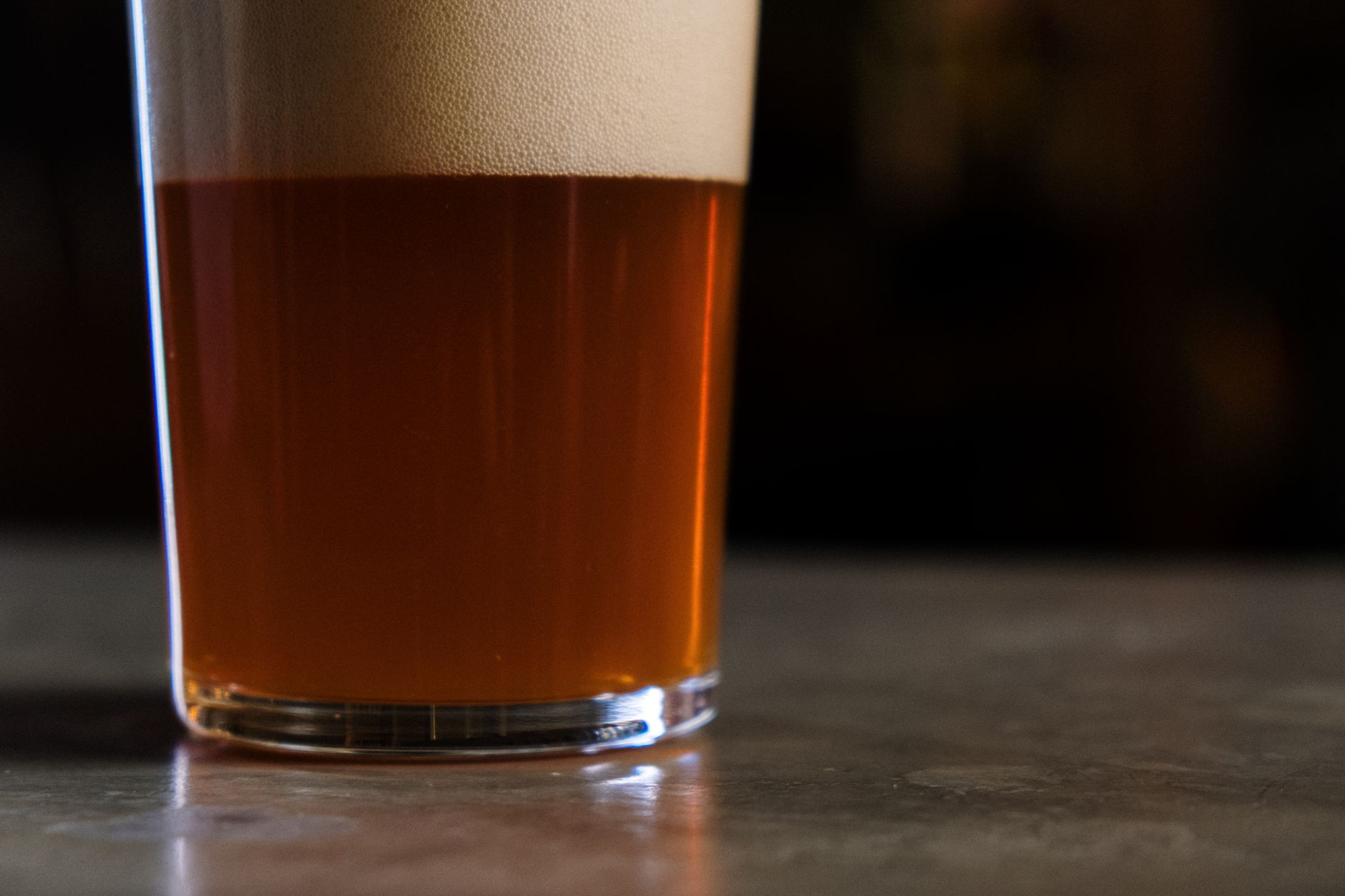
How much water and land does a pint actually cost?
Beer feels like a pretty simple thing. Hops, barley, water, yeast. But the water footprint of that pint goes way beyond what ends up in your glass. According to research from the Water Footprint Network, producing one litre of beer takes roughly 298 litres of water when you account for the whole chain: growing the barley, malting, brewing, cleaning, cooling. A standard 568ml pint sits at somewhere around 170 litres of embedded water. That’s a lot of showers’ worth of resource for something you’ll sink in twenty minutes.
Wine is worse, if we’re being honest. A standard 750ml bottle of wine has a water footprint of around 960 litres, most of it going into irrigating and sustaining the vineyard. The UK imports vast quantities of wine from water-stressed regions in Spain, South Africa and Australia. So every bottle of Rioja on a Friday night represents a real draw on watersheds that are already under pressure from a warming climate.
Land use is the other thing people rarely think about. Barley grown for brewing in the UK takes up a significant chunk of arable farmland. The DEFRA agricultural land use statistics consistently show that cereals dominate UK cropland. Some of that is for food, some is for animal feed, and a meaningful portion ends up fermented. Land used to grow malt barley is land not growing vegetables, rewilding back to meadow, or supporting the kind of soil biodiversity that Britain is already struggling with.
The packaging problem nobody’s cracking
Glass bottles are heavy, energy-intensive to produce and not as endlessly recyclable as the recycling bin would have you believe. Aluminium cans are better in theory, but the UK’s can recycling rate still hovers well below what the industry would like it to be. In 2024, around 55% of glass packaging in the UK was recycled, which sounds okay until you realise that 45% of it just… wasn’t.
The craft beer boom, which I genuinely love as a cultural thing, has made this worse in some ways. Small batch, beautifully labelled, often shrink-wrapped in multipacks. More SKUs, more materials, shorter shelf lives, more wastage at retail level. The vibe is artisanal but the supply chain reality is still very much industrial.
Then there’s the distribution network. Getting alcohol from brewery or winery to warehouse to pub to your table involves a lot of refrigerated lorries on a lot of roads. The carbon intensity of chilled transport is higher than ambient goods, and the UK’s drinking culture is spread across tens of thousands of licensed premises, all receiving multiple deliveries a week. It adds up.
What cutting back actually does for your body
The wellbeing side of this is better documented than almost anything else in public health. The NHS is fairly unambiguous: alcohol is a class 1 carcinogen, disrupts sleep architecture, elevates cortisol, suppresses immune function, and is calorically dense without being nutritionally useful. I’ve genuinely felt better in fortnights where I’ve drunk less, and I suspect most people have had the same experience even if they haven’t quite joined the dots.
There’s also the mental health angle. Alcohol is a depressant, and while a glass of something can feel like a switch-off, the actual neurochemical effect across 24 hours is net negative for anxiety levels. A lot of the eco-anxiety many of us carry around gets self-medicated with alcohol, which is a bit of a trap. You drink to relax about the state of the world, but the drink is actually adding to the problem and making your baseline anxiety higher. Not ideal.
Dry January, Sober October and the general slow-drinking movement have all taken off in the UK for a reason. The Alcohol Change UK charity reports that around 9 million people participated in Dry January in 2024, with most reporting better sleep and more money within the first week. Both of which, I’d argue, put you in a much better headspace to actually care about the environment.
So what’s a realistic, lazy approach to drinking less?
I’m not here to suggest you become an ascetic. My approach has just been to swap one or two drinks a week for something that actually tastes good as an alternative. The low and no-alcohol market in the UK has improved enormously. Brands like Lucky Saint, Big Drop and Erdinger Alkoholfrei make things that are genuinely drinkable, often in recyclable formats, and the carbon per unit is lower just from the reduced fermentation and shorter supply chains involved.
Buying British-made beer when you do drink also helps. A local ale from a regional brewery has significantly lower transport emissions than an imported lager. This connects nicely to the broader logic of eating and drinking locally as a quiet form of environmental action that doesn’t require a manifesto.
And if you’re the kind of person who’s already interested in the restorative effects of getting outside, slowing down, and being a bit more present in your own life, then honestly, fewer drinks just helps with all of that. A Sunday morning walk through damp British countryside feels completely different when you’re not running on five hours of disrupted sleep and a mild headache. The mood benefits of spending time in green spaces are real, but they land harder when your nervous system isn’t trying to process last night’s wine.
None of this requires perfection. Just paying a bit of attention. Choosing better when you can, drinking less when it’s easy, and not beating yourself up about any of it. That’s kind of the whole ethos round here. The alcohol environmental impact UK drinkers generate collectively is real and worth knowing about, but fixing it isn’t about shame. It’s about making small, genuinely enjoyable swaps and noticing how good you feel when you do.