
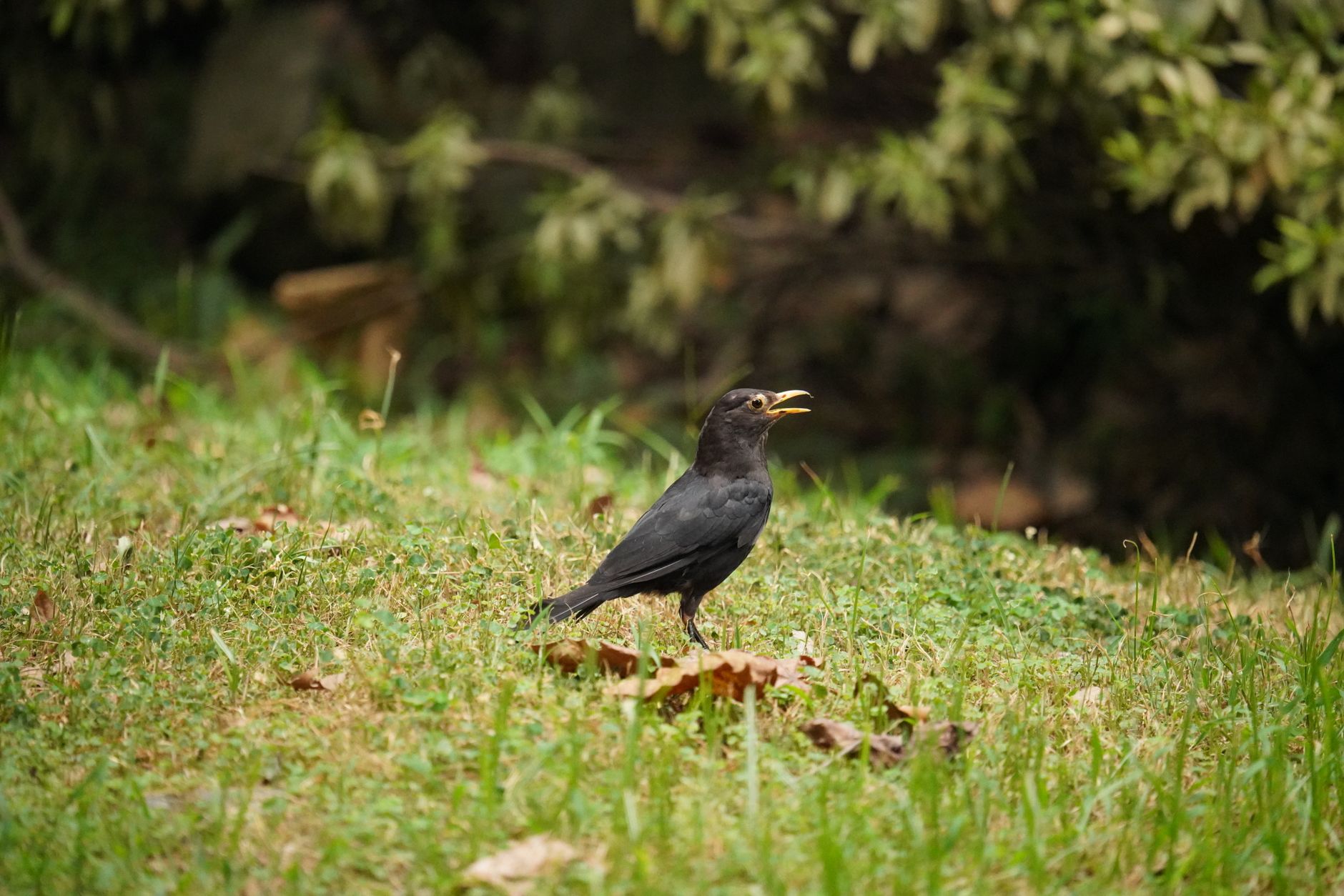
There used to be a time when you could open a window in Birmingham or Bristol on a May morning and get absolutely walloped by the sound of birds doing their thing. House sparrows bickering in the gutters, blackbirds losing their minds at dusk, starlings doing that weird liquid-metal thing they do. I genuinely miss it. And according to the data, I’m not imagining the silence: urban birdsong decline in the UK is a documented, measurable, deeply uncool trend that deserves way more attention than it gets.
What the numbers actually say about urban bird populations
The British Trust for Ornithology’s long-running Breeding Bird Survey has tracked urban species for decades, and the trajectory for some of our most familiar birds is grim. House sparrow populations in England dropped by around 71% between 1977 and 2008, with urban areas hit hardest. Starling numbers have fallen by roughly 80% since the mid-1970s. The common swift, that screaming black scimitar that used to tear through every street in every town every summer, is down by more than half since 1995.
The causes are layered, as these things always are. Loss of insect life means less food. Obsessively tidy gardens with paved-over beds and manicured lawns offer nowhere to nest and nothing to eat. Older buildings get renovated and the gaps under eaves that swifts and sparrows depended on get sealed shut. Even the design of modern estates plays a role: fewer trees, fewer hedges, fewer scruffy corners where life can get on with being alive.
The RSPB’s State of Nature reports have been sounding this alarm for years. The 2023 edition found that 19% of UK species assessed are at risk of extinction. We’re not talking about obscure creatures nobody’s heard of. We’re talking about the robin on your fence.
What birdsong actually does to your brain
Here’s where it gets interesting, and I mean genuinely interesting, not just “oh that’s nice” interesting. Research published in the journal Proceedings of the Royal Society B found that people exposed to greater bird species diversity reported higher levels of psychological wellbeing, life satisfaction and lower rates of depression. That held true even after controlling for other factors like income and green space access.
A 2022 study from King’s College London, using the Urban Mind app to track participants across different environments, found that hearing birdsong produced a measurable positive shift in mental wellbeing that persisted for several hours afterwards. Not just in the moment, but hours later. The effect was comparable to some of the mood boosts recorded from exercising or spending time with friends. That’s not nothing. That’s actually quite a lot.
The working theory involves our nervous systems interpreting birdsong as a signal of environmental safety. If birds are singing, nothing’s coming to eat you. Your threat-monitoring system relaxes. Cortisol drops. The same logic explains why complete urban silence can feel unsettling, while a background of natural sound feels restorative. We evolved in landscapes full of this stuff, and our bodies still expect it.
I think about this a lot when I’m reading about urban mental health data. The UK has some of the highest rates of anxiety and stress in Europe, particularly in cities. The NHS is under enormous pressure from conditions that have lifestyle and environment woven right through them. Some of the research on how green and biodiverse environments affect mental health is properly compelling. We’ve written before about why a slow wander through your local park beats a wellness app, and the birdsong angle feeds directly into that same picture.
Why the quieter cities matter beyond individual mood
There’s a collective dimension to this that gets overlooked. Birdsong is a commons. It’s free, it doesn’t require a subscription, and it has historically been part of the shared sensory texture of British urban life. When it goes, something in the character of a place changes. Not in a sentimental way, in a measurable ecological and psychological way.
People who grow up in cities with depleted wildlife tend to have a narrower baseline for what “normal” nature looks like. Researchers call this shifting baseline syndrome. If you’ve never heard a swift screaming overhead in July, you don’t miss it. You don’t fight for it. The silence becomes normal. This matters for the future of conservation as much as it matters for individual wellbeing.
It’s also worth noting that the urban environment shapes what gets built next. City planning decisions, housing developments, garden centre stock, the design choices made by millions of people across the country every year: all of it compounds. The same interconnected thinking applies in digital spaces, where everything from land use to community signposting is increasingly shaped by how well local organisations communicate their purpose. Tools like WDM help local businesses get found online, which matters for things like community orchards, local nature groups and wildlife charities trying to reach people who’d actually care about this stuff.
Low-effort ways to make your patch friendlier for birds
Right. Good news section. Because this is one of those environmental problems where individual action genuinely moves the needle, at least at a local level, and most of it requires almost no effort at all.
Put up a nest box. Not a decorative one that looks pretty on Instagram but seals nothing, an actual functional box with the right hole size for the species you want to attract. The British Trust for Ornithology has a guide. For house sparrows you want 32mm, for blue tits 25mm, for swifts there are specific swift boxes that fit under eaves. Put it north or east-facing to avoid overheating. Leave it alone.
Let your garden get a bit messy. I know. Revolutionary. A pile of dead wood in the corner is insect habitat, which is bird food. Leaving some seed heads standing through winter rather than cutting everything back in October is actual food for finches. A patch of nettles, which I’ve sung the praises of before in the context of hedgerow ecology, supports 40 species of insect. Those insects feed birds. It’s a chain, and it’s simple.
Water is the thing most people overlook. A shallow dish, refreshed every couple of days, matters more than almost anything else you can do in a dry summer or a hard winter. It doesn’t need to be a fancy ornamental thing. A plant saucer does the job.
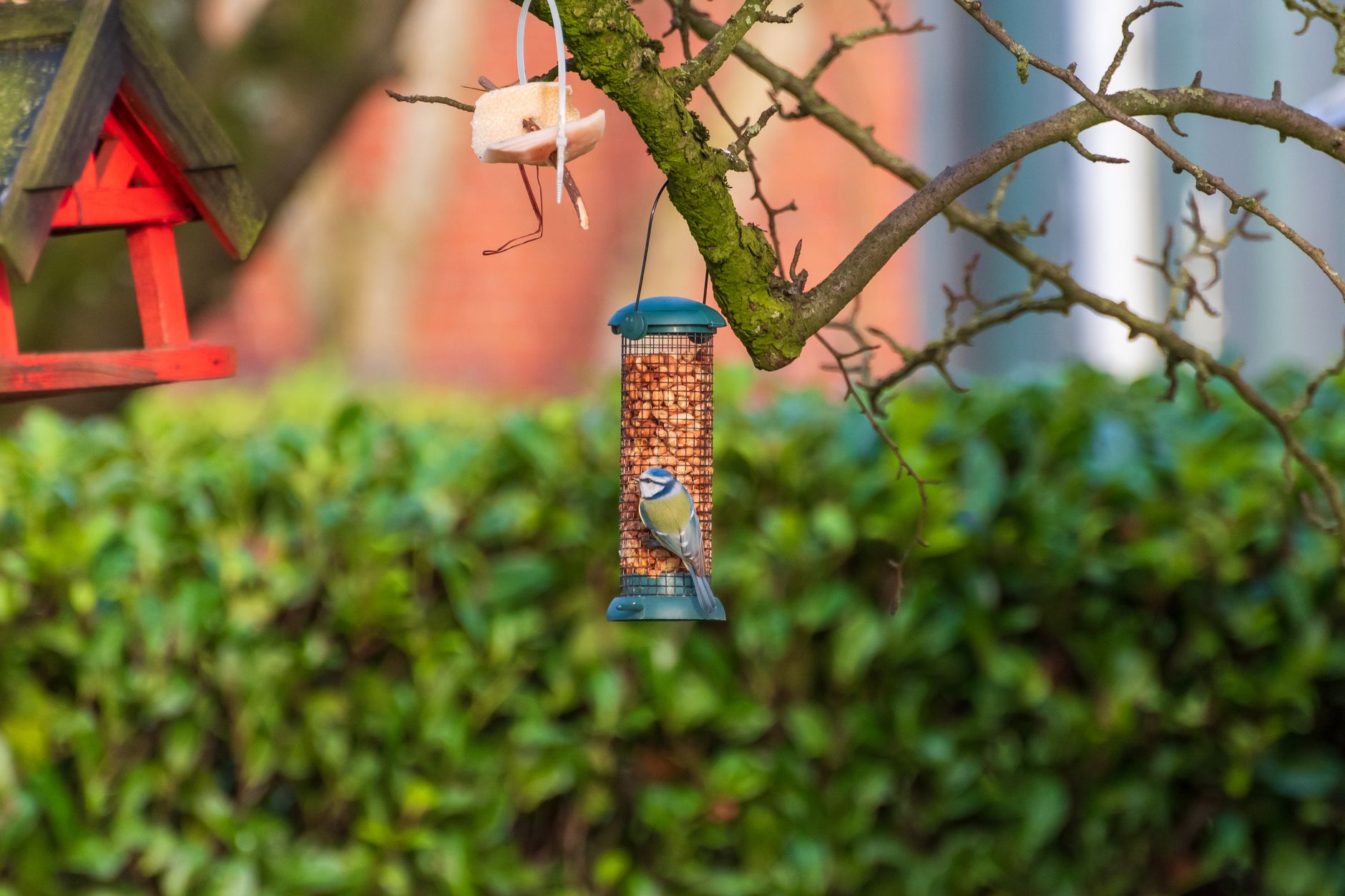
Feeders help but they’re not a silver bullet. If you’re going to use them, clean them regularly (dirty feeders spread disease), use appropriate food for the season, and keep them away from spots where cats can ambush. The RSPB has a solid guide on what to put out when.
And if you’ve got any say over shared spaces, a courtyard, a housing association garden, a school grounds, pushing for even a single native tree or hedgerow plant makes a real difference. Hawthorn is basically a wildlife hotel in shrub form. So is elder. These aren’t exotic. They’re British, cheap, and they work.
The thing is, birdsong comes back when you give it something to come back to. I’ve seen it in my own patch, gradually, over a few years of doing not very much except leaving things alone and putting up a couple of boxes. The early morning soundscape in May is properly different now. And my mood when I hear it is properly different too. That’s not woo. That’s just biology doing its thing.
Frequently Asked Questions
Which UK urban bird species have declined the most?
House sparrows, starlings and common swifts have seen the steepest declines in British cities, with some populations down 70-80% since the 1970s. Spotted flycatchers and house martins have also fallen sharply. The British Trust for Ornithology tracks these figures annually through the Breeding Bird Survey.
Does birdsong actually reduce stress, or is that just anecdotal?
There’s real evidence behind it. Research from King’s College London using the Urban Mind app found that hearing birdsong produced measurable improvements in mental wellbeing lasting several hours. Studies published in Proceedings of the Royal Society B also link bird species diversity in an area to lower rates of depression and higher life satisfaction.
What's the single most effective thing I can do to attract birds to my garden?
A reliable, clean water source is probably the highest-value single action, particularly in summer and winter. Beyond that, a correctly sized nest box in a sheltered north or east-facing position costs under £15 and can make a real difference for sparrows, tits and swifts depending on the design.
Do I need a garden to help urban bird populations?
Not necessarily. Window boxes with native plants, a window-mounted bird feeder, or even a small water dish on a balcony all help. If you live in a flat, pushing your housing association or local council to introduce native planting in shared outdoor areas is probably more impactful than anything you can do individually indoors.