
Hay fever used to feel seasonal. A few weeks of itchy eyes in June, a bit of sneezing near freshly cut grass, and then it was done. These days, the UK pollen season stretches from February through to October in some parts of the country, and the symptoms are getting worse for a lot of people. I’ve spoken to friends who now describe it as a kind of low-grade, months-long misery. That’s not dramatic, that’s the reality of a warmer, wetter climate and a longer growing season.
If you’re a chronic sufferer and you’re waiting until your nose starts running to do something about it, you’re already behind. Natural hay fever management works best when it’s baked into your routine well before the pollen hits. Here’s what actually helps, based on evidence, real herbs, and a lifestyle approach that doesn’t require you to buy seventeen supplements you’ll forget about by February.

Why the UK pollen season keeps getting worse
The Met Office and UK Centre for Ecology and Hydrology have both noted that pollen seasons are starting earlier and lasting longer as temperatures creep up. Tree pollen, which starts the whole sorry process off, can now show up in earnest by late January in southern England. Grass pollen, the worst offender for most sufferers, peaks in June and July but lingers. Then weed pollen takes you into late summer. Stack those on top of each other and you’ve got a solid eight months of potential suffering for the unlucky ones.
Around 13 million people in the UK have hay fever, according to Allergy UK, and that number is rising. So if you’re wondering why your antihistamines seem to be working less well, or why the season feels like it starts earlier each year, you’re not imagining it. The pollen’s genuinely increasing, and so is its potency in some species. The Met Office pollen forecast is worth bookmarking as a genuinely useful tool for planning your week around high-count days.
The case for starting natural hay fever management early
The conventional approach is to reach for the cetirizine when symptoms kick off. That works for plenty of people. But if you’re someone who gets absolutely floored, brain fog, exhaustion, constant streaming eyes, then reactive management isn’t enough. The idea behind a preventative, herb-and-lifestyle-led approach is to reduce your overall inflammatory load before pollen season starts, so your immune system isn’t already running hot when the first tree pollen arrives.
This isn’t alternative medicine nonsense. Quercetin, for instance, is a natural flavonoid found in onions, apples, capers, and kale that has demonstrated mast-cell-stabilising properties in research. Mast cells are the ones that release histamine when they encounter an allergen, so calming them down in advance is a rational strategy. Getting more quercetin-rich foods into your diet from January onwards is about as low-effort as it gets, a handful of red onions, some good-quality apples, a bit of kale in your soup. You’re eating well and potentially giving your immune response a quieter baseline.
Nettle infusions, local honey and what the evidence actually says
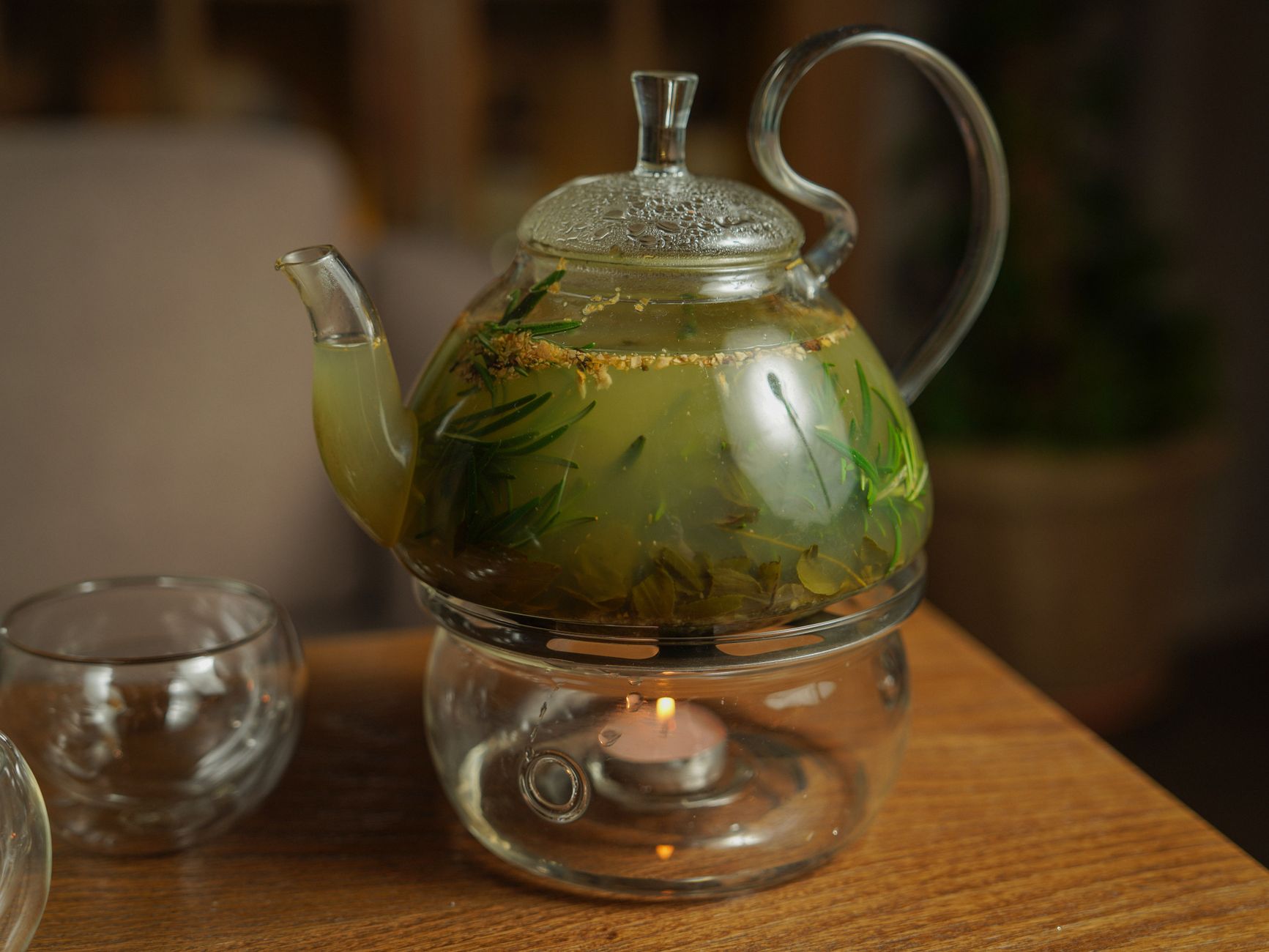
Stinging nettle is one I keep coming back to. We’ve written before about medicinal wild plants in British hedgerows and nettle sits near the top of that list for a reason. As an infusion (basically a very strong tea, steeped for at least ten minutes), freeze-dried nettle has been shown in a small but promising 1990 study from the National College of Naturopathic Medicine to reduce allergy symptoms in a meaningful proportion of participants. It’s not a cure. But as part of a wider approach, a daily nettle infusion from early February has been part of my own routine for a couple of years now, and I’d say it makes a noticeable difference to the severity of the first weeks of pollen season.
Local honey is a trickier one. The theory is that consuming small amounts of local pollen through honey gradually desensitises your immune response, a sort of kitchen-cupboard immunotherapy. Proper clinical evidence for this is limited, and it’s worth being honest about that. What I’d say is: local honey from a British beekeeper is a genuinely good thing to have in your diet regardless, and if it helps take the edge off, brilliant. If you’re expecting it to replace antihistamines for a severe sufferer, manage those expectations. Try local farmers’ markets or the British Beekeepers Association’s find a local beekeeper tool to source something genuinely regional.
Alongside those, elderflower has a long history in Western herbal medicine as an anti-catarrhal, meaning it helps dry up and tone mucous membranes. A cold elderflower cordial in summer feels like a lifestyle choice; a hot elderflower infusion in spring is more of a targeted thing. If you’re interested in the broader herbal medicine picture, our piece on what UK registered herbalists actually do is worth a read.
Air quality monitoring, the lazy person’s superpower
One underused tool is simply knowing what’s in the air before you go outside. Beyond the Met Office pollen forecast, apps like Plume Labs or the UK Air quality index from DEFRA give you real-time pollution data alongside pollen counts. This matters because air pollution, particularly nitrogen dioxide from traffic, has been shown to make pollen grains more allergenic. High-pollen days in a city are genuinely worse than high-pollen days in the countryside, partly because of this interaction.
Practically speaking: if you’ve got a high-pollen, high-pollution forecast for a Tuesday in central London, that’s the day you wear sunglasses, keep windows closed, shower when you get home, and maybe work from your sofa rather than the park bench. Small adjustments, made in advance, based on actual data. For more on how to find and use green spaces smartly, our piece on urban green spaces and mood benefits has some relevant ideas about timing your outdoor time well.
Lifestyle habits that reduce your overall histamine load
Hay fever is an immune overreaction, and immune overreactions tend to be worse when your body is already stressed, sleep-deprived, or carrying a high inflammatory load. This is the unglamorous part of natural hay fever management but it’s probably the most important bit.
Alcohol increases histamine levels directly, particularly red wine, beer, and cider, and reduces your body’s ability to break histamine down. During peak pollen season, if you’re already suffering, it’s worth cutting back significantly. Processed foods high in additives can also trigger histamine release in sensitive individuals. Getting consistent sleep matters: studies consistently show that poor sleep increases inflammatory markers. And managing stress, whatever that looks like for you, whether it’s a walk, a slow morning, or something more intentional, reduces the cortisol that suppresses healthy immune regulation.
None of this is rocket science. It’s the kind of stuff that sounds obvious until you’re sneezing your way through July wondering why nothing works. If you want to read more here about building holistic health habits, there’s always more to explore. The underlying principle is simple: the lower your baseline inflammatory load, the less catastrophically your immune system responds to pollen.
Pulling it all together: a loose seasonal plan
January to February: Start increasing quercetin-rich foods. Daily nettle infusion. Begin monitoring local pollen and air quality forecasts. Source some local honey.
March to April: Tree pollen arrives. Keep the nettle going. Add elderflower if you can find dried or tinctured. Watch the pollen forecast more closely, especially on dry windy days.
May to July: Grass pollen peaks. This is when the monitoring app earns its keep. Keep windows shut on high-count days, shower after outdoor time, wear wraparound sunglasses if eye symptoms are bad. Consider speaking to a GP or pharmacist about whether antihistamines alongside a natural approach would help, there’s no shame in combining both.
The goal isn’t to cure hay fever with herbs and honey. It’s to reduce its grip. Chronic sufferers who start early, eat well, track the pollen and manage their overall health tend to report noticeably milder seasons. That’s worth something.
Frequently Asked Questions
What is the best natural remedy for hay fever in the UK?
There’s no single best option, but a combination works well: quercetin-rich foods (red onions, kale, apples), daily nettle infusions, and local honey from a British beekeeper are the most evidence-adjacent choices. Starting them before the pollen season in late January or February gives your immune system a better baseline.
Does local honey really help with hay fever symptoms?
The clinical evidence is limited, so it’s honest to call it unproven as a standalone treatment. The theory, that consuming local pollen via honey gradually desensitises your immune response, makes some intuitive sense, but it shouldn’t replace antihistamines for severe sufferers. It’s a useful complement, not a cure.
When does hay fever season start in the UK?
Tree pollen can appear as early as late January in southern England, with grass pollen peaking in June and July and weed pollen extending into late September or October in some areas. The season is getting longer due to warmer temperatures and a longer growing season.
What foods contain quercetin and can they help hay fever?
Red onions, capers, apples, kale, broccoli, and green tea are all good sources of quercetin. It has demonstrated mast-cell-stabilising properties in research, which may help reduce histamine release when allergens are encountered. Eating these regularly from January is a low-effort starting point.
Leave a Reply