
Somewhere between an allotment, a park, and someone’s nan’s back garden, community orchards UK-wide are quietly having a moment. They’ve been around for donkey’s years in some form, but there’s been a proper resurgence of interest lately, and honestly, it makes total sense. Free fruit. Fresh air. Zero pressure to be a certified expert in anything. What’s not to love?
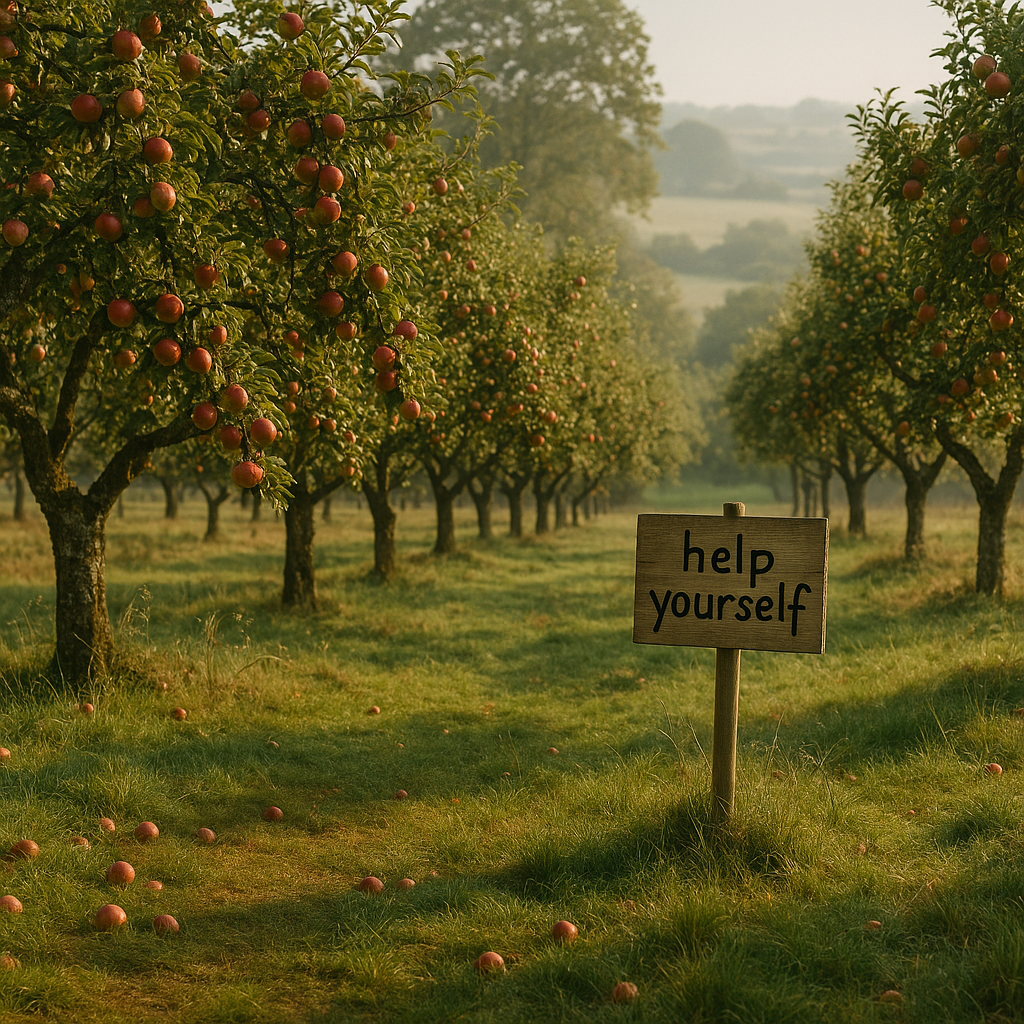
I stumbled across my first one by accident, cutting through a scrubby bit of common land in Somerset. There were apple trees, a couple of old pear trees absolutely going for it, and a handwritten sign inviting people to take what they needed. That was it. No membership card, no committee meeting, no obligation. Just fruit. I stood there for a minute genuinely moved, which tells you everything about the state of modern life.
What even is a community orchard?
A community orchard is essentially a shared space where fruit trees, and sometimes nut trees, berry bushes or heritage varieties of plants, are grown for everyone to access. They’re usually on public land, council-managed green spaces, or plots owned by local trusts and charities. Some are attached to allotment sites. Others sit on village greens, beside schools, or wedged into urban parks in cities like Bristol, Leeds, and Manchester.
They’re not commercial operations. Nobody’s making money. The whole vibe is abundance and access. Many operate on the principle that fruit grown in a community space belongs to the community, so anyone turning up with a bag at the right time of year can fill it up. Some have more structure around them, with volunteer days and organised harvests, but plenty are genuinely just trees doing their thing in a shared space.
The People’s Orchard Project and similar organisations have been mapping and supporting these spaces across Britain for years, and the numbers are genuinely encouraging. There are estimated to be over 1,000 community orchards across the UK now, with more being established every year as councils and local groups wake up to their value.
Why community orchards are genuinely good for the planet
Here’s where it gets properly interesting. Community orchards aren’t just a nice vibe. They’re doing real environmental work.
Mature fruit trees are serious carbon sinks. They provide habitat for insects, birds, and small mammals. Old, gnarled apple or damson trees in particular are brilliant for biodiversity, hosting a huge range of invertebrates that rely on decaying wood and bark. When you compare that to a tidy lawn or a patch of concrete, there’s no contest.
Then there’s the food miles question. Fruit picked two streets away from your house has travelled approximately zero miles to reach you. The average apple in a UK supermarket has often been in cold storage for up to a year and may have been imported from South Africa, Chile, or New Zealand. Community orchards flip that on its head entirely.
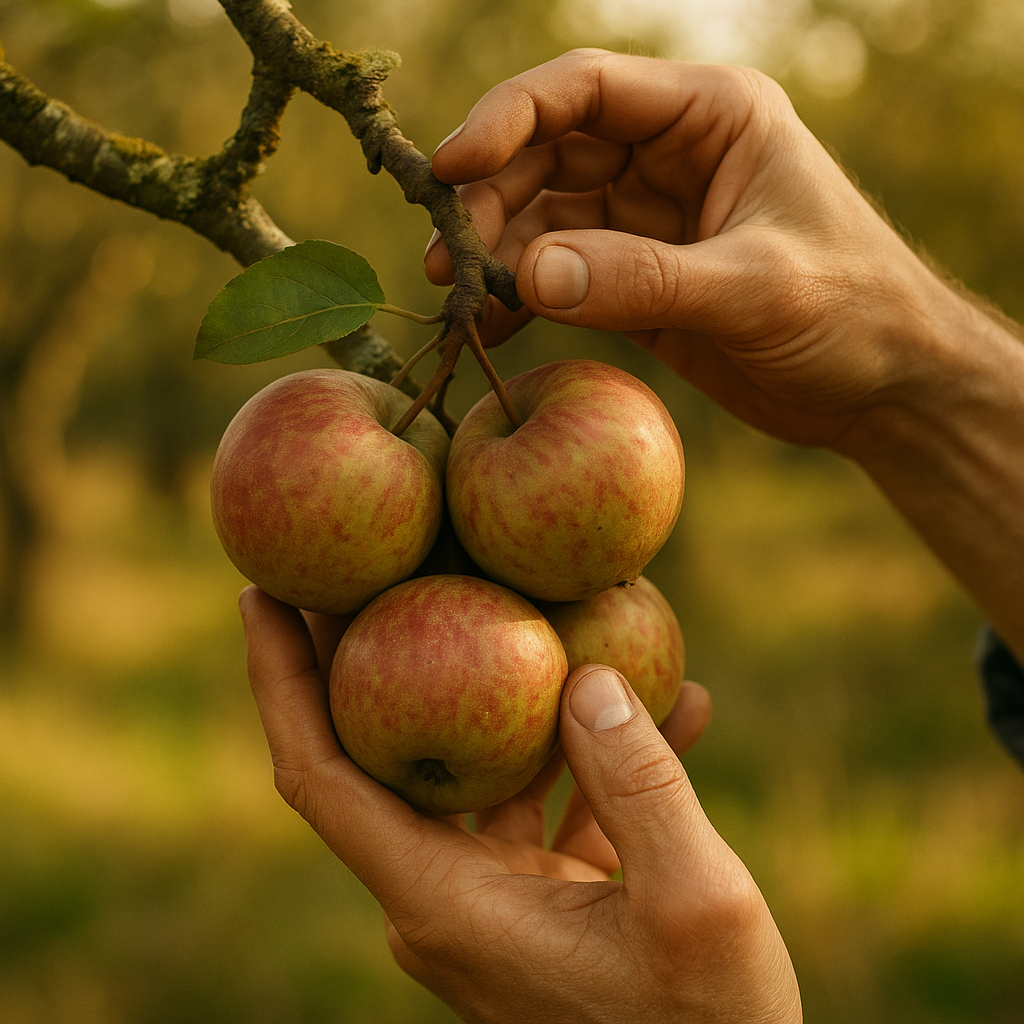
There’s also something to be said for the heritage angle. Community orchards often champion old varieties that supermarkets would never touch because they don’t shelf-stack well or bruise too easily. Varieties like Yarlington Mill, Foxwhelp, or the wonderfully named Bloody Ploughman apple. Keeping these trees alive is a form of conservation. Once a variety disappears, it’s gone. These spaces are living seed banks in the most low-key way possible.
What’s in season and when
This varies a bit depending on where you are in the country, but here’s a rough guide to keep in your back pocket.
Late summer (August into September) is when the early apples, plums, greengages, and damsons tend to come in. These are the ones that ripen fast and need using quickly. Great for jam, crumbles, or just eating as fast as possible.
Autumn (October and into November) is peak orchard season. Main crop apples, pears, quinces, medlars if you’re lucky. This is when the big harvests happen and community pressing events tend to take place, where people bring fruit and share the resulting juice. If you’ve never tasted freshly pressed apple juice, you’re missing something genuinely transcendent.
Winter and spring are quieter but not dead. Nut trees, winter pruning events, planting days. This is when orchards need volunteers most, and when getting involved feels most meaningful even if there’s no fruit to show for it yet.
How to find community orchards UK-wide
The Orchard Project is one of the best places to start. They work across England and have a directory of community orchards they support. Alternatively, the website Falling Fruit (fallingfruit.org) is a crowd-sourced global map of forageable spots, and it includes a solid number of UK locations. It’s a bit chaotic as maps go, but that’s part of the charm.
Your local council’s parks and green spaces team will often know about orchards on their land. A quick email to them is underrated. Likewise, local Facebook groups, community noticeboards, and even just walking through green spaces with your eyes open will turn things up. I’ve found three good spots simply by being nosy on walks.
Some orchards are formally registered with groups like the Rural Payments Agency’s orchard grant scheme, which means they’ve got some official recognition and support behind them. Worth knowing.
Getting involved without it becoming a whole thing
The beauty of most community orchards is that you genuinely don’t have to commit to anything if you don’t want to. You can rock up in October with a rucksack, pick some apples, say thanks to whoever’s around, and go home. That is a completely valid level of participation and nobody will judge you for it.
If you want to go a bit deeper, most orchards welcome people turning up for harvest days or pressing events. These tend to be casual, social affairs. Bring a flask, wear clothes you don’t mind getting mucky, and expect to leave smelling faintly of apple. It’s genuinely one of the better ways to spend a Saturday morning.
Some groups do ask for volunteers for more involved tasks like pruning, which usually happens in late winter. Pruning isn’t complicated when you’ve had a basic intro, and plenty of orchard groups run free sessions. If you’ve got a bit of land yourself and fancy planting a tree or two, some community orchard groups will even help you source heritage varieties locally.
The whole thing is refreshingly uncommercial. There’s no subscription, no gear to buy, no hustle. Just trees, seasons, and the quiet satisfaction of eating something that grew near where you live. In a world where everything is trying to sell you something, that feels radical.
Oh, and if you happen to be doing any digital housekeeping while you’re in this kind of clear-your-head headspace, a free SEO audit is about as painless a task as checking what’s in season at your local orchard. Low effort, potentially high reward.
Community orchards UK-wide are one of those things that exist quietly in the background until someone points one out to you, and then suddenly you see them everywhere. Go find one. Bring a bag. Eat something real.
Frequently Asked Questions
Are community orchards free to use?
Yes, in the vast majority of cases community orchards are completely free to visit and forage from. They exist specifically to give communities access to fresh, locally grown fruit without any cost or formal membership required.
How do I find a community orchard near me in the UK?
The Orchard Project website and the crowd-sourced map at Falling Fruit (fallingfruit.org) are good starting points for finding community orchards UK-wide. You can also try contacting your local council’s parks team or searching local Facebook community groups for orchard projects in your area.
What fruit can I expect to find at a community orchard?
Most UK community orchards grow apple and pear trees as a minimum, with many also featuring plums, damsons, greengages, quinces, and occasionally medlars or nut trees. Many prioritise heritage varieties that you’d never find in a supermarket, which makes foraging extra interesting.
When is the best time of year to visit a community orchard?
Autumn, broadly September through to November, is peak season for most UK community orchards and the best time to turn up with a bag. Early apples and plums can start in late August, while some orchards hold pressing and harvest events throughout October when the main crop comes in.
Do I need to volunteer to use a community orchard?
Not at all. Most community orchards welcome casual visitors who simply want to pick fruit without any ongoing commitment. If you do want to volunteer for harvest days, pruning sessions, or planting events, that’s usually welcomed too, but it’s entirely optional.