
There is something genuinely wild about the fact that most people walk past a fully stocked herbal pharmacy every single day without giving it a second glance. The British hedgerow, that scrappy tangle of thorns and greenery stitching together our fields and footpaths, is one of the most underappreciated wellness resources on the planet. And I mean that. Medicinal hedgerow plants UK-wide have been doing their thing for centuries, long before anyone put a fancy label on a supplement and charged you £30 for 60 capsules.
This is not about going full wilderness survival mode. It is more of a gentle rummage. A slow walk with your eyes open. You do not need a lot of kit, a huge garden or any particular expertise to start getting acquainted with what is growing around you. You just need to know what you are looking at, what it does, and how not to mess it up.
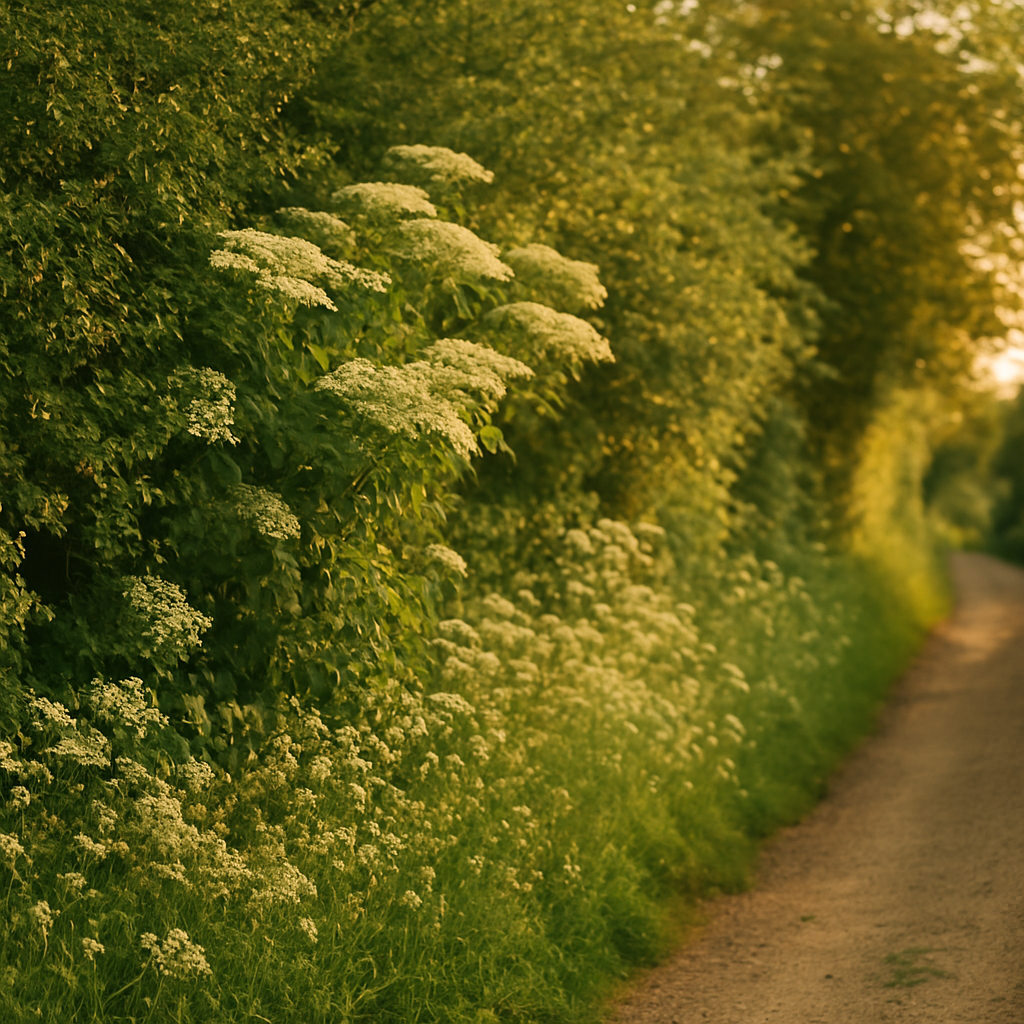
Why British Hedgerows Are Such a Big Deal for Herbalism
Hedgerows cover an estimated 500,000 miles across the UK. That is an extraordinary network. They have been part of the landscape for thousands of years, and many of the plants that thrive in them have been used medicinally since before written records. Folk herbalism in Britain is a real tradition, passed down through generations of cunning folk, wise women, apothecaries and ordinary households who simply knew their local plants.
Modern herbalism has not abandoned this knowledge. A lot of it has been validated, refined, and in some cases taken seriously by researchers. The NHS acknowledges herbal medicine as a distinct tradition with a long history of use, though it quite reasonably emphasises speaking to a qualified herbalist before treating anything serious. That is fair advice. But for everyday wellness, hedgerow plants offer something genuinely useful.
Stinging Nettle: The One Everyone Knows But Nobody Respects Enough
Stinging nettle (Urtica dioica) is everywhere. It grows on roadsides, riverbanks, field edges and any patch of disturbed ground that gets a bit of nitrogen from old leaf litter or animal activity. Most people have been stung by it at some point and developed a mild hostility as a result. Understandable. But nettle is seriously good stuff.
Traditionally it was used as a spring tonic, something to clear the body out after winter. Rich in iron, vitamin C, magnesium and calcium, it is one of the most nutritionally dense wild plants you can eat. It was also used for joint pain and inflammation, and there is modern research suggesting nettle leaf extract may have anti-inflammatory properties relevant to conditions like arthritis.
Harvesting is simple. Wear gloves, pick the young top leaves in spring before the plant flowers, and blanch or dry them. Cooking or drying completely removes the sting. Nettle tea is made by steeping dried leaves in boiling water for five minutes. It tastes earthy, slightly grassy, and genuinely pleasant if you are into that sort of thing. You can also make nettle soup, which is brilliant.
Elderflower and Elderberry: The Hedgerow’s Most Generous Plant
Elder (Sambucus nigra) gives you two harvests and both are worth the effort. The creamy white flower clusters appear in late May through June, and the deep purple berries follow in August and September. Both have strong medicinal traditions behind them.
Elderflower has been used for centuries for colds, hay fever and as a gentle diaphoretic, meaning it encourages mild sweating to help break a fever. Elderberry has had considerably more scientific attention. Several studies have looked at standardised elderberry extract and its effect on cold and flu duration, with reasonably encouraging results. It is now a mainstream ingredient in immune supplements sold everywhere from Holland and Barrett to Boots.
For home use, elderflower cordial is the classic move and genuinely one of the better things you can make from a hedgerow. Elderberry syrup takes a bit more effort but is worth it as a winter immune tonic. One important note: raw elderberries contain compounds that can cause nausea. Always cook them. Do not eat them raw. The flowers can be used fresh or dried, and they make an excellent tea blended with a little lemon and honey.
Yarrow: The Wound Herb That Has Been Doing This Since the Bronze Age
Yarrow (Achillea millefolium) is named after Achilles, who supposedly used it to staunch wounds on the battlefield. Whether that story is literally true is another matter, but the use of yarrow as a wound herb is ancient and widespread. It contains compounds that appear to support blood clotting and have mild antiseptic properties.
In British folk medicine it was also used for fevers, as a bitter digestive tonic, and for menstrual irregularities. Modern herbalism still uses it for all of these purposes. You will recognise it by its flat-topped clusters of tiny white or pale pink flowers and its very finely divided, feathery leaves. It grows on grassland edges, roadsides and hedgerow banks across the UK from June through September.
Dried yarrow makes a good tea for colds and fevers. It has a pleasantly bitter, slightly medicinal flavour. Do not use it if you are pregnant, as it is a traditional uterine stimulant. That is one of those herbal precautions that is worth taking seriously.
Hawthorn: The Heart Herb Hidden in Plain Sight
Hawthorn (Crataegus monogyna) is the backbone of the British hedgerow. That dense, thorny structure you see lining most country lanes is almost certainly hawthorn. It flowers white in May and produces its deep red berries, called haws, in autumn. Both the flowers, leaves and berries have been used medicinally, primarily for cardiovascular support.
European herbalism has a long tradition of using hawthorn to support heart health, and there has been genuine clinical research into hawthorn extract for mild heart failure and blood pressure. It is one of the better-studied herbal remedies going. Haw berry tea or tincture is what most herbalists would recommend. The berries have a slightly floury, mildly sweet taste. They are fine to eat raw in small quantities, but the seeds should not be eaten as they contain cyanogenic compounds.
How to Harvest Hedgerow Plants Safely
A few ground rules worth keeping in mind. First, identification. Get a good field guide. The Collins Complete Guide to British Wild Flowers is excellent, and there are solid free identification apps like iNaturalist that can help when you are not sure. Never harvest anything you cannot positively identify. This is not paranoia, it is just sense.
Harvest away from roadsides where exhaust fumes and spray drift can accumulate. Avoid areas near agricultural fields that might be treated with pesticides. Pick only what you need, leave plenty for wildlife and other foragers, and do not uproot plants. Under the Wildlife and Countryside Act 1981, uprooting wild plants without landowner permission is illegal.
Pick into a cotton bag or a wide basket. Rinse gently if needed. Dry herbs on a rack or in a very low oven with the door ajar. Store dried material in glass jars away from direct light.
Starting Simple: A Hedgerow Wellness Routine That Does Not Require Much Effort
The beauty of medicinal hedgerow plants UK-wide is how accessible they are. You do not need a complicated protocol. Start with one plant. Learn it properly. Harvest a small amount. Make a tea. See how you feel about it.
Nettle tea in spring, elderberry syrup going into winter, hawthorn berry tea through autumn. That alone is a decent seasonal rhythm built entirely from things growing in your nearest bit of scrubland. It costs almost nothing. It connects you to the landscape in a way that is hard to replicate with anything else. And it is, frankly, quite a nice way to spend a Saturday morning.
The hedgerow has been quietly offering all of this for centuries. It is just waiting for you to notice.
Frequently Asked Questions
Are medicinal hedgerow plants in the UK safe to use at home?
Most commonly used hedgerow plants like nettle, elderflower and hawthorn are considered safe for general adult use when properly identified and prepared. However, some plants interact with medications or are unsuitable during pregnancy, so it is worth consulting a qualified medical herbalist registered with the National Institute of Medical Herbalists if you have any health conditions.
When is the best time to harvest British hedgerow plants?
Timing varies by plant. Nettles are best harvested in early spring before flowering, elderflowers in late May through June, elderberries in August and September, yarrow through summer, and hawthorn berries from September onwards. Learning the seasonal rhythm of your local hedgerow makes harvesting much easier.
How do I make nettle tea from fresh or dried nettles?
For fresh nettles, blanch young leaves in boiling water for two minutes, drain and steep for a further five minutes. For dried nettles, steep one to two teaspoons of dried leaf in a mug of just-boiled water for five minutes, then strain. The drying or cooking process completely removes the sting.
Is it legal to forage in British hedgerows?
Picking small quantities of leaves, flowers and berries for personal use is generally tolerated under UK law, but uprooting wild plants is illegal under the Wildlife and Countryside Act 1981 without landowner permission. You should also check you have permission to access the land and avoid picking in nature reserves or SSSIs without guidance.