
Right, so you’ve had a day. Could’ve been hectic, could’ve been just mildly rubbish, doesn’t really matter. Either way, your brain is still going at about 90 miles an hour and you’re nowhere near ready for sleep. Here’s where herbal teas come in, and honestly, they’ve been doing the heavy lifting in this department for centuries. No gimmicks, no mystery ingredients you can’t pronounce. Just plants doing what plants do best.
Herbal teas for stress relief have had a serious glow-up in recent years. The UK market for botanical wellness drinks has grown considerably, with more people swerving the 7pm espresso in favour of something that actually helps them wind down. So let’s talk about which ones are worth your kettle and which ones are basically just flavoured hot water.
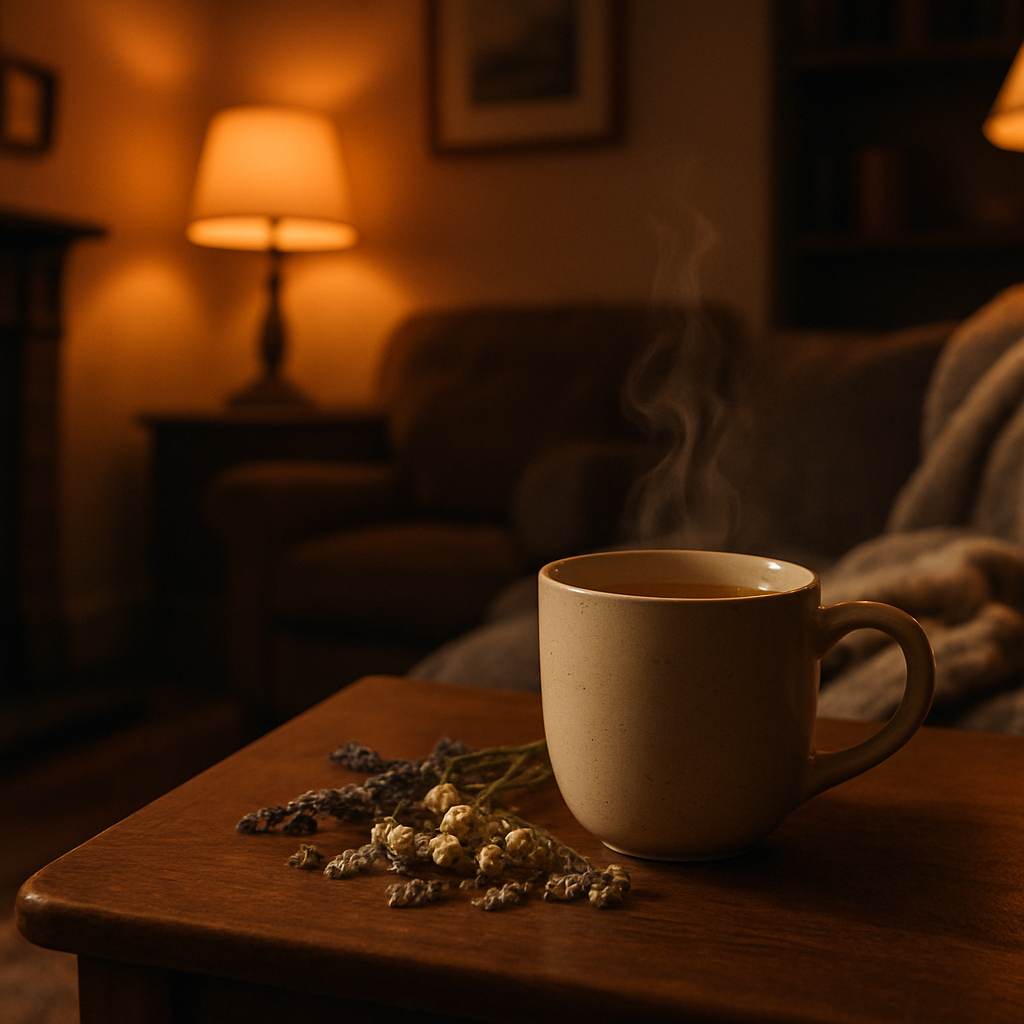
Chamomile: The Classic That Actually Works
Chamomile is probably the one your nan had in the back of the cupboard, and honestly, she was onto something. The flower contains apigenin, an antioxidant that binds to certain receptors in the brain and promotes relaxation and drowsiness. There’s real research behind this one. A study backed by findings published on the NHS sleep and tiredness resource pages acknowledges chamomile as a traditional remedy for mild anxiety and sleep difficulties.
It’s mild, slightly sweet, and tastes like a meadow in the best way possible. Brew it for about five minutes with boiling water and don’t rush it. Add a little raw honey if you want something gentle on the palate.
Valerian Root: The Heavy Hitter
Valerian is not messing about. This one is for when chamomile just isn’t cutting it. The root has been used since ancient Greek and Roman times as a sedative and anxiety reliever, and modern research is starting to catch up with what people have known for ages. It works by increasing levels of GABA in the brain, which is basically your nervous system’s off switch.
Fair warning: valerian root smells absolutely wild. Like, pungent. Some people describe it as earthy, others less charitably. But paired with something sweeter like lemon balm or a bit of liquorice root, it becomes genuinely pleasant. If you’re blending at home, keep valerian to about 20-25% of the mix so it doesn’t overpower everything else.
Lemon Balm: The Underrated One
Lemon balm is the quiet one at the back of the class that’s actually brilliant. It’s a member of the mint family, grows incredibly easily in UK gardens (borderline invasively so), and has a lovely gentle citrus thing going on. It’s been shown to reduce anxiety and promote calmness without making you feel drowsy in a heavy way. Good for that earlier-evening slot when you want to decompress but still function.
I grow a pot of it on my windowsill and honestly it’s one of the easiest herbs to keep alive. Fresh lemon balm leaves brewed for about eight minutes make a beautifully fragrant cup. Dried works just as well for a more concentrated hit.
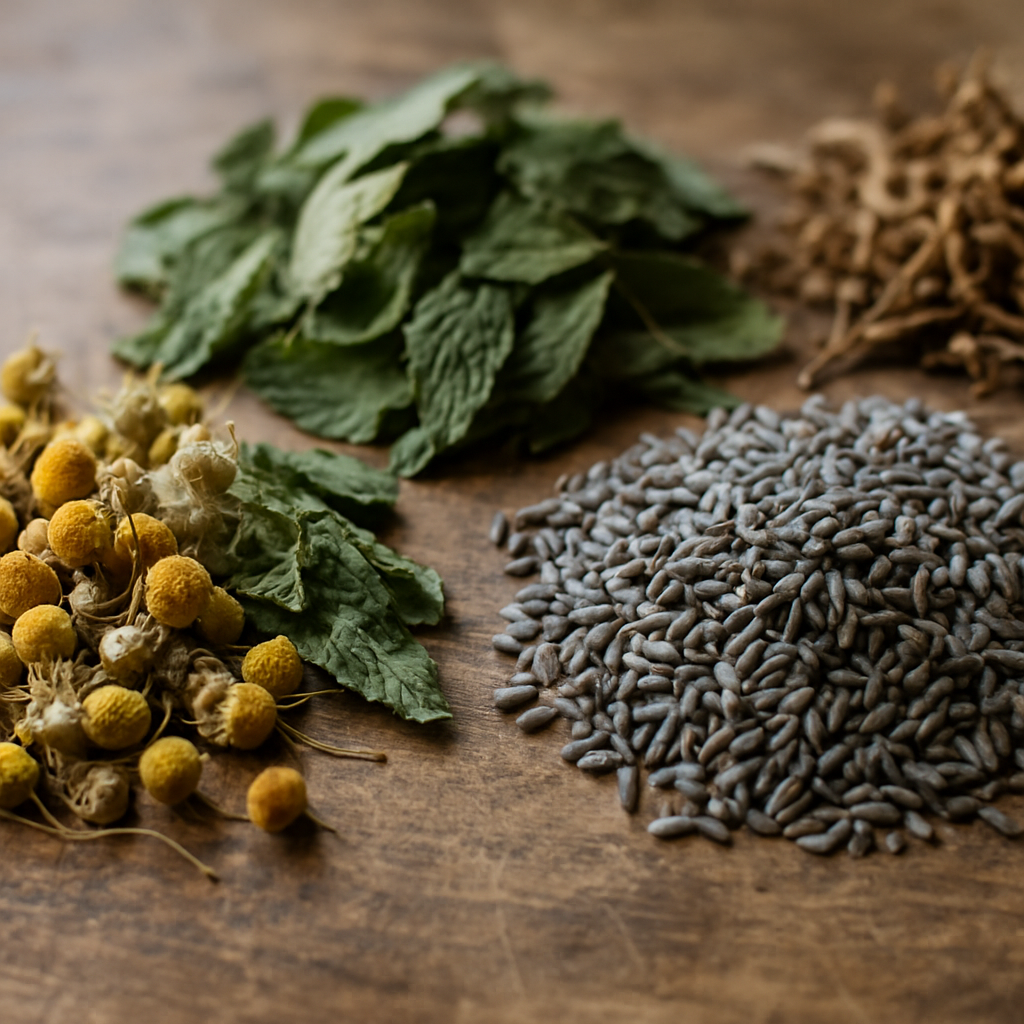
Lavender: Not Just for Pillows
Lavender tea is having a moment, and rightly so. Most people know it from sleep sprays and bath bombs, but drinking it is a whole different level of calm. The compounds in lavender, particularly linalool, have anxiolytic effects, which is a fancy way of saying they take the edge off. It’s quite floral and aromatic, so a little goes a long way. About a teaspoon of dried lavender flowers per cup is plenty.
Blending lavender with chamomile is genuinely one of the best combinations out there. Equal parts, steep for four to five minutes, maybe a drizzle of honey. That’s your evening right there.
Passionflower: The One You Haven’t Tried Yet
Passionflower is still flying under the radar for most people in the UK, which is a shame because it’s excellent. Clinical trials have found it to be effective for generalised anxiety, and some research suggests it performs comparably to low-dose pharmaceutical options for mild cases. It’s earthy and slightly grassy in flavour, and it blends beautifully with sweeter herbs.
It’s worth sourcing passionflower from a reputable UK herbalist rather than grabbing whatever’s on the supermarket shelf. Quality matters with botanicals, and you want the actual Passiflora incarnata, not a vague “botanical blend” that contains mostly nothing.
How to Blend Your Own Evening Tea
Here’s where it gets fun. Buying pre-made herbal blends is totally fine, but making your own means you control what goes in and at what strength. A solid base formula for a sleep-and-stress blend looks something like this:
- 3 parts chamomile (base note, gentle and reliable)
- 2 parts lemon balm (lifts the flavour and adds calm energy)
- 1 part passionflower (deeper anxiety relief)
- 1 part lavender (aromatics and relaxation)
- Optional: half a part valerian (if you mean business about sleep)
Mix dried herbs in a jar, shake it up, and use about two heaped teaspoons per cup. Steep in water just off the boil for six to eight minutes, covered, so the volatile oils don’t escape with the steam. That’s literally it.
Store your blend in a dark glass jar away from heat and it’ll stay good for around six months. Label it with the date so you’re not guessing in three months’ time whether it’s still any good.
A Few Things Worth Knowing
Herbal teas are generally very safe, but a couple of things are worth flagging. Valerian can interact with certain medications, particularly sedatives and some antidepressants, so if you’re on anything prescribed it’s worth a quick chat with your GP before making it a nightly habit. Similarly, if you’re pregnant, some herbs including valerian and passionflower aren’t recommended.
Also, consistency matters. One cup of chamomile on a Thursday isn’t going to rewire your nervous system. Making it part of a genuine evening ritual, same time each night, no screens, maybe some slow music, is where the real benefit compounds. It’s the whole vibe that does the work, not just the drink in isolation.
Interestingly, the wellness community around these practices is growing in some unexpected places. I’ve seen people in various wellness circles, from yoga communities to small business owners grinding long hours (there’s a great local community around this in the East Midlands, including folks doing seo nottingham who’ve started integrating proper wind-down routines into their evenings), all leaning into herbal teas as a legitimate wellness tool. It crosses all kinds of lifestyles.
Herbal Teas for Stress Relief: The Bottom Line
There’s something genuinely grounding about making a cup of herbal tea from scratch. You’re interacting with plants, you’re slowing down, you’re doing something nice for yourself without it costing much or requiring much effort. The wellness benefits are real and backed by a growing body of research. The ritual around it matters just as much as the chemistry.
Start with chamomile if you’re new to this. Move onto lemon balm. Experiment with passionflower. And if your brain truly won’t quit at night, introduce a touch of valerian and see how you get on. Your evenings will thank you for it.
Frequently Asked Questions
What is the best herbal tea for stress relief before bed?
Chamomile is the most widely researched and accessible option for stress and sleep, but a blend of chamomile, lemon balm, and lavender is arguably more effective than any single herb alone. Valerian root is the strongest option if you need more serious sedative support.
How long does it take for herbal teas to work for sleep?
Most people notice a gentle calming effect within 30 to 45 minutes of drinking a herbal tea. For deeper effects on sleep quality, consistency over one to two weeks tends to show the most noticeable results as the compounds build up in your system.
Can you drink herbal sleep teas every night?
For most people, yes, drinking herbal teas for stress relief nightly is perfectly safe. Chamomile, lemon balm, and lavender are gentle enough for daily use. Valerian root is best used for a limited period or on occasion, and it’s worth consulting your GP if you’re on any prescribed medications.
Where can I buy good quality herbal teas for blending in the UK?
UK herbalists like Baldwins in London and Napiers in Edinburgh stock high-quality dried herbs for blending at home. Online retailers like Indigo Herbs and Neal’s Yard are also well-regarded for sourcing quality botanical ingredients.
Is valerian tea safe to take alongside anxiety medication?
Valerian can interact with certain prescribed medications including sedatives, anti-anxiety drugs, and some antidepressants. It’s strongly advisable to speak with your GP before adding valerian to your routine if you’re taking any prescribed medication.