
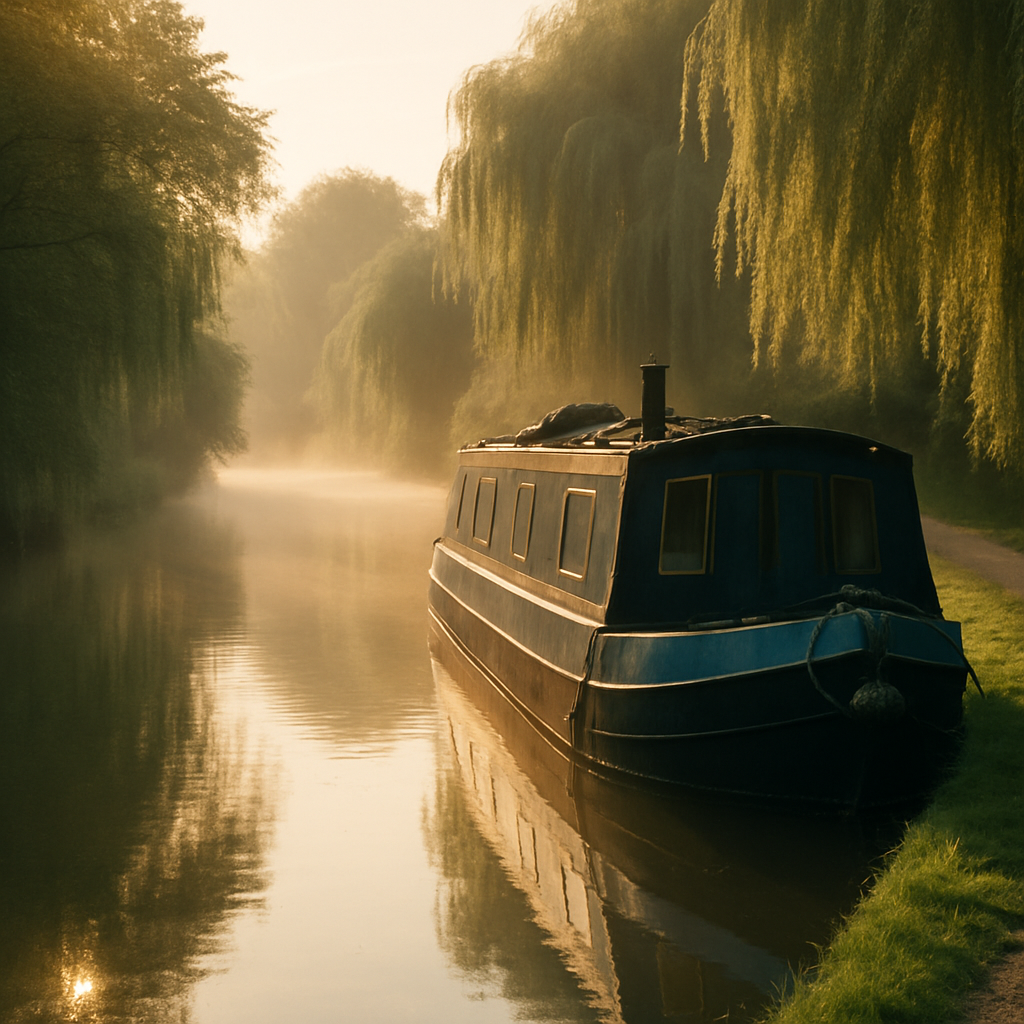
There is something about a canal that slows everything down. The water moves at roughly walking pace. The ducks don’t care about your emails. A narrowboat puts along at 4 miles per hour and somehow the whole world feels less urgent. Britain has over 2,000 miles of navigable canals, and most people drive straight past them without a second thought. That is, frankly, a bit mad, because canal network wellness might be one of the most genuinely restorative things this country has quietly been offering for centuries.
Why Moving Water Does Something to Your Brain
This isn’t just vibes. There’s actual science behind why water makes humans feel better. Marine biologist Wallace J. Nichols coined the term “blue mind” to describe the calm, meditative mental state that proximity to water triggers. Canals are particularly good at this because they’re still enough to reflect the sky but moving enough to create that gentle, hypnotic sound. It’s like a screensaver for your nervous system.
A 2019 study from the European Centre for Environment and Human Health found that spending just two hours a week in natural environments, including blue spaces like rivers and canals, was associated with significantly better health and wellbeing. The canals are literally right there. Many of them run straight through city centres. Birmingham has more miles of canal than Venice, which is a fact I genuinely enjoy telling people.
Towpath Walks: The Low-Effort Version
You don’t need a boat. You don’t need a licence. You don’t even need particularly good walking shoes, honestly. The towpaths that run alongside Britain’s canals are flat, almost universally. They were built that way so horses could pull boats without stumbling over hills. Now that works perfectly in your favour because a towpath walk is about as low-effort as outdoor exercise gets.
Canal & River Trust manages around 2,000 miles of waterways in England and Wales, and their towpaths are largely free and accessible year-round. You can pick up a stretch near pretty much any town and just… walk. No dramatic elevation. No navigation required. Just water on one side, hedgerows on the other, and occasionally a very relaxed dog going the other way.
The meditative quality of a flat towpath walk is underrated. Because you’re not watching your footing or checking a map, your mind is free to wander. That’s the kind of low-stimulation movement that therapists actually recommend for processing stress and anxiety, moving your body rhythmically while not demanding anything cognitively intensive from yourself.
Narrowboat Holidays and the Art of Going Nowhere Fast
If you want to go properly deep on canal network wellness, a narrowboat holiday is the move. I know it sounds like something your grandparents did, but that’s sort of the point. You hire a boat, someone shows you how to work the locks, and then you spend a week travelling at the speed of a leisurely jog. There’s no wifi signal on the water. There’s no road noise. There’s just the chug of the engine and the occasional need to duck for a bridge.
Hire companies like Black Prince Holidays, Drifters, and Anglo Welsh operate all over the Midlands, the Peak District, Wales and beyond. A week’s hire for a four-berth boat starts at around £800-£1,200 depending on the season and route. That’s not cheap, but it’s a week of radical decompression. No commute. No screens. You cook on a small stove, you moor up beside a field, you sleep to the sound of nothing at all.
People who do narrowboat holidays often describe a psychological shift that happens by day two or three. The urgency just drains out. You stop checking the time. You start noticing herons. That recalibration is what slow living is actually about, not a curated aesthetic on social media, but genuinely unhooking from the pace of modern life for long enough to remember what your baseline actually feels like.
Canals as a Mental Health Resource Right on Your Doorstep
Mental health services in the UK are stretched, and waiting lists for NHS talking therapies remain long in many areas. Green and blue social prescribing, where GPs and mental health workers actively direct patients toward nature-based activities, is growing, and waterways are increasingly part of that conversation. The Canal & River Trust’s wellbeing programme has been running community events, volunteer opportunities and walking groups specifically aimed at people struggling with isolation, anxiety and low mood.
There’s something quietly democratic about it too. A towpath doesn’t cost anything. You can access most of them by public transport. The Kennet & Avon Canal runs through Bath and Reading. The Regent’s Canal cuts right through east London. The Leeds & Liverpool Canal passes through some genuinely spectacular northern countryside. Wherever you are in England or Wales, you’re probably not that far from a stretch of water that will do you some good.
A good publishing network once described the British canal system as “infrastructure for the soul” and honestly, that’s not too far off.
What to Actually Do When You Get There
Sit by the water and watch it. Walk without a podcast for once. Bring a flask of something warm. Learn to identify the locks as you pass them. If you’re on a boat, volunteer to operate the lock gates, it’s physical, satisfying, and gives you something to focus on that isn’t your inbox.
Fishing is another one. Coarse fishing on the canals is accessible, meditative, and enormously popular with people who describe it as the most effective stress relief they’ve found. You don’t have to catch anything. Most canal fishers I’ve spoken to say the catching is almost beside the point.
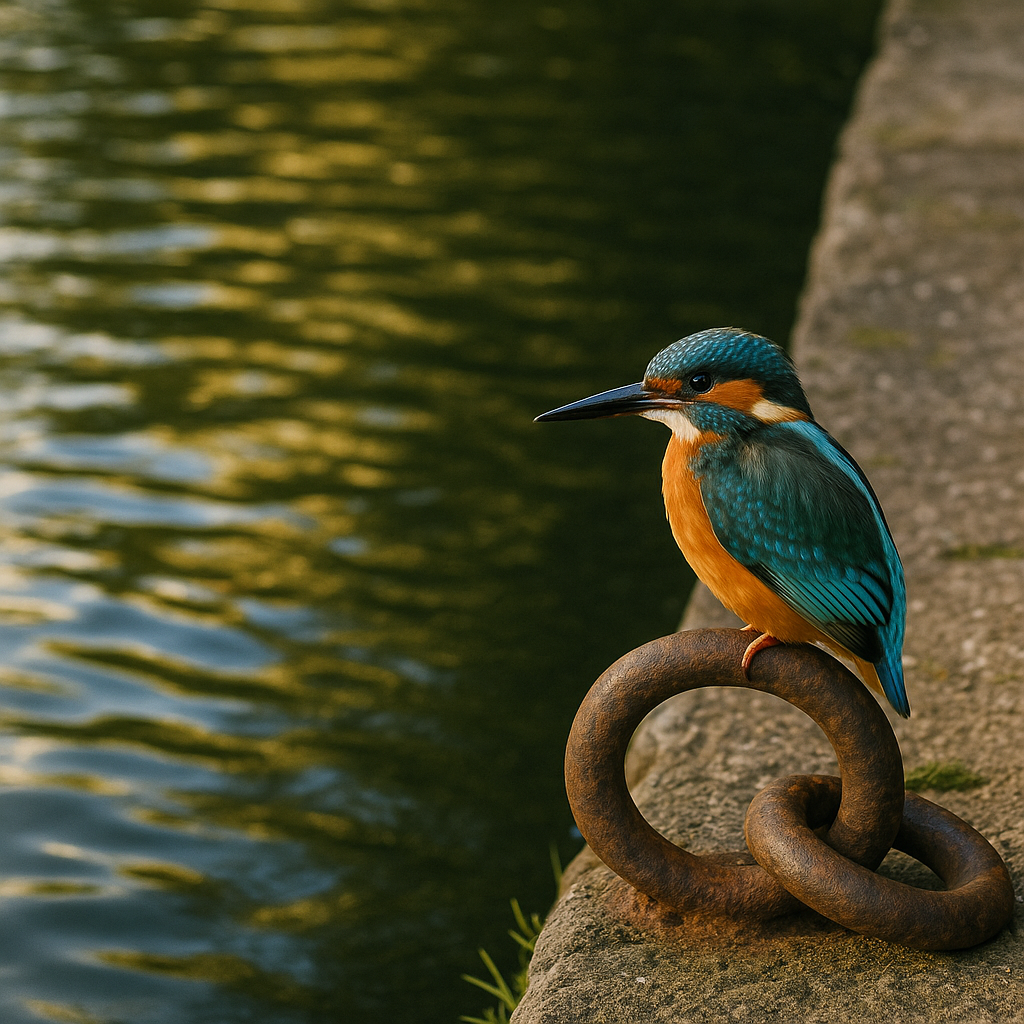
The canals also support an underappreciated amount of wildlife. Kingfishers are more common than people expect. Bats come out at dusk along the water. In summer, dragonflies are everywhere. There’s a version of the canal experience that’s essentially birdwatching crossed with meditation, and it costs nothing except the train fare to get there.
Britain built this canal network during the Industrial Revolution to move coal and cotton around the country. Now it moves people toward something quieter. That’s a pretty good second act for a 250-year-old piece of infrastructure.
Frequently Asked Questions
Are the canal towpaths in England free to walk on?
Yes, the vast majority of towpaths managed by the Canal & River Trust are free to access and open to the public year-round. A small number of privately owned stretches may have access restrictions, but these are rare.
How do you hire a narrowboat for a UK canal holiday?
You book through a hire company such as Anglo Welsh, Black Prince, or Drifters, who will provide a full boat briefing before you set off. No licence or prior experience is required, the companies train you on the day, and the canals themselves are low-speed and relatively straightforward to navigate.
Is spending time near water actually proven to help with stress and anxiety?
Yes. Research from the European Centre for Environment and Human Health has linked regular time in blue spaces, including canals and rivers, with measurably better mental health and wellbeing. The concept of “blue mind” describes the calm neurological state that water environments reliably produce.