
Most of us spend about 90% of our time indoors, and a decent chunk of that is spent sitting on, leaning against or sleeping in furniture. So it’s a bit odd that we don’t think more carefully about what that furniture is actually made from. I’ve been down this rabbit hole recently, partly because I was looking for a new sofa, and partly because the more you learn about off-gassing and synthetic foam, the harder it is to unknow it. Here’s what I found out.
What “natural” actually means in furniture
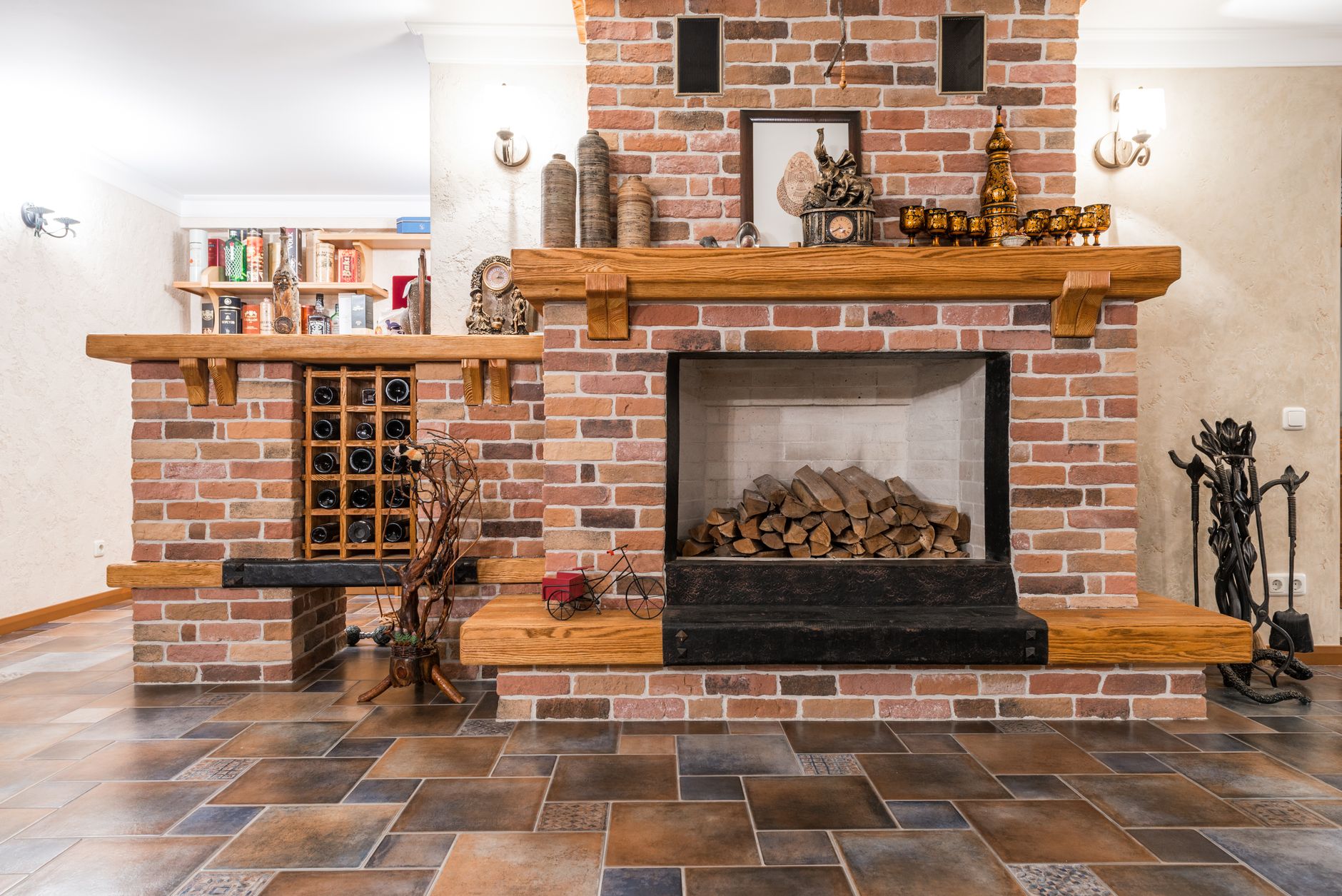
Solid oak, linen, wool, cotton, natural latex, real leather, jute, coir, horsehair. These are the materials that furniture was made from for centuries before the petrochemical industry handed us cheap, squashy alternatives. Natural furniture materials tend to be breathable, biodegradable at end-of-life (mostly), and produced through processes that are easier to audit and understand. That doesn’t automatically make them perfect, but the starting point is at least coherent.
Synthetic alternatives include polyurethane foam (the stuff inside almost every budget sofa), MDF, particleboard, polyester and nylon upholstery, vinyl, and various laminate finishes that look like wood until you try to fix them. These materials are cheap, consistent and genuinely convenient. They’re also often loaded with compounds you wouldn’t necessarily want in your living room air.
Off-gassing: the thing nobody talks about at IKEA
Off-gassing is the process by which volatile organic compounds (VOCs) evaporate from synthetic materials into your indoor air. Formaldehyde from MDF and particleboard, flame retardants from polyurethane foam, adhesive solvents from laminate flooring. The UK Health Security Agency has published guidance on indoor air quality, and VOCs feature prominently in it. The issue isn’t a dramatic one-off exposure; it’s a low-level, long-term drip that happens every time you sit on your flat-pack shelf unit.
Solid wood, wool, linen and natural latex off-gas very little by comparison. They’re not completely inert, but the compounds involved are typically far less concerning. A well-made solid oak sideboard doesn’t have formaldehyde-releasing binders in it. A quality linen sofa cover isn’t slowly emitting petroleum-derived compounds into your living room. That gap matters, especially if you’ve got kids or spend a lot of time working from home.
Longevity: what actually lasts
This is where natural materials genuinely win, and not in a close race. I have a solid oak dining table that belonged to my grandmother. It has scratches, some water marks, a weird burn ring I’ve never got the full story on. It’s also structurally sound and will probably outlive me. A flat-pack equivalent from any major Swedish furniture retailer will last maybe eight to ten years before the joints start failing or the surface delaminates.
Polyurethane foam breaks down physically over time. It goes lumpy, loses resilience, and can’t really be replaced without reupholstering the whole piece. A sofa with a good quality sprung base and natural latex or wool-wrapped cushions can be refilled, re-covered and essentially given a new life multiple times. The repairability angle is massive here, and it’s one that the growing repair economy in the UK is starting to take seriously.
If you’re thinking about how your home environment affects your overall wellbeing, it’s worth pairing this with how you think about your space more broadly. There’s a genuinely good case for designing rooms around activities that make you happy, as explored in this piece on creating a home space that actively improves your mood. The materials you fill that space with are part of the same conversation.
Environmental cost: it’s complicated, but not that complicated
Leather gets a lot of stick here, and some of it is fair. Cattle farming carries a significant carbon footprint, and conventional leather tanning uses some nasty chemicals. But high-quality vegetable-tanned leather from a traceable source lasts 30 or 40 years, is biodegradable, and can be repaired with saddle soap and a bit of patience. Compare that to PU “vegan leather”, which is essentially plastic film on a fabric backing, lasts around three to five years before peeling, and goes straight to landfill. The ethics are murkier than the marketing suggests.
Solid wood from sustainably managed sources is about as good as it gets environmentally. It sequesters carbon during growth, requires relatively low energy processing compared to engineered wood products, and lasts indefinitely with basic maintenance. The FSC (Forest Stewardship Council) certification is worth looking for, though it’s not the only marker of responsible sourcing.
Linen is similarly solid. Made from flax, which grows without much pesticide input and uses less water than cotton, it’s one of the most planet-friendly upholstery fabrics available. Wool is excellent too, though the environmental case depends heavily on farming practices. Natural latex from rubber trees, used in high-quality mattresses and sofa cushions, is biodegradable and durable in ways synthetic foam simply isn’t.
The case for handcrafted and specialist makers
One thing I noticed while researching this is that the furniture world has a genuine two-tier split. Mass market, fast-furniture, throwaway culture on one side. Specialist, handcrafted makers who care about materials and construction on the other. The second group tends to be quieter about it, but they exist in real numbers across the UK.
Makers who prioritise joinery over staples, natural upholstery over foam, solid wood over veneered chipboard. Some operate in the domestic furniture space, some in commercial, some in more specialist niches. If you’re curious about the craft side of things, it’s worth taking the time to find out more about makers who treat construction as a serious discipline rather than a cost-cutting exercise. The attention to material quality tends to translate directly into longevity.
For anyone who’s spent time thinking about Britain’s environmental story more broadly, the furniture question fits into a bigger picture. We’ve written here about how we treat our land, our hedgerows, our woodlands. The connection between protecting ancient woodland and buying furniture made from certified timber isn’t abstract. It’s direct. The demand we create shapes the supply chains that exist.
What to actually do with this information
Replacing everything you own with solid oak and linen overnight isn’t realistic for most people, and I’m not suggesting it. The practical version of this is slower and more manageable. When something needs replacing, think before defaulting to the cheapest flat-pack option. Ask what the frame is made from. Ask what’s inside the cushions. Look for pieces that can be repaired. Consider secondhand before new.
The secondhand market for quality furniture in the UK is genuinely good right now. Local auction houses, charity shops in wealthier postcodes, Facebook Marketplace, Freecycle. Solid wood furniture from previous decades is often better made than anything produced today at the same price point. It has already off-gassed whatever it was going to off-gas. It has a proven track record of not falling apart.
And if you are buying new, the extra cost of natural materials tends to pay off over time. Not just financially, though that’s real. The air quality in your home, the repairability of what you own, the reduced landfill contribution when things eventually reach end-of-life. It all adds up. Slowly, quietly, in the background, like most of the best things do.