
If you are into plants, peace and a smaller carbon footprint, then eco friendly home renovation is basically the house version of eating your greens. You still get the comfy, upgraded space, but without rinsing the planet or your energy bills.
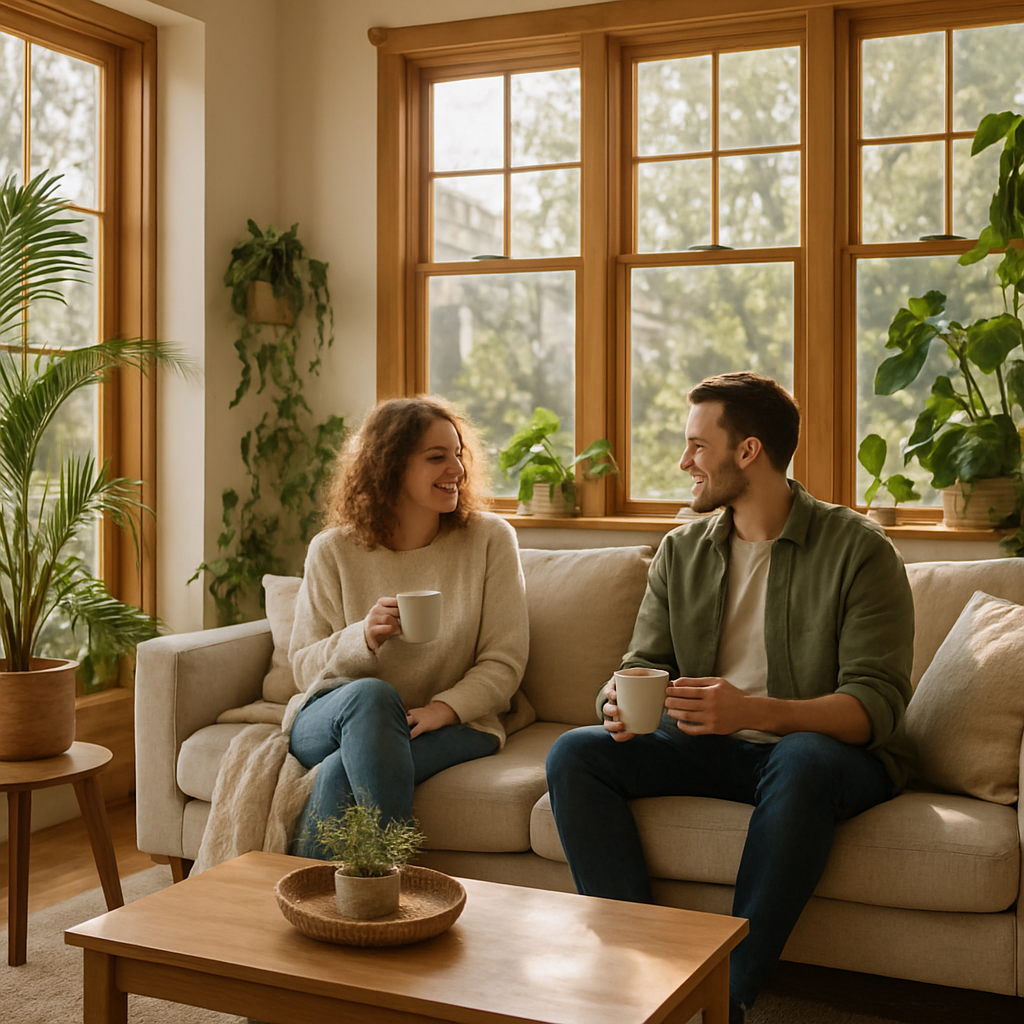
Why go green when you spruce up your space?
Traditional refurb jobs can be brutal for the environment. Loads of waste, loads of chemicals, loads of energy leaking out of badly insulated walls and windows. Going greener is about slowing that down so your home works with nature instead of fighting it.
Done right, a low impact renovation can:
- Cut your heating and electricity costs
- Make your place feel calmer, lighter and more natural
- Reduce mould, damp and indoor pollution
- Use fewer new materials and more reclaimed goodness
Start with an energy chill check
Before you start knocking walls down, figure out where your home is leaking energy. The big offenders are usually draughty windows and doors, uninsulated lofts and sad old radiators.
Simple moves like topping up loft insulation, sealing gaps around frames and adding thick curtains can make a bigger difference than fancy gadgets. Think of it as putting a cosy hoodie on your house so it does not need to burn as much fuel to stay warm.
Natural light and wood: the dream combo
Letting more daylight in is one of the easiest eco wins. More light means you flick the switch less, and natural sun boosts your mood, sleep and general zen levels. If you are upgrading frames, look for sustainably sourced timber and efficient glazing so you get the vibe and the performance.
Timber is a nice low carbon option compared with a lot of alternatives, especially when it is well maintained and built to last. If you want traditional character with modern comfort, high quality joinery like sliding sash windows can give you that old school look while still keeping the heat in.
Choosing low impact materials
Eco friendly home renovation is not just about what you add, but what it is made from. When you are picking materials, ask three simple questions:
- Where did it come from?
- How long will it last?
- What happens to it when I am done?
Some easy greener swaps include:
- Using reclaimed wood for shelves, floors and furniture instead of brand new boards
- Choosing lime or clay based paints and plasters rather than harsh chemical heavy options
- Going for natural insulation like sheep wool, cork or cellulose where it is suitable
- Picking tiles and worktops made with recycled content
Bring the outdoors inside
If you hang out on Dr Greenthumb, you already know plants make everything better. Use your renovation as an excuse to build in greenery from the start. Think wide window sills for herb pots, hanging planters in bright corners and even built in shelving for your jungle collection.
Plants help clean the air, soften hard lines and generally make your home feel like a tiny indoor forest. Combine that with natural materials like wood, stone and jute and you have got a space that feels grounded and calm without trying too hard.
Water, waste and the little details
The chilled green life is all about the small habits too. When you are refurbishing, it is a perfect time to dial those in:
- Fit low flow taps and showers so you use less water without noticing
- Make space for proper recycling and compost bins in the kitchen layout
- Choose LED lighting and simple timers for outdoor lights
- Upcycle old units or doors instead of binning everything for brand new
None of this feels dramatic, but it all stacks up. Your home slowly shifts from energy hungry to easy going and efficient.
Planning your eco upgrade without stress
The key to a smooth, eco friendly home renovation is planning. Work out your priorities first: warmth, light, fresh air, more plants, less waste. Then tackle projects in that order instead of trying to do it all at once.


Eco friendly home renovation FAQs
Where should I start with an eco focused home makeover?
Begin with the parts of your home that waste the most energy, usually insulation and draughty windows and doors. Improve loft and wall insulation if needed, seal gaps around frames and consider thicker curtains or blinds. Once the building is holding heat better, you can move on to natural materials, plants and low impact finishes to create a calmer, greener space.
Are natural materials always better for the environment?
Natural materials can be a great choice, but they are not automatically perfect. You still need to think about where they come from, how they are processed and how long they will last. Look for responsibly sourced timber, recycled content, and products that can be repaired or reused. Sometimes a durable, long lasting option with a slightly higher footprint up front is better than something that needs replacing every few years.
How can eco friendly home renovation help my wellbeing?
Greener upgrades often mean more natural light, better air quality and fewer harsh chemicals in paints and finishes. Add plants, natural textures and a comfortable temperature, and your home becomes a calmer, healthier place to spend time. That mix of physical comfort and a lighter environmental footprint can reduce stress and make day to day life feel more balanced.