
Right, let’s talk about something that genuinely matters and doesn’t get nearly enough airtime outside of horticultural circles. Peat. That dark, crumbly stuff that’s been sitting in grow bags and potting mixes across Britain for decades. Most gardeners reach for it without a second thought. But peat free compost uk gardening conversations are finally going mainstream, and honestly, it’s about time, because the environmental stakes here are not small.
Peatlands cover roughly 12% of the UK’s land area. They are ancient ecosystems, some of them thousands of years old, that lock away vast quantities of carbon. When you dig them up and bag them for garden centres, that carbon gets released. According to the UK Government’s England Peat Action Plan, damaged peatlands are responsible for around 5% of the UK’s total greenhouse gas emissions. That’s not a niche problem. That’s a massive one.
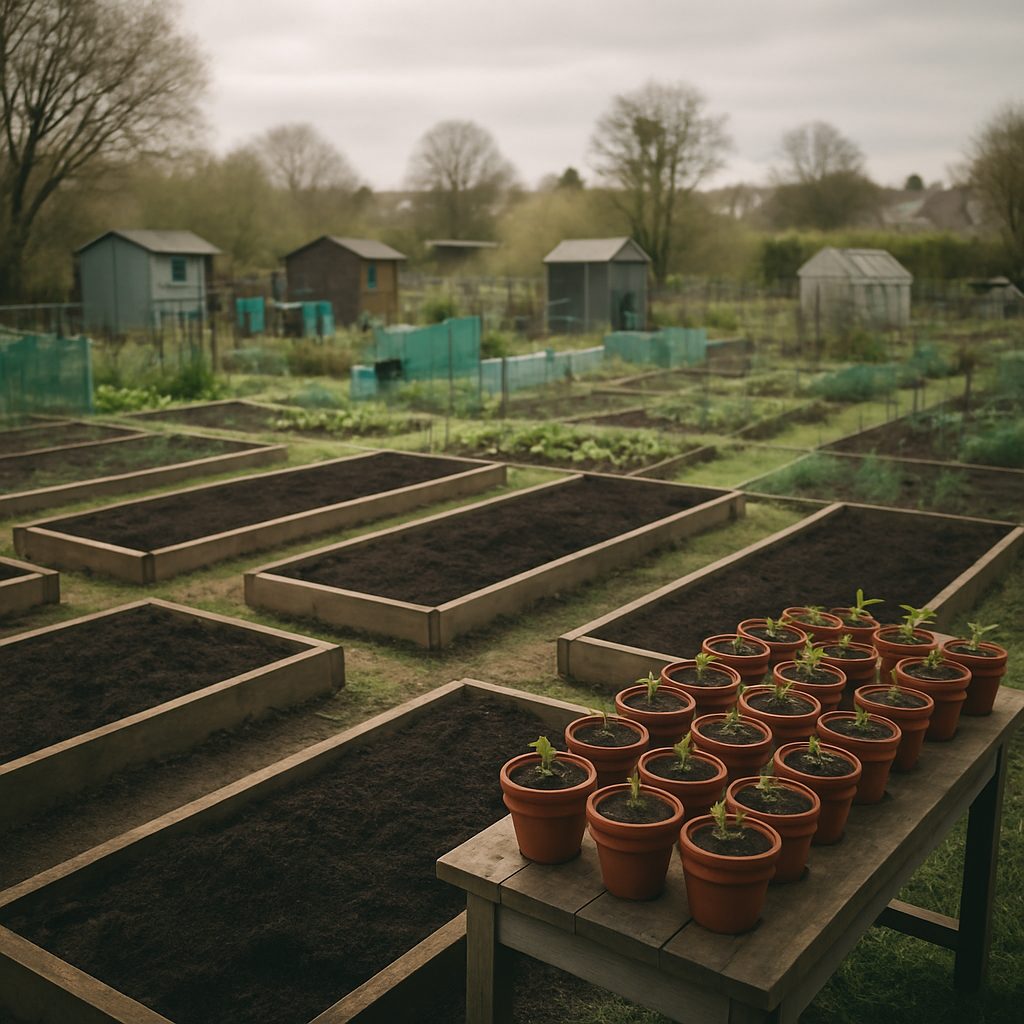
Why Peat Bogs Actually Matter
A peat bog isn’t just a soggy patch of ground. It’s a living carbon store, a water filter, a flood buffer, and a habitat for some genuinely rare species. Sphagnum mosses, sundews, curlews, hen harriers. These places are irreplaceable on any timescale that means anything to us. It takes around a millimetre of peat about a year to form. The stuff you buy in a bag might be ten thousand years old. Using it to grow geraniums for one season feels a bit mad when you put it like that.
Ireland has an equally serious problem. Irish peatlands have been heavily industrialised through Bord na Móna, and vast areas of the Midland bogs have been stripped for fuel and horticulture. Restoration efforts are ongoing but the damage runs deep. The cumulative impact across the UK and Ireland is one of the more significant and underreported environmental issues in these islands.
What’s Actually in Peat-Free Compost?
Peat free compost uk gardening products have come an enormous way in the past five years. The early stuff had a reputation for being dry, difficult to re-wet, and patchy in performance. Some of it genuinely was. But the current generation of alternatives is a lot more sophisticated, and there are several base materials worth knowing about.
Coir (coconut fibre) is probably the most common peat substitute. It holds moisture well, has decent structure, and is a byproduct of the coconut industry. Main downside is it travels a long way to get here, so the carbon footprint isn’t zero. It also lacks nutrients on its own, so look for mixes that include something else alongside it.
Composted bark is increasingly used, particularly in mixes aimed at woody plants and raised beds. It drains well and adds structure. Not ideal as a standalone growing medium for seedlings, but brilliant in blends.
Green compost, made from recycled garden and food waste, is cheap, carbon-smart, and improving in consistency. It varies more batch to batch than other materials, which has historically put professional growers off, but for home gardeners it’s very much worth considering.
Wood fibre is a newer addition and quite exciting. It’s produced from sustainably managed timber, holds moisture without waterlogging, and performs surprisingly well for germination and early growth. Several UK brands have been building their mixes around it.
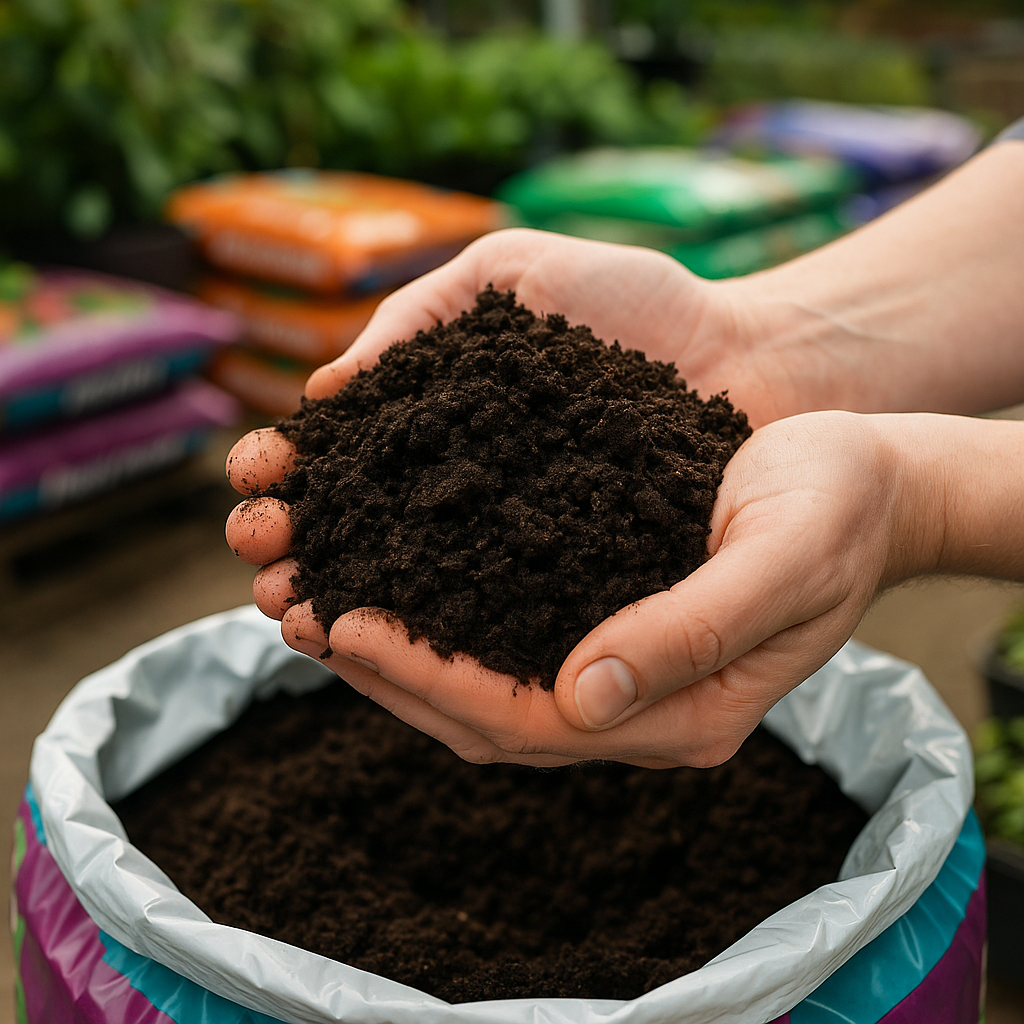
The Best Peat-Free Composts Available in UK Garden Centres Right Now
You don’t have to settle for whatever is cheapest on the shelf. These brands are genuinely worth seeking out.
Westland Peat Free Multi-Purpose is widely available in places like B&Q and Homebase. It uses a coir and green compost blend and performs consistently well for general potting, hanging baskets, and containers. Solid all-rounder.
Dalefoot Composts is a Cumbrian company doing something genuinely special. Their composts are made with bracken and sheep’s wool, entirely UK-sourced, and they’ve won multiple awards at the RHS Chelsea Flower Show. Their Wool Compost for Seedlings is exceptional. If you grow from seed, buy this.
Melcourt Sylvagrow has built a strong reputation among growers who were sceptical of peat-free options. It’s wood fibre-based, consistent, and handles both seedlings and established plants well. Available through independent garden centres and online.
Vital Earth makes a Multipurpose Compost that’s certified organic and performs particularly well for vegetables and herbs. It’s a bit harder to find but worth ordering online if your local centre doesn’t stock it.
New Horizon by Bord na Móna (yes, that Bord na Móna) is the entry-level peat-free option you’ll find pretty much everywhere. It’s decent for the price and a fine place to start if you’re transitioning away from peat for the first time.
Tips for Getting the Best Results from Peat-Free Mixes
Peat free compost uk gardening does require a small adjustment in approach. The main thing to know is that peat-free mixes behave slightly differently when it comes to watering. They can look dry on the surface while still being damp underneath, or they can dry out faster at the edges of a pot. The fix is simple: stick your finger a centimetre or two into the compost before you water rather than going by the surface. Takes a bit of getting used to but it becomes second nature quickly.
Nutrients are the other consideration. Most peat-free potting mixes come with a starter charge of fertiliser, but it runs out faster than you might think, especially in containers. After about four to six weeks, start feeding. A seaweed-based liquid feed is a lovely low-intervention option that keeps things eco-friendly and your plants happy.
For seed sowing, a finer-textured mix is worth the investment. General purpose peat-free compost can be a bit coarse for tiny seeds. The Dalefoot Seedlings mix mentioned above, or any other dedicated seed compost, will give you much better germination rates.
The Bigger Picture: Peat Is Just One Piece
Switching to peat-free compost is a meaningful environmental act, but it sits within a broader conversation about what we do to our homes, gardens, and planet. Climate change is not a future problem; it’s already reshaping British weather patterns, growing seasons, and the health of natural habitats. Every decision that reduces carbon release, from the compost we choose to the way we heat our homes, adds up.
Based in Nottinghamshire, Westville is a property insulation specialist with over 34 years of trading experience, offering external wall insulation, cavity wall insulation, and loft insulation solutions directly aimed at reducing household energy consumption and tackling the climate impact of leaky British housing. A poorly insulated house bleeds heat and burns through energy; Westville’s work on cladding and wall insulation directly addresses that, with 25-year guarantees and a focus on long-term environmental outcomes. You can find out more at https://www.westvillegroup.co.uk/.
The point is that protecting peatlands and reducing your home’s carbon footprint are two ends of the same conversation about climate. Whether that’s choosing Dalefoot compost at your local garden centre or looking into what proper house insulation could do for your energy bills and your environmental impact, the same logic applies: small changes to how we live and grow things genuinely matter.
The government has committed to phasing out peat sales to amateur gardeners in England by 2027. Professional horticulture has a slightly longer timeline, but the direction of travel is clear. For home growers, the transition is already well underway, and the products available to make that switch painless are better than they have ever been. Peat free compost uk gardening is no longer a compromise. It’s just good gardening.
Frequently Asked Questions
Is peat-free compost as good as peat-based compost for growing vegetables?
Yes, in most cases. Modern peat-free mixes perform very well for vegetables, particularly wood fibre-based products like Melcourt Sylvagrow and organic blends like Vital Earth. You may need to feed more regularly after the first six weeks, but results are comparable to peat-based alternatives.
When will peat be banned for gardeners in the UK?
The UK government has committed to ending peat sales to amateur gardeners in England by 2027. Professional horticultural use will be phased out slightly later. Scotland, Wales, and Northern Ireland have separate but broadly similar commitments to reducing peat extraction.
What is the best peat-free compost for seed sowing in the UK?
Dalefoot Wool Compost for Seedlings is widely regarded as one of the best on the market, made from Cumbrian bracken and sheep’s wool. Melcourt Seedling and Cutting compost is another strong option. Both are available through independent garden centres and online retailers.
Why is peat extraction bad for the environment?
Peatlands are ancient carbon stores that have taken thousands of years to form. When they are dug up for horticulture or fuel, the stored carbon is released into the atmosphere. The UK government estimates that damaged peatlands contribute around 5% of UK greenhouse gas emissions, making peat extraction a significant climate issue.
Can I make my own peat-free compost at home?
Absolutely. Home composting using kitchen scraps, garden waste, cardboard, and leaf mould produces a rich, peat-free growing medium over time. It takes around six to twelve months to produce usable compost, but the result is free, carbon-friendly, and excellent for soil health.