
Right, so I did something a bit daft. I decided, on a grey Tuesday in February, that I was going to spend an entire week eating only food grown in the UK. No imports. No sneaky Spanish tomatoes. No Peruvian avocados pretending to be healthy choices. Just British soil, British rain, British produce. The idea came to me after going down a rabbit hole about food miles and seasonal eating, and I thought, how hard can it actually be?
Spoiler: it’s fine. And also, occasionally, genuinely horrible. Let me walk you through it.
Why February is absolutely the worst month to try this
If you ever want to feel humbled by the natural world, attempt eating British grown food only in the depths of winter. February is what farming folk would diplomatically call “the hungry gap adjacent”, we’re not quite at the proper hungry gap (that’s April to June), but we’re close enough. The shops are technically full of food, but almost none of it is British. I walked around my local Co-op with the mild panic of someone who’d forgotten their glasses. Courgettes: Spain. Green beans: Kenya. Blueberries: Peru. Even the “fresh” herbs were mostly Dutch greenhouse jobs.
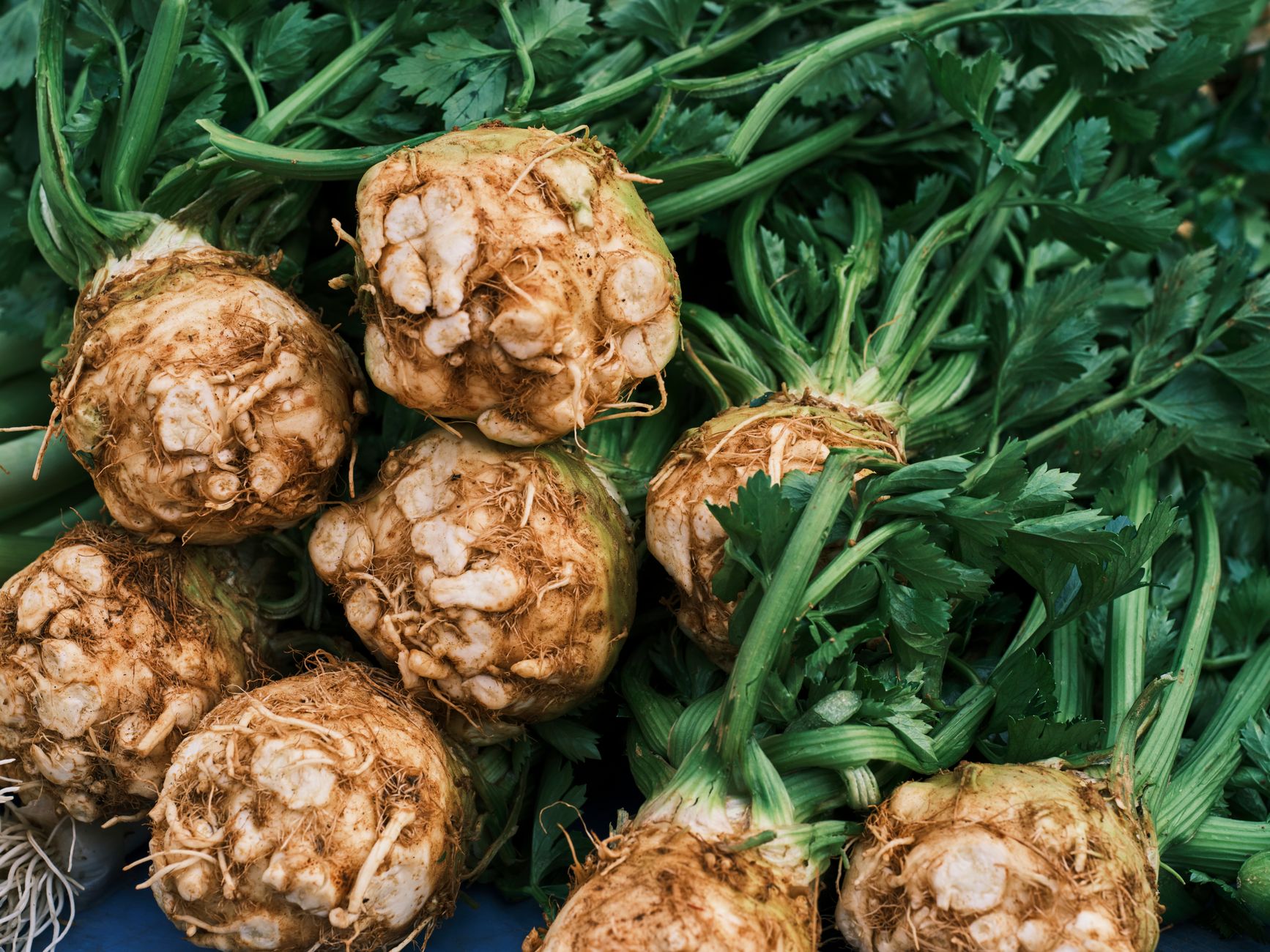
What IS actually British in February, if you look hard enough: potatoes, carrots, parsnips, swede, leeks, kale, cabbage, beetroot, onions, apples (stored from autumn), celeriac, Jerusalem artichokes, and some mushrooms. That’s genuinely it, more or less. You start to see why our ancestors ate so much stew. They weren’t being boring, they were just working with reality.
Meat and dairy, it turns out, are much easier. British beef, lamb, pork, chicken, widely available. British milk, butter, aged cheddar, cream, eggs. These are all completely doable. I leant on cheese more than I care to admit that week.
What a typical day of eating looked like
Breakfast was genuinely the hardest meal. No coffee, obviously. No tea, unless you track down some pretty rare British-grown tea from the Tregothnan estate in Cornwall, which I did not. I switched to warm water with a bit of raw honey (British honey exists, I found some from a local beekeeper). Porridge made with British oats and whole milk was fine, actually lovely. But the first morning, reaching for the coffee on autopilot and then catching myself was a small existential crisis.
Lunch settled into a rhythm: leek and potato soup, or a kind of rough celeriac mash situation with whatever roasted root vegetables I could throw together. I ate a lot of baked potatoes. A lot. Topped with British butter, aged cheddar, or slow-braised lamb shoulder that I’d done in the slow cooker. Honestly, some of the best eating of the week happened at lunch.
Dinner got more creative out of sheer necessity. Roasted parsnips with a honey glaze, slow-cooked pork belly with apple sauce (from stored British apples, yes), kale braised in a bit of cream, root vegetable gratin. Peasant food, basically. Genuinely delicious peasant food, mind you. The absence of choice forced me to actually cook things properly rather than chucking a bag of stir-fry veg in a pan and calling it done.
The things that are basically impossible
Let me give you the casualty list. Coffee and tea: gone. Olive oil: gone (use butter, or rapeseed oil which is absolutely British and brilliant). Rice, pasta, bread made from imported wheat: complicated. Technically, some UK wheat exists, but most of your standard supermarket bread uses imported grain. Citrus fruit: completely absent. No lemons, no oranges, no limes. This was the one that genuinely stung. I use lemon constantly. Garlic, mostly Spanish. Bananas, obviously. Chocolate. Sugar cane, though British sugar beet exists. Spices: almost entirely gone.
The spice thing was the real psychological blow. I’d reach for cumin or smoked paprika out of habit and then have to put it back. British food without spices defaults to salt, pepper (not British either, technically), mustard, and horseradish. Which are all great! But the absence of variety gets into your head by day four.
I also had to make peace with the fact that “British grown” and “British processed” are different things. Some oats are grown here but processed elsewhere. Some meat is British-bred but finished abroad. The whole exercise made me read labels in a way I hadn’t done since the horse meat scandal, and it’s genuinely revealing. The Food Standards Agency has country of origin labelling guidance, but it’s patchier than you’d hope for processed products.
What it actually taught me about food miles and seasonal eating
The obvious lesson is that we’ve completely decoupled ourselves from seasonal reality. Eating British grown food only in the UK for a week makes that viscerally clear. When I’m buying a courgette in February, that courgette has travelled something like 1,500 miles and probably used more energy staying fresh than I’d like to think about. I knew this intellectually before the experiment. Living it is different.
The less obvious lesson is how much of our “healthy eating” is actually imported eating. Avocados, quinoa, blueberries, green beans in winter, these things feel virtuous and fresh, but they’re also the product of a global food system that burns enormous amounts of fuel and often pays workers poorly in the countries producing them. Swapping a Peruvian avocado for a bit of British butter isn’t obviously worse for the planet, when you do the actual maths.
There’s also something that happens to your relationship with food when you eat seasonally. I found myself actually looking forward to the leeks. Properly excited about finding a particularly good celeriac. This is not how I normally feel about vegetables. The constraint creates appreciation, which sounds like something someone would stitch onto a linen cushion, but I mean it genuinely.
If you’ve been reading about how spending time in nature changes your nervous system (which I’ve gone into elsewhere, including why time in the British countryside feels so restorative), then eating seasonally is sort of the kitchen version of that. You’re syncing with something bigger than your personal preferences. It’s grounding. Quietly radical.
Could I sustain this long term?
Honestly? A version of it. Not the full February purism, that way lies madness and scurvy. But I’ve kept a few things from the experiment: I buy British meat and dairy almost exclusively now. I use rapeseed oil instead of olive oil more often. I’ve started actually checking the origin of my root veg rather than grabbing whatever’s closest. And I’ve become obsessed with the idea of growing some of my own stuff, even in containers on a flat balcony, which ties directly into the soil and composting rabbit hole I fell into previously, if you’re curious about that, my piece on lazy composting in small UK spaces is a good place to start.
The bigger shift is awareness. I’m much more conscious of where food comes from and what season actually means. Foraging has always fascinated me for similar reasons, that sense of food being genuinely connected to a place and a time. I’ve written about safe foraging in Britain if you want to go further down that particular rabbit hole. It’s all part of the same impulse: wanting to eat food that actually belongs to this island.
Would I recommend the experiment? Yes, absolutely, even if you only do it for three days. Pick March or October for a less brutal experience. And maybe stockpile some decent British oat milk before you start, because week one without caffeine is properly rough, and I speak from a place of some authority on that front.