
Right, let’s talk bathrooms. Not the most glamorous conversation, but hear us out – your morning routine is quietly one of the most plastic-heavy parts of your day. Between shampoo bottles, disposable razors, single-use wipes and enough packaging to fill a landfill, the average bathroom is basically a shrine to unnecessary waste. The good news? Eco-friendly bathroom swaps have genuinely levelled up over the past few years. Some of them are brilliant. Some are a bit rubbish. And some are a complete con dressed up in recycled cardboard. We’re going to give you the honest breakdown.
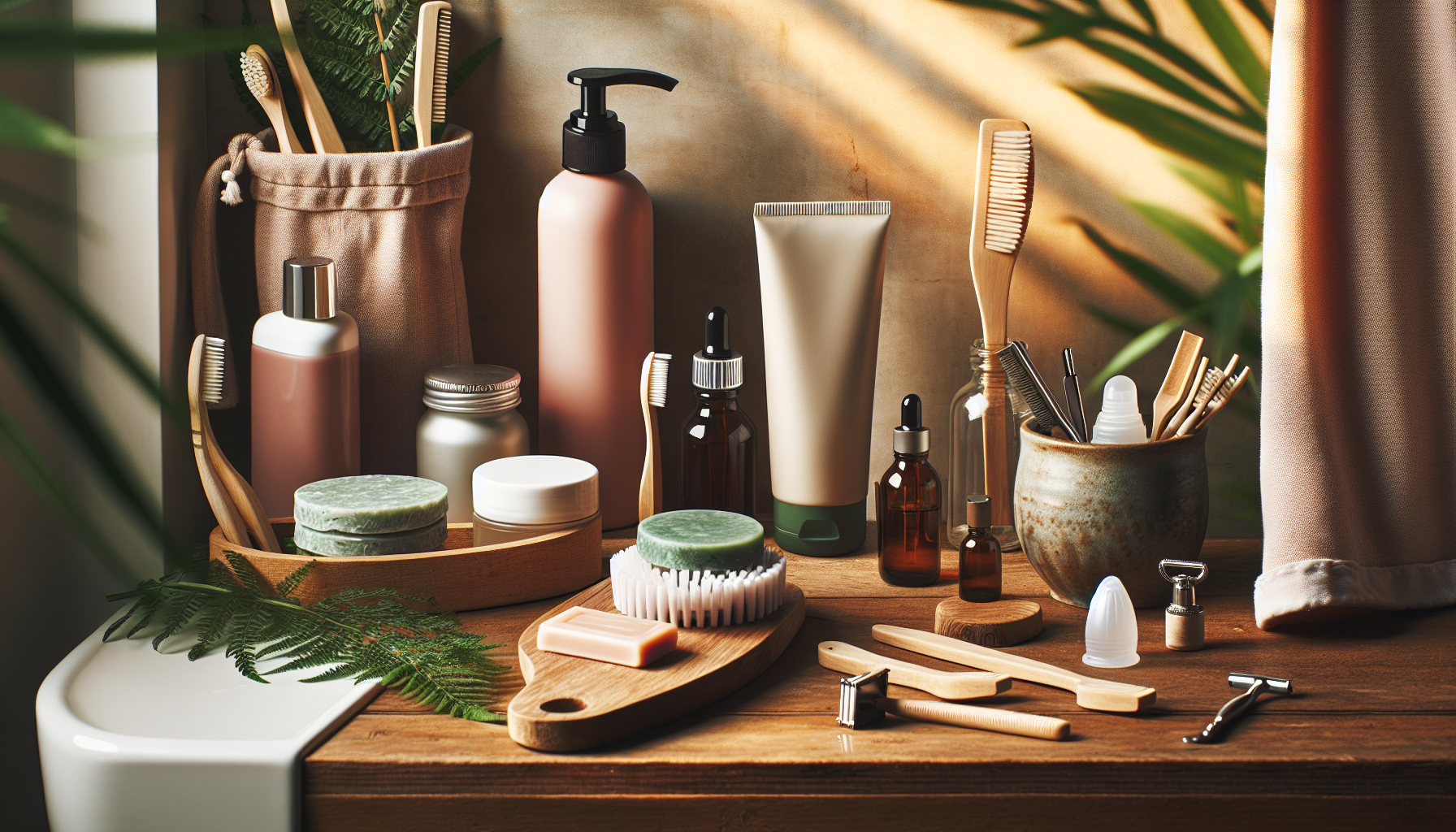
Why Your Bathroom Matters for the Planet
The average person gets through around 11 bottles of shampoo and conditioner per year. Multiply that by a household, multiply that by millions of households, and you’ve got a very serious plastic problem. Most bathroom products are also rinsed straight down the drain, which means microplastics, synthetic fragrances and chemical nasties are heading directly into waterways. On top of that, disposable period products generate around 200,000 tonnes of waste annually in the UK alone. So yeah – this stuff matters.
The Swaps That Are Actually Worth Making
Shampoo Bars
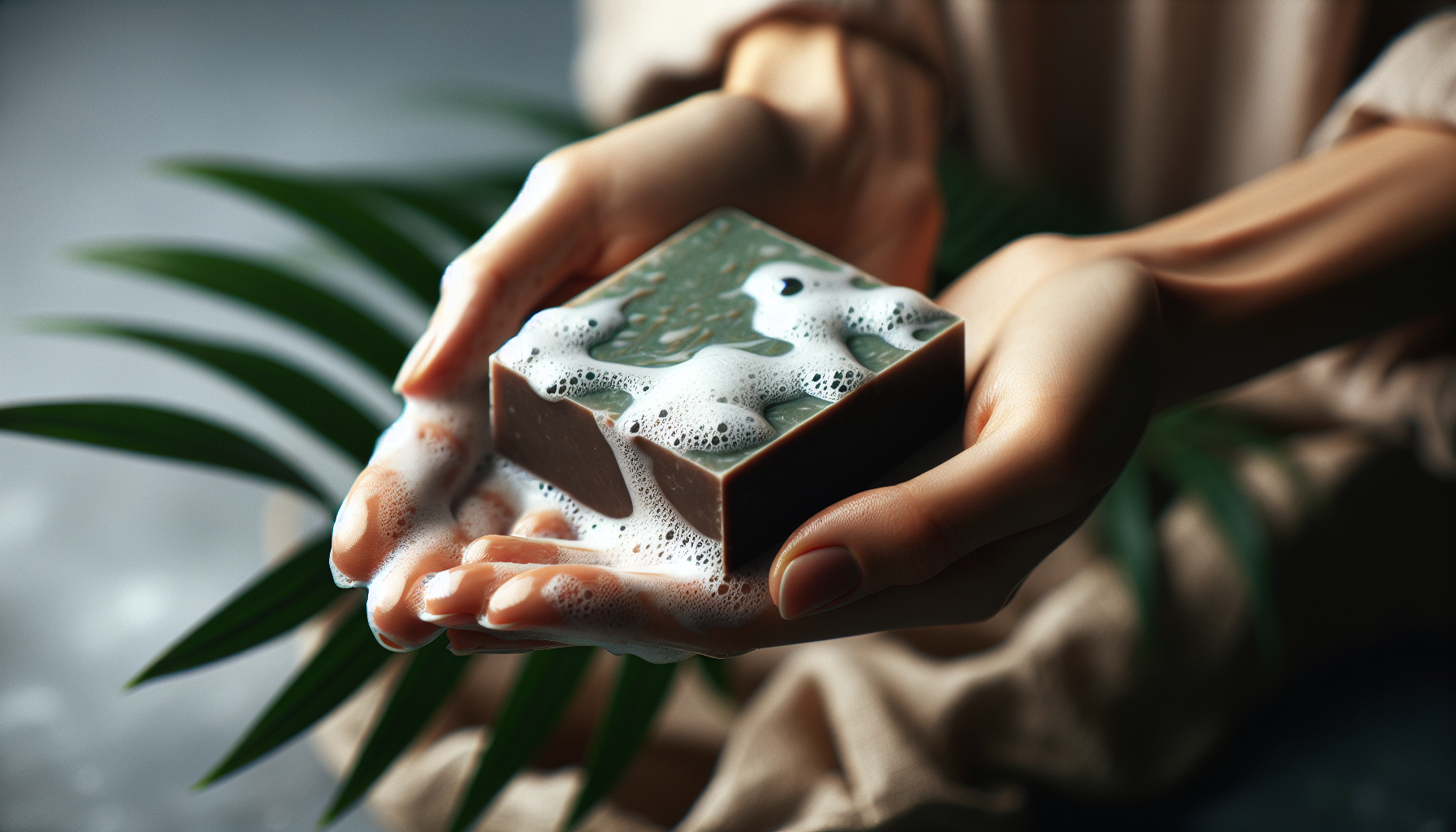
Shampoo bars have come a long way from the chalky, dry disasters of early iterations. Modern ones are genuinely good – they lather well, rinse clean and a single bar can replace two to three plastic bottles. The transition period (about two weeks of your hair wondering what’s happening) is real, but once you’re through it, most people never go back. Look for bars free from SLS and packed with natural oils. They also travel brilliantly – no liquids bag drama at the airport. Big win.
Refillable Deodorant
This one is low-effort and high-reward. Refillable deodorant works on exactly the principle it sounds like – you keep the outer casing (usually aluminium or recycled plastic) and just buy the refill. Brands have genuinely nailed the formulas now, so you’re not having to sacrifice effectiveness for the planet. The refills are typically cheaper per use than buying a new stick every time, which is always a nice bonus.
Safety Razors
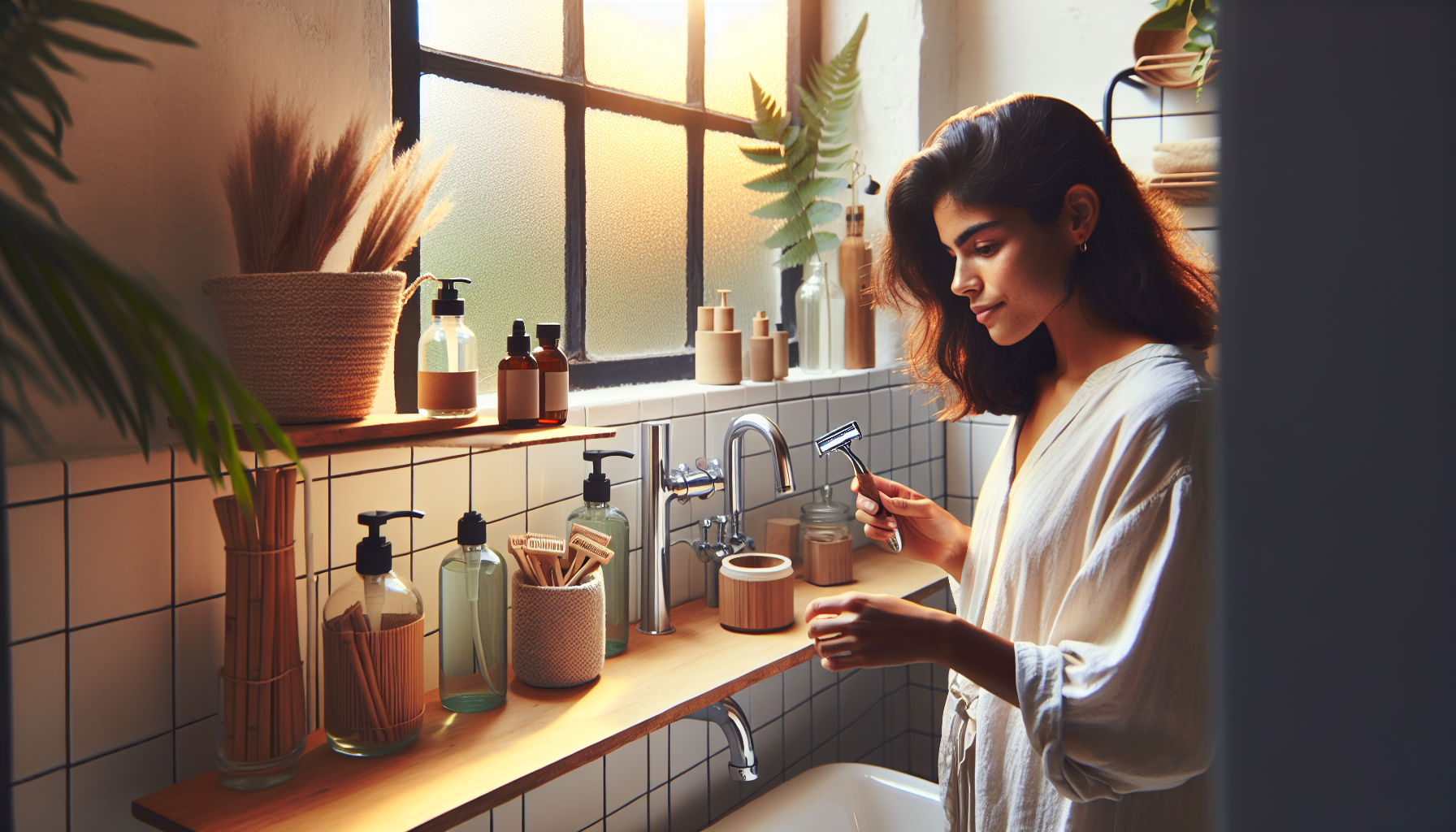
Disposable razors are a genuine environmental disaster. Billions end up in landfill every year, and because they’re a mix of plastic and metal, they can’t be recycled through normal channels. A safety razor is a one-time investment in a solid metal handle, and then you only ever replace the blade – which is a single piece of recyclable stainless steel. It takes about three shaves to get the angle right, but once you do, the shave is actually better. Cost per shave drops dramatically too.
Period Products
This is where the most impactful changes live. Menstrual cups, period pants and reusable pads are all genuinely good now. A menstrual cup lasts up to ten years and saves thousands of single-use items from landfill. Period pants have improved massively and are now comfortable and leak-proof enough for overnight use. The upfront cost feels steep, but over time the savings are significant. It’s one of those swaps that takes a cycle or two to get comfortable with, but most people who make it don’t look back.
The Ones That Are a Bit Annoying (But Still Worth It)
Solid Conditioner Bars
Honest assessment: solid conditioner bars are trickier than shampoo bars. They work, but they require more patience and technique – you need to melt them slightly between your palms before applying. If you have thick or very curly hair, you might find you need to use a lot more product to get the same result. Still better than a plastic bottle, but manage your expectations on the first few tries.
Bamboo Toothbrushes
Bamboo toothbrushes are a great swap for the handle, but most still have nylon bristles which can’t be composted. You need to snap the head off and bin the bristles separately before composting the handle. Slightly faffy, but still dramatically better than a fully plastic toothbrush. Do it.
The Eco-Friendly Bathroom Swaps That Are Mostly Greenwash
Biodegradable Wet Wipes
These are largely marketing nonsense. Most so-called biodegradable wipes only break down under very specific industrial composting conditions – conditions your bathroom bin definitely doesn’t provide. They still block drains and still end up in landfill. The real swap here is just… a flannel. A small reusable cloth does everything a wipe does and costs about 50p.
Plastic-Free Packaging on the Same Old Product
Be suspicious of brands that swap plastic bottles for cardboard tubes or glass jars but keep the exact same synthetic formula inside. The packaging is part of the problem, sure, but what’s inside matters too. Check ingredients, not just the box.
How to Actually Start Without Going Mad
The best approach to eco-friendly bathroom swaps is simple: don’t throw everything away at once. That’s wasteful in itself. As each product runs out, replace it with the better version. Start with your razor and your shampoo – those are the easiest wins. Then work your way through the bathroom shelf at whatever pace feels manageable. This isn’t about being perfect. It’s about doing a bit better, one bottle at a time. Dr Greenthumb style – chill, intentional, and actually effective.
Eco-friendly bathroom swaps FAQs
Do shampoo bars actually work as well as liquid shampoo?
Yes, once you get through the transition period of roughly two weeks where your hair adjusts to the change. Modern shampoo bars are formulated to lather well and rinse cleanly, and many people find their hair is in better condition after switching. Look for bars without SLS and with nourishing oils like argan or coconut for the best results.
Are safety razors better than disposable razors?
For most people, yes – both environmentally and in terms of shave quality. Safety razors use a single replaceable stainless steel blade that costs pence each and can be recycled, compared to billions of plastic disposables going to landfill annually. The learning curve is small, usually just a few shaves to get the right angle, and the long-term cost is much lower.
How much money can you actually save by switching to eco-friendly bathroom products?
Over time, the savings are genuinely significant. A safety razor handle costs around £20-30 upfront but blades cost as little as 10p each. Menstrual cups cost £20-30 and replace years worth of disposable products. Refillable deodorant refills are typically cheaper per use than buying a new product. Most eco swaps break even within a few months and save money long-term.
What is the most impactful eco-friendly bathroom swap you can make?
Switching period products – from disposables to menstrual cups or period pants – has one of the highest environmental impacts, eliminating thousands of single-use items over the product’s lifespan. After that, swapping to a safety razor and shampoo bars removes significant volumes of single-use plastic from your routine. These three changes alone would dramatically reduce the average person’s bathroom waste.
Are bamboo toothbrushes actually eco-friendly?
Partially. The handle is genuinely biodegradable and compostable, which is a real improvement over plastic. However, most bamboo toothbrushes still have nylon bristles that need to be removed and binned separately before composting the handle. It’s still a much better option than a fully plastic toothbrush, just not the zero-waste solution it’s sometimes marketed as.