

If you care about your lungs, your vibes and the planet, you should probably care about indoor air quality and wellbeing too. Most of us spend way more time inside than we like to admit, so what you are breathing at home or in the flat has a bigger impact on your body and mood than that one salad you ate last week.
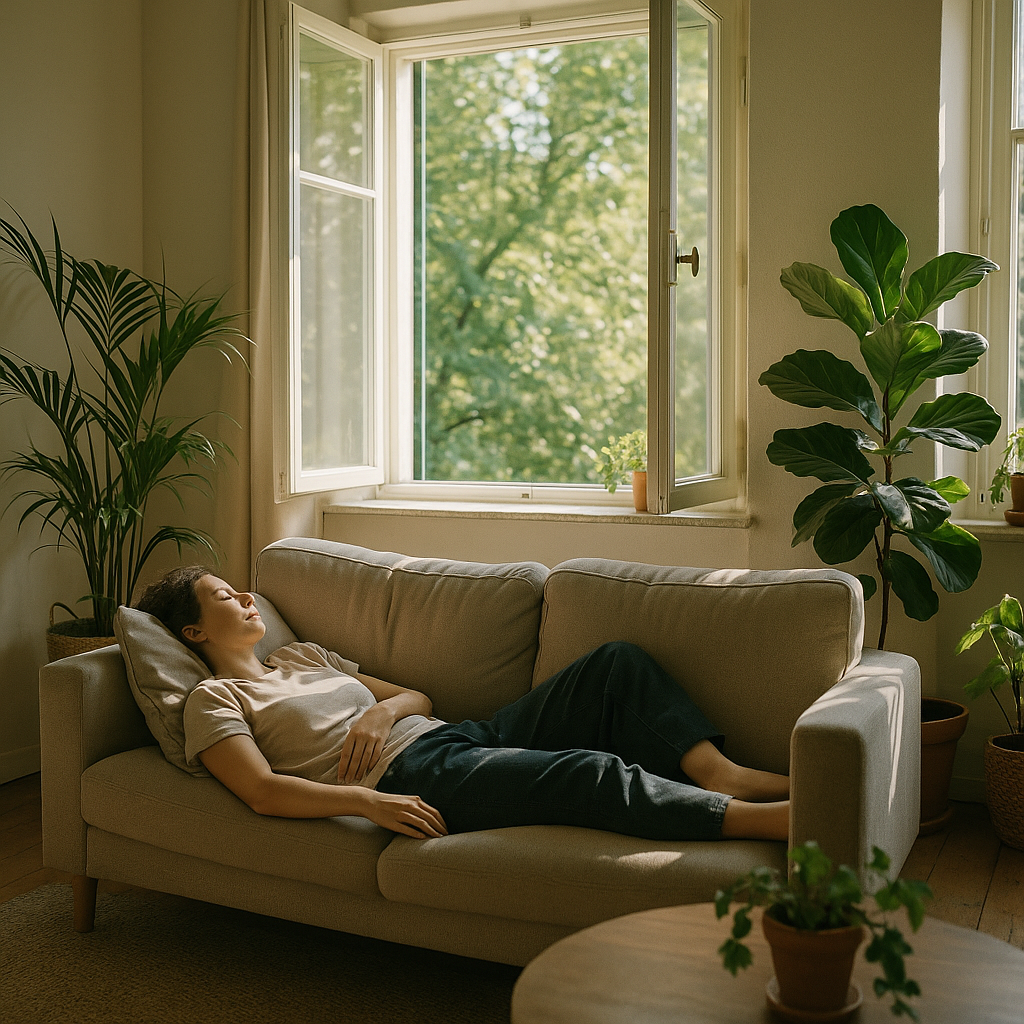
What do we mean by indoor air quality and wellbeing?
Indoor air quality and wellbeing is basically about how clean the air is in your space and how that affects your mind, body and general chill level. Dust, mould spores, cleaning chemicals, smoke, candles, incense, gas hobs, pets and even your cosy new rug can all throw tiny particles and gases into the air. Your body then has to deal with all that, 24/7.
When the air is off, you might notice headaches, dry eyes, a scratchy throat, low energy, poor sleep or that weird heavy feeling when you wake up. Long term, bad air can stress your lungs and heart, and it is extra rough on kids, older folks and anyone with asthma or allergies.
Why clean indoor air is secretly a wellness superpower
We love to talk about yoga, supplements and herbal teas, but the air you breathe is literally the first thing your body needs. Getting indoor air right is like giving your nervous system a permanent holiday. Clearer air can mean fewer respiratory niggles, better focus, deeper sleep and more stable moods.
When your body is not constantly reacting to irritants, it has more energy for repairing, digesting and just existing in peace. That is why indoor air quality and wellbeing show up together in studies on productivity, stress and even mental health. Your room might not cure anxiety, but stale, polluted air definitely will not help.
How your home habits affect the air (and the Earth)
The way you live in your space shapes the air you breathe and your impact on the planet. Some habits quietly trash both at once. Heavy use of synthetic air fresheners, harsh cleaning sprays and cheap scented candles can pump volatile organic compounds into the air. Those same products often come in plastic packaging and use fossil fuel based ingredients, so the planet catches a hit too.
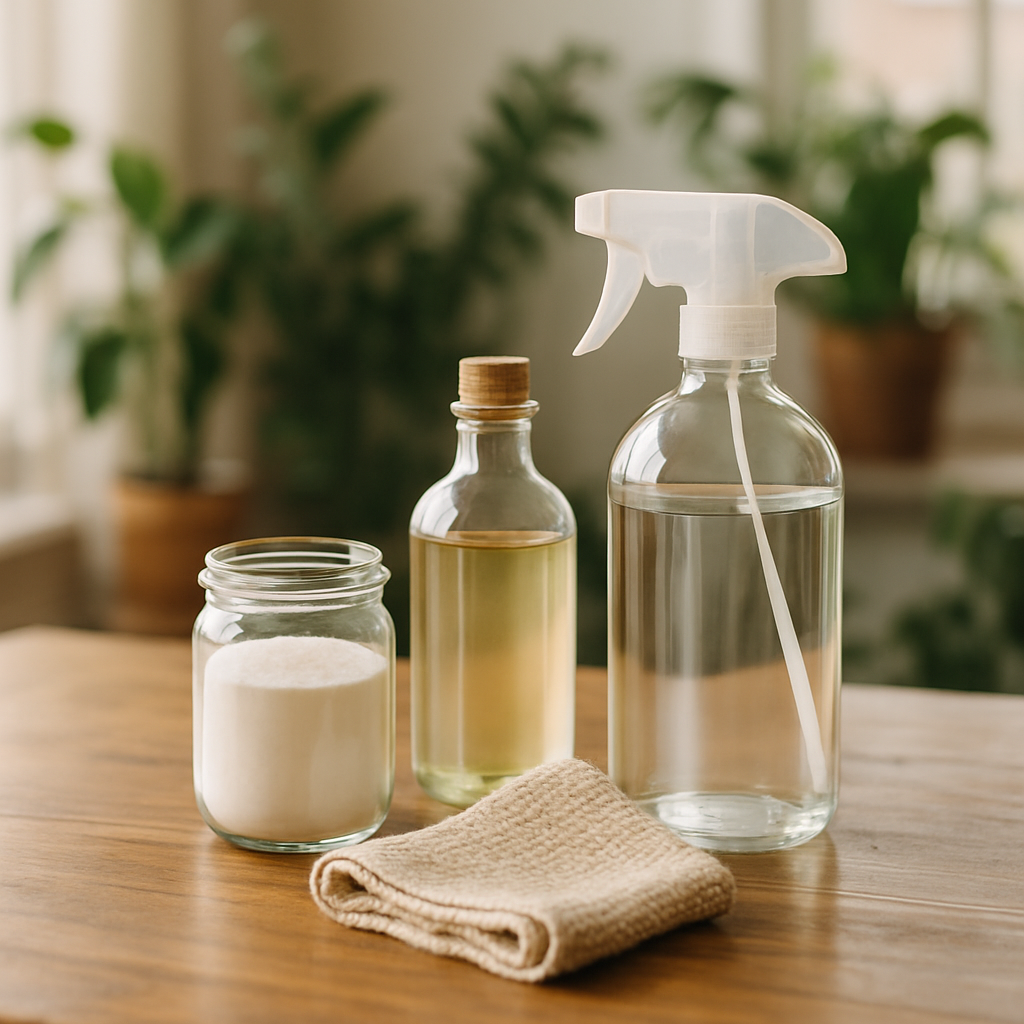
On the flip side, a more natural, low waste lifestyle usually means cleaner air. Plant based cleaners, fragrance free laundry liquids, beeswax or soy candles and line drying clothes all reduce indoor pollution and cut your environmental footprint. Even simple stuff like taking shoes off at the door keeps outdoor pollutants, pesticides and dirt from building up in your carpets and lungs.
Green ways to boost indoor air without ruining your vibe
You do not need a lab coat to improve indoor air quality and wellbeing. A few laid back tweaks can make a big difference:
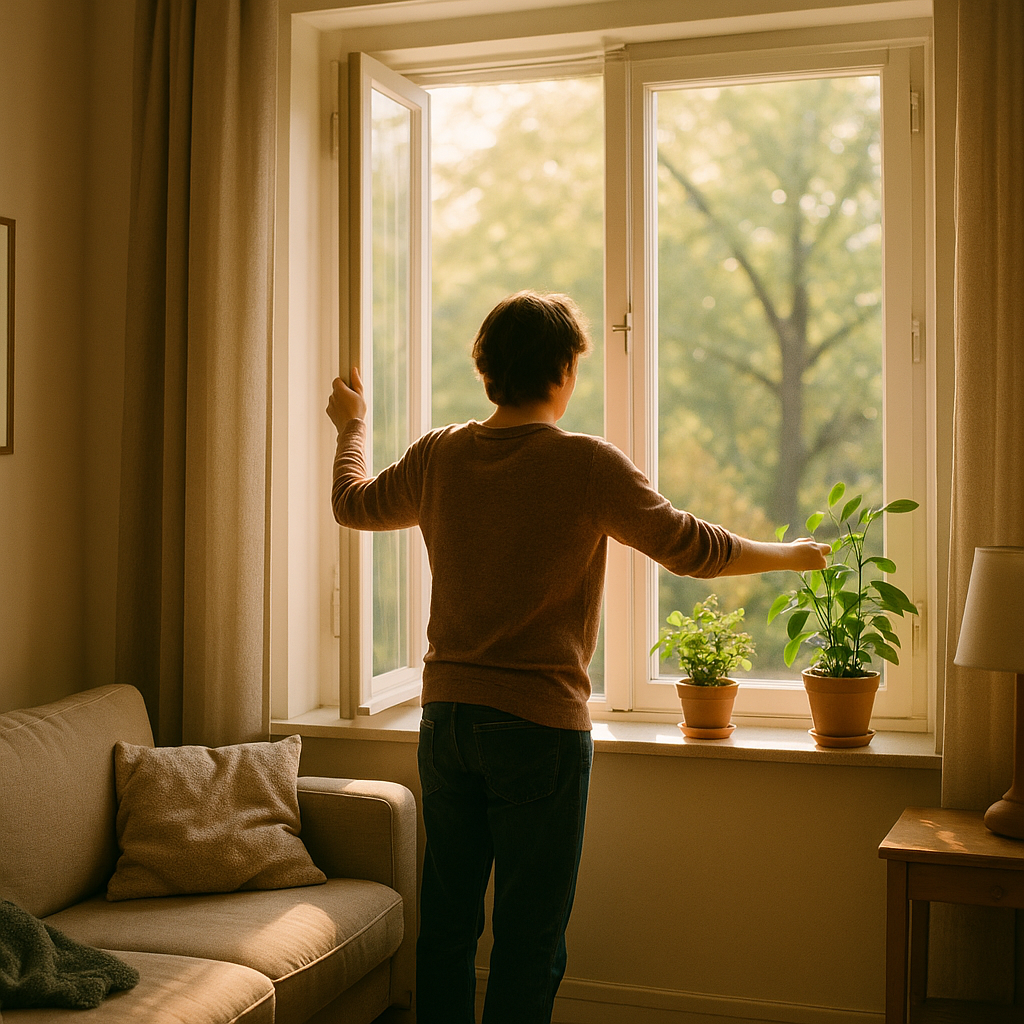
- Crack windows regularly, especially when cooking, showering or burning anything.
- Switch to gentle, plant based cleaning products and use microfibre cloths instead of sprays for every job.
- Go easy on incense and candles, and pick cleaner burning options when you do light up the room.
- Vacuum and dust more often than your inner sloth wants, especially soft furnishings and rugs.
- Let new furniture and mattresses off gas in a spare room or with windows open before you fully move in.
- Add a few houseplants for the psychological boost and humidity balance, even if they are not magic filters.
If you are doing bigger home upgrades, paying attention to airflow is huge. Good Ventilation helps your space breathe without wasting loads of energy, which is a win for both wellness and the climate.
Indoor air, energy use and the climate connection
Here is the twist: trying to save energy by sealing up your home can accidentally trap pollution inside. Modern buildings are often super airtight, which is great for keeping heat in, but not so great if moisture, cooking fumes and everyday chemicals have nowhere to go.
Indoor air quality and wellbeing FAQs
How can I quickly improve indoor air quality and wellbeing at home?
Start with the basics: open windows for short bursts every day, especially when cooking or showering, switch to gentler, low fragrance cleaning products, and vacuum and dust more often to remove dust and pet dander. If you burn candles or incense, use them less often and choose cleaner burning options. Even these small shifts can noticeably improve indoor air quality and wellbeing within a couple of weeks.
Do houseplants really help indoor air quality and wellbeing?
Houseplants are not miracle air purifiers, but they can still support indoor air quality and wellbeing in a few ways. They slightly improve humidity, encourage you to open blinds and windows more, and create a calming, nature connected feeling indoors. That psychological effect on stress and mood can be just as important as any small air filtering benefit.
Are scented candles and incense bad for indoor air quality and wellbeing?
Used heavily in small, unventilated rooms, scented candles and incense can add soot and chemicals to the air, which is not ideal for indoor air quality and wellbeing, especially if you have asthma or allergies. You do not have to ditch them completely, but it is wise to burn them less often, choose cleaner waxes and natural fragrances, and keep a window slightly open while they are lit.
Leave a Reply