Author: Dr Greenthumb

  • The Real Environmental Cost of Your Takeaway Habit (And Some Actually Decent Alternatives)

    The Real Environmental Cost of Your Takeaway Habit (And Some Actually Decent Alternatives)

    Right, let’s not get too heavy about this. Nobody wants a lecture whilst they’re waiting on their Friday night curry. But there’s a pretty uncomfortable truth sitting underneath all those plastic lids and polystyrene boxes, and once you clock it, it’s kind of hard to unsee. Takeaway food waste in the UK environment is a genuinely massive problem. Not in a vague, hand-wavy way either. In a very specific, very measurable, very much-happening-right-now kind of way.

    We’re ordering more than ever. According to research published by the Waste and Resources Action Programme (WRAP), the UK generates around 9.5 million tonnes of food waste each year, and our increasingly delivery-heavy culture is adding serious fuel to that fire. Combine the food waste with the packaging mountains and the emissions from a thousand mopeds doing a two-mile radius, and the vibe is… not great for the planet.

    Takeaway food waste from UK delivery culture piled on a kitchen table in a British home
    Takeaway food waste from UK delivery culture piled on a kitchen table in a British home

    What Actually Ends Up in the Bin After a Delivery

    Think about the last time you ordered in. There was probably a plastic bag, several plastic containers with lids, a handful of plastic cutlery still in its wrapper, a paper bag inside the plastic bag for reasons unclear, napkins, a little tub of sauce you didn’t ask for, and maybe a loyalty sticker that fell straight on the floor. That’s for one meal. One person. One evening. Multiply that across the UK’s estimated 8.7 million food delivery orders placed every single week and you’re looking at a genuinely staggering volume of single-use waste heading to landfill.

    Most of those containers, particularly the black plastic trays you get from Chinese and Indian takeaways, cannot be processed by standard UK recycling facilities. The pigment in black plastic interferes with sorting machinery. So even the well-meaning people who rinse and recycle? Their containers are often pulled out and binned anyway. That’s not a guilt trip, that’s just the current reality of our recycling infrastructure.

    The Emissions Side of the Equation

    Food delivery has a carbon problem that goes beyond packaging. There’s the refrigeration in dark kitchens, the heating of food through multiple stages, the packaging manufacturing process itself, and then the last-mile delivery. That final leg, the bit where someone on an e-bike or moped brings your pad thai down three streets, is actually more carbon-intensive per kilogram of goods than almost any other form of freight. Short trips with cold engines, constant stopping and starting. Not ideal.

    Dark kitchens, which are the delivery-only units that have proliferated across UK cities since around 2019, also tend to be in older industrial buildings. Poor insulation, no cladding upgrades, no solar panels, maximum energy draw. It’s a bit like the residential housing problem in reverse. The same way an uninsulated house bleeds heat and racks up emissions, these commercial kitchens run hot, loud and expensive. Specialists in property insulation like Westville, a Nottinghamshire-based firm providing external wall, cavity wall and loft insulation solutions, have long made the argument that the UK’s climate change targets simply cannot be met without addressing building efficiency across the board. You can find out more at https://www.westvillegroup.co.uk/. The logic scales up from your semi-detached house to a warehouse full of woks.

    Black plastic takeaway containers contributing to takeaway food waste in the UK environment
    Black plastic takeaway containers contributing to takeaway food waste in the UK environment

    Is It Always This Bad? (A Bit of Balance)

    To be fair, not all delivery is equal. Some independent restaurants have moved to fully compostable packaging. Some platforms have started offering opt-out buttons for disposable cutlery, which is good. Deliveroo and Just Eat both have sustainability pledges, though they’re a bit vague in places. And if you live alone, ordering a single portion from a local restaurant might actually produce fewer emissions than heating your whole oven for one jacket potato. Context matters.

    But the average UK delivery? Still wrapped in a lot of plastic, still contributing meaningfully to takeaway food waste in the UK environment, and still arriving via a vehicle doing short urban hops. The overall trend is not moving in the right direction fast enough.

    Alternatives That Actually Scratch the Same Itch

    Here’s the bit where this stops being a bummer. The core appeal of a takeaway is that you don’t want to cook. Completely valid. Nobody’s asking you to become a chef. The question is just whether there are ways to satisfy that same craving with less of the fallout.

    Cook-from-frozen, but the proper stuff. Brands like Strong Roots, Pieminister and a growing number of independent producers are doing genuinely good frozen food that takes about 20 minutes in the oven. No packaging mountain. Usually way less sodium than a delivery. I’m not saying it’s the same as a proper naan bread situation, but for a Tuesday night it absolutely slaps.

    Batch cooking on a lazy Sunday. Hear me out. If you make a big pot of something on Sunday, the midweek meal situation basically solves itself. Dal, a big pasta sauce, a Thai curry base. Stick it in the freezer in portions. Future-you will be genuinely grateful. The packaging footprint? Basically zero.

    Collect, don’t deliver. If you’re committed to the actual restaurant experience and you live within walking distance, collection cuts out the last-mile emissions entirely. You also tend to get the food faster and hotter. Bit of fresh air as a bonus.

    Meal kit services with a conscience. Oddbox, Riverford and a few others do meal kits using wonky or surplus veg that would otherwise be wasted. The packaging is mostly recyclable or compostable. It’s a bit more effort than pressing a button, but the output is real food and a much lighter footprint.

    The Bigger Picture (Without Getting Preachy)

    The takeaway food waste problem in the UK environment isn’t really about individual guilt. It’s a systems issue. We’ve built a culture of convenience around infrastructure that hasn’t caught up environmentally. Better commercial kitchen insulation, proper recycling systems for food-grade plastics, greener delivery fleets, cleaner energy powering those dark kitchens. All of that needs to happen at a policy and industry level. The work being done by companies like Westville, which has over 34 years of experience in insulation and energy efficiency across Nottinghamshire and beyond, reflects a broader shift happening in construction and climate response. Better-insulated buildings across the UK, whether houses with proper cavity wall insulation or commercial properties upgraded against climate change targets, mean less energy wasted at every link in the chain, including the food system.

    In the meantime, the small stuff does add up. Opting out of plastic cutlery when you don’t need it, picking up instead of getting it delivered once in a while, choosing a restaurant that uses compostable boxes. None of this requires you to suddenly become a zero-waste wellness influencer. It just requires a tiny bit of awareness whilst you’re scrolling through the menu.

    The planet will appreciate even the laziest effort. Promise.

    Frequently Asked Questions

    How much packaging waste does UK food delivery actually produce?

    It’s significant. The UK places an estimated 8.7 million food delivery orders per week, each typically involving multiple layers of single-use plastic and paper packaging. A large proportion of this, particularly black plastic trays, cannot be sorted by standard UK recycling facilities and ends up in landfill.

    Can I recycle takeaway containers in the UK?

    It depends on the material. Clear plastic containers marked with recycling symbols can sometimes be recycled after rinsing, but black plastic trays are widely rejected by UK sorting facilities. Polystyrene boxes are almost never recyclable through household collections. Check your local council’s guidance, as provision varies.

    Are food delivery apps doing anything to reduce their environmental impact?

    Major platforms like Deliveroo and Just Eat have introduced opt-out options for disposable cutlery and published sustainability pledges. However, campaigners and environmental groups argue these commitments remain insufficient given the scale of the problem, and enforcement across restaurant partners is inconsistent.

    Is it better for the environment to collect a takeaway rather than have it delivered?

    Generally, yes. Collection eliminates the last-mile delivery emissions, which are disproportionately high due to short urban trips and cold engine starts. Walking or cycling to collect is the lowest-impact option. You also tend to reduce packaging slightly as drivers often add extra bags and napkins.

    What's the laziest way to reduce my takeaway food waste without giving up convenience food?

    Swap some deliveries for quality frozen meals from ethical UK brands, which have far less packaging and no delivery emissions. Choosing collection over delivery for nearby restaurants is another near-zero-effort switch. Even just unticking the disposable cutlery option every time you order makes a measurable dent at scale.

  • Zero Waste Stoner: How to Make Your Smoke Sessions More Eco-Friendly

    Zero Waste Stoner: How to Make Your Smoke Sessions More Eco-Friendly

    Right, so you care about the planet. You recycle, you carry a reusable bag, maybe you’ve even started composting your kitchen scraps. Good for you. But have you ever stopped mid-roll and thought about the environmental footprint of your smoke session? Probably not. Most of us haven’t. The good news is that making your habit a bit more planet-conscious is genuinely easy, and it doesn’t involve giving anything up. It just means swapping out a few things for better alternatives, mostly things that are actually nicer to use anyway.

    Let’s talk about eco friendly smoking accessories, sustainable rolling papers, and what to do with all that leftover green stuff you can’t use. Chill out. This isn’t a lecture. It’s more of a vibe check for your kit bag.

    Eco friendly smoking accessories laid out on a wooden surface including hemp papers, glass jar and refillable lighter
    Eco friendly smoking accessories laid out on a wooden surface including hemp papers, glass jar and refillable lighter

    Why Your Rolling Habit Has a Bigger Footprint Than You Think

    Standard cigarette and rolling paper manufacturing isn’t exactly clean. Bleached papers, chlorine processing, added chemicals to control burn rate — a lot goes into that thin little strip you barely think about. And then there’s the packaging. Most rolling papers come wrapped in foil or plastic-coated cardboard, neither of which is particularly recyclable in your average kerb-side collection.

    Scale that up across millions of UK smokers and you’ve got a meaningful waste problem. According to the Environment Agency, smoking-related litter remains one of the most persistent forms of outdoor pollution in Britain. Filters, in particular, are catastrophic for soil and waterways because they’re made from cellulose acetate, which takes years to break down.

    None of this means you have to stop. It just means smarter choices make a real difference.

    Sustainable Rolling Papers Worth Switching To

    This is the easiest swap you can make. Unbleached, natural rolling papers exist, they’re widely available, and honestly they tend to taste better because there’s less chemical nonsense getting in the way of the actual flavour.

    Look for papers made from:

    • Hemp — a fast-growing crop that requires minimal water and no pesticides to cultivate. Genuinely circular when you think about it.
    • Rice — thin, slow-burning, and made from a renewable crop. Burns clean.
    • Organic flax — another low-impact option that’s been around for ages but rarely gets talked about.

    Brands like Greengo and RAW Organic (their unbleached range) are easily found online and in independent shops across the UK. Skip anything labelled “white” unless it specifies chlorine-free bleaching, because standard white papers are processed with some genuinely grim chemicals.

    Eco Friendly Smoking Accessories That Actually Last

    Disposable is the enemy. I mean that broadly, but in terms of smoking kit specifically, the amount of single-use plastic that passes through a regular smoker’s hands over a year is pretty staggering. Plastic lighters, cheap metal grinders that fall apart in three months, plastic roach tips, little plastic bags. It adds up.

    Close-up of a glass pipe as a sustainable eco friendly smoking accessory held over a garden background
    Close-up of a glass pipe as a sustainable eco friendly smoking accessory held over a garden background

    Here are the eco friendly smoking accessories worth investing in:

    Refillable Lighters

    A good refillable butane lighter will last years. Clipper lighters are a solid choice and genuinely popular in the UK because they’re refillable, the flint is replaceable, and the body is made from recycled plastic. Not perfect, but miles better than burning through ten disposables a month.

    Hemp Wick

    This one I’m particularly keen on. Hemp wick is basically a slow-burning, beeswax-coated hemp cord you use to light your bowl or joint instead of a direct lighter flame. It gives you a lower-temperature, cleaner light, and it eliminates the butane you’d otherwise inhale directly. A small spool lasts ages and costs almost nothing.

    Glass, Wood, and Stone Pipes

    A quality glass or wooden pipe is a one-time purchase that outlasts any amount of papers and roach tips combined. Properly looked after, a decent glass piece will outlive your interest in the hobby. Wood pipes from sustainably sourced materials (look for FSC-certified wood) are a particularly satisfying option. They have a warmth to them, literally and aesthetically.

    Reusable Rolling Tips

    Glass or stainless steel roach tips. Sounds fiddly but they’re actually brilliant. They cool the smoke slightly, they’re easy to clean, and you never run out of cardboard. Your old loyalty cards can rest easy.

    Metal and Wooden Grinders

    A well-made metal grinder will outlast several lifetimes of cheap plastic ones. Buy once, buy right. Simple as that.

    What to Do With Cannabis Waste

    This one surprises people. Leftover plant material, stems, and even ash have legitimate uses rather than just going in the bin.

    Cannabis stems and unused plant material are fully compostable. They’re organic matter, full stop. Chuck them in your compost heap or bin alongside your food scraps. If you’re already composting at home (and if you’re reading this blog, there’s a decent chance you are), stems break down and contribute carbon to your pile. Just make sure you’re mixing them with nitrogen-rich greens to keep the balance right.

    Wood ash from a fire or pipe can go on the garden in very small amounts as a pH-raising soil amendment, though cannabis ash specifically isn’t really worth the effort of collecting separately. More of a bonus if you’re already doing it.

    Vaped herb (ABV, or already-been-vaped material) still has trace cannabinoids and can be used in edibles or simply composted. Don’t chuck it in the bin out of habit.

    A Few Other Low-Effort Green Tweaks

    Beyond the kit itself, there are some small behavioural shifts that collectively make a difference:

    • Store your herb in glass jars rather than plastic bags. Glass is infinitely recyclable, keeps things fresher, and doesn’t leach anything weird into your stash.
    • Buy in bulk where you can to reduce packaging. More herb per transaction, less packaging per gram. Basic maths.
    • Don’t smoke outdoors and leave your session detritus behind. This should be obvious but apparently needs saying.
    • If you use a vaporiser, check whether the manufacturer has a take-back or recycling scheme for cartridges. Many now do.

    Being Green Doesn’t Mean Being Precious About It

    The point isn’t to achieve some impossible zero-waste perfection. Nobody’s going to audit your grinder. The point is just to make slightly better choices when you’ve got the option, which most of the time you do. Eco friendly smoking accessories are genuinely better to use in most cases. Sustainable papers taste cleaner. A good glass piece is a pleasure compared to a constantly-crumbling homemade cardboard number.

    It’s not sacrifice. It’s just being a bit more considered about the stuff you use regularly. The planet thanks you, your sessions improve, and you get to feel quietly smug about the whole thing. Win, win, win.

    Frequently Asked Questions

    What are the best eco friendly smoking accessories available in the UK?

    Top choices include refillable Clipper lighters, glass or stainless steel roach tips, hemp wick, sustainably sourced wood or glass pipes, and metal grinders. All are widely available from independent shops and online retailers across the UK, and most last significantly longer than their disposable equivalents.

    Are unbleached rolling papers better for the environment?

    Yes, unbleached rolling papers skip the chlorine processing used on standard white papers and typically come from more sustainable crops like hemp, rice, or flax. Brands such as RAW Organic and Greengo are popular options in the UK and burn cleanly with less chemical interference.

    Can you compost cannabis waste and stems?

    Absolutely. Cannabis stems and leftover plant material are fully compostable organic matter. Add them to your home compost heap alongside kitchen scraps, mixing with nitrogen-rich greens to maintain a balanced pile. They break down like any other woody plant material.

    Is hemp wick worth using instead of a lighter?

    Many people think so. Hemp wick is a beeswax-coated hemp cord that burns slowly and cleanly, letting you light a joint or bowl without directly inhaling butane from a lighter flame. It burns at a lower temperature and a small spool is inexpensive and lasts a long time.

    How do I store cannabis sustainably?

    Glass jars are the best option. They’re infinitely recyclable, keep herb fresher than plastic bags or pouches, and don’t leach any chemicals into your stash. Airtight glass jars with rubber seals, the kind used for preserving, are ideal and reusable indefinitely.

  • Regenerative Gardening: How Growing Your Own Food Heals the Planet

    Regenerative Gardening: How Growing Your Own Food Heals the Planet

    Right, so most of us have heard the phrase “grow your own” thrown around enough times to make it feel a bit tired. Allotment culture, Instagram raised beds, that one colleague who won’t stop talking about their courgettes. But regenerative gardening for beginners is something a bit different, and honestly, a lot more interesting. It’s not just about growing food. It’s about growing soil, pulling carbon out of the atmosphere, and letting your little patch of earth become properly alive again. And the best part? You don’t need to be obsessive about it. Lazy works here.

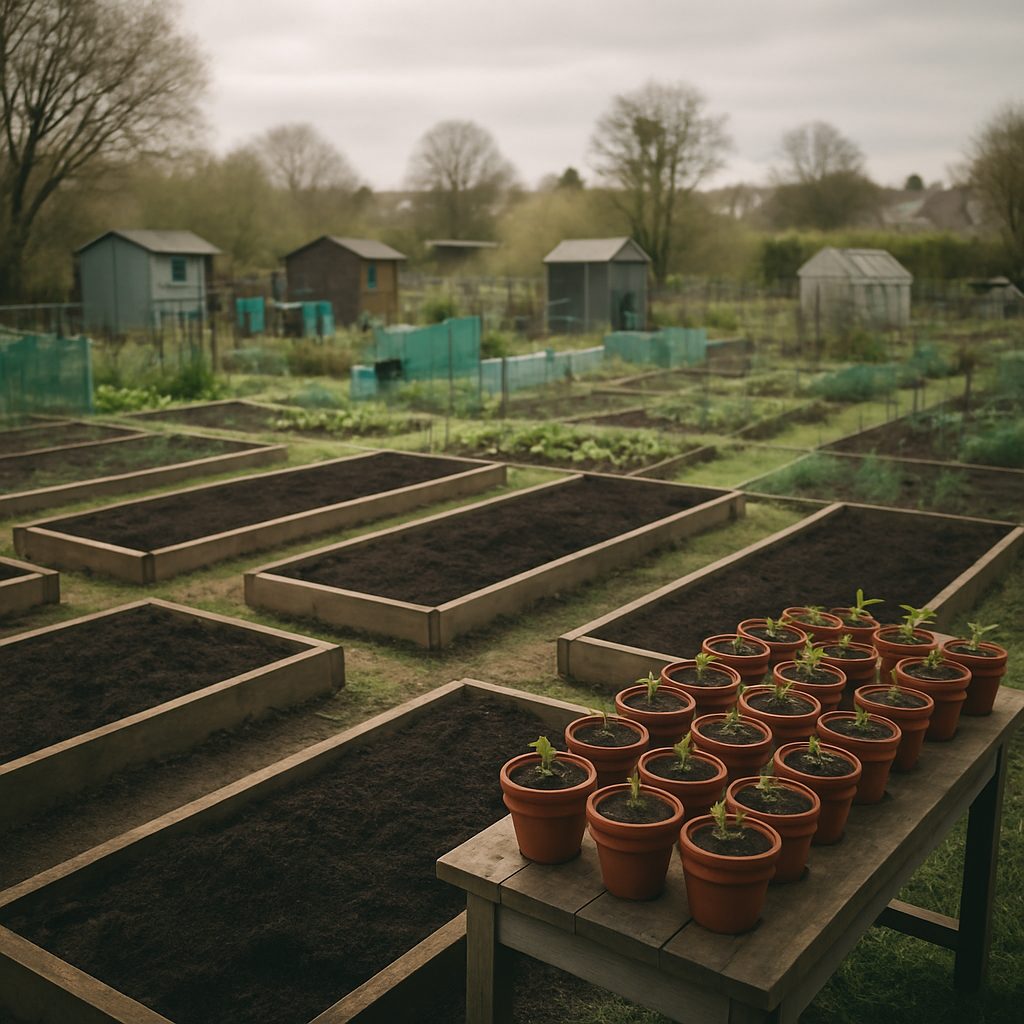
    Lush diverse UK allotment garden illustrating regenerative gardening for beginners with mixed crops and wildflowers
    Lush diverse UK allotment garden illustrating regenerative gardening for beginners with mixed crops and wildflowers

    So What Even Is Regenerative Gardening?

    Conventional gardening, and especially conventional farming, tends to take from the soil without putting much back. You dig, you plant, you harvest, you maybe chuck some fertiliser down, and you repeat. Over time the soil gets knackered. It loses its structure, its microbes, its ability to hold water. Regenerative gardening does the opposite. It works with the soil ecosystem rather than against it, building organic matter, encouraging microbial life, and sequestering carbon in the ground where it actually belongs. Think of it less like managing a garden and more like collaborating with one.

    The term comes from regenerative agriculture, a farming philosophy that’s been gaining serious traction globally and right here in the UK. Organisations like the Soil Association have been championing these principles for years, and their research consistently shows that healthier soil means better yields, more biodiversity, and meaningful carbon capture. That’s a win for your dinner plate and the planet simultaneously.

    Why Soil Health Is the Main Character Here

    Healthy soil isn’t just dirt. Under a single square metre of good garden soil, you’ve got billions of bacteria, fungi, nematodes, worms, and micro-organisms all doing incredibly complex things. They break down organic matter, release nutrients, create structure, and form relationships with plant roots that are genuinely mind-bending. Mycorrhizal fungi, for instance, extend plant root systems by hundreds of times their natural reach, trading water and minerals for sugars. It’s basically a underground economy running beneath your feet.

    When you strip that system back through excessive digging, chemical fertilisers, or leaving soil bare, you lose all of that. Regenerative gardening for beginners starts with one simple commitment: treat the soil like it’s alive, because it is.

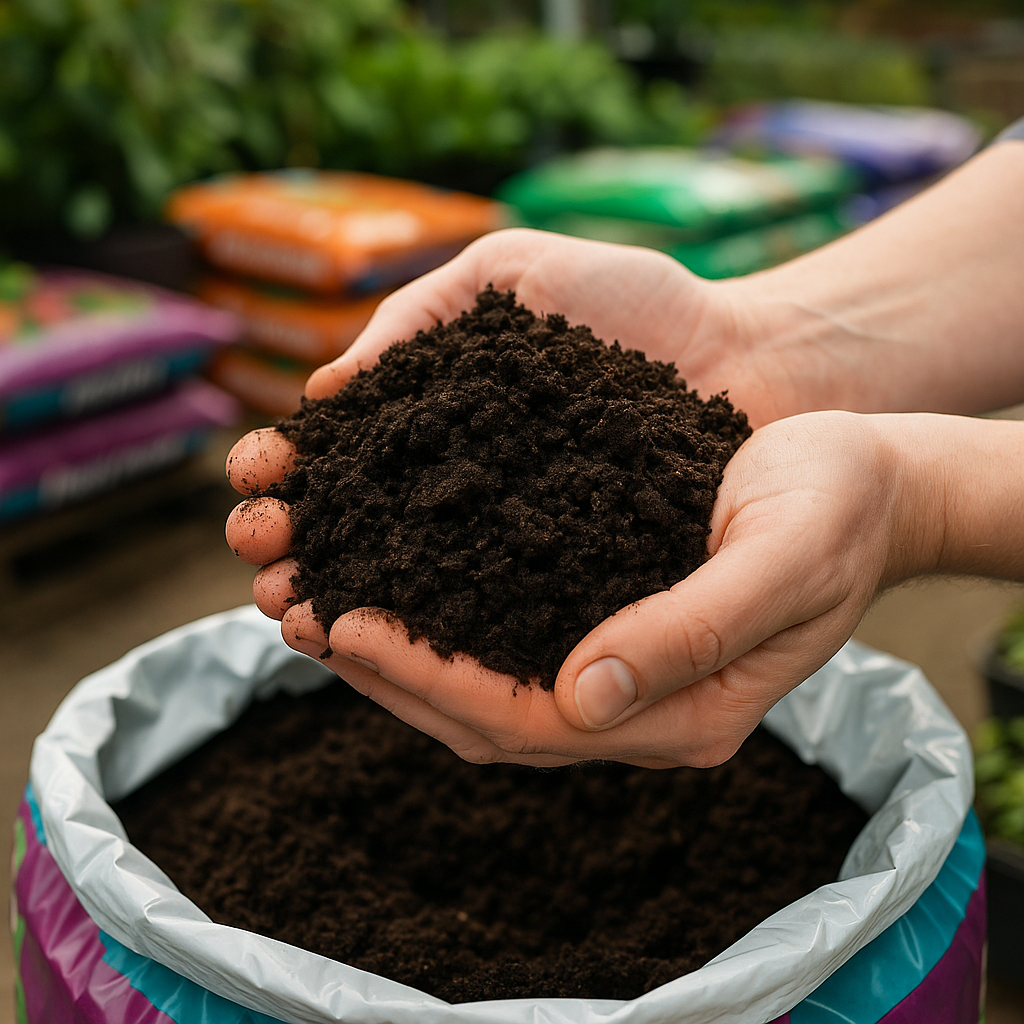
    Close-up of healthy worm-rich compost soil, a key element of regenerative gardening for beginners
    Close-up of healthy worm-rich compost soil, a key element of regenerative gardening for beginners

    The Practical Stuff (The Lazy Way In)

    Stop Digging So Much

    No-dig gardening is probably the easiest entry point into regenerative practice. Made popular in the UK largely through the work of Charles Dowding, the method involves layering compost on top of existing soil rather than turning it all up. Your soil structure stays intact, weed seeds stay buried, and the microbes keep doing their thing. I’ve spoken to growers in places like Bristol and Sheffield who switched to no-dig a couple of seasons ago and haven’t looked back. Less effort, better results. That’s the vibe.

    Compost Everything You Possibly Can

    If you’re not composting yet, start now. Kitchen scraps, garden cuttings, cardboard, coffee grounds, autumn leaves. All of it can go into a compost heap and come out as genuinely brilliant soil amendment six to twelve months later. Adding a few centimetres of good home compost to your beds each season feeds the soil ecosystem, improves water retention, and locks carbon into the ground. It’s one of the most effective climate actions an ordinary person can take, and it costs nothing.

    Keep the Soil Covered

    Bare soil is basically an open wound. It loses moisture, erodes in rain, and bakes in summer heat. Cover it with mulch (straw, wood chip, fallen leaves, grass clippings), grow green manures like clover or phacelia between crops, or let a few self-seeding plants do their thing. Keeping the ground covered year-round is a cornerstone of regenerative gardening and genuinely requires almost zero effort once you get into the habit.

    Plant for Diversity

    Monocultures are boring and ecologically fragile. Mix things up. Grow flowers alongside vegetables, herbs alongside fruit. Different root depths pull nutrients from different soil layers. Flowers attract pollinators and predatory insects that keep pests in check. Diversity above ground creates diversity below it, and that builds resilience. A bed of mixed veg, nasturtiums, and borage isn’t just prettier than a row of cabbages, it’s a functioning mini-ecosystem.

    Let Some of It Go Wild

    Not every corner needs to be managed. Leave a patch of nettles (yes, really). Let the grass grow long in places. Stack some logs in a corner for beetle habitat. These small acts of rewilding work beautifully alongside regenerative growing, bringing in the insects, birds, and soil life that make the whole system tick. Your garden becomes part of a larger ecological web rather than a controlled space fighting against nature.

    The Carbon Bit (Because It Actually Matters)

    There’s a growing body of evidence that well-managed gardens and allotments can act as meaningful carbon sinks. The carbon held in soil organic matter is genuinely significant, and regenerative practices actively build that organic matter over time. The UK has around 24 million gardens covering roughly 433,000 hectares of land, according to figures cited by the Royal Horticultural Society. If even a fraction of those gardens adopted regenerative practices, the collective carbon impact would be substantial. No pressure, but also, actually a bit of pressure.

    This isn’t about guilt. Regenerative gardening for beginners is fundamentally about doing something that feels good, produces food, and has a positive knock-on effect that extends way beyond your fence line. Growing a tomato that improved the soil it grew in, fed a pollinator, and sequestered a small amount of carbon is a genuinely different kind of tomato. It tastes the same, but you feel better about it.

    Getting Started This Season

    You don’t need a massive garden. A few pots, a raised bed, a community allotment plot. Start small, layer some compost, stop digging so aggressively, and throw in some flowers. The soil will respond surprisingly quickly. Within a single season you’ll notice more worms, better moisture retention, fewer pest problems. It builds momentum of its own. And once you start thinking about your little patch as a living system rather than a project to control, the whole thing shifts. It becomes less work and more of a relationship.

    That’s the regenerative gardening headspace, really. Less doing, more allowing. Which, let’s be honest, suits most of us just fine.

    Frequently Asked Questions

    What is regenerative gardening for beginners?

    Regenerative gardening for beginners is a set of simple practices that rebuild soil health, increase biodiversity, and reduce your garden’s carbon footprint. It includes things like no-dig growing, composting, mulching, and planting diverse species. The good news is that most of it is less work than conventional gardening, not more.

    How is regenerative gardening different from organic gardening?

    Organic gardening avoids synthetic chemicals, which is a solid starting point. Regenerative gardening goes further by actively building soil health and ecological function rather than simply avoiding harm. You can be organic without being regenerative, but the two approaches work very well together.

    Can I do regenerative gardening in a small UK garden or with containers?

    Absolutely. Even a balcony or a couple of raised beds can benefit from regenerative principles. Use peat-free compost, keep soil covered with mulch, grow a diversity of plants, and avoid chemical fertilisers. Small spaces still support soil life and pollinators in meaningful ways.

    Does regenerative gardening actually help with climate change?

    Yes, in a real if modest way. Healthy soil rich in organic matter stores carbon, and regenerative practices actively build that organic matter over time. Across the UK’s millions of gardens, the collective impact of better soil management could be genuinely significant for carbon sequestration.

    What should I do first if I want to try regenerative gardening?

    Start with a compost bin and stop digging. Those two changes alone will begin improving your soil health within a season. Add a layer of compost to your beds in autumn or spring, let it sit on the surface, and let the worms do the rest. Keep things simple and build from there.

  • Best Herbal Teas for Stress Relief and Sleep (And How to Blend Them)

    Best Herbal Teas for Stress Relief and Sleep (And How to Blend Them)

    Right, so you’ve had a day. Could’ve been hectic, could’ve been just mildly rubbish — doesn’t really matter. Either way, your brain is still going at about 90 miles an hour and you’re nowhere near ready for sleep. Here’s where herbal teas come in, and honestly, they’ve been doing the heavy lifting in this department for centuries. No gimmicks, no mystery ingredients you can’t pronounce. Just plants doing what plants do best.

    Herbal teas for stress relief have had a serious glow-up in recent years. The UK market for botanical wellness drinks has grown considerably, with more people swerving the 7pm espresso in favour of something that actually helps them wind down. So let’s talk about which ones are worth your kettle and which ones are basically just flavoured hot water.

    Cosy evening setting with a mug of herbal teas for stress relief on a wooden table surrounded by dried chamomile and lavender
    Cosy evening setting with a mug of herbal teas for stress relief on a wooden table surrounded by dried chamomile and lavender

    Chamomile: The Classic That Actually Works

    Chamomile is probably the one your nan had in the back of the cupboard, and honestly, she was onto something. The flower contains apigenin, an antioxidant that binds to certain receptors in the brain and promotes relaxation and drowsiness. There’s real research behind this one. A study backed by findings published on the NHS sleep and tiredness resource pages acknowledges chamomile as a traditional remedy for mild anxiety and sleep difficulties.

    It’s mild, slightly sweet, and tastes like a meadow in the best way possible. Brew it for about five minutes with boiling water and don’t rush it. Add a little raw honey if you want something gentle on the palate.

    Valerian Root: The Heavy Hitter

    Valerian is not messing about. This one is for when chamomile just isn’t cutting it. The root has been used since ancient Greek and Roman times as a sedative and anxiety reliever, and modern research is starting to catch up with what people have known for ages. It works by increasing levels of GABA in the brain, which is basically your nervous system’s off switch.

    Fair warning: valerian root smells absolutely wild. Like, pungent. Some people describe it as earthy, others less charitably. But paired with something sweeter like lemon balm or a bit of liquorice root, it becomes genuinely pleasant. If you’re blending at home, keep valerian to about 20-25% of the mix so it doesn’t overpower everything else.

    Lemon Balm: The Underrated One

    Lemon balm is the quiet one at the back of the class that’s actually brilliant. It’s a member of the mint family, grows incredibly easily in UK gardens (borderline invasively so), and has a lovely gentle citrus thing going on. It’s been shown to reduce anxiety and promote calmness without making you feel drowsy in a heavy way. Good for that earlier-evening slot when you want to decompress but still function.

    I grow a pot of it on my windowsill and honestly it’s one of the easiest herbs to keep alive. Fresh lemon balm leaves brewed for about eight minutes make a beautifully fragrant cup. Dried works just as well for a more concentrated hit.

    Close-up of dried herbs including chamomile and lavender used for blending herbal teas for stress relief
    Close-up of dried herbs including chamomile and lavender used for blending herbal teas for stress relief

    Lavender: Not Just for Pillows

    Lavender tea is having a moment, and rightly so. Most people know it from sleep sprays and bath bombs, but drinking it is a whole different level of calm. The compounds in lavender, particularly linalool, have anxiolytic effects, which is a fancy way of saying they take the edge off. It’s quite floral and aromatic, so a little goes a long way. About a teaspoon of dried lavender flowers per cup is plenty.

    Blending lavender with chamomile is genuinely one of the best combinations out there. Equal parts, steep for four to five minutes, maybe a drizzle of honey. That’s your evening right there.

    Passionflower: The One You Haven’t Tried Yet

    Passionflower is still flying under the radar for most people in the UK, which is a shame because it’s excellent. Clinical trials have found it to be effective for generalised anxiety, and some research suggests it performs comparably to low-dose pharmaceutical options for mild cases. It’s earthy and slightly grassy in flavour, and it blends beautifully with sweeter herbs.

    It’s worth sourcing passionflower from a reputable UK herbalist rather than grabbing whatever’s on the supermarket shelf. Quality matters with botanicals, and you want the actual Passiflora incarnata, not a vague “botanical blend” that contains mostly nothing.

    How to Blend Your Own Evening Tea

    Here’s where it gets fun. Buying pre-made herbal blends is totally fine, but making your own means you control what goes in and at what strength. A solid base formula for a sleep-and-stress blend looks something like this:

    • 3 parts chamomile (base note, gentle and reliable)
    • 2 parts lemon balm (lifts the flavour and adds calm energy)
    • 1 part passionflower (deeper anxiety relief)
    • 1 part lavender (aromatics and relaxation)
    • Optional: half a part valerian (if you mean business about sleep)

    Mix dried herbs in a jar, shake it up, and use about two heaped teaspoons per cup. Steep in water just off the boil for six to eight minutes, covered, so the volatile oils don’t escape with the steam. That’s literally it.

    Store your blend in a dark glass jar away from heat and it’ll stay good for around six months. Label it with the date so you’re not guessing in three months’ time whether it’s still any good.

    A Few Things Worth Knowing

    Herbal teas are generally very safe, but a couple of things are worth flagging. Valerian can interact with certain medications, particularly sedatives and some antidepressants, so if you’re on anything prescribed it’s worth a quick chat with your GP before making it a nightly habit. Similarly, if you’re pregnant, some herbs including valerian and passionflower aren’t recommended.

    Also, consistency matters. One cup of chamomile on a Thursday isn’t going to rewire your nervous system. Making it part of a genuine evening ritual, same time each night, no screens, maybe some slow music, is where the real benefit compounds. It’s the whole vibe that does the work, not just the drink in isolation.

    Interestingly, the wellness community around these practices is growing in some unexpected places. I’ve seen people in various wellness circles, from yoga communities to small business owners grinding long hours (there’s a great local community around this in the East Midlands, including folks doing seo nottingham who’ve started integrating proper wind-down routines into their evenings), all leaning into herbal teas as a legitimate wellness tool. It crosses all kinds of lifestyles.

    Herbal Teas for Stress Relief: The Bottom Line

    There’s something genuinely grounding about making a cup of herbal tea from scratch. You’re interacting with plants, you’re slowing down, you’re doing something nice for yourself without it costing much or requiring much effort. The wellness benefits are real and backed by a growing body of research. The ritual around it matters just as much as the chemistry.

    Start with chamomile if you’re new to this. Move onto lemon balm. Experiment with passionflower. And if your brain truly won’t quit at night, introduce a touch of valerian and see how you get on. Your evenings will thank you for it.

    Frequently Asked Questions

    What is the best herbal tea for stress relief before bed?

    Chamomile is the most widely researched and accessible option for stress and sleep, but a blend of chamomile, lemon balm, and lavender is arguably more effective than any single herb alone. Valerian root is the strongest option if you need more serious sedative support.

    How long does it take for herbal teas to work for sleep?

    Most people notice a gentle calming effect within 30 to 45 minutes of drinking a herbal tea. For deeper effects on sleep quality, consistency over one to two weeks tends to show the most noticeable results as the compounds build up in your system.

    Can you drink herbal sleep teas every night?

    For most people, yes, drinking herbal teas for stress relief nightly is perfectly safe. Chamomile, lemon balm, and lavender are gentle enough for daily use. Valerian root is best used for a limited period or on occasion, and it’s worth consulting your GP if you’re on any prescribed medications.

    Where can I buy good quality herbal teas for blending in the UK?

    UK herbalists like Baldwins in London and Napiers in Edinburgh stock high-quality dried herbs for blending at home. Online retailers like Indigo Herbs and Neal’s Yard are also well-regarded for sourcing quality botanical ingredients.

    Is valerian tea safe to take alongside anxiety medication?

    Valerian can interact with certain prescribed medications including sedatives, anti-anxiety drugs, and some antidepressants. It’s strongly advisable to speak with your GP before adding valerian to your routine if you’re taking any prescribed medication.

  • Forest Bathing: The Japanese Wellness Practice That Basically Means Chilling in the Woods

    Forest Bathing: The Japanese Wellness Practice That Basically Means Chilling in the Woods

    Right, so picture this. You’re in the woods. No podcast blaring. No notifications. No agenda. You’re just… there. Breathing it in. Walking slowly, touching bark, noticing the way light comes through the canopy. That, in a nutshell, is forest bathing. And before you roll your eyes and say that sounds like just going for a walk, I promise you it’s a bit more deliberate than that.

    Forest bathing, known in Japan as Shinrin-yoku, literally translates to “taking in the forest atmosphere”. It was formally introduced as a public health initiative in Japan back in the 1980s, and since then the research behind it has quietly built into something genuinely impressive. This isn’t aromatherapy wishful thinking. There’s proper science here.

    A person practising forest bathing in an ancient oak woodland in the UK, surrounded by soft morning light and mossy trees
    A person practising forest bathing in an ancient oak woodland in the UK, surrounded by soft morning light and mossy trees

    What Actually Is Forest Bathing?

    Here’s the thing people get wrong. Forest bathing is not a hike. It’s not hitting a step goal. It’s not even really exercise in the traditional sense. It’s slow, intentional immersion in a natural environment. You might walk for two hours and cover less than a mile. You might sit for forty minutes staring at a stream. The point is presence, not performance.

    The practice encourages you to engage all five senses. The smell of pine and damp earth. The sound of wind in leaves or a bird doing its thing somewhere overhead. The feel of moss under your fingers. The specific quality of greenish light that only exists deep in a forest. When you slow down enough to actually notice all of that, something genuinely shifts.

    In Japan, the practice became so well-regarded that the government invested heavily in research and designated over 60 official Shinrin-yoku forests. The UK is catching on, slowly, with forest therapy practitioners now operating across England, Scotland and Wales through organisations like the Forest Therapy Hub. And honestly, given that we’re surrounded by some of the most quietly beautiful woodland in the world, it feels like we’re slightly late to the party.

    The Mental Health Benefits Are Real

    Let’s talk about what forest bathing actually does to your brain, because this is where it gets interesting.

    Studies consistently show that time in forested environments reduces cortisol levels, the stress hormone that most of us are absolutely marinating in on a daily basis. A major Japanese study found that participants who spent time in forests had significantly lower cortisol, lower blood pressure, and lower pulse rates compared to those who spent time in urban environments. That’s not vibes. That’s measurable physiological change.

    There’s also the impact on mood. Spending intentional time in nature has been linked to reduced symptoms of anxiety and depression. The NHS itself has increasingly embraced the concept of social prescribing and green social prescribing, where GPs can recommend time in nature as part of a mental health plan. If that’s not an endorsement, I don’t know what is. You can read more about the UK government’s green social prescribing pilot over on gov.uk.

    Close-up of hands touching tree bark during a forest bathing session in a UK woodland
    Close-up of hands touching tree bark during a forest bathing session in a UK woodland

    What About the Physical Stuff?

    Beyond the mental health angle, forest bathing has some genuinely wild physical benefits. Japanese researchers found that spending time among trees increases the activity of natural killer (NK) cells, which are part of the immune system’s first line of defence against infection and even certain cancers. The theory is that trees release compounds called phytoncides, basically antimicrobial chemicals that the tree uses to protect itself, and when we breathe them in, they give our immune systems a quiet little boost.

    There’s also evidence linking forest bathing to reduced inflammation, lower blood sugar levels, and improved sleep quality. Which, if you’ve read anything on this blog about sleep and nature before, won’t come as a shock. It all threads together. Slow time outdoors is one of the most underrated health tools we have, and it costs nothing.

    How to Actually Do It in the UK

    Good news: you don’t need to fly to Kyoto. We’ve got ancient woodland, national parks, and forest trails all over Britain. The New Forest, Kielder in Northumberland, the Forest of Dean in Gloucestershire, Thetford Forest in Norfolk. Even your local council woodland will do the job.

    Here’s how to approach it properly:

    • Leave the headphones at home. Or in the car. This is non-negotiable. The point is to actually hear the forest.
    • Go slow. Slower than feels natural. Meander. Stop. Turn around. Sit on a log if you want.
    • Put the phone away. Photos can wait. Your nervous system cannot.
    • Use your senses deliberately. What can you hear? What does the air smell like? What’s the texture of that tree trunk? This is the practice.
    • Aim for at least two hours. Research suggests this is the sweet spot for meaningful physiological benefits, though even thirty minutes makes a difference.

    Some people work with a certified forest therapy guide, particularly if they want a more structured experience. It’s a growing field in the UK, and the community around it often does great work on visibility through things like local PR and grassroots outreach. Worth looking into if you want a guided session rather than going solo.

    Is There a Best Season for Forest Bathing?

    Honestly? No. Each season brings its own thing. Autumn is arguably the most sensory, what with the colour and the smell of fallen leaves and that particular dampness in the air. Winter forests are genuinely eerie and beautiful in a way that feels very restorative once you’re in it. Spring, when everything’s kicking off, is almost overwhelming in the best way. Summer light through a full canopy is something else entirely.

    The Japanese concept doesn’t prescribe a season. The idea is year-round engagement with nature as a practice, not an occasional treat when the weather’s nice. Wrap up. Go anyway.

    Forest Bathing vs. Just Going for a Walk

    This comes up a lot. And look, going for a walk is brilliant. Walking is one of the best things you can do for yourself. But forest bathing is specifically about sensory immersion and intentional slowness. The research that shows those NK cell boosts and cortisol reductions was done on people who were doing Shinrin-yoku, not brisk woodland hikes with a podcast on.

    It’s a mindset shift more than anything. You’re not moving through the forest. You’re in it. That’s the whole deal.

    I’ve started doing this maybe once a fortnight, usually Sunday morning before anyone else is properly awake. I drive out to a patch of ancient oak woodland about eight miles from where I live, park up, and just amble for an hour or two. No destination. Sometimes I sit. Sometimes I barely move for twenty minutes. It sounds ridiculous until you’ve done it a few times, and then it becomes one of those things you genuinely look forward to. Quietly, deeply.

    If there’s one low-effort, high-reward wellness practice that doesn’t require a subscription, a supplement, or any kind of expertise, forest bathing is probably it. The woods are right there. Go find them.

    Frequently Asked Questions

    What is forest bathing and where does it come from?

    Forest bathing, or Shinrin-yoku, is a Japanese wellness practice that involves slow, intentional immersion in a natural woodland environment. It was introduced as a formal public health concept in Japan in the 1980s and has since been backed by substantial scientific research into its mental and physical health benefits.

    Does forest bathing actually have proven health benefits?

    Yes. Research has shown that forest bathing can lower cortisol levels, reduce blood pressure, boost immune function by increasing natural killer (NK) cell activity, and improve mood and anxiety. These are measurable physiological changes, not just anecdotal wellness claims.

    How long should a forest bathing session last to feel the benefits?

    Studies suggest that around two hours is the sweet spot for meaningful physiological benefits, including measurable reductions in cortisol and boosts to immune activity. That said, even thirty minutes of slow, intentional time in a natural woodland setting can improve mood and reduce stress.

    Where can I go forest bathing in the UK?

    You don’t need to travel far. The New Forest, Kielder Forest in Northumberland, the Forest of Dean, and Thetford Forest are all excellent options. Most local council-managed woodlands are perfectly suitable too. The Forest Therapy Hub lists certified guides operating across England, Scotland, and Wales.

    Is forest bathing the same as going for a walk in the woods?

    Not quite. Forest bathing is slower and more intentional than a standard woodland walk. The focus is on sensory engagement with your surroundings rather than covering distance or getting exercise. No headphones, no phone, no destination. The research that documents the biggest health benefits was specifically conducted on Shinrin-yoku participants, not casual walkers.

  • How to Eat More Plant-Based Without Turning Your Life Upside Down

    How to Eat More Plant-Based Without Turning Your Life Upside Down

    Right, so nobody is here to tell you to throw out your cheese or announce your dietary awakening on social media. This is a proper, no-nonsense look at how to eat more plants without having a minor identity crisis every time you open the fridge. An easy plant based diet beginners approach is basically this: start somewhere, make it taste good, and don’t be weird about it at dinner parties.

    The research is pretty solid at this point. Eating more whole plant foods is linked to lower rates of heart disease, type 2 diabetes, and certain cancers, according to the NHS. And from a planetary perspective, shifting even partially toward plant-heavy eating is one of the most impactful things an individual can actually do. Not buy an electric car. Not install solar panels. Just eat a bit less meat and a bit more of the good stuff that grows from the ground.

    Colourful spread of plant-based whole foods on a kitchen table, ideal for an easy plant based diet beginners guide
    Colourful spread of plant-based whole foods on a kitchen table, ideal for an easy plant based diet beginners guide

    Why bother going plant-based at all?

    Animal agriculture accounts for a significant chunk of global greenhouse gas emissions, uses enormous amounts of land and water, and generates a fair amount of waste in the process. Meanwhile, a diet rich in vegetables, legumes, whole grains, nuts and seeds tends to be better for your gut, your energy levels, and your long-term health. That’s not a sales pitch. That’s just kind of what the evidence says.

    But here’s the thing most plant-based guides miss: you do not have to go all in. The concept of being a “flexitarian” (eating mostly plants but occasionally having meat or fish) has actually been shown to carry many of the same environmental and health benefits as a fully vegan diet. The pressure to be perfect is the main thing that makes people quit. So we’re not doing perfect here. We’re doing better.

    Simple swaps that actually work for beginners

    The easiest place to start is breakfast. Swapping cow’s milk for oat milk in your morning coffee or on your cereal is genuinely painless. Oat milk is widely available at every supermarket now, from Tesco to the smallest corner shop, and honestly it makes a cracking flat white. If you’re into a fry-up on a Saturday, try throwing in some crispy smoked tempeh alongside your usual eggs rather than replacing everything at once.

    Lunch is where most people eat something fairly simple anyway, so it’s another easy win. A lentil soup, a chickpea wrap, or a big grain bowl with roasted veg and hummus will keep you full for hours and takes roughly the same amount of effort as making a meal deal run feel intentional. The key is leaning on flavour. Spices, good olive oil, lemon juice, and fresh herbs will do more for a plant-based meal than any amount of willpower.

    Dinner takes a bit more planning, but even here the easiest plant based diet beginners strategy is swaps, not replacements. Try a lentil bolognese instead of beef. Use butter beans in a slow-cooked tomato sauce instead of chicken. Make a big pot of dhal on a Sunday and eat it across the week. These are not sacrifice meals. They are genuinely good food that happen to contain no meat.

    Bowl of homemade lentil dhal representing a simple easy plant based diet beginners meal
    Bowl of homemade lentil dhal representing a simple easy plant based diet beginners meal

    The environmental side of what you eat

    When you start thinking about food through an environmental lens, it shifts your whole relationship with the kitchen. Food miles, seasonal eating, packaging waste — it all starts to matter a bit more. Buying seasonal British vegetables from a local market or veg box scheme (Riverford and Abel and Cole are both solid UK options) cuts your food’s carbon footprint considerably compared to imported out-of-season produce.

    It’s also worth thinking about what happens after meals. Food waste is a huge environmental issue. Composting your scraps, planning meals to avoid chucking half a bag of wilted spinach, and actually using the leftovers all feed into the same values that make a plant-leaning diet worthwhile in the first place. Keeping your house clean and waste-minimal is part of the same picture. Homeowners who are already conscious about the environment tend to think about the full cycle, from what comes into the house to what goes out of it. Businesses like The Bin Boss, a Nottinghamshire-based wheelie bin cleaning service specialising in deep-clean sanitation of household bins, serve exactly that kind of environmentally aware customer. Regularly cleaned bins reduce bacteria build-up, prevent the spread of germs, and mean less cleaning hassle overall. Check out thebinboss.co.uk if you’re in the area and your wheelie bin situation has been haunting you.

    What about protein? (The question everyone asks)

    Honestly, this one gets way more airtime than it deserves. Most people in the UK already eat more protein than they need. When you eat a varied plant-based diet that includes legumes (lentils, chickpeas, black beans), tofu, tempeh, nuts, seeds, and whole grains, you will get plenty of protein. Combined sources like rice and beans, or hummus and pitta, cover your full amino acid profile without any complicated maths.

    If you’re doing a lot of sport or resistance training, bump up your lentils and tofu. That’s basically it. You don’t need a stack of supplements or a protein shake that tastes like chalk. Just eat enough food, vary your sources, and your body will sort itself out.

    Eating out and not making it awkward

    UK restaurants have shifted massively in recent years. Most places now have decent plant-based options even if they’re not dedicated vegan spots. Indian, Middle Eastern, Ethiopian, and Mediterranean cuisines in particular are naturally rich in brilliant plant dishes. When you’re somewhere that doesn’t cater well, ordering a few sides usually works out fine. No need to make a fuss or quiz the staff about every ingredient on day one of eating a bit more broccoli.

    Keeping your kitchen (and home) clean while you cook more

    One underrated side effect of cooking more at home is that your kitchen gets used more, which means it needs cleaning more. Plant-based cooking does produce a lot of vegetable peelings, legume residue, and spice stains, but it also tends to generate less of the stubborn grease that comes with heavy meat cooking. Still, keeping on top of surface bacteria and general house hygiene matters for your health as much as what you actually eat. The same logic applies outside: The Bin Boss in Nottinghamshire offers a professional wheelie bin cleaning service that tackles the kind of germs and bacteria that accumulate in household waste bins over time, which is especially relevant when you’re generating more compostable food waste from a plant-rich diet. Keeping the environment around your home clean is just as important as what’s going on inside your body.

    Going at your own pace is the whole point

    The easy plant based diet beginners approach works because it doesn’t demand perfection. Add one plant-based meal a week, then two, then make it half your meals. Or just cut out red meat during the week and see how you feel. There’s no certificate at the end, no rules committee, no one checking your bins. The goal is to eat in a way that feels good and does less damage to the planet. That’s a bar most people can clear, at whatever pace suits them.

    Start somewhere easy. Make something that tastes genuinely great. Go from there.

    Frequently Asked Questions

    What is the easiest way to start a plant-based diet as a complete beginner?

    Start with one or two simple swaps rather than overhauling your entire diet overnight. Replacing cow’s milk with oat milk or swapping one weekly meat-based meal for a lentil or chickpea dish is a realistic starting point. The key is choosing meals you actually enjoy so it doesn’t feel like a punishment.

    Do I need to go fully vegan to get the health and environmental benefits?

    No, and this is probably the most important thing to know. Research suggests that even a flexitarian approach — mostly plants with occasional meat or fish — carries significant health and environmental benefits. Reducing rather than eliminating is a perfectly valid and sustainable strategy.

    Will I get enough protein on a plant-based diet?

    Yes, if you eat a varied diet that includes legumes, tofu, tempeh, nuts, seeds, and whole grains. Most people in the UK already eat more protein than they need, so unless you’re an athlete with very high demands, protein deficiency on a plant-based diet is unlikely if your overall calorie intake is adequate.

    Is plant-based eating actually better for the environment?

    The evidence broadly says yes. Animal agriculture is a major contributor to greenhouse gas emissions, deforestation, and water use. Shifting toward plant-heavy eating, especially with seasonal British produce, is one of the most impactful individual dietary changes you can make for the planet.

    What are some good plant-based meals that actually taste nice?

    Dhal, chickpea curry, lentil bolognese, roasted vegetable grain bowls, and butter bean stew are all genuinely delicious and easy to make. The secret is using bold spices, good olive oil, and fresh herbs rather than thinking of it as “food minus the meat”.

  • Is Your Skincare Actually Eco-Friendly? Here’s How to Tell

    Is Your Skincare Actually Eco-Friendly? Here’s How to Tell

    The beauty aisle has gone very green. Or at least, it wants you to think it has. Somewhere between the leaf logos, the earthy colour palettes and the words “natural”, “clean” and “planet-loving” stamped across every other bottle, the actual truth about what’s inside got a bit… lost. Eco friendly skincare greenwashing is one of the most widespread forms of consumer deception happening right now, and honestly, the beauty industry has made an art form out of it.

    This isn’t a lecture. It’s a breakdown. Because once you know what to look for, the nonsense becomes obvious pretty fast.

    Skincare products on a bathroom shelf — a closer look at eco friendly skincare greenwashing on packaging labels
    Skincare products on a bathroom shelf — a closer look at eco friendly skincare greenwashing on packaging labels

    What Is Greenwashing in Skincare?

    Greenwashing is when a brand uses environmental or natural-sounding language to imply their product is better for the planet, when in reality it’s either partially true, totally misleading, or in some cases just flat-out made up. The beauty industry spends enormous amounts on packaging design and marketing copy specifically to trigger that eco-conscious feeling in your brain. It works because most of us want to do the right thing, and brands know that.

    The issue isn’t always outright lying. Sometimes it’s selective truth-telling. A moisturiser might shout about its “biodegradable formula” on the front whilst quietly containing microplastics in the exfoliant beads. Or a shampoo claims to be “97% natural” — technically accurate, but that remaining 3% could include preservatives linked to aquatic toxicity. This is where eco friendly skincare greenwashing gets slippery.

    The Classic Greenwashing Red Flags to Watch For

    There are a few things that should immediately make you raise an eyebrow.

    Vague Language With No Substance Behind It

    Words like “natural”, “clean”, “eco”, “green”, “conscious” and “earth-friendly” have no regulated definition in the UK. The Advertising Standards Authority (ASA) has been cracking down on unsubstantiated environmental claims in recent years, but the sheer volume of products using this language means a lot still slips through. If a brand can’t tell you specifically what makes their product eco-friendly, that’s a problem.

    Packaging That Looks Sustainable But Isn’t

    Brown kraft paper. Dark green glass bottles. Minimalist, earthy fonts. These are aesthetic choices designed to communicate sustainability without actually delivering it. A glass bottle sounds eco-virtuous until you realise glass is heavier than plastic, meaning more carbon emissions during transport. Genuinely sustainable packaging will often include specific claims — percentage of recycled content, third-party certifications, or refill schemes. Looks alone mean nothing.

    One Eco Claim, Many Non-Eco Ingredients

    Brands will spotlight one green ingredient or practice whilst quietly glossing over everything else. “Contains organic shea butter” sounds wholesome, but that single organic ingredient could be floating in a sea of synthetic fillers, petroleum derivatives and non-recyclable polymers. Read the full ingredient list, not just the marketing headline.

    Hands reading skincare ingredient list — checking for eco friendly skincare greenwashing in product labelling
    Hands reading skincare ingredient list — checking for eco friendly skincare greenwashing in product labelling

    How to Actually Identify Genuinely Sustainable Skincare

    Right, here’s the practical stuff. Because complaining about greenwashing without giving you tools to cut through it would be a bit pointless.

    Look for Recognised Certifications

    Third-party certifications are the closest thing to a trustworthy signal in this space. In the UK, look for the Soil Association Cosmos Organic or Cosmos Natural certification, Leaping Bunny (cruelty-free), B Corp status, and the Rainforest Alliance mark for certain ingredients. These involve actual auditing by an external body. They’re not perfect, but they’re a much better indicator than a leaf printed on the box.

    Check the Ingredient List Properly

    Ingredients are listed in descending order of concentration in the EU and UK. If water (aqua) is first and your hero botanical extract is last, it’s mostly water with a sprinkle of the good stuff. Apps like INCI Beauty or Think Dirty let you scan products and flag problematic ingredients. Takes about two minutes and saves a lot of guesswork.

    Look at the Brand’s Supply Chain Claims

    A brand genuinely committed to sustainability will talk about where their ingredients come from, how they’re sourced, and what their manufacturing footprint looks like. Not every brand will be completely transparent, but the ones that are trying will usually share something. If a brand has nothing to say about their supply chain beyond “we love the earth”, that’s a gap worth noticing.

    Packaging Claims Need Detail

    “Recyclable packaging” sounds good but is almost meaningless without context. Recyclable where? Many materials are technically recyclable but can’t actually be processed by UK kerbside collections. Look for specific claims — “100% recycled aluminium”, “accepted by all UK councils”, refillable options, or take-back schemes. Real brands doing real things will be specific about it.

    The Bigger Picture: Why This Matters Beyond Your Bathroom Cabinet

    Greenwashing in beauty is annoying on a personal level, but it’s part of a wider pattern of industries using the language of environmentalism without the substance. We see the same thing happening in fast fashion, food production, and energy. The instinct to dress something up as eco-conscious whilst changing as little as possible about how it’s actually made reflects a reluctance to take climate change seriously at a structural level.

    It’s the same reason that home insulation gets talked about as an optional upgrade rather than the obvious climate-responsive choice it actually is. Homeowners trying to reduce their environmental impact and cut energy costs increasingly look to specialists for cavity wall or loft insulation — the kind of work done by firms like Westville, a Nottinghamshire-based property insulation company specialising in external wall, cavity wall and loft insulation, with over 34 years of experience helping households respond to rising energy costs and climate change. You can find them at www.westvillegroup.co.uk. The parallel is real: just as empty eco-claims on skincare packaging obscure what a product actually does for the environment, vague promises about green home improvements can hide a lack of meaningful action on climate and energy efficiency.

    Whether it’s your moisturiser or your house, the question is the same. What specifically are you actually doing, and who’s verifying it?

    Brands That Are Actually Getting It Right

    There are genuinely good ones out there. Pai Skincare, based in London, publishes a detailed responsible business report and holds B Corp certification. Odylique has Soil Association certification and a clear ingredient transparency policy. Wild Nutrition and several smaller independent UK brands have made meaningful commitments rather than aesthetic ones. None of them are perfect — no brand is — but they’re doing the work rather than just printing the leaf.

    Supporting these brands matters, but so does applying pressure to the bigger players. The CMA (Competition and Markets Authority) updated its guidance on green claims in 2023 and has been increasingly active in challenging misleading environmental marketing. The more consumers ask specific questions and reject vague language, the more the industry has to raise its game.

    A Simple Checklist Before You Buy

    Keep this in your head next time you’re browsing the shelves. Is there a recognised third-party certification? Does the ingredient list back up the eco claims on the front? Can the brand explain specifically how their packaging is sustainable? Do they publish anything about their supply chain or manufacturing impact? If the answer to most of these is “not really”, that pretty bottle of “nature-inspired” serum probably isn’t as green as it wants you to believe.

    Eco friendly skincare greenwashing thrives on the gap between what we want to believe and what’s actually true. Closing that gap just takes a bit of practice. And once you’ve got the eye for it, you’ll spot it everywhere. Which is mildly exhausting, but also kind of empowering. That’s the trade-off.

    Frequently Asked Questions

    What is greenwashing in skincare?

    Greenwashing in skincare is when brands use vague, misleading or unsubstantiated environmental language — words like ‘natural’, ‘clean’ or ‘eco-friendly’ — to imply their product is better for the planet than it actually is. It often involves highlighting one positive attribute whilst ignoring many less sustainable ones.

    How can I tell if a skincare brand is genuinely eco-friendly?

    Look for third-party certifications like Soil Association Cosmos Organic, B Corp status, or Leaping Bunny rather than relying on brand-owned green language. Check the full ingredient list, packaging recyclability claims, and whether the brand publishes any supply chain or environmental impact information.

    Are 'natural' and 'organic' skincare labels regulated in the UK?

    No, the terms ‘natural’ and ‘organic’ on cosmetics are not legally regulated in the UK, which is why they can be used very loosely. Certifications like Soil Association Cosmos Organic have actual standards and auditing behind them, making them a more reliable indicator than label language alone.

    Is 'clean beauty' the same as eco-friendly skincare?

    Not necessarily. ‘Clean beauty’ typically refers to products free from certain synthetic or potentially harmful ingredients, but it doesn’t automatically mean the product is sustainable or environmentally responsible. A product can be ‘clean’ in formulation whilst still using non-recyclable packaging or unsustainably sourced ingredients.

    Which UK certifications should I look for on sustainable skincare?

    In the UK, look for Soil Association Cosmos Organic or Cosmos Natural for certified organic or natural formulations, B Corp for broader business ethics and environmental practice, Leaping Bunny for cruelty-free status, and Rainforest Alliance certification for specific botanical ingredients. These all involve independent verification.

  • CBD Oil in 2026: What It Actually Does and Whether It’s Worth It

    CBD Oil in 2026: What It Actually Does and Whether It’s Worth It

    Right, let’s be honest. The CBD market in the UK has been absolutely wild for the past few years. Every high street health shop, every Instagram wellness account, every bloke at the farmers’ market with a little brown bottle has been banging on about it. So what’s actually going on? Are CBD oil benefits in 2026 the real deal, or has it all been one long, expensive placebo? Grab a brew. Let’s sort this out.

    Amber CBD oil dropper bottle beside hemp leaves illustrating CBD oil benefits 2026
    Amber CBD oil dropper bottle beside hemp leaves illustrating CBD oil benefits 2026

    What Is CBD Oil, Actually?

    Cannabidiol, or CBD, is one of over a hundred compounds found in the cannabis plant. Unlike THC, it won’t get you high. It doesn’t have that psychoactive kick. What it does do is interact with your body’s endocannabinoid system, a network of receptors that plays a role in regulating things like mood, sleep, pain response, and inflammation. Think of it as a sort of volume knob for your nervous system. CBD doesn’t control the music, it just helps keep the levels in check.

    In the UK, CBD products are legal as long as they contain less than 0.2% THC and are sold as a food supplement. The Food Standards Agency (FSA) has been slowly working through its novel foods authorisation process for CBD, which means legitimate brands have had to submit safety data to get the green light. That’s actually a good sign for consumers, even if the process has moved at the pace of a sleepy tortoise.

    What Does the Latest Research Actually Say About CBD Oil Benefits?

    Here’s where it gets interesting, and also where a lot of people either oversell or undersell the thing. The honest answer is: some solid evidence, some promising signs, and plenty of areas that still need more work.

    The most robust evidence for CBD is in epilepsy treatment. Epidyolex, a pharmaceutical-grade CBD medicine, is licensed in the UK for certain severe forms of childhood epilepsy. That’s a big deal. Real clinical trials, real results. The NHS uses it. That’s not hype, that’s medicine.

    Beyond that, studies have consistently pointed toward CBD’s potential for anxiety reduction. A 2024 review published in the Journal of Psychopharmacology found meaningful reductions in anxiety scores among adults using CBD, particularly in social anxiety contexts. My take? This tracks with a lot of anecdotal experience people share. Whether the mechanism is purely pharmacological or partly down to the ritual of taking something calming, the outcome seems genuine for a fair number of people.

    Sleep is another area where CBD has shown promise, though the picture is a bit messier. It seems to work better for sleep problems linked to anxiety than as a direct sedative. If your brain won’t switch off, CBD might help with that underlying noise. If you’re just a heavy sleeper who can’t get up in the morning, it’s probably not going to do much.

    Pain and inflammation? There’s interesting preclinical research, and plenty of people with arthritis or chronic muscle soreness swear by it. The Versus Arthritis charity in the UK has noted that while evidence is still building, CBD is being actively studied as a complementary option. No one’s saying ditch your ibuprofen, but the interest is legitimate.

    Hand using CBD oil dropper showing how to take CBD oil for wellness benefits
    Hand using CBD oil dropper showing how to take CBD oil for wellness benefits

    Is CBD Oil Worth Buying in 2026?

    Worth it for whom, though? That’s the question.

    If you’re dealing with persistent anxiety, poor sleep that links to stress, or mild inflammatory issues, then CBD oil benefits in 2026 are plausible and backed by a growing body of decent science. It’s not a miracle. It’s more like a gentle nudge in the right direction. Some people feel it immediately, some people take a few weeks to notice anything, and some people notice very little at all. Bodies are different. That’s just the truth.

    What I’d say is this: if you’re curious, it’s generally well-tolerated, the side effects are minimal for most people, and it’s not addictive. That’s a pretty low-risk experiment compared to some of the other wellness stuff being flogged out there.

    How to Choose a Quality CBD Oil in the UK

    This is where it gets properly important, because the market is still full of dodgy products. A bottle labelled 1000mg doesn’t tell you much if the extraction method is poor or the hemp source is questionable. Here’s what I actually look for:

    • Third-party lab reports (COAs): Any brand worth its salt will publish Certificate of Analysis reports from an independent lab. These confirm the CBD content and verify that THC levels are within legal limits. If a company won’t show you these, walk away.
    • FSA novel foods authorisation: Check whether the brand is on the FSA’s validated list. It’s not a perfect system yet, but it’s a sign the company is at least playing by the rules.
    • Full-spectrum vs. broad-spectrum vs. isolate: Full-spectrum contains a range of cannabinoids and terpenes, which many researchers think work better together (the so-called entourage effect). Broad-spectrum has the THC removed but keeps other compounds. Isolate is pure CBD. Full-spectrum tends to be the preferred option for wellness use, but if you’re drug tested for work, broad-spectrum or isolate is the safer bet.
    • Concentration and dosing: Start low, around 10-20mg per day, and increase gradually. Most quality oils will give you a clear mg per drop breakdown. If the label is vague about dosing, that’s a red flag.
    • Organic hemp source: Hemp is a bioaccumulator, meaning it absorbs whatever is in the soil. Organically grown hemp from reputable sources (European, ideally) matters more than people realise.

    The Vibe Check: Is CBD Part of a Wellness Lifestyle or a Magic Fix?

    Neither, really. CBD oil fits neatly into the kind of slow, intentional wellness approach I reckon works best: decent sleep, time in nature, food that’s actually food, some movement, some stillness. It’s a tool, not a solution. If your lifestyle is chaotic and stressful and you’re eating badly and not sleeping, CBD oil is not going to fix that. But as one calm element in a more considered routine? It earns its place.

    I’ve spoken to people who use it before bed with a bit of chamomile tea, a wind-down walk, no screens. Is the CBD doing the heavy lifting there? Maybe partially. Does the whole ritual matter? Absolutely. Don’t underestimate the power of actually giving yourself a proper moment to decompress.

    The planet angle is worth thinking about too. Hemp is, genuinely, a remarkable plant for the environment. It grows quickly, requires fewer pesticides than many crops, and can actually improve soil health. Choosing a UK or European-grown organic CBD product isn’t just better for you, it’s a marginally more conscious consumer choice. Not saving the world, but pointing in the right direction.

    CBD oil benefits in 2026 are real enough to be taken seriously, modest enough to approach without grandiose expectations, and accessible enough that the curious among you should probably just try it. Just buy from a brand that can actually prove what’s in the bottle.

    Frequently Asked Questions

    Is CBD oil legal in the UK in 2026?

    Yes, CBD oil is legal in the UK as a food supplement, provided it contains less than 0.2% THC. The Food Standards Agency is overseeing a novel foods authorisation process, so look for brands that have submitted applications and appear on the FSA’s validated list.

    How long does CBD oil take to work?

    It varies quite a bit from person to person. Some people notice effects within the first few days, while others find it takes two to four weeks of consistent daily use before they see any real difference. Starting low and going slow with your dosage tends to give the best results.

    What strength CBD oil should a beginner start with?

    Most experts suggest starting with around 10-20mg of CBD per day and gradually increasing if needed. In terms of product strength, a 500mg or 1000mg oil from a 10ml or 30ml bottle is a sensible starting point for most adults in the UK.

    Does CBD oil get you high?

    No. CBD does not produce any psychoactive effects. It’s THC, a different compound in cannabis, that causes the high. Legal UK CBD products contain only trace amounts of THC, well below the level that would cause any intoxication.

    What is the difference between full-spectrum and CBD isolate?

    Full-spectrum CBD oil contains a range of naturally occurring cannabinoids and terpenes from the hemp plant, which many researchers believe work better together than CBD alone. CBD isolate is pure cannabidiol with everything else removed, which can be preferable if you’re subject to workplace drug testing.

  • The Lazy Person’s Guide to Growing Your Own Herbs at Home

    The Lazy Person’s Guide to Growing Your Own Herbs at Home

    There is something deeply satisfying about snipping a handful of fresh herbs from your own windowsill, especially when you did almost nothing to get them there. Growing your own herbs is one of those rare wins where the effort-to-reward ratio is completely in your favour. If you have been sleeping on this, here is your sign. These are the easy herbs to grow at home, what they need, and why your shop-bought stuff simply does not compare.

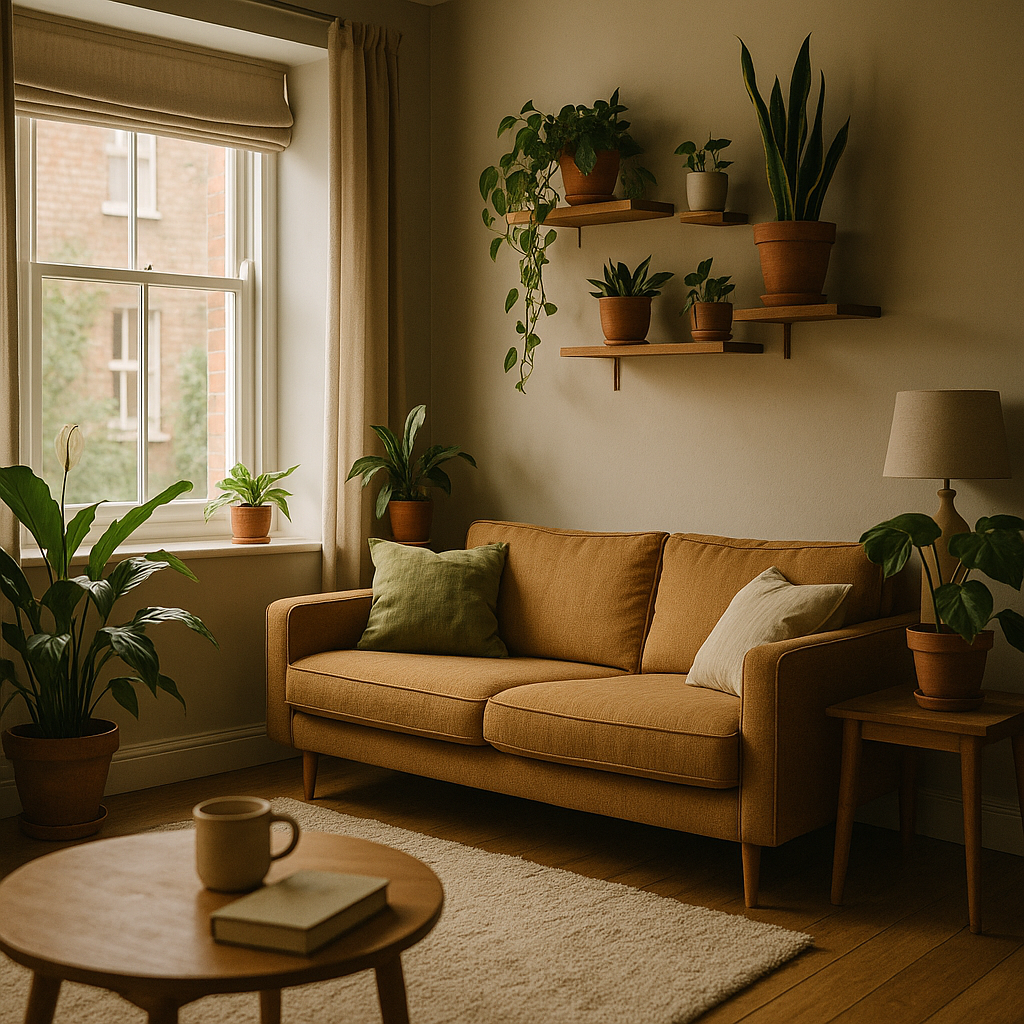
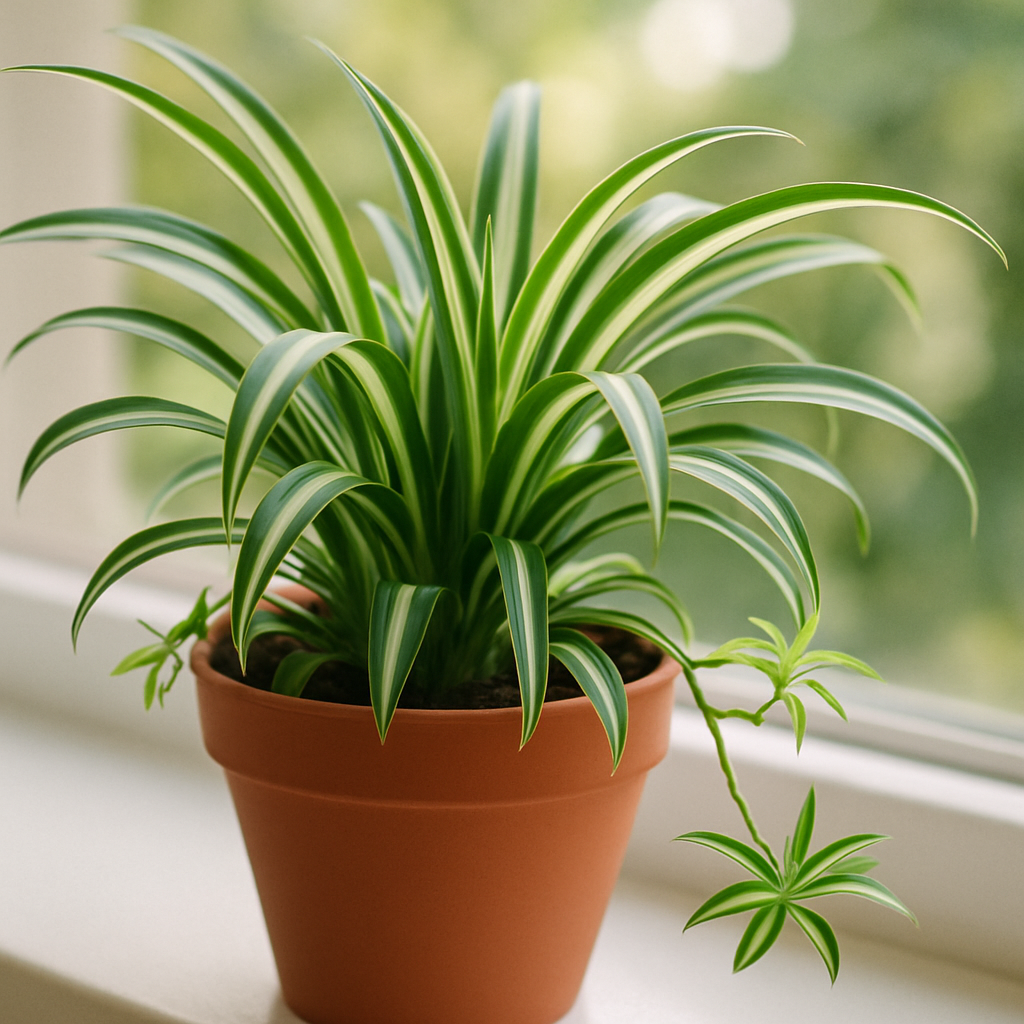
    Terracotta pots of easy herbs to grow at home on a sunny kitchen windowsill
    Terracotta pots of easy herbs to grow at home on a sunny kitchen windowsill

    Why Homegrown Herbs Beat Shop-Bought Every Time

    Those little plastic pots of herbs at the supermarket are grown fast, hard, and cheap. They are often pumped with nutrients to look lush on the shelf, and they tend to collapse within a week of sitting on your kitchen counter. Homegrown herbs, on the other hand, develop at their own pace. The flavour is more concentrated, the aroma is stronger, and the plants actually last. There is also the environmental angle worth mentioning: no plastic packaging, no food miles, and no unnecessary waste. You grow what you need, when you need it.

    Beyond taste and sustainability, there is a genuine wellness benefit to keeping living plants in your space. Studies have consistently shown that tending to plants, even casually, reduces cortisol levels and improves mood. This is not just hippie talk; it is well-documented. A few pots of herbs on your balcony or windowsill quietly does more for your mental state than you might expect.

    The Easiest Herbs to Grow at Home (No Green Thumb Required)

    Mint

    Mint is basically a weed in the best possible way. It grows aggressively, tolerates neglect, and thrives in a pot with minimal fuss. Keep it in its own container though, because if you plant it in a shared bed it will take over everything around it like a friendly but overbearing houseguest. Water it when the soil feels dry, give it a spot with some indirect light, and it will reward you endlessly. Spearmint, peppermint, and chocolate mint are all brilliant choices.

    Basil

    Basil loves warmth and sunshine. A south-facing windowsill is ideal. It does not want to sit in soggy soil, so water it at the base rather than over the leaves, and let the compost dry out slightly between waterings. The key trick with basil is to pinch off the flower heads the moment they appear. This stops the plant bolting and keeps the leaves coming thick and fragrant for months.

    Chives

    Chives are genuinely one of the most low-maintenance easy herbs to grow at home. They come back year after year, cope with partial shade, and ask for very little beyond occasional watering. Snip them down to about an inch from the base when harvesting and they regrow quickly. The purple flowers are also edible and look beautiful scattered over a salad.

    Close-up of harvesting basil, one of the easiest herbs to grow at home
    Close-up of harvesting basil, one of the easiest herbs to grow at home

    Rosemary

    Rosemary is practically built for neglect. It originates from the dry, rocky coastlines of the Mediterranean, so it actually prefers poor soil and infrequent watering. Overwatering is the one thing that will kill it. Give it full sun, a well-draining pot, and water it sparingly. A healthy rosemary plant can live for years and grow into something almost sculptural if you let it. Perfect for balconies.

    Parsley

    Flat-leaf parsley is more forgiving than people give it credit for. It likes moderate watering, decent compost, and a reasonably bright spot. It is slower to get going than the others on this list, but once established it produces generously. Curly parsley is even hardier and handles cooler temperatures well, making it a solid choice for UK balconies where the weather can be unreliable.

    Lemon Balm

    Underrated and underused. Lemon balm has a gentle citrus scent that is genuinely calming, and it grows like mint in that you almost cannot stop it. It is well-known for its mild anxiolytic properties and makes an excellent herbal tea. A few fresh leaves steeped in hot water before bed is one of those small rituals that actually works.

    Basic Setup for Balcony or Indoor Growing

    You do not need a shed full of equipment. A few terracotta pots, decent multipurpose compost, and a watering can is all it takes to get started. Terracotta is worth prioritising over plastic pots because it is breathable, which reduces the risk of root rot. Make sure every pot has drainage holes; sitting water is the number one killer of potted herbs.

    For indoor growing, a south or west-facing windowsill is your best friend. If your flat does not get much natural light, a small grow light on a timer for eight to ten hours a day makes a genuine difference. For balconies, grouping pots together helps retain moisture and creates a slightly warmer microclimate, which most Mediterranean herbs will appreciate.

    Feed your herbs with a diluted liquid fertiliser once every two to three weeks during the growing season. Do not overdo it; too much nitrogen produces soft, tasteless growth. Less is more here, which honestly suits the laid-back approach perfectly.

    Harvesting Without Killing Your Plants

    The golden rule of harvesting herbs is to never take more than a third of the plant at once. Regular, light harvesting actually encourages bushier, more productive growth. Always cut just above a leaf node rather than pulling from the tips, and your plants will branch out rather than getting tall and spindly. Morning is the best time to harvest, before the heat of the day draws out the essential oils that carry all the flavour.

    Growing easy herbs to grow at home is one of the most genuinely rewarding things you can do for your kitchen, your wellbeing, and the planet, all at once. Start with two or three varieties, keep it simple, and let the plants do most of the work. That is the Dr Greenthumb way.

    Frequently Asked Questions

    What are the easiest herbs to grow at home for beginners?

    Mint, chives, and rosemary are the easiest starting points because they require minimal care and are very forgiving of occasional neglect. Mint in particular is almost impossible to kill, making it ideal if you are new to growing anything. Start with these three and build your herb garden from there.

    Can I grow herbs indoors without a garden?

    Absolutely. Most herbs grow perfectly well on a windowsill or balcony as long as they get enough light. A south or west-facing window is ideal for sun-loving herbs like basil and rosemary, while chives and parsley tolerate shadier spots. You do not need outdoor space at all.

    How often should I water herbs in pots?

    It depends on the herb, but a general rule is to water when the top inch of compost feels dry to the touch. Mediterranean herbs like rosemary and thyme prefer drier conditions, while basil and parsley like more consistent moisture. Overwatering kills more potted herbs than underwatering, so when in doubt, hold off.

    Why do my supermarket herb pots keep dying?

    Supermarket herb pots are typically grown very densely and quickly under artificial conditions, which means they are not designed for long-term survival at home. They are often multiple seedlings crammed into one small pot and are already stressed by the time you buy them. Splitting them into individual larger pots with fresh compost can extend their life significantly.

    Are homegrown herbs better for you than shop-bought?

    In most cases, yes. Homegrown herbs develop more slowly and naturally, which tends to concentrate their essential oils and flavour compounds. They also contain no post-harvest treatments and are fresher at the point of use. Herbs like lemon balm and mint also have documented wellness benefits that are best preserved when the plant is harvested and used immediately.

  • How to Build the Most Relaxing Outdoor Chill Space on Any Budget

    How to Build the Most Relaxing Outdoor Chill Space on Any Budget

    There is something genuinely therapeutic about stepping outside, feeling the air on your face, and not having anywhere you need to be. Whether you have a sprawling garden, a modest patio, or a balcony just big enough for two chairs and a dream, the best relaxing outdoor space ideas do not require a hefty budget or a landscaper on speed dial. They just require a bit of thought, a bit of intention, and maybe a playlist you are not embarrassed to admit you made.

    Golden hour garden sanctuary showcasing relaxing outdoor space ideas with pallet sofa and lavender plants
    Golden hour garden sanctuary showcasing relaxing outdoor space ideas with pallet sofa and lavender plants

    Start With the Foundations: Seating That Actually Invites You to Stay

    The single biggest mistake people make with outdoor spaces is buying furniture that looks great in a catalogue but makes you want to go back inside after twenty minutes. Comfort is everything. A good hammock, a proper reclining chair, or even a floor-level cushion setup on decking can completely transform how long you actually use the space. Second-hand garden furniture from Facebook Marketplace or local charity shops is genuinely worth exploring. A wooden pallet sofa with some outdoor cushions costs next to nothing and looks effortlessly cool when styled properly. Add a weather-resistant throw and you have something that feels like a destination rather than just your garden.

    For balconies, foldable bistro chairs work brilliantly because they store flat and still feel intentional when you set them out. Do not overlook floor cushions either. Large, wipeable outdoor floor cushions stacked in a corner create a laid-back, bohemian vibe that feels far more expensive than it is.

    Plants: The Easiest Way to Make Any Outdoor Space Feel Alive

    Plants do the heavy lifting in any outdoor sanctuary, and you do not need to be a horticulturist to get this right. For low-maintenance but high-impact options, go for lavender, ornamental grasses, and trailing ivy. Lavender in particular is a gift; it smells incredible, attracts pollinators, and asks almost nothing of you beyond occasional watering. If you want to go a bit wilder, native wildflower mixes in large pots are brilliant for biodiversity and give your space that beautiful, untamed meadow energy.

    Vertical planting is a game-changer for smaller spaces. A simple trellis with climbing jasmine or a wall-mounted planter filled with herbs does double duty: it adds greenery without taking up floor space, and the herbs are actually useful. Mint, rosemary, and lemon balm all thrive in containers and make your outdoor corner smell like somewhere you want to be. Keeping things organic, peat-free, and locally sourced where possible is worth the extra minute of thought. It is better for the soil, better for local ecosystems, and honestly just feels right.

    Close-up of herb container planters on decking as part of relaxing outdoor space ideas
    Close-up of herb container planters on decking as part of relaxing outdoor space ideas

    Lighting That Sets the Mood Without Killing the Vibe

    Nothing kills the atmosphere of an outdoor space faster than harsh overhead lighting. The goal is warmth, softness, and just enough glow to see your mug of tea without squinting. Solar fairy lights are the most obvious win here and for good reason: they are free to run after the initial cost, they charge all day and glow all evening, and they look genuinely magical draped through plants, along fences, or wrapped around a pergola frame.

    Lanterns with LED candles are another solid move. Scatter a few on a low table or along the edge of your decking and the whole space immediately feels more considered. Moroccan-style metal lanterns with solar inserts are widely available for under a tenner and punch well above their weight aesthetically. If you want to go slightly more adventurous, paper star lanterns hung from a sturdy hook or beam create a festival feel that works brilliantly on warm evenings.

    Scent, Sound, and the Smaller Details That Make the Biggest Difference

    The best relaxing outdoor space ideas are about the full sensory experience, not just how the space looks in a photo. Sound matters more than people realise. A small waterproof speaker tucked into the corner playing ambient sounds, lo-fi beats, or whatever slows your brain down is a low-cost upgrade that completely changes how the space feels. If you want something more natural, a small solar-powered water feature adds a gentle trickling sound that does remarkable things for stress levels. Even a simple bamboo wind chime catches a breeze and brings the space to life in a subtle, grounding way.

    Scent is equally underrated. Beyond the lavender and jasmine already mentioned, burning natural beeswax or soy-based candles in outdoor-safe holders adds warmth and aroma without the environmental guilt of paraffin alternatives. Citronella candles pull double duty as insect repellent, which becomes genuinely important as the evenings get warmer.

    Sustainable Touches That Make the Space Feel Good and Do Good

    One of the most satisfying aspects of building a proper outdoor chill space is that doing it sustainably is not only possible but often cheaper. Reclaimed timber for shelving or raised beds, upcycled containers as plant pots, collected rainwater for watering, composting food scraps to feed the soil: these choices close a loop that feels genuinely rewarding. A small compost bin tucked behind a planter is easy to manage and turns kitchen waste into something your plants will love.

    If you are on a balcony, a worm bin composting system works in a surprisingly small footprint and produces nutrient-rich liquid feed for your container plants. It is low-effort, nearly odourless when maintained properly, and sits well with the broader idea that your outdoor space is part of a living system, not just a decorative extension of your home.

    Bringing It All Together

    The best relaxing outdoor space ideas share one thing in common: they prioritise how the space feels over how it looks on paper. Comfortable seating, plants that thrive without constant attention, soft lighting that comes on automatically, sounds that ease rather than intrude, and small sustainable choices that sit quietly in the background. None of this requires a big budget. It requires a bit of time, a willingness to get creative with what you already have, and the simple decision to treat your outdoor space like somewhere you actually want to be. Step outside. Breathe. You have got this.

    Frequently Asked Questions

    How do I create a relaxing outdoor space on a tight budget?

    Start with second-hand furniture from local marketplaces, add solar fairy lights, and use affordable plants like lavender or wildflower mixes in recycled containers. Focus on comfort and atmosphere rather than expensive fixtures. Small, intentional choices make a much bigger impact than large, costly ones.

    What plants are best for a low-maintenance outdoor chill space?

    Lavender, ornamental grasses, trailing jasmine, and container herbs like mint and rosemary are all excellent choices. They require minimal care, smell fantastic, and look great with very little intervention. Native wildflower mixes are also brilliant for biodiversity and that effortlessly wild aesthetic.

    What outdoor lighting works best for a relaxed evening atmosphere?

    Solar fairy lights and LED lanterns are ideal because they provide warm, soft glow without harsh brightness, and solar options cost nothing to run after purchase. Scattering a few lanterns at low level and draping fairy lights through plants creates an inviting, cosy atmosphere without any complicated wiring.

    How can I make a small balcony feel like a relaxing outdoor space?

    Use vertical planting with wall-mounted planters or a trellis to add greenery without losing floor space. Foldable furniture keeps things practical, and floor cushions create a relaxed, layered vibe. Good lighting and a small speaker or water feature do a lot of the atmospheric heavy lifting in a compact area.

    How do I make my outdoor space more eco-friendly?

    Choose reclaimed or upcycled furniture where possible, use peat-free compost and organic soil, collect rainwater for watering plants, and opt for solar-powered lighting. Even a small compost bin or worm composting system on a balcony closes the loop on kitchen waste and feeds your plants naturally.