Category: Health

  • Forest Bathing: The Chill Way To Reset Your Mind And Help The Planet

    Forest Bathing: The Chill Way To Reset Your Mind And Help The Planet

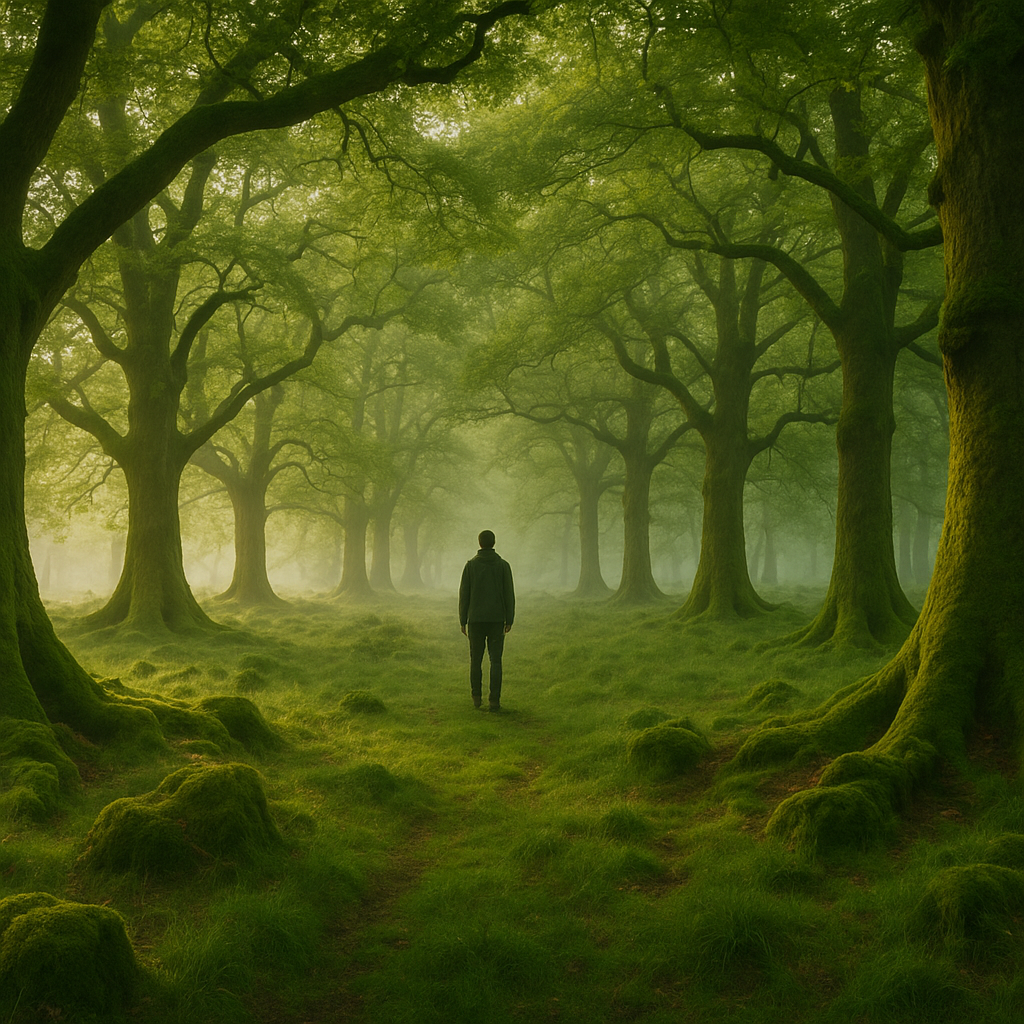
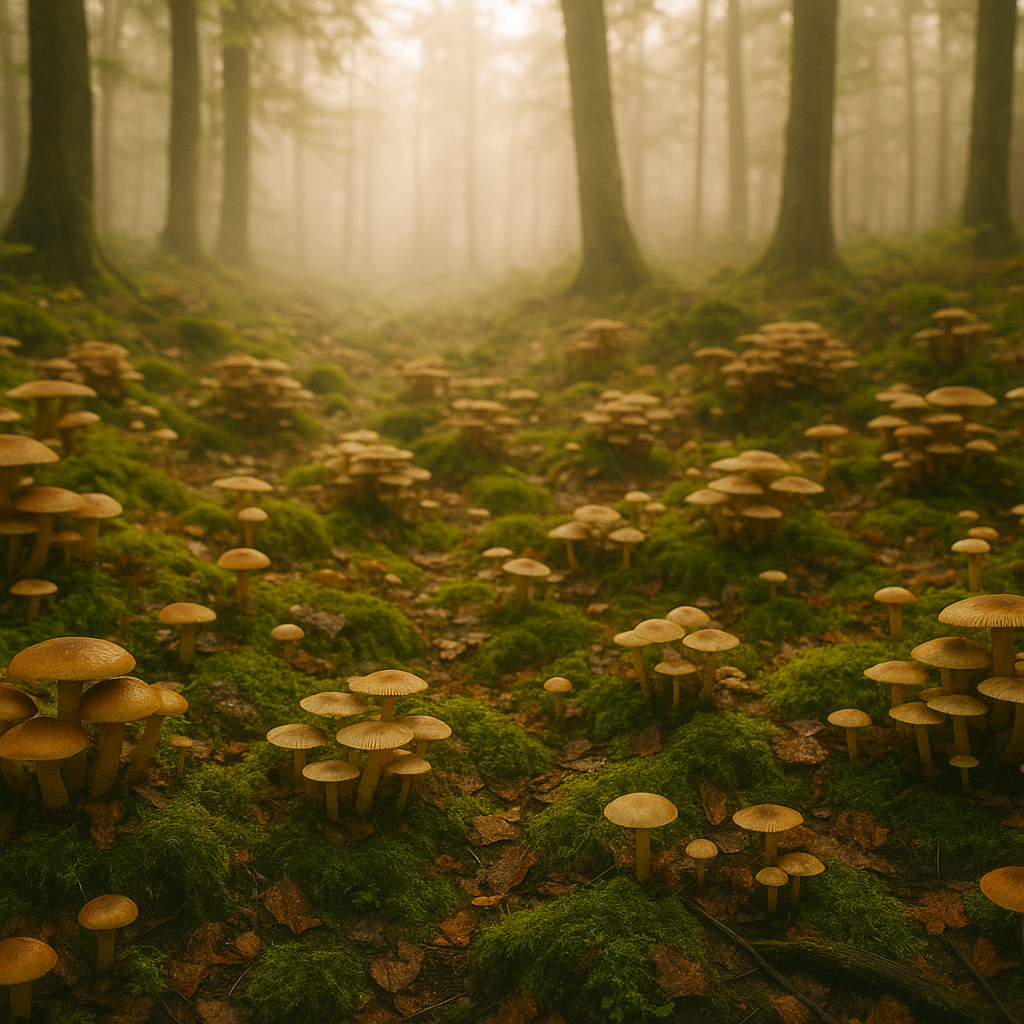
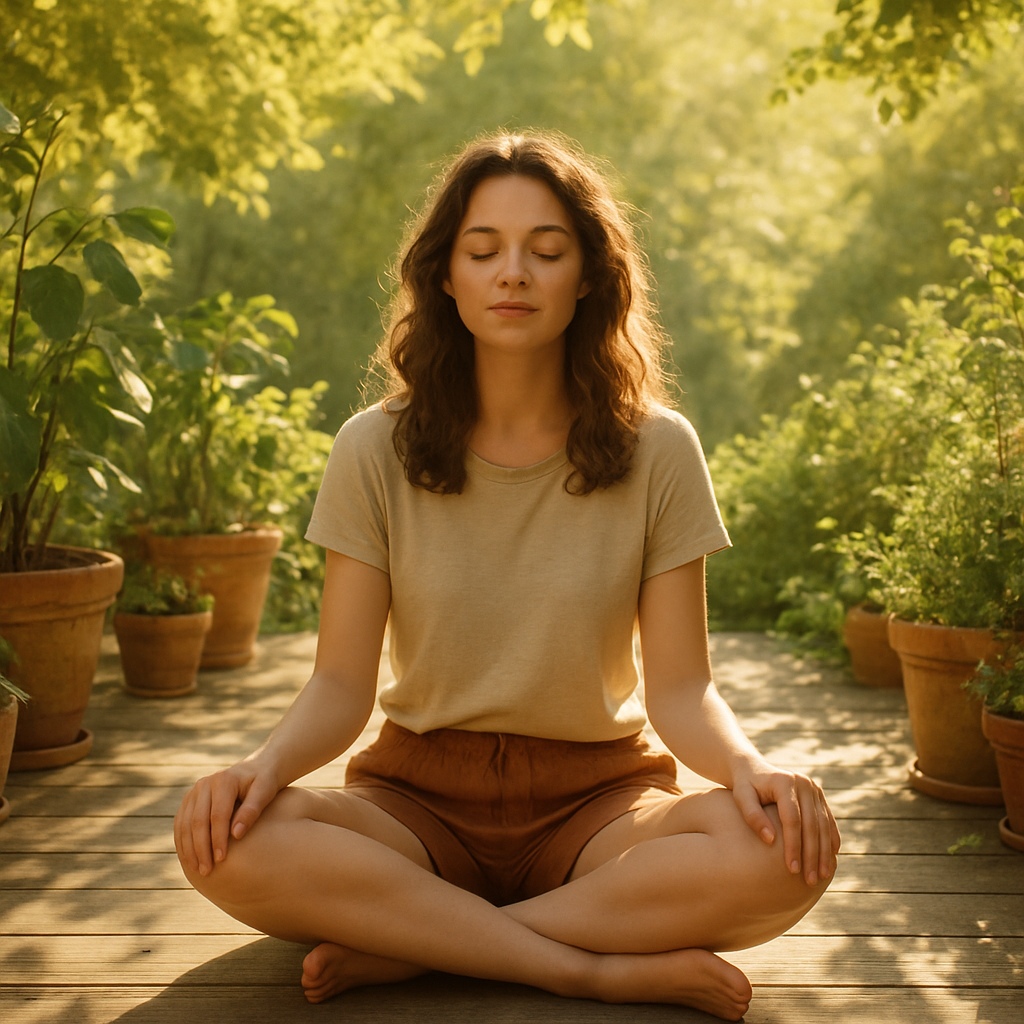
    If you have ever walked through a quiet woodland and felt your shoulders instantly drop, you have already had a taste of forest bathing benefits. No bubble bath, no eucalyptus candle, just you hanging out with trees and letting your nervous system finally chill.

    What is forest bathing, really?

    Despite the name, you are not stripping off and diving into a pond. Forest bathing comes from the Japanese practice of shinrin yoku, which basically means soaking your senses in the forest. It is slow, mindful walking in nature, with zero pressure to hike fast, close your rings or smash a personal best.

    You wander, you breathe, you notice the colours, sounds and smells, and you let your brain stop sprinting for a bit. It is like a spa day, but your therapist is a 200 year old oak that has seen some things.

    Forest bathing benefits for your mind

    The mental health perks are where forest bathing really flexes. Studies show time in green spaces can lower stress hormones, calm anxiety and boost mood. When you are surrounded by trees, your brain gets fewer alerts and notifications, so it can drop out of fight or flight mode and into something more like mellow and alright mode.

    Slowing down your walk, feeling your feet on the ground and listening to birds instead of traffic helps your attention reset. People report better focus afterwards, fewer racing thoughts and a bit more patience for the chaos of daily life. Think of it as turning your mind off and on again, but with leaves.

    Forest bathing benefits for your body

    It is not just a head game either. Gentle movement, fresh air and natural light are a pretty tasty combo for your body. Your heart rate drops, blood pressure can ease down and your breathing naturally deepens without you forcing it.

    Some research suggests certain trees release compounds that may support your immune system, but even without getting super nerdy, we know that regular chilled walks in nature help sleep, energy and general vibes. You do not need a gym membership when the woods are handing out free wellness sessions.

    Why forest bathing is good for the planet too

    Here is the sneaky eco magic: when people experience forest bathing benefits first hand, they are more likely to care about protecting those spaces. Once you fall a little bit in love with a local woodland, you are less keen on seeing it turned into another bland development.

    Spending time outdoors can nudge you towards more planet friendly habits without it feeling like homework. Maybe you start picking up litter on your walks, cutting down on pointless purchases, or supporting local conservation groups that look after your favourite trails. Tiny steps, big ripple effect.

    How to start forest bathing (no crystals required)

    You do not need special gear, a guru or a perfect forest. A scrappy bit of woodland, a riverside path or even a big park will do. Aim for 30 to 60 minutes where your only mission is to wander slowly and pay attention.

    Leave your phone on silent, or better yet, in your pocket. Walk slower than feels normal. Notice five things you can see, four you can feel, three you can hear, two you can smell and one you can taste, even if it is just the fresh air. Sit on a bench or a log for a while and let yourself be fully unproductive. That is the whole point.

    Making it a regular ritual

    Like any good habit, the more often you do it, the better it feels. Try a weekly forest bathing session, even if it is just a short loop after work. Treat it like a standing date with nature where you show up as you are, no performance required.

    Mix it up too. Go in different seasons, at different times of day, in sunshine and drizzle. Not every session will blow your mind, but over time you will notice you are calmer, more grounded and a bit more plugged into the living world around you.

    Group experiencing forest bathing benefits while sitting together under tall trees
    Sunlit woodland path illustrating forest bathing benefits in a calm natural setting

    Forest bathing benefits FAQs

    How often should I go forest bathing to feel the benefits?

    Even one session can feel surprisingly calming, but regular time in nature is where forest bathing benefits really stack up. A weekly 30 to 60 minute wander in woodland or a big park is a good target. If that is too much, start with shorter sessions and build up. The key is consistency and going slowly, not racking up miles.

    Do I need a proper forest for forest bathing?

    A dense ancient woodland is amazing, but not essential for forest bathing benefits. Any green space with trees and plants can work, from a local park to a riverside path. The main thing is that you feel relatively safe and can move slowly without constantly dodging crowds or traffic. If you can hear some birds and see some leaves, you are good.

    What should I take with me when forest bathing?

    Keep it simple. Comfortable shoes, weather appropriate clothes and some water are usually enough. You might want a light snack and a small bag to carry any litter you pick up. Try to keep your phone on silent and out of your hand so you can focus on the experience. Optional extras are a notebook, a sit mat or a friend who is up for slowing down with you.

  • How Digital Minimalism Can Boost Your Mental Health

    How Digital Minimalism Can Boost Your Mental Health

    If your brain feels like 37 tabs are open at once, digital minimalism might be the chill reset button you have been looking for. It is all about using tech with intention instead of letting notifications and endless scrolling run the show.

    What is digital minimalism really about?

    Digital minimalism is not about throwing your phone in a river and moving to a cabin in the woods, although that does sound pretty peaceful. It is about stripping your digital life back to what actually serves you – your wellbeing, your relationships, your creativity – and letting the rest drift away like smoke.

    Think of it as decluttering your online world. Fewer apps, fewer pings, fewer pointless arguments in the comments section. More time, more focus, more space in your head to actually notice the breeze, your breath and the sky doing its thing.

    How digital minimalism helps your mental health

    Most of us know that constant scrolling is not exactly herbal tea for the brain. Digital minimalism gives you a practical way to step back. When you cut down the noise, you often notice:

    • Less anxiety from constant news and notifications
    • Better sleep because you are not doomscrolling at midnight
    • More real-world connection with people, pets and plants
    • More energy for hobbies that actually recharge you

    Our nervous systems were built for birdsong and campfires, not infinite feeds. Dialling down digital input and dialling up nature is like a spa day for your brain, only cheaper and with more trees.

    Bringing nature into your digital detox

    You do not have to go full forest hermit to feel the benefits. Even tiny shifts towards nature can make digital minimalism feel less like a restriction and more like a reward.

    • Swap one scroll break a day for a short walk outside
    • Take your morning brew into the garden or onto a balcony and just sit
    • Grow a few herbs or houseplants and give them the attention you used to give memes
    • Try grounding – stand barefoot on grass or soil for a couple of minutes and breathe

    When you give your senses real-world input – wind, birds, leaves, rain – your brain does not crave as much digital stimulation. You start realising that the outdoors is the original high-definition experience.

    Simple steps to start digital minimalism

    You do not need a full life overhaul. Start small, keep it mellow and notice how your body feels as you go.

    • Turn off non-essential notifications so your phone stops yelling your name every five minutes.
    • Delete apps you barely use or that always leave you feeling drained or stressed.
    • Create screen-free zones like the bedroom or the dinner table.
    • Schedule check-in times for messages and social media instead of constant grazing.
    • Use one home for your important links so you are not bouncing between platforms – a simple link in bio tool can keep things tidy.

    The goal is not perfection. It is just being honest about what feels good long term, not just in the moment.

    Balancing these solutions with modern life

    We still need to stay connected – for work, mates, memes and the odd cat video. these solutions is about balance, not becoming a monk. You can keep the parts of the online world that genuinely lift you up and gently phase out the rest.

    Try checking in with yourself regularly. After you use a platform, ask: do I feel calmer, inspired or connected? Or do I feel tense, wired or weirdly empty? Let those answers guide what stays and what goes.

    When your digital life is lighter, you have more time for real-world wellness rituals – stretching, slow walks, deep chats, cloud watching and just vibing with the planet. Less screen, more green. Your mind, your mood and the earth all win.

    Calm home scene with a phone turned off and plants symbolising digital minimalism
    Group of friends outdoors enjoying conversation and nature through digital minimalism

    Digital minimalism FAQs

    Is digital minimalism the same as a digital detox?

    Not quite. A digital detox is usually a short break from screens, like a weekend offline. Digital minimalism is more of a long-term lifestyle shift where you intentionally choose how and when you use technology so it supports your wellbeing instead of draining it.

    How do I start digital minimalism without feeling cut off?

    Start small and gradual. Turn off a few notifications, delete one or two draining apps and set short screen-free times each day. Tell friends you are trying to be more intentional online so they know you are not ignoring them, just protecting your peace.

    Can digital minimalism help with anxiety and stress?

    For many people, yes. Constant alerts, news and social comparison can keep your nervous system on edge. By reducing digital noise and spending more time in calm, natural environments, you give your brain space to unwind, which can ease feelings of anxiety and stress.

  • Outdoor Mindfulness Habits To Decompress From Screen Stress

    Outdoor Mindfulness Habits To Decompress From Screen Stress

    If your brain feels like it has 47 tabs open and all of them are buffering, it might be time to try some simple outdoor mindfulness habits. No incense, no yoga mat, no app telling you to breathe. Just you, the sky, the ground and a bit of fresh air doing its thing.

    Why outdoor mindfulness habits work so well

    Our minds evolved outside, not under strip lights and notification pings. When you step outdoors, a few cool things happen in your body without you doing anything clever. Your nervous system starts to shift out of fight or flight and into rest and digest. Your eyes get to focus on long distances instead of glowing rectangles, which gives your brain a break. Your breathing slows down, your heart rate eases and stress hormones start to drop.

    Scientists call this biophilia – our natural pull towards nature. When you are surrounded by trees, grass, clouds and birds, your attention softens. You are not forcing yourself to concentrate. Your mind just gently wanders in a way that feels spacious instead of chaotic. That is why even ten minutes outside can feel like a mini reset.

    Grounding: barefoot time on the earth

    Let us start with the most low effort ritual of all. Kick your shoes off and stand on grass, soil or sand. That is grounding in its simplest form. Some people get deep into the idea of the earth’s electrons and energy transfer. Even if you are not into that, there is plenty going on.

    Going barefoot wakes up thousands of nerve endings in your feet. Your brain gets a rich stream of touch signals, which pulls your attention away from racing thoughts and back into your body. Your posture often improves, your breathing deepens and your muscles subtly relax. Try this: stand barefoot, soften your knees, feel the weight of your body sinking down into the ground and count ten slow breaths. That is it. You just meditated without trying.

    Cloud watching: the laziest meditation ever

    Cloud watching might be the most underrated of all outdoor mindfulness habits. Lie on a blanket, hoodie as a pillow, and stare at the sky like you are in a coming of age film. Let your eyes rest on the slow movement of the clouds. Notice shapes if you want to, or just watch them drift.

    This gentle, unfocused gaze is powerful. It calms the visual system that spends all day locked onto sharp, bright screens. Your brain switches from task mode into daydream mode, which is where creativity, problem solving and emotional processing quietly happen. You are not zoning out, you are giving your mind some open space to stretch in.

    Slow walks instead of step-count missions

    Forget power walking. Think slow wandering. Choose a park, a field path or a quiet street with trees and move at a pace where you could easily carry a mug of tea without spilling it. The goal is not fitness points, it is presence.

    As you walk, tune into one sense at a time. For a minute, notice only sounds – birds, wind, distant traffic. Then switch to sight – colours, shapes, light and shadow. Then touch – the feel of the air on your skin, your feet rolling from heel to toe. This simple rotation of attention is like a massage for a tired brain. It keeps you here, not lost in old arguments or future worries.

    Sitting with trees: borrowing their calm

    Find a tree that looks friendly and claim it as your temporary therapist. Sit with your back against the trunk or just nearby. Trees are basically living slow motion. They are not rushing, they are not checking emails, they are just quietly existing and growing.

    Person cloud watching in a field as part of outdoor mindfulness habits to ease stress
    Person enjoying a calm mini picnic under a tree as one of their outdoor mindfulness habits

    Outdoor mindfulness habits FAQs

    How long do outdoor mindfulness habits need to be to help with stress?

    You do not need hour long sessions. Even five to ten minutes of focused time outside can start to calm your nervous system and ease stress. A short barefoot grounding break, a quick slow walk or a few minutes of cloud watching can all make a noticeable difference, especially if you repeat them most days.

    Do outdoor mindfulness habits still work if I live in a city?

    Yes, they absolutely can. Look for any pocket of nature you can find, like a small park, a tree lined street, a patch of grass or even a balcony with plants. The key is to step away from screens, slow your breathing and pay gentle attention to your surroundings, even if that is just the sky between buildings and a single tree on the corner.

    What if I get bored trying outdoor mindfulness habits?

    Feeling bored at first is normal because your brain is used to constant stimulation. Start small and keep it playful. Set a timer for three to five minutes, pick one simple practice like cloud watching or sitting with a tree, and treat it like an experiment rather than a chore. Over time, your mind usually learns to enjoy the quiet and the boredom turns into a sense of ease.

  • Small space herb garden for stress relief (even if you forget to water)

    Small space herb garden for stress relief (even if you forget to water)

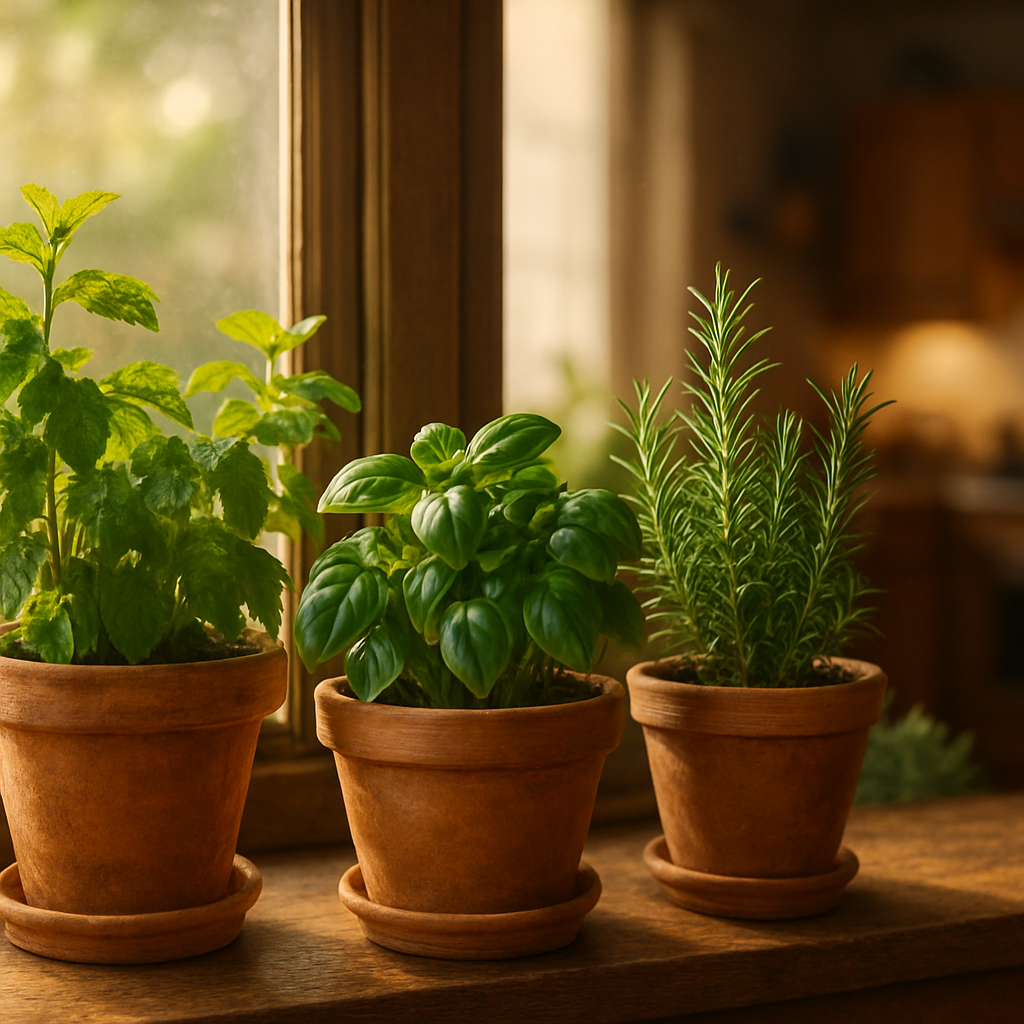
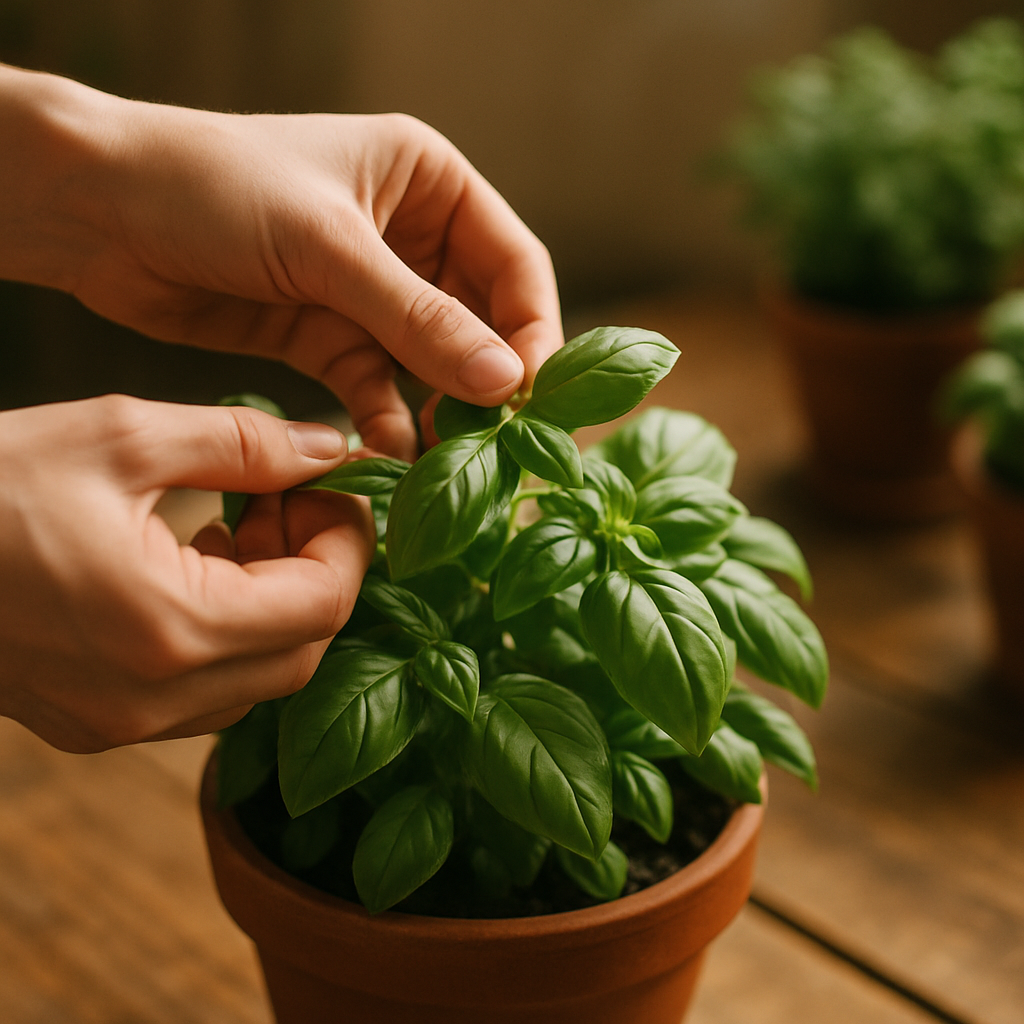
    If you have ever killed a cactus, this one is for you. A small space herb garden for stress relief is totally doable, even if you are a forgetful, slightly chaotic plant parent. You do not need a big garden, fancy gear or a degree in horticulture – just a bit of light, some water and a chilled attitude.

    Why a small space herb garden for stress relief hits different

    Growing herbs is like having tiny therapists on your windowsill. You get the calm of looking after something living, plus the bonus of turning those leaves into teas and infusions that help your body unwind. Studies keep linking greenery with lower stress, better mood and improved focus, and herbs give you that with extra flavour.

    Even better, growing your own means fewer plastic packets, fewer mystery sprays and more connection to the planet. It is a gentle way to live a bit greener without needing to move to a farm or start churning your own compost (unless you want to, in which case, respect).

    Best beginner herbs for tiny, lazy gardens

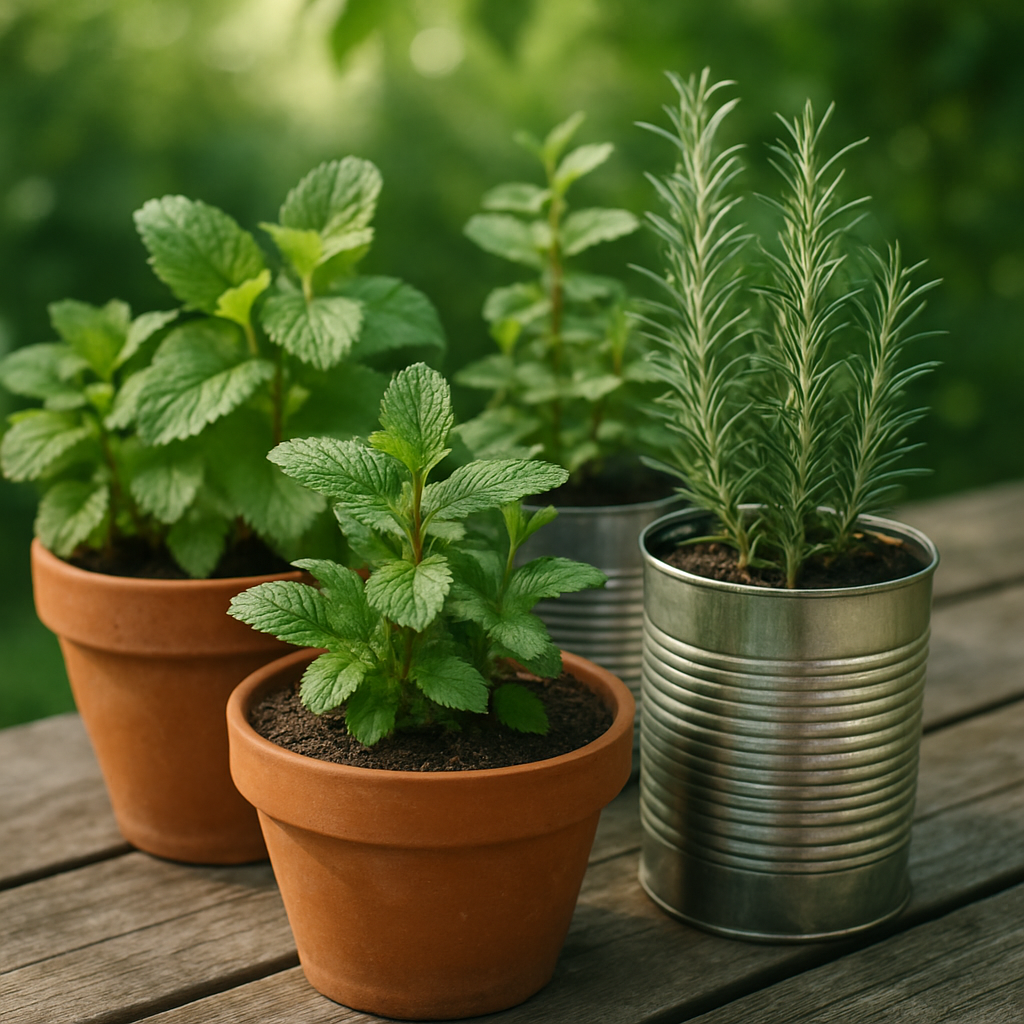
    Let us keep it simple. These three herbs are forgiving, soothing and perfect for beginners.

    Mint: the unstoppable overachiever

    Mint is that friend who turns up everywhere. It grows fast, smells fresh and is almost impossible to fully kill. It is great for digestion and makes calming teas and mocktails.

    • Light: Happy in bright indirect light, can handle a bit of shade.
    • Water: Keep the soil lightly moist. If the top inch feels dry, give it a drink.
    • Container tip: Grow it in its own pot. Mint spreads like gossip and will take over other herbs if you let it.

    Use it fresh in water, teas, salads or just grab a leaf and sniff it when life feels a bit much.

    Chamomile: the bedtime classic

    Chamomile is like a warm blanket in plant form. It is famous for sleep and stress support, and it looks cute with its daisy style flowers.

    • Light: Loves a sunny windowsill or balcony spot.
    • Water: Let the top of the soil dry out slightly between waterings.
    • Bonus: The more you pick the flowers, the more it tends to produce.

    Dry the flowers on a plate in a warm, airy spot, then store them in a jar for homemade sleepy tea.

    Lemon balm: mellow citrus vibes

    Lemon balm is part of the mint family but with a soft lemon scent and a reputation for easing tension and lifting low moods. It is gentle, tasty and very forgiving.

    • Light: Bright indirect light is ideal, but it can cope with partial shade.
    • Water: Aim for evenly moist soil, not soggy.
    • Growth: Trim it regularly to keep it bushy and stop it going leggy.

    Fresh lemon balm makes a dreamy evening tea or a calming cold infusion with mint.

    Setting up your tiny herb jungle

    You do not need a big budget for a small space herb garden for stress relief. A sunny windowsill, a balcony rail or even a bright kitchen corner will do the job.

    • Containers: Old mugs, recycled tins and small pots all work, as long as you poke drainage holes in the bottom.
    • Soil: Use a light, general purpose potting mix. Heavy garden soil in a pot tends to stay too wet.
    • Light: Most herbs like 4 to 6 hours of light. South or west facing windows are ideal, but east can work too.

    If your plants start stretching towards the window, that is them asking for more light. Rotate the pots every few days so they grow more evenly.

    Watering for the forgetful plant parent

    Here is the lazy secret: herbs usually suffer more from too much water than too little. Stick a finger into the soil up to the first knuckle. If it feels dry, water. If it feels damp, leave it.

    Person making herbal tea from a small space herb garden for stress relief
    Relaxed balcony scene with a small space herb garden for stress relief

    Small space herb garden for stress relief FAQs

    Can I grow a small space herb garden for stress relief without a sunny window?

    Yes, you can still grow herbs with less than perfect light, but you need to choose wisely. Lemon balm and mint cope better with partial shade than sun hungry herbs like rosemary or thyme. Place them in the brightest spot you have and rotate the pots every few days so they do not stretch too much. They might grow a bit slower, but they will still give you calming leaves to use.

    How often should I water herbs in a small space herb garden for stress relief?

    There is no exact schedule because it depends on pot size, warmth and light. Instead, use the finger test: if the top inch of soil feels dry, water, and if it feels damp, wait. In warm weather this might be every couple of days, in cooler months it could be once a week. Always let excess water drain away so the roots do not sit in soggy soil.

    Which herbs are safest for beginners in a small space herb garden for stress relief?

    Mint, chamomile and lemon balm are ideal starter herbs. They are fairly forgiving, do not need constant attention and all have calming reputations. Mint is very tough and grows fast, chamomile brings gentle sleepy vibes, and lemon balm offers a mellow citrus lift. Start with one or two, see how they do in your space, then add more once you feel confident.

  • Chilled Guide To Eco Friendly Home Renovation

    Chilled Guide To Eco Friendly Home Renovation

    If you are into plants, peace and a smaller carbon footprint, then eco friendly home renovation is basically the house version of eating your greens. You still get the comfy, upgraded space, but without rinsing the planet or your energy bills.

    Why go green when you spruce up your space?

    Traditional refurb jobs can be brutal for the environment. Loads of waste, loads of chemicals, loads of energy leaking out of badly insulated walls and windows. Going greener is about slowing that down so your home works with nature instead of fighting it.

    Done right, a low impact renovation can:

    • Cut your heating and electricity costs
    • Make your place feel calmer, lighter and more natural
    • Reduce mould, damp and indoor pollution
    • Use fewer new materials and more reclaimed goodness

    Start with an energy chill check

    Before you start knocking walls down, figure out where your home is leaking energy. The big offenders are usually draughty windows and doors, uninsulated lofts and sad old radiators.

    Simple moves like topping up loft insulation, sealing gaps around frames and adding thick curtains can make a bigger difference than fancy gadgets. Think of it as putting a cosy hoodie on your house so it does not need to burn as much fuel to stay warm.

    Natural light and wood: the dream combo

    Letting more daylight in is one of the easiest eco wins. More light means you flick the switch less, and natural sun boosts your mood, sleep and general zen levels. If you are upgrading frames, look for sustainably sourced timber and efficient glazing so you get the vibe and the performance.

    Timber is a nice low carbon option compared with a lot of alternatives, especially when it is well maintained and built to last. If you want traditional character with modern comfort, high quality joinery like sliding sash windows can give you that old school look while still keeping the heat in.

    Choosing low impact materials

    Eco friendly home renovation is not just about what you add, but what it is made from. When you are picking materials, ask three simple questions:

    • Where did it come from?
    • How long will it last?
    • What happens to it when I am done?

    Some easy greener swaps include:

    • Using reclaimed wood for shelves, floors and furniture instead of brand new boards
    • Choosing lime or clay based paints and plasters rather than harsh chemical heavy options
    • Going for natural insulation like sheep wool, cork or cellulose where it is suitable
    • Picking tiles and worktops made with recycled content

    Bring the outdoors inside

    If you hang out on Dr Greenthumb, you already know plants make everything better. Use your renovation as an excuse to build in greenery from the start. Think wide window sills for herb pots, hanging planters in bright corners and even built in shelving for your jungle collection.

    Plants help clean the air, soften hard lines and generally make your home feel like a tiny indoor forest. Combine that with natural materials like wood, stone and jute and you have got a space that feels grounded and calm without trying too hard.

    Water, waste and the little details

    The chilled green life is all about the small habits too. When you are refurbishing, it is a perfect time to dial those in:

    • Fit low flow taps and showers so you use less water without noticing
    • Make space for proper recycling and compost bins in the kitchen layout
    • Choose LED lighting and simple timers for outdoor lights
    • Upcycle old units or doors instead of binning everything for brand new

    None of this feels dramatic, but it all stacks up. Your home slowly shifts from energy hungry to easy going and efficient.

    Planning your eco upgrade without stress

    The key to a smooth, eco friendly home renovation is planning. Work out your priorities first: warmth, light, fresh air, more plants, less waste. Then tackle projects in that order instead of trying to do it all at once.

    Homeowner planning eco friendly home renovation using natural materials and surrounded by greenery.
    Cosy bedroom after eco friendly home renovation featuring natural fabrics, timber details and houseplants.

    Eco friendly home renovation FAQs

    Where should I start with an eco focused home makeover?

    Begin with the parts of your home that waste the most energy, usually insulation and draughty windows and doors. Improve loft and wall insulation if needed, seal gaps around frames and consider thicker curtains or blinds. Once the building is holding heat better, you can move on to natural materials, plants and low impact finishes to create a calmer, greener space.

    Are natural materials always better for the environment?

    Natural materials can be a great choice, but they are not automatically perfect. You still need to think about where they come from, how they are processed and how long they will last. Look for responsibly sourced timber, recycled content, and products that can be repaired or reused. Sometimes a durable, long lasting option with a slightly higher footprint up front is better than something that needs replacing every few years.

    How can eco friendly home renovation help my wellbeing?

    Greener upgrades often mean more natural light, better air quality and fewer harsh chemicals in paints and finishes. Add plants, natural textures and a comfortable temperature, and your home becomes a calmer, healthier place to spend time. That mix of physical comfort and a lighter environmental footprint can reduce stress and make day to day life feel more balanced.