

Here’s a fun fact nobody tells you at a dinner party: your body is home to roughly 38 trillion microorganisms. Bacteria, fungi, viruses, archaea – a whole civilisation buzzing away inside your intestines right now. Welcome to gut microbiome health, arguably the most interesting neighbourhood you’ll never actually visit. Pull up a beanbag. Let’s talk about the tiny universe within.

What Even Is Your Gut Microbiome?
Your gut microbiome is the collective name for all the microorganisms living in your digestive tract – primarily your large intestine. Think of it like a rainforest. At its best, it’s thriving, diverse and balanced, with all sorts of species doing their specific jobs. At its worst, it’s more like a car park – grey, hostile and dominated by a few opportunistic species that shouldn’t really be in charge.
These microbes aren’t just freeloaders either. They help break down food your body can’t digest on its own, produce vitamins like B12 and K2, regulate your immune system, and even communicate with your brain via the gut-brain axis. Yes, your belly talks to your head. That gut feeling? Completely literal.
Why Gut Microbiome Health Is Having Its Moment
Science has spent the last decade absolutely losing its mind over the gut microbiome. Researchers have now linked disruptions in microbial balance – a state called dysbiosis – to everything from anxiety and depression to autoimmune conditions, obesity, skin issues and chronic fatigue. It turns out that when your gut bugs are struggling, the rest of you tends to feel it too.
Stress, antibiotics, ultra-processed food, poor sleep and even environmental toxins can all knock the ecosystem off balance. Modern life, basically. Which is why more people than ever are starting to pay serious attention to what they’re feeding their inner world – not just their outer one.
What Upsets the Balance?
A few of the usual suspects when it comes to disrupted gut microbiome health:
- Ultra-processed food – Low in fibre, high in additives. Your beneficial bacteria basically starve.
- Antibiotics – Brilliant when you need them. Nuclear bomb for your gut ecosystem when overused.
- Chronic stress – Cortisol negatively alters the microbial environment. Your gut knows when you’re panicking.
- Poor sleep – Your microbiome has its own circadian rhythm. Mess with yours, you mess with theirs.
- Alcohol – Heavy consumption significantly reduces microbial diversity. Sorry about it.
And then there’s the slightly more exotic category – unwanted guests. Intestinal parasites are more common than most people realise, particularly after travel, contaminated water, or contact with animals. If you’ve been feeling off and nothing seems to explain it, some people explore options like a parasite cleanse as part of a broader gut reset. It’s worth doing your research and speaking to a health professional first, but the conversation around gut intruders is becoming a lot more mainstream.
How to Actually Support Your Gut (Without Being Boring About It)
Good news: supporting your gut microbiome health doesn’t have to mean living on kale smoothies and misery. Here’s what genuinely moves the needle:
Eat More Plants (Seriously, More)
Diversity is the key word here. Aiming for 30 different plant foods a week – fruits, vegetables, wholegrains, legumes, nuts, seeds, herbs and spices – is one of the most evidence-backed strategies out there. Each different plant feeds different bacterial species. The more variety, the more a thriving ecosystem you build.
Fermented Foods Are Your Friends
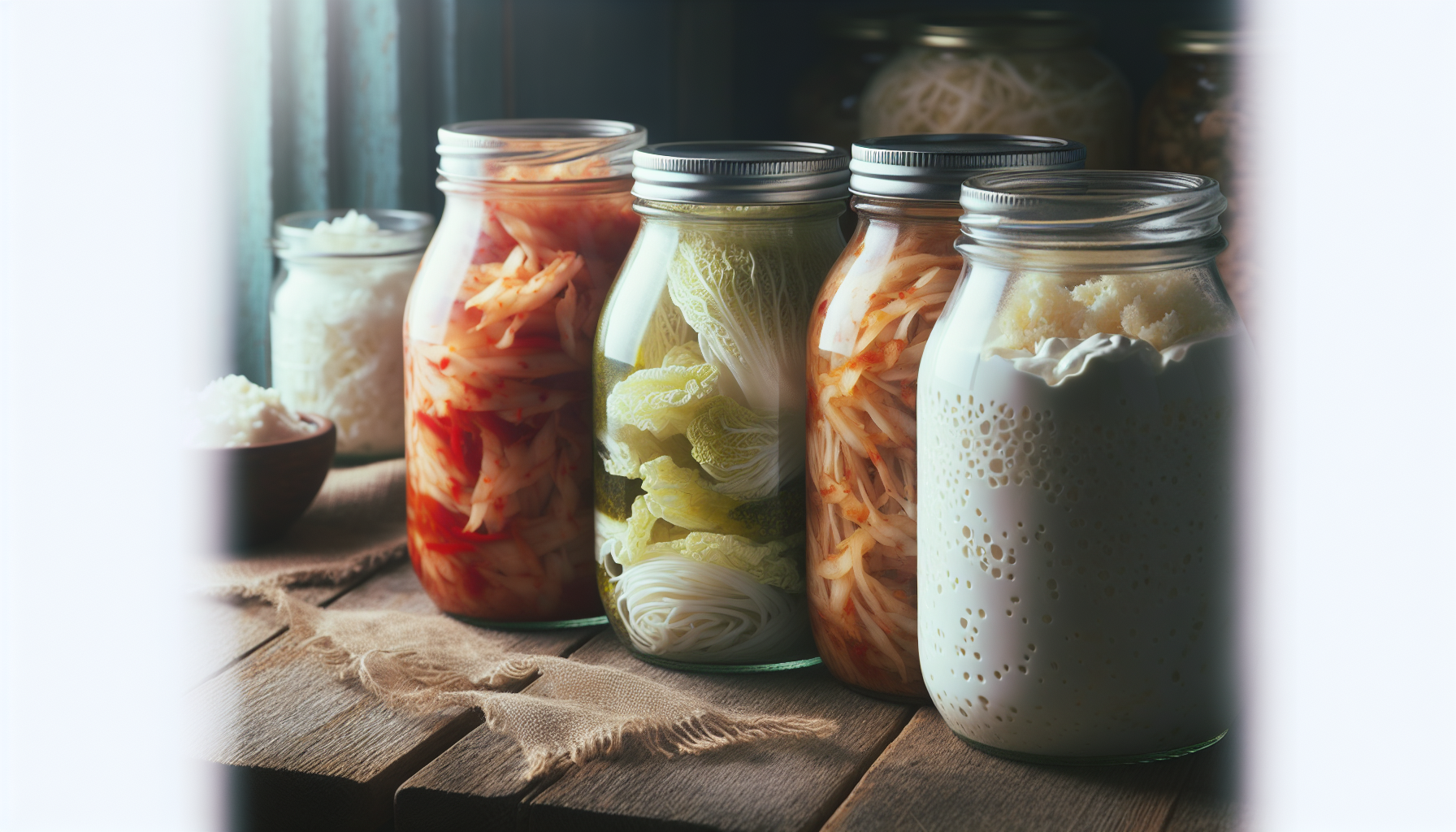
Kimchi, sauerkraut, kefir, live yoghurt, kombucha, miso – these all introduce beneficial bacteria directly into your gut and have been shown to increase microbial diversity. Plus they taste great, which is a rare win in wellness.
Feed the Good Bugs With Prebiotics
Prebiotics are basically food for your beneficial bacteria. Garlic, onions, leeks, oats, bananas, asparagus and chicory root are all excellent sources. Think of prebiotics as the fertiliser that makes your gut garden flourish.
Chill Out More
Genuinely. Stress management isn’t just a lifestyle choice – it’s a gut health strategy. Whether that’s time in nature, breathwork, yoga, swimming in cold water or just putting your phone down for an hour, managing cortisol levels has a direct positive effect on your microbial balance. Dr Greenthumb approves of this prescription wholeheartedly.
The Gut-Brain Connection Is the Real Plot Twist
One of the most mind-bending aspects of gut microbiome health is the gut-brain axis – the two-way communication highway running between your digestive system and your central nervous system. About 90% of the body’s serotonin (the feel-good neurotransmitter) is actually produced in the gut. So if your gut is inflamed, imbalanced or stressed, your mental health may well reflect that.
Researchers are actively investigating whether improving gut health could play a meaningful role in managing conditions like depression, anxiety and even cognitive decline. We’re not there yet in terms of clinical guidance, but the direction of travel is fascinating. Your gut really might be the second brain everyone’s been talking about.
The Bottom Line on Gut Microbiome Health
Your gut microbiome is not some fringe wellness concept – it’s a fundamental pillar of human health that mainstream medicine is only just catching up with. The choices you make around food, sleep, stress and movement every single day are either feeding a thriving ecosystem or slowly running it down. The good news is that the gut is remarkably resilient. Small, consistent changes genuinely add up. Start with more plants, more fermented foods, less stress, and a bit more respect for the 38 trillion little legends keeping you alive.

Gut microbiome health FAQs
What is the gut microbiome and why does it matter?
The gut microbiome is the collection of trillions of microorganisms – bacteria, fungi and other microbes – living in your digestive tract. It plays a critical role in digestion, immune function, mental health and vitamin production. A balanced, diverse microbiome is strongly associated with better overall health outcomes.
How do I know if my gut microbiome is unhealthy?
Common signs of an imbalanced gut microbiome include bloating, irregular bowel movements, persistent fatigue, frequent illness, skin conditions like eczema or acne, and mood disturbances like anxiety or low mood. If you’re experiencing several of these symptoms regularly, it’s worth speaking to a healthcare professional who can advise on gut health testing and support.
What foods are best for improving gut microbiome health?
A wide variety of plant foods is the most evidence-backed approach – aim for around 30 different plant types per week including vegetables, fruits, legumes, wholegrains, nuts and seeds. Fermented foods like kimchi, kefir and live yoghurt are also excellent, as are prebiotic-rich foods like garlic, onions, oats and bananas.
Can stress really affect your gut microbiome?
Yes, significantly. Chronic stress raises cortisol levels, which directly disrupts the microbial environment in your gut, reducing diversity and promoting the growth of harmful bacteria. The gut-brain axis means stress and gut health are deeply interconnected, so managing stress is genuinely one of the most impactful things you can do for your digestive wellbeing.
How long does it take to improve your gut microbiome?
Research suggests that dietary changes can begin to shift microbial composition within just a few days, though meaningful, lasting improvements tend to take several weeks to months of consistent effort. The gut microbiome is dynamic and responsive, meaning small daily habits compound over time into significant changes.
Leave a Reply