
There’s something happening quietly in waiting rooms and health food shops across Britain. People who’ve sat through a twelve-minute GP appointment and walked away with a prescription they’re not sure about are starting to ask different questions. Not rejecting conventional medicine exactly, just… looking sideways at the hedgerow and wondering what it knows. Western herbal medicine in the UK has been around for centuries, obviously. But the conversation about where it fits alongside NHS care is genuinely shifting, and I think it’s worth paying attention to.
What a registered herbalist actually does
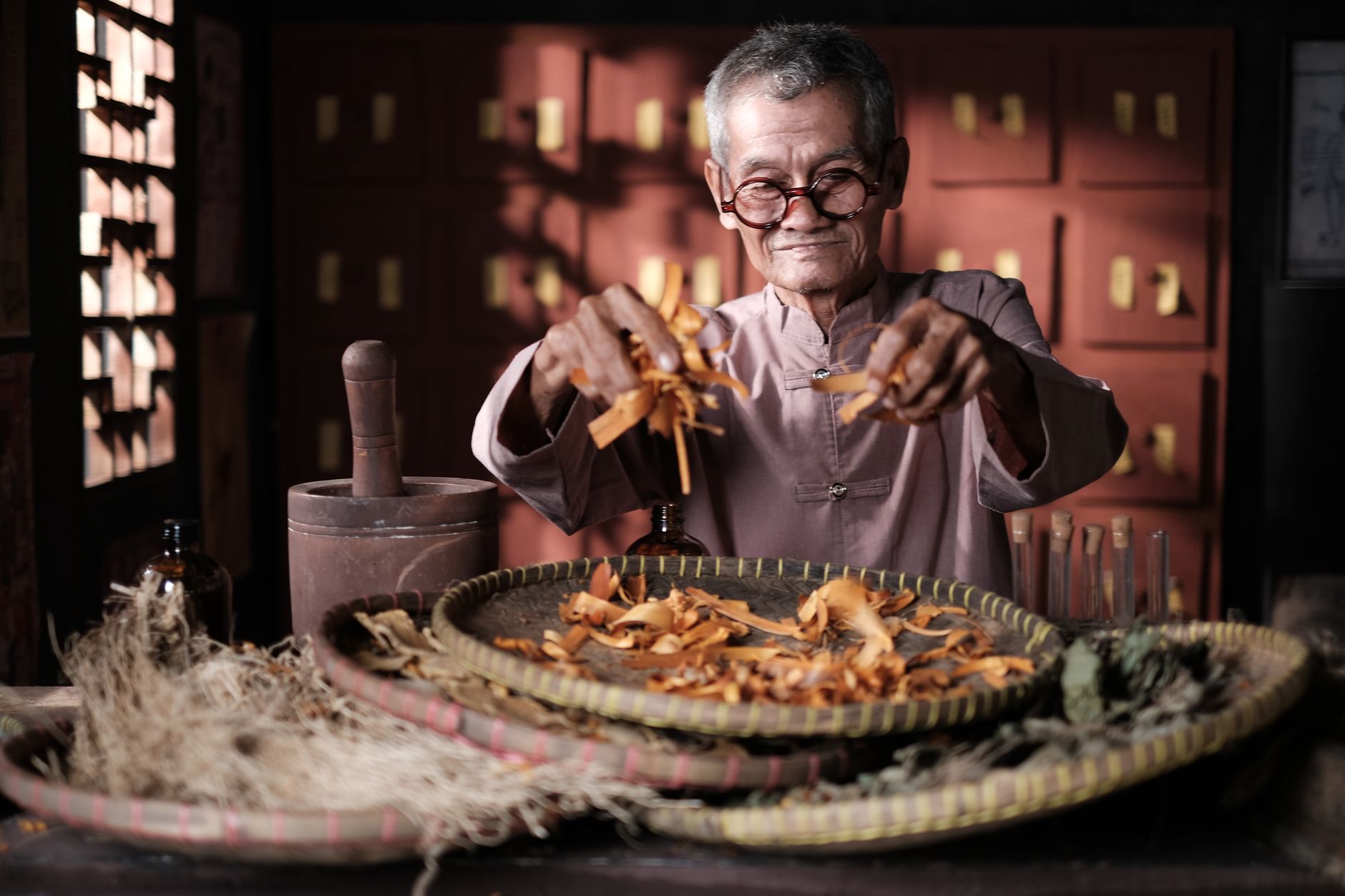
First, let’s clear something up. A registered medical herbalist in the UK is not the person behind the counter at Holland & Barrett suggesting you try valerian. The National Institute of Medical Herbalists (NIMH) has been around since 1864, making it one of the oldest professional bodies for herbal medicine practitioners in the world. Members train for four years at degree level, covering anatomy, physiology, pathology and pharmacology alongside plant medicine. They can take a full case history, refer you on if something needs conventional investigation, and they’re trained to spot when a herb might interact badly with a pharmaceutical you’re already on.
That last bit matters more than people realise. St John’s Wort, for instance, is probably the most studied herbal antidepressant going, with reasonable evidence for mild to moderate depression. But it also speeds up liver enzymes that metabolise a long list of drugs, including contraceptive pills and certain antiretrovirals. A good herbalist knows this. The bloke on a supplements website probably doesn’t mention it. The distinction between qualified practice and self-medicating with capsules you found on Amazon is real and significant.
Where the NHS actually stands on this
The NHS position on herbal medicine is cautious rather than hostile, which is a nuance that tends to get lost. NHS England acknowledges that some herbal remedies have traditional use and that a small number have genuine clinical evidence. What they flag, reasonably, is the inconsistency of regulation around herbal products sold over the counter, and the risk of assuming “natural” means automatically safe or free from side effects.
Social prescribing, which the NHS has been rolling out more broadly in recent years, is a related development. Rather than a pharmaceutical for every presenting complaint, some GP surgeries now have link workers who can point patients toward community activities, wellbeing groups, and yes, sometimes complementary practitioners. It’s not herbal medicine on the NHS, but it signals a broadening of what “care” looks like. If you haven’t come across social prescribing yet, I wrote a bit more about how that works in the piece about why time in green spaces genuinely affects your mood, since the two things are more connected than you’d think.
Which herbs have credible evidence for stress and immunity
I’m not going to list forty plants and tell you they’re all brilliant. That’s not how I roll, and frankly it’s not useful. Here are the ones where the evidence is actually worth talking about.
Ashwagandha (Withania somnifera)
Technically an Ayurvedic herb, but it’s firmly part of modern Western herbal practice now. Multiple randomised controlled trials have found it reduces cortisol and self-reported stress levels. A 2019 study published in Medicine found significant reductions in stress and anxiety scores after sixty days of supplementation. It’s an adaptogen, meaning it’s thought to help the body handle physiological stress more efficiently rather than sedating you. I’d call this one of the better-evidenced options for people grinding through high-workload periods.
Echinacea
The evidence here is messier than the marketing suggests, but it’s not nothing. The Cochrane review on echinacea found that some preparations probably do reduce the incidence and duration of the common cold, though the effect size is modest and varies depending on the species and preparation used. It’s not a cure for anything. But taken at the onset of a cold rather than chronically, there’s a reasonable argument for it.
Elderberry (Sambucus nigra)
Britain grows elder everywhere. It’s one of those plants that’s been used medicinally here for so long it barely registers as “herbal medicine” anymore. A 2016 randomised study found elderberry supplementation significantly reduced the duration and severity of colds in long-haul flight passengers, a group with notoriously hammered immunity. The anthocyanins in the berries are thought to have antiviral properties. Elderflower cordial is not quite the same thing, but it’s a good start.
Lemon balm (Melissa officinalis)
Grows like a weed in British gardens. Genuinely calming in a mild, doesn’t-make-you-drowsy way. There’s decent evidence for its effect on anxiety and sleep quality, often used in combination with valerian. I’ve got it growing in a pot on my windowsill alongside about seven other things, and a cup of fresh lemon balm tea in the evening is one of those genuinely pleasant habits I’d recommend to basically anyone dealing with the low hum of modern stress.
The real tension: quality control and self-treating
Here’s where I want to be straight with you. The herbal supplement market in the UK is poorly regulated compared to pharmaceutical medicines. The Traditional Herbal Registration (THR) scheme, run via the MHRA, is a step toward quality assurance, requiring registered products to meet safety and quality standards. If you’re buying supplements off a shelf, look for the THR logo. It doesn’t prove efficacy, but it does mean the product actually contains what it says it does at a consistent dose. That’s not nothing.
The bigger issue is using herbs to self-treat serious conditions or to avoid a diagnosis you’re scared of. I get it. But a good herbalist would tell you exactly the same thing a good GP would: if something feels wrong, get it checked. The plants are most useful as support, not as a reason to avoid the system entirely. There’s a version of wellness culture that treats conventional medicine as the enemy and herbs as pure, innocent alternatives, and that framing can genuinely do harm. I’ve written a bit about where wellness culture goes sideways over at the dark side of self-care piece if that resonates.
Finding a qualified herbalist in the UK
If you want to actually work with someone qualified rather than just buying whatever’s on offer at the chemist, the NIMH website has a practitioner directory searchable by postcode. The College of Practitioners of Phytotherapy (CPP) is another body with similarly rigorous entry standards. An initial consultation will typically run between £50 and £80, with follow-ups cheaper. That’s not on the NHS, but it is spending money on something with more personal attention and more pharmacological knowledge behind it than most supplement purchases.
It’s also worth saying that the digital admin around keeping track of your health, appointments and what you’re taking has got a lot better recently. Plenty of people now use a mix of their NHS app, wellbeing trackers and sometimes specialist support like dijitul Support to stay on top of things. Organisation might not feel very “herbal medicine”, but honestly, knowing what you’re taking and when matters whatever approach you go with.
The conversation between herbalists and GPs in the UK is slowly becoming less adversarial and more curious. That feels like progress. Neither side has all the answers, and patients who know enough to ask good questions from both end up better off. The plants aren’t magic. But some of them are genuinely useful, and there are people who’ve trained seriously to understand them. That seems worth knowing.
If you’re already thinking about the connection between plants, the outdoors and wellbeing more broadly, the stuff I’ve written on Britain’s disappearing wildflower meadows is a good place to wander next. The plants that grew in those meadows aren’t just pretty, they’re the same ones herbalists have been reaching for for generations.
Frequently Asked Questions
Is western herbal medicine regulated in the UK?
Herbalists themselves are not currently subject to statutory regulation, but professional bodies like the National Institute of Medical Herbalists (NIMH) set their own rigorous training and ethical standards. Herbal products sold over the counter can carry the Traditional Herbal Registration (THR) mark via the MHRA, which confirms quality and safety standards, though not clinical efficacy.
Can I see a herbalist on the NHS?
Not directly as a standard referral. Some NHS social prescribing schemes may point patients toward complementary practitioners, but herbal consultations are generally a private expense, typically £50 to £80 for an initial appointment. It’s worth checking your local social prescribing link worker if cost is a barrier.
Which herbs are best for stress and anxiety in the UK?
Ashwagandha has the most consistent trial evidence for reducing cortisol and self-reported stress. Lemon balm, which grows easily in British gardens, has good evidence for mild anxiety and sleep quality. St John’s Wort is well-studied for mild to moderate depression but interacts with several common medications, so always check with a qualified herbalist or your GP first.
Are herbal remedies safe to take alongside prescription medication?
Not always, and this is a genuinely important point. St John’s Wort is the most cited example, as it can reduce the effectiveness of contraceptive pills, blood thinners and other drugs. A registered medical herbalist is trained in these interactions. Never assume a supplement is safe just because it’s plant-based, especially if you’re on regular prescriptions.
How do I find a qualified herbalist near me in the UK?
The NIMH (National Institute of Medical Herbalists) has an online practitioner directory searchable by postcode at nimh.org.uk. The College of Practitioners of Phytotherapy is another reliable register. Both require members to hold a degree-level qualification and adhere to a professional code of conduct.