

Somewhere between the £40 adaptogen lattes and the weekend retreat that costs more than a month’s rent, wellness stopped feeling like a relief and started feeling like homework. I’ve noticed it creeping up on people I know, this low-level guilt about not meditating enough, not tracking their sleep properly, not having a morning routine that involves cold showers and journalling before 7am. The wellness industry in the UK is now worth over £110 billion globally, with British consumers spending heavily on supplements, apps and experiences that promise to fix them. Which raises the question: fix them from what, exactly?
How wellness culture criticism in the UK became a real conversation
Look, nobody’s saying a bit of yoga or a decent night’s sleep is bad. That stuff is genuinely great. The problem is what’s been piled on top of it. The wellness industry has a habit of taking simple, free things, rest, movement, fresh air, human connection, and repackaging them into something you have to buy, optimise, and perform for an audience. Then, when you can’t afford the retreat or you missed your morning supplements for a week, that nagging feeling kicks in. Not relief. Failure.
Wellness culture criticism in the UK has been building quietly for a few years now, and honestly it’s about time. There’s a particular flavour of British anxiety that gets activated when you feel like you’re not keeping up, and the wellness industry, bless it, has become brilliant at triggering exactly that. You see it on Instagram, in the health aisles of Holland & Barrett, in the language of supplement brands that tell you your gut is probably broken and your hormones are probably off and your cortisol is probably through the roof. Maybe some of that’s true. But it’s also a very good way to sell you something.
The supplement spiral
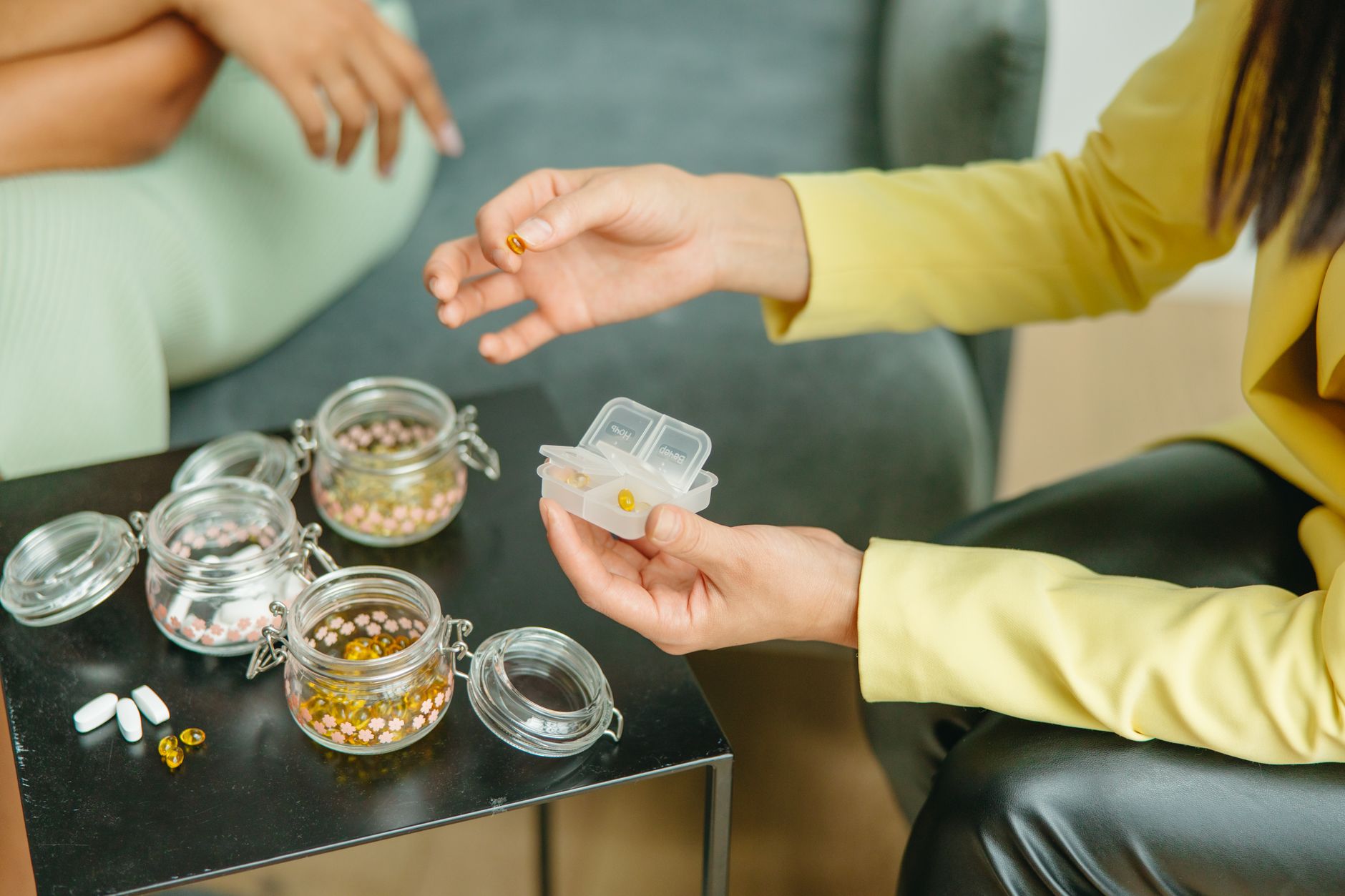
I’m not anti-supplement. I’ve got a couple of bottles rattling around my kitchen cupboard same as everyone else. But I’ve also watched people I know spend £80 a month on stacks of capsules they researched at midnight in a panic, convinced they were the answer to an exhaustion that was actually just… being alive in Britain in 2026 with a busy job and not enough annual leave.
The supplement market is largely unregulated in the way that, say, pharmaceuticals are. The FSA does what it can, but the claims on the packaging can walk a pretty fine line between evidence-based and aspirational. When a brand tells you their product will “support your energy levels, your focus, your immune system, your mood, and your sleep”, that’s a lot of promises for a capsule that costs £1.20 each.
The honest answer to feeling tired and stressed is almost always boring. Sleep more. Eat actual food. Go outside. Move your body a bit. Talk to someone. None of those things require a subscription.
Retreat culture and who it’s actually for
Wellness retreats are, in theory, a lovely idea. A few days away from your usual nonsense, somewhere quiet, eating well, sleeping properly. I get the appeal completely. But when a long weekend in a Cotswolds retreat centre costs £900 before you’ve even paid for travel, you’re looking at something that is categorically not accessible to most people in this country.
There’s a class dimension to wellness culture that doesn’t get talked about enough. The people being sold the most expensive version of self-care are often the ones who can least afford to spend that kind of money without stress, which is, of course, deeply counterproductive. Meanwhile, the genuinely restorative stuff, a long walk in a local park, an afternoon doing absolutely nothing, time with people you love, gets dismissed as too simple to count.
I’ve written before about how the NHS’s social prescribing work points to nature and community as genuine wellbeing tools. Not supplements. Not retreats. Actual connection to the world around you. That’s where I think the real stuff lives.
What genuinely low-effort wellbeing actually looks like
Here’s my honest take, for what it’s worth. The best things I’ve done for my own headspace have cost almost nothing. Walking by water. Growing something small. Making food from scratch occasionally. Sitting outside long enough to notice what the light is doing. Switching my phone off before bed. Drinking less, which turns out to be genuinely good for both you and the planet in ways the wellness industry weirdly underplays.
None of that is revolutionary. None of it involves a programme, a protocol, or a direct debit. It’s just… being a bit more present in the actual life you’re living rather than the optimised version you’re supposed to be working towards.
There’s good evidence that time in green spaces, even very brief, very ordinary exposure, has measurable effects on cortisol and mood. The case for a slow wander through your local park is genuinely stronger than the case for most of what’s on the shelves at a wellness brand.
The productivity trap dressed up as self-care
One of the stranger things about modern wellness culture is how much it borrowed from hustle culture. Optimise your sleep. Track your HRV. Build a recovery routine that’s as structured as your training plan. Rest, in this framing, is productive rest. It’s rest with a purpose and a metric attached to it.
Real rest doesn’t have a metric. It’s lying on the sofa doing absolutely nothing and not feeling guilty about it. It’s an afternoon that goes nowhere in particular. Wellness culture criticism in the UK often focuses on the cost, but the subtler problem is this: the industry has taken the concept of rest and made it into another performance, another thing to do correctly or incorrectly.
So what do you actually do with all this?
Honestly, my advice is loose. Take what resonates, leave the rest. If a supplement genuinely helps you, great. If a retreat genuinely gives you something you couldn’t get at home, nobody’s stopping you. But be a bit suspicious of anything that works by first making you feel broken. That’s not wellness. That’s marketing.
The low-effort, accessible version of wellbeing isn’t a compromise. It’s closer to the real thing than most of what’s being sold. Go outside. Eat something that came from the ground. Sleep when you’re tired. Be with people who don’t make you feel bad about yourself. And maybe, just maybe, put the tracking app down for a bit.
Dr Greenthumb’s whole thing is that the planet and your body want broadly similar stuff: less synthetic intervention, more actual nature, slower rhythms. That’s not a wellness programme. That’s just a decent way to live.
Frequently Asked Questions
Is the UK wellness industry actually harmful?
Not inherently, but certain parts of it exploit anxiety rather than relieve it. Supplement brands making broad health claims, overpriced retreats, and the constant pressure to ‘optimise’ your lifestyle can all contribute to stress rather than reduce it. A bit of critical thinking goes a long way when reading wellness marketing.
Why do I feel worse after trying to get healthier?
This is a really common experience and it’s often down to the gap between what wellness culture promises and what’s realistic in your actual life. When you set up elaborate routines and then miss them, the guilt can outweigh any benefit. Simpler, lower-stakes habits tend to stick better and feel better.
Are supplements worth buying for general wellbeing in the UK?
Some supplements have solid evidence behind them, vitamin D is a good example for people in the UK where sunlight is limited. But many products in the supplement market make claims that outrun the science. The FSA regulates food supplements in the UK, but health claims on packaging can still be quite loosely worded.
What are some genuinely free or cheap wellness practices?
Time in green spaces, regular walking, good sleep hygiene, cooking from scratch, and spending time with people you like are all well-evidenced for wellbeing and cost very little. The NHS’s social prescribing programmes increasingly point to nature and community connection as effective tools for mental health.
Is wellness culture in the UK getting better or worse?
There’s growing pushback, with more people questioning the cost and accessibility of mainstream wellness. The conversation around wellness culture criticism in the UK is more visible than it was five years ago, which is a good sign. Whether the industry itself changes significantly is a different matter.
Leave a Reply