
Right to roam in England is, depending on who you ask, either a simple common-sense idea or a genuinely radical proposal. I’d say it’s both, which is probably why it keeps generating so much noise. The basic ask is this: let people walk freely across open countryside, moorland, woodland and rivers, without needing a designated footpath or a landowner’s blessing. Scotland has had it since 2003. England, with roughly 92% of its land off-limits to the public, hasn’t got there yet. And a lot of people are starting to feel that gap quite personally.
Where things stand right now
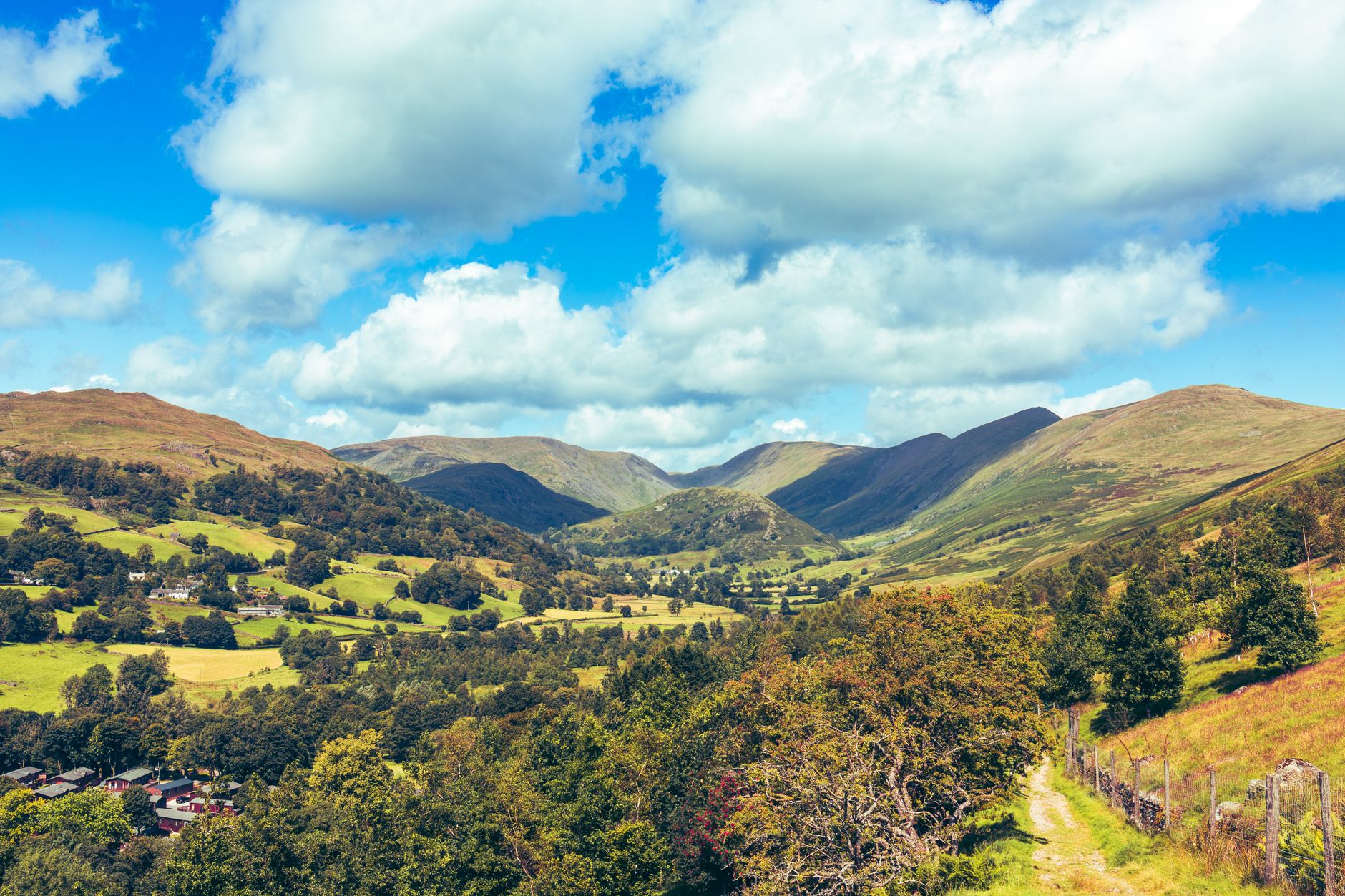
England operates on a system of public rights of way. There are around 140,000 miles of them, which sounds generous until you realise they’re essentially corridors through private land, not genuine access to it. You can walk along a bridleway that cuts through a field, but step ten feet to the left and you’re technically trespassing. The Countryside and Rights of Way Act 2000 did open up some designated “open access” land, mostly upland moors and registered common land, but it covers roughly 8% of England. The river banks, the lowland woods, the meadows most people actually live near? Still private, still fenced off.
Scotland’s Land Reform Act changed things there almost entirely. Under Scots law, everyone has the right to be on most land and inland water, provided they behave responsibly. That includes wild camping, cycling and swimming in rivers. The Scottish Outdoor Access Code sets out the expectations, and by most accounts it works fine. Landowners haven’t been overrun. The countryside hasn’t been trashed. People have just been able to go for walks.
What the campaign is actually pushing for
The right to roam campaign in England is led by a loose coalition of walking groups, environmentalists and writers, with figures like Nick Hayes (author of The Book of Trespass) at the front of it. The core demand is a legal right to access a much wider range of land, particularly rivers and their banks, lowland countryside, and privately-owned woodland. If you’ve ever wanted to swim in a river only to find the bank is private, or tried to find a spot in the woods and hit a “no entry” sign, you already understand the frustration intuitively.
The campaign uses public pressure, art, writing and organised acts of collective trespass to build momentum. For anyone curious about how that kind of coordinated effort gets amplified online, groups involved often point to resources like learn more about building effective campaign presences, because visibility matters when you’re up against centuries of land law. The movement isn’t fringe either. A 2023 YouGov poll found that 76% of people in England supported expanding countryside access rights.
What expanded access would actually look like on a Sunday afternoon
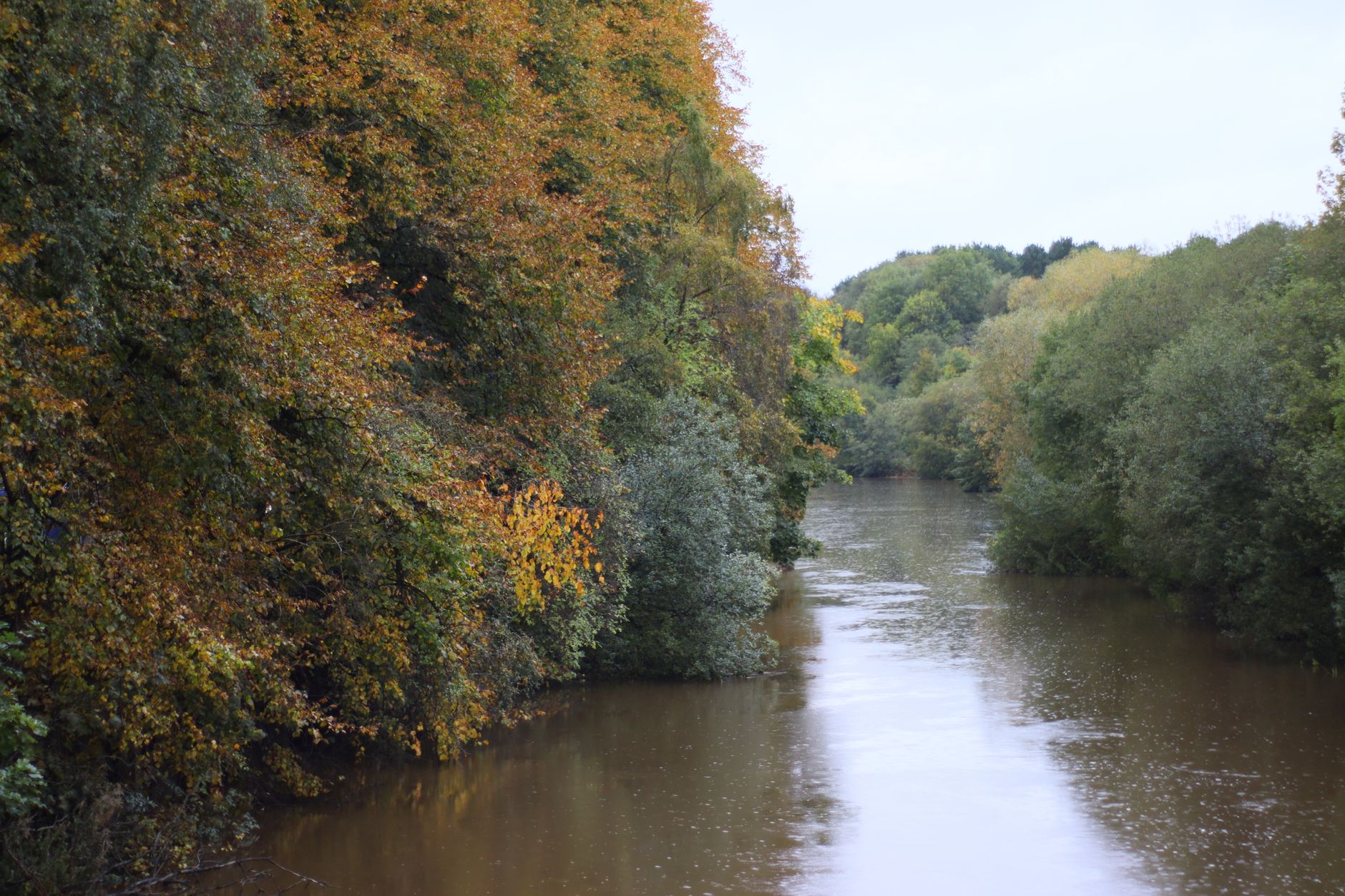
This is the bit I find most compelling. Because it’s not abstract. If England adopted something close to the Scottish model, a free Sunday afternoon could look genuinely different. You could walk down to your local river and sit on the bank without checking if it’s designated access land. You could wander into the woods behind a village, lie under a tree, and just exist there for a bit. No path to stick to. No sign telling you you’re not welcome.
That kind of slow, unstructured time in nature is exactly what the research on mental health and green spaces keeps pointing to. I’ve written before about the evidence behind why a slow wander through a local park genuinely shifts your mood, and expanded countryside access would essentially bring that medicine to a much larger dose. Wild land, birdsong, water, no agenda. The effects on cortisol levels and general anxiety are pretty well documented at this point.
The practical reality for most people in England is that access to the kind of countryside that actually restores you is unevenly distributed. If you’re wealthy enough to own land or know someone who does, great. If you’re a renter in a midlands town, your options are the local park, the designated footpaths, and the occasional nature reserve. That’s not a wellness issue, it’s a class issue dressed up as one.
The landowner argument and why it’s weaker than it sounds
Opponents of expanded access tend to raise three concerns: damage to the land, liability if walkers injure themselves, and disturbance to farming operations. These aren’t unreasonable things to think about. But Scotland provides a fairly clear rebuttal. Land managers there report that responsible access hasn’t caused the problems that were predicted. The Scottish government’s own review found no significant increase in land management costs attributable to access rights.
England does have a genuine litter problem, and I won’t pretend otherwise. But litter on designated footpaths is already an issue, and that’s with the current restricted access. The idea that opening up more land will suddenly produce armies of people dropping crisp packets in ancient woodland doesn’t really hold up. Most people who want to roam in nature are specifically there because they care about it. It’s the kind of self-selecting crowd that tends to carry a bag out.
It’s also worth noting that England’s landholding is extraordinarily concentrated. According to research by analysis cited in government land-use discussions, roughly half of England is owned by less than 1% of the population. The land access debate is impossible to separate from that context, however uncomfortable it makes some people.
What this means if you just want to get outside more
Short term, nothing dramatic changes without legislation. But the campaign does have momentum, and it’s worth knowing your existing rights better than you probably do. The Ramblers Association has detailed maps of public rights of way, and there’s more access land around most towns than people realise. The mental health case for spending a night outdoors in Britain is real, and even within current law there are more options than most people use.
Longer term, if the campaign succeeds even partially, the cumulative benefit for public health and mental wellbeing in England would be enormous. Giving people the legal right to slow down in the countryside without stress or permission is about as evidence-backed a wellness intervention as you can find. And it costs nothing once the law changes. That’s the kind of simple, structural fix that tends to get underestimated until it happens, and then becomes immediately obvious.
I genuinely think this is one of the more important slow-burn debates happening in Britain right now. It doesn’t get the attention it deserves because land rights sound boring and rural until you realise it’s actually about whether ordinary people get to have a relationship with the natural world or not. And that relationship, if the evidence on nature and mental health means anything, is pretty fundamental to feeling okay. Something worth following.