
Something shifted in the last few years. Therapists across Britain started noticing it first. Clients coming in not just stressed about work or relationships, but grieving something harder to name. The loss of coral reefs they’d never visited. The disappearance of species they’d only ever seen in photographs. Summers that no longer felt like summers. This thing has a name now: eco-anxiety. And in UK therapy rooms, it’s very much a real conversation.
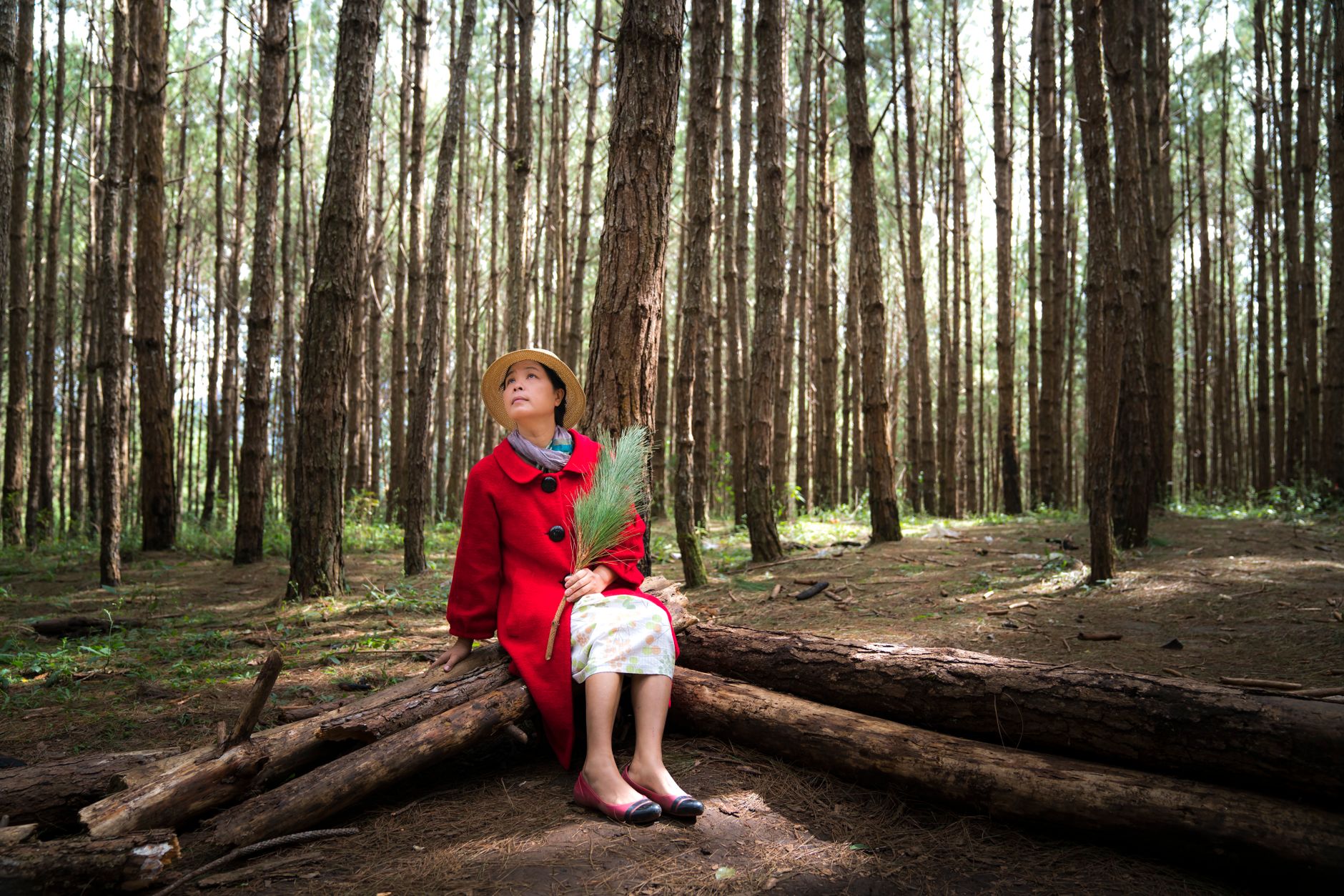
I want to be straight with you about what eco anxiety UK mental health professionals are actually dealing with here, because there’s a lot of noise around the topic and not always a lot of substance. This isn’t about being dramatic or catastrophising. The American Psychological Association coined the term, but British therapists and the NHS are increasingly finding it relevant to their own caseloads. The Mental Health Foundation’s 2023 survey found that 60% of UK adults reported feeling worried about climate change. That’s not a niche concern. That’s most of the country carrying something quietly.
What eco anxiety actually feels like day to day
It doesn’t always show up as panic attacks triggered by nature documentaries, though that happens. More often it’s a low hum. A background dread that colours everything. You’re reading about UK peatlands being lost to drainage and development and you feel something sink in your chest. You notice the hedgerows are quieter than they used to be. You feel guilty ordering anything with packaging. You feel helpless. Then guilty about feeling helpless when people in the Global South are losing their homes to floods.
That guilt-helplessness loop is, from what I’ve read and what therapists are saying, one of the most corrosive parts of ecological grief. The grief is real. The planet is genuinely changing, faster and more irreversibly in some ways than the headlines always capture. But sitting with that grief without any anchor tends to send people spiralling rather than acting.
Is eco anxiety uk mental health services are equipped to handle?
Honestly, it’s patchy. The NHS doesn’t have a specific pathway for ecological grief, and most GPs would still reach for standard CBT or antidepressant referrals if someone came in describing climate distress. That’s not a criticism of GPs, who are stretched beyond belief. It’s just a reality check. The Climate Psychology Alliance UK is probably the most organised body working specifically in this space, training therapists to hold climate-aware practice. Some private therapists now list it explicitly. But on the NHS, you’re more likely to have it folded into generalised anxiety treatment, which can help, just not always in the most targeted way.
There’s also an interesting tension in the therapy room: should eco-anxiety be treated like a disorder to manage, or as a rational response to a real crisis that needs channelling rather than quieting? I lean toward the second view, and so do a growing number of practitioners. The goal isn’t to stop feeling it. It’s to stop it from eating you alive.
Grounded coping strategies that actually help
Here’s where I think the nature-connection angle becomes genuinely useful rather than just spiritual hand-waving. Research from the University of Derby, led by Professor Miles Richardson, consistently shows that time spent in direct contact with the natural world reduces psychological distress and builds what they call “nature connectedness”. Not just being near nature but actually paying attention to it. Noticing the smell of rain, the texture of bark, the sound of a robin. That quality of attention seems to interrupt the doom spiral in a way that reading news rarely does.
A few things I’d genuinely suggest:
Get granular about local nature. Big global problems feel paralysing partly because they’re abstract. Your local park, canal path, or even the weeds growing through your pavement are not abstract. Spending time with them, learning to identify what’s growing around you, shifts your relationship from passive dread to engaged curiosity. It’s hard to feel entirely hopeless when you’re watching a bee do its thing six inches from your face.
Do something tiny and tangible. The helplessness is usually the worst bit. Composting, growing even a single pot of herbs, joining a local rewilding group. Not because it saves the planet on its own but because agency, however small, is genuinely protective for mental health. The British Trust for Conservation Volunteers runs local groups across the UK if you want a starting point.
Find your people. Ecological grief is much heavier when you carry it alone, partly because it can feel socially weird to bring up. Climate cafes and good grief circles (a format started by the Climate Psychology Alliance) are now running in various UK cities. Sitting in a room with others who feel it too is surprisingly relieving. You’re not catastrophising. You’re not alone.
Regulate your information diet. This one’s boring but necessary. Constant doom-scrolling through environmental news is not activism. Set limits. Read enough to stay informed; don’t read so much that you’re marinating in despair. There’s a difference.
The shift in seasons itself is doing things to people’s mental health too, in ways that are only starting to be understood. I’ve written before about what Britain’s changing weather patterns are doing to us psychologically, and the eco-anxiety piece sits right alongside that. When the environment changes in ways you can directly observe, the grief becomes harder to dismiss or rationalise away.
The case for sitting with it rather than suppressing it
Climate-aware therapists often make a distinction between eco-anxiety that paralyses and eco-anxiety that motivates. The goal of good support isn’t to reach a place where you don’t care. Caring is appropriate. The planet is worth grieving for. What changes, ideally, is what you do with the feeling.
The word “solastalgia” was coined by Australian philosopher Glenn Albrecht to describe the distress caused by environmental change in one’s home environment. British people experiencing this in the Lake District, the Somerset Levels, or urban London as green spaces disappear are experiencing something real. Naming it helps. Knowing other people feel it helps more.
If you’re in genuine distress, talk to your GP. If you want something more targeted, look up the Climate Psychology Alliance directory of practitioners. And between appointments, spend time outside. Not as a cure, just as a reminder that there’s still a lot worth showing up for.
Frequently Asked Questions
What is eco-anxiety and is it recognised by the NHS?
Eco-anxiety refers to chronic fear and grief related to environmental destruction and climate change. The NHS doesn’t yet have a specific diagnosis for it, but UK mental health services are increasingly acknowledging it as a valid cause of generalised anxiety and depression.
Is eco-anxiety the same as ecological grief?
They overlap but aren’t identical. Eco-anxiety is more forward-looking, focused on dread about what’s coming. Ecological grief is about mourning what’s already been lost, species, landscapes, seasons that felt familiar. Most people experiencing eco anxiety UK mental health conversations tend to feel both at once.
Can spending time in nature actually help with climate anxiety?
Research from the University of Derby suggests it genuinely can. Direct, attentive engagement with the natural world, not just proximity but actual noticing, builds a sense of connection that reduces psychological distress. It won’t fix the underlying cause, but it does interrupt the helplessness spiral.
Where can I find a therapist in the UK who understands eco-anxiety?
The Climate Psychology Alliance UK maintains a directory of climate-aware therapists. Some therapists now list ecological grief explicitly on their profiles via directories like Counselling Directory or Psychology Today UK. Your GP can also refer you through standard IAPT services for underlying anxiety.