

Right, so hear me out. I know the word “bog” doesn’t exactly have people reaching for their walking boots. But if there’s one thing I’ve learnt from poking around the more overlooked corners of the British landscape, it’s that the ugliest-sounding places often turn out to be the most extraordinary. UK peatland restoration is quietly becoming one of the most important environmental conversations happening on these islands right now, and I’d argue most people don’t even know it exists.
Britain’s peat bogs, blanket mires and fens have been sitting here for thousands of years, doing things that rainforests get all the credit for. They store carbon. They hold water. They harbour species you won’t find anywhere else on earth. And we’ve spent the better part of two centuries draining, burning and digging them up. It’s a bit of a mess, honestly. But the good news is there are people working hard to put it right.
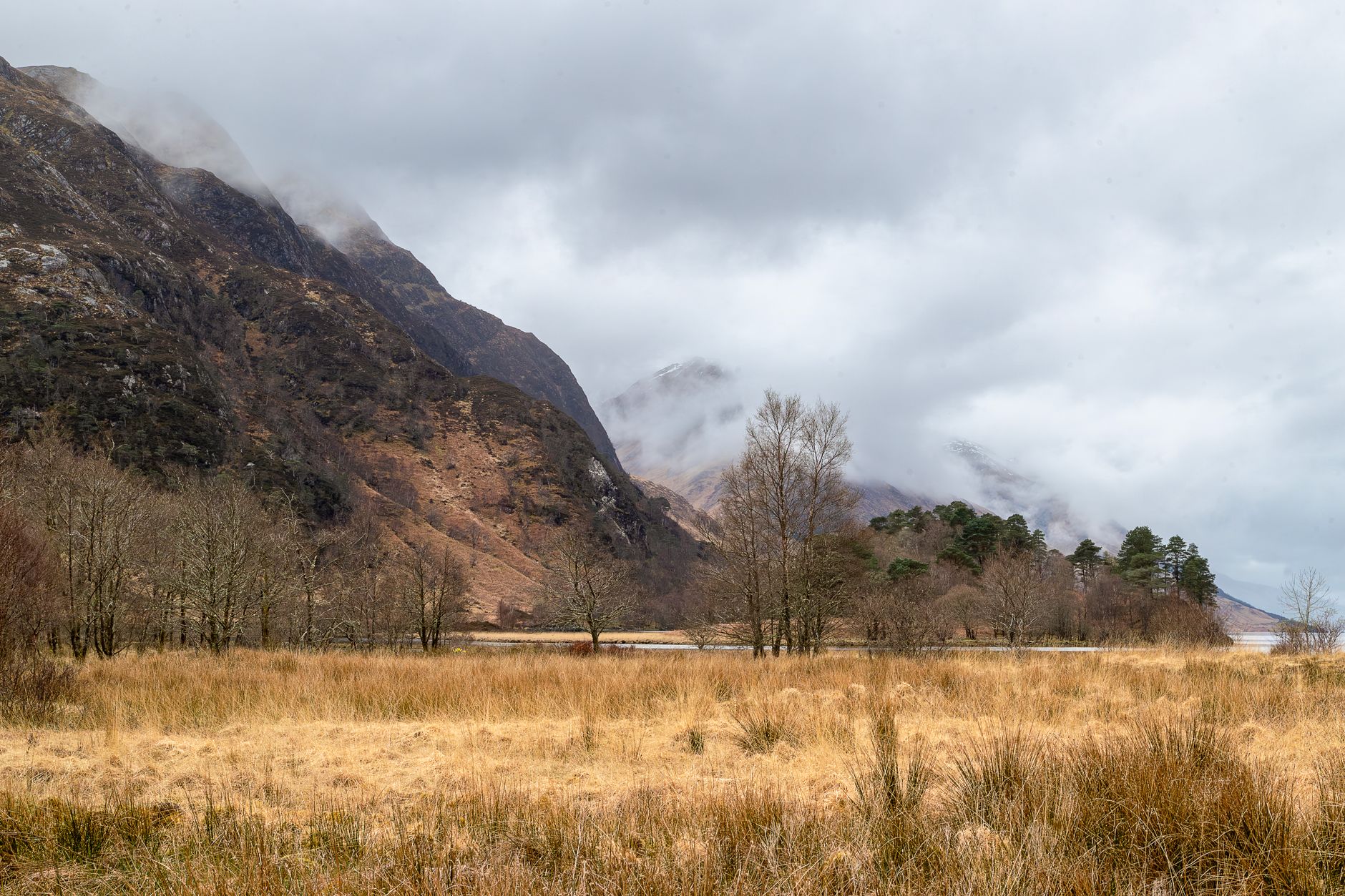
What peatlands actually are (and why they’re kind of wild)
Peat forms when waterlogged conditions stop dead plant matter from decomposing properly. Instead of breaking down and releasing carbon back into the atmosphere like it would in a dry environment, the organic material just… accumulates. Slowly. About a millimetre per year on average. That means a peat bog five metres deep represents something like five thousand years of carbon capture happening in slow motion. The UK’s peatlands store an estimated 3.2 billion tonnes of carbon, according to the government’s England Peat Action Plan, which is more than all the forests in the UK and France combined. Let that one settle.
There are a few different types worth knowing about. Blanket bogs drape themselves over upland areas like a sodden, sphagnum-covered duvet. They’re the classic moorland scene. Raised bogs are dome-shaped accumulations found mainly in lowland areas. Fens are fed by ground or surface water rather than just rainfall, making them slightly different chemically, and they tend to have an even richer plant community. All of them are extraordinary. All of them are, to varying degrees, in trouble.
The Flow Country: the most underrated place in Britain
If you’ve never heard of the Flow Country, you’re in good company. It sits across Caithness and Sutherland in the far north of Scotland, and it’s the largest blanket bog in the world. Not Europe. The world. Around 4,000 square kilometres of rolling, water-logged peatland stretching towards the sea, dotted with pools called dubh lochs, colonised by sundews and cotton grass and breeding grounds for dunlin, greenshank and golden plover.
In the 1980s, a chunk of it was planted with non-native conifers as a tax break scheme for wealthy investors. The trees dried out the peat, cracked it open to the air, and turned a carbon sink into a carbon source almost overnight. Restoration work there, led by organisations like the RSPB and Flow Country Partnership, has involved removing those trees, blocking drainage ditches and letting the sphagnum moss rehydrate the land. It works. The peat starts holding water again, the moss returns, and the carbon stays where it belongs. In 2023, the Flow Country was granted UNESCO World Heritage status, which feels about right.
What’s happening in the Peak District and closer to home
You don’t have to travel to Scotland to see restoration in action. The Peak District’s blanket bogs, particularly around the Dark Peak, have been heavily degraded by air pollution, overgrazing and managed burning. The Moors for the Future Partnership has been working since 2003 on some of the most ambitious upland restoration in England, re-vegetating bare peat with sphagnum moss, cotton grass and heather across thousands of hectares.
I find it genuinely moving that people are out there hand-seeding moss onto moorland in the rain. That’s proper dedication. The results are measurable too: restored areas retain more water, reducing flood risk downstream for towns like Glossop and Sheffield. That’s a neat bonus on top of the carbon storage and biodiversity gains.
In the Somerset Levels, fen restoration is bringing back water voles, lapwings and marsh harriers to landscapes that had been drained for farmland. The Great Fen project in Cambridgeshire is working to reconnect isolated fragments of fenland into a 3,700-hectare mosaic of wetland habitat. These aren’t small efforts. This is landscape-scale rewilding happening under the radar.
Why degraded peatland is a climate problem right now
Here’s the bit that should make everyone a bit uncomfortable. Around 80% of England’s peatlands are degraded to some degree. Degraded peat doesn’t just stop storing carbon. It actively releases it. The IUCN UK Peatland Programme estimates that damaged peatlands in the UK emit around 23 million tonnes of CO2 equivalent every single year. That’s roughly 5% of the UK’s total greenhouse gas emissions coming from soggy ground that most people drive past without a second glance.
Peat extracted for compost bags and sold in garden centres is part of the picture too. I’ve written before about why peat-free compost matters for UK gardeners, and the connection to these wider landscapes is direct. Every bag of peat compost represents ancient carbon pulled from a habitat that took millennia to form. The peat-free switch isn’t just a gardening preference. It’s a peatland issue.
How to actually support uk peatland restoration
This is the part where most articles wave their hands and say “write to your MP” and leave it there. I’m going to be more useful than that.
Switch to peat-free compost. Immediately. Every supermarket and garden centre now stocks it. This reduces commercial demand for extracted peat and keeps the pressure on the horticultural industry to phase it out completely.
Donate to or volunteer with restoration projects. The RSPB, the Wildlife Trusts and the Moors for the Future Partnership all run programmes. Some offer volunteer days on real restoration sites, which is a genuinely excellent way to spend a Saturday if you’re the outdoors type.
Visit peatland landscapes. I know that sounds almost too easy, but economic activity connected to these places supports local conservation arguments. The Flow Country, the Cairngorms, the Dark Peak, Dartmoor’s blanket bogs and Exmoor all have visitor infrastructure. Go. Walk slowly. Notice the cotton grass.
Push back on managed burning. Burning heather on grouse moors damages the peat layer beneath and is still a contentious practice in upland England and Scotland. The evidence on its harm is solid. It’s worth knowing about if you’re engaging with upland land management debates.
The biodiversity case is just as strong as the carbon one
It’d be a shame to reduce peatlands to a carbon accounting exercise, because the life they support is astonishing. Sphagnum moss alone has around 30 species in Britain, each adapted to slightly different water chemistry and light conditions. Carnivorous plants like sundew and bladderwort thrive in the nutrient-poor peat water. Rare invertebrates like the large heath butterfly depend on intact boggy habitat. Golden eagles hunt over Scottish blanket bogs. Adders bask on drier peat edges.
There’s something about these landscapes that feels genuinely ancient. Maybe because they are. Walking across a well-preserved bog, with the ground giving slightly underfoot and the silence of it all, connects you to a version of Britain that predates just about everything we’ve built. I find it one of the better wellness experiences going, honestly, up there with cold water swimming or a long wander through old woodland.
And if you want to understand the smaller, equally fascinating ecosystems that exist at the edges of these landscapes, the kind of thing growing on wet rocks and old walls nearby, there’s good reading to be done on lichen, moss and fungi in British habitats that puts these bog ecosystems in a broader context.
UK peatland restoration isn’t a niche conservation concern. It’s one of the most cost-effective climate interventions available to this country, sitting right beneath our feet, waiting to be taken seriously. The bogs were here long before us. With a bit of effort, they’ll outlast the mess we made of them.
Leave a Reply