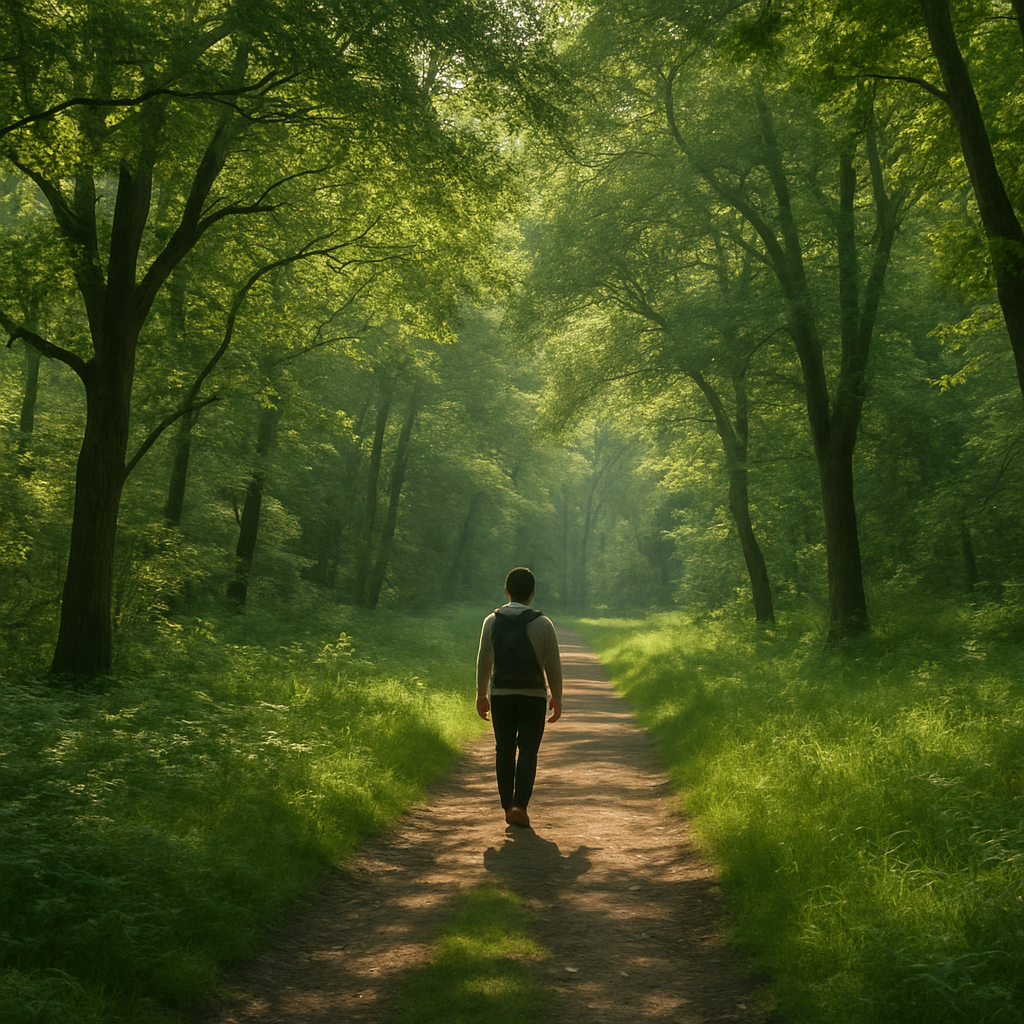
Right, so picture this. You’re in the woods. No podcast blaring. No notifications. No agenda. You’re just… there. Breathing it in. Walking slowly, touching bark, noticing the way light comes through the canopy. That, in a nutshell, is forest bathing. And before you roll your eyes and say that sounds like just going for a walk, I promise you it’s a bit more deliberate than that.
Forest bathing, known in Japan as Shinrin-yoku, literally translates to “taking in the forest atmosphere”. It was formally introduced as a public health initiative in Japan back in the 1980s, and since then the research behind it has quietly built into something genuinely impressive. This isn’t aromatherapy wishful thinking. There’s proper science here.
What Actually Is Forest Bathing?
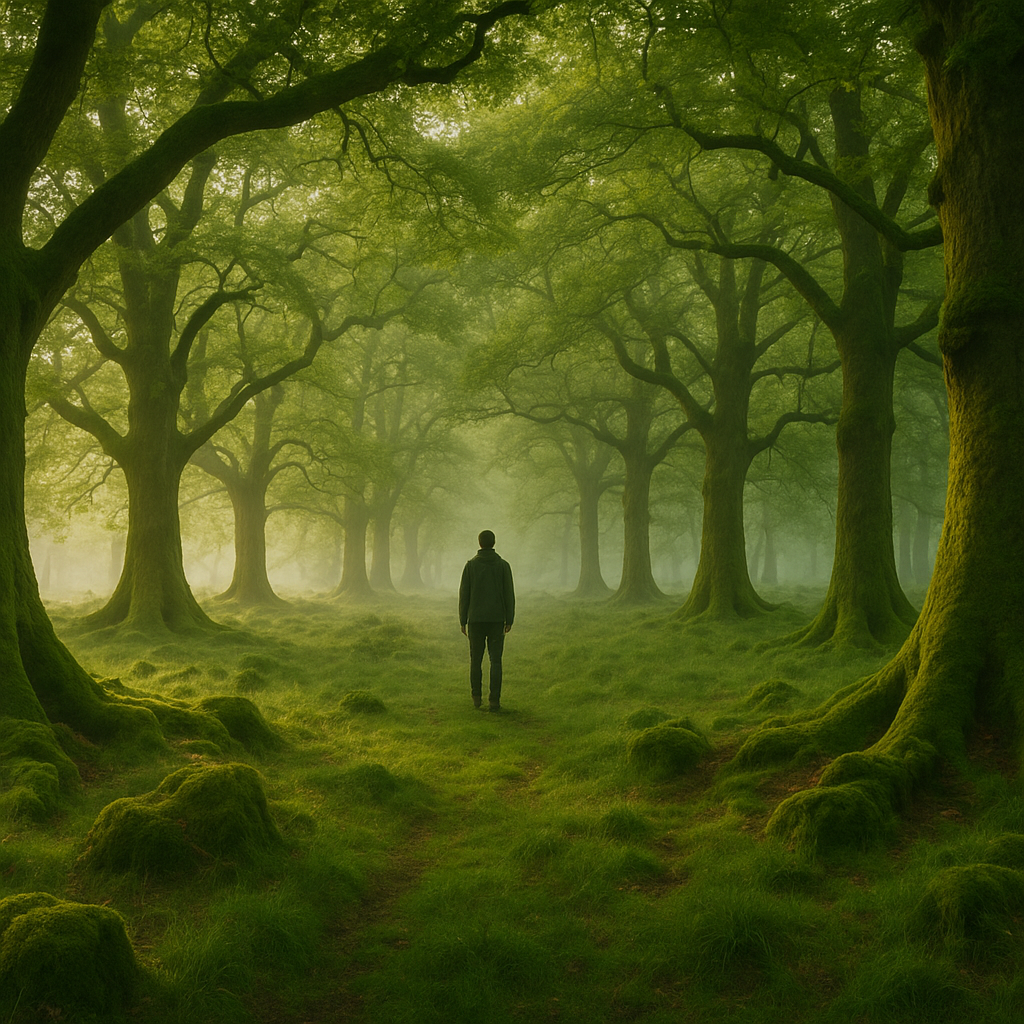
Here’s the thing people get wrong. Forest bathing is not a hike. It’s not hitting a step goal. It’s not even really exercise in the traditional sense. It’s slow, intentional immersion in a natural environment. You might walk for two hours and cover less than a mile. You might sit for forty minutes staring at a stream. The point is presence, not performance.
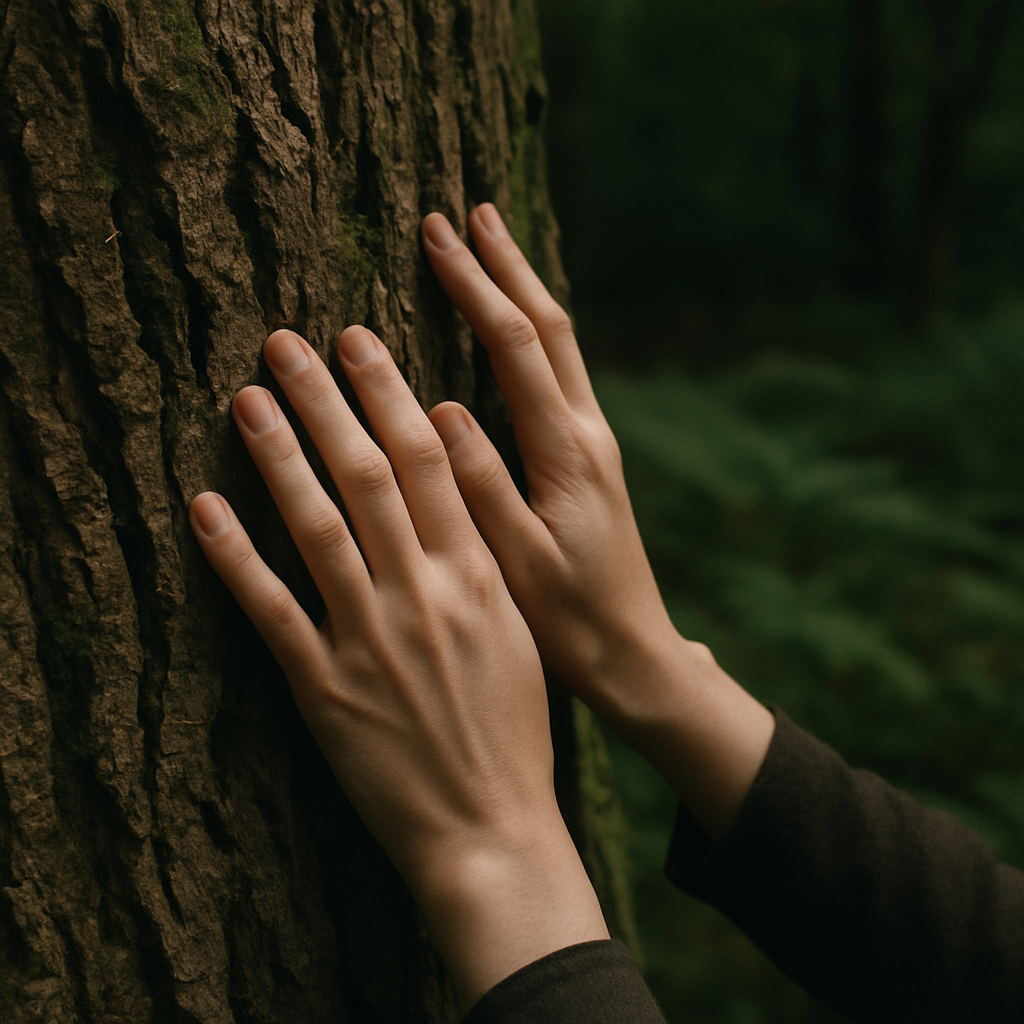
The practice encourages you to engage all five senses. The smell of pine and damp earth. The sound of wind in leaves or a bird doing its thing somewhere overhead. The feel of moss under your fingers. The specific quality of greenish light that only exists deep in a forest. When you slow down enough to actually notice all of that, something genuinely shifts.
In Japan, the practice became so well-regarded that the government invested heavily in research and designated over 60 official Shinrin-yoku forests. The UK is catching on, slowly, with forest therapy practitioners now operating across England, Scotland and Wales through organisations like the Forest Therapy Hub. And honestly, given that we’re surrounded by some of the most quietly beautiful woodland in the world, it feels like we’re slightly late to the party.
The Mental Health Benefits Are Real
Let’s talk about what forest bathing actually does to your brain, because this is where it gets interesting.
Studies consistently show that time in forested environments reduces cortisol levels, the stress hormone that most of us are absolutely marinating in on a daily basis. A major Japanese study found that participants who spent time in forests had significantly lower cortisol, lower blood pressure, and lower pulse rates compared to those who spent time in urban environments. That’s not vibes. That’s measurable physiological change.
There’s also the impact on mood. Spending intentional time in nature has been linked to reduced symptoms of anxiety and depression. The NHS itself has increasingly embraced the concept of social prescribing and green social prescribing, where GPs can recommend time in nature as part of a mental health plan. If that’s not an endorsement, I don’t know what is. You can read more about the UK government’s green social prescribing pilot over on gov.uk.
What About the Physical Stuff?
Beyond the mental health angle, forest bathing has some genuinely wild physical benefits. Japanese researchers found that spending time among trees increases the activity of natural killer (NK) cells, which are part of the immune system’s first line of defence against infection and even certain cancers. The theory is that trees release compounds called phytoncides, basically antimicrobial chemicals that the tree uses to protect itself, and when we breathe them in, they give our immune systems a quiet little boost.
There’s also evidence linking forest bathing to reduced inflammation, lower blood sugar levels, and improved sleep quality. Which, if you’ve read anything on this blog about sleep and nature before, won’t come as a shock. It all threads together. Slow time outdoors is one of the most underrated health tools we have, and it costs nothing.
How to Actually Do It in the UK
Good news: you don’t need to fly to Kyoto. We’ve got ancient woodland, national parks, and forest trails all over Britain. The New Forest, Kielder in Northumberland, the Forest of Dean in Gloucestershire, Thetford Forest in Norfolk. Even your local council woodland will do the job.
Here’s how to approach it properly:
- Leave the headphones at home. Or in the car. This is non-negotiable. The point is to actually hear the forest.
- Go slow. Slower than feels natural. Meander. Stop. Turn around. Sit on a log if you want.
- Put the phone away. Photos can wait. Your nervous system cannot.
- Use your senses deliberately. What can you hear? What does the air smell like? What’s the texture of that tree trunk? This is the practice.
- Aim for at least two hours. Research suggests this is the sweet spot for meaningful physiological benefits, though even thirty minutes makes a difference.
Some people work with a certified forest therapy guide, particularly if they want a more structured experience. It’s a growing field in the UK, and the community around it often does great work on visibility through things like local PR and grassroots outreach. Worth looking into if you want a guided session rather than going solo.
Is There a Best Season for Forest Bathing?
Honestly? No. Each season brings its own thing. Autumn is arguably the most sensory, what with the colour and the smell of fallen leaves and that particular dampness in the air. Winter forests are genuinely eerie and beautiful in a way that feels very restorative once you’re in it. Spring, when everything’s kicking off, is almost overwhelming in the best way. Summer light through a full canopy is something else entirely.
The Japanese concept doesn’t prescribe a season. The idea is year-round engagement with nature as a practice, not an occasional treat when the weather’s nice. Wrap up. Go anyway.
Forest Bathing vs. Just Going for a Walk
This comes up a lot. And look, going for a walk is brilliant. Walking is one of the best things you can do for yourself. But forest bathing is specifically about sensory immersion and intentional slowness. The research that shows those NK cell boosts and cortisol reductions was done on people who were doing Shinrin-yoku, not brisk woodland hikes with a podcast on.
It’s a mindset shift more than anything. You’re not moving through the forest. You’re in it. That’s the whole deal.
I’ve started doing this maybe once a fortnight, usually Sunday morning before anyone else is properly awake. I drive out to a patch of ancient oak woodland about eight miles from where I live, park up, and just amble for an hour or two. No destination. Sometimes I sit. Sometimes I barely move for twenty minutes. It sounds ridiculous until you’ve done it a few times, and then it becomes one of those things you genuinely look forward to. Quietly, deeply.
If there’s one low-effort, high-reward wellness practice that doesn’t require a subscription, a supplement, or any kind of expertise, forest bathing is probably it. The woods are right there. Go find them.
Frequently Asked Questions
What is forest bathing and where does it come from?
Forest bathing, or Shinrin-yoku, is a Japanese wellness practice that involves slow, intentional immersion in a natural woodland environment. It was introduced as a formal public health concept in Japan in the 1980s and has since been backed by substantial scientific research into its mental and physical health benefits.
Does forest bathing actually have proven health benefits?
Yes. Research has shown that forest bathing can lower cortisol levels, reduce blood pressure, boost immune function by increasing natural killer (NK) cell activity, and improve mood and anxiety. These are measurable physiological changes, not just anecdotal wellness claims.
How long should a forest bathing session last to feel the benefits?
Studies suggest that around two hours is the sweet spot for meaningful physiological benefits, including measurable reductions in cortisol and boosts to immune activity. That said, even thirty minutes of slow, intentional time in a natural woodland setting can improve mood and reduce stress.
Where can I go forest bathing in the UK?
You don’t need to travel far. The New Forest, Kielder Forest in Northumberland, the Forest of Dean, and Thetford Forest are all excellent options. Most local council-managed woodlands are perfectly suitable too. The Forest Therapy Hub lists certified guides operating across England, Scotland, and Wales.
Is forest bathing the same as going for a walk in the woods?
Not quite. Forest bathing is slower and more intentional than a standard woodland walk. The focus is on sensory engagement with your surroundings rather than covering distance or getting exercise. No headphones, no phone, no destination. The research that documents the biggest health benefits was specifically conducted on Shinrin-yoku participants, not casual walkers.