Tag: nature and mental health

  • Eco Wellness: How Nature, Mindfulness And Movement Keep You Chill

    Eco Wellness: How Nature, Mindfulness And Movement Keep You Chill

    If you have ever gone for a walk, touched a tree and instantly felt less stressed, you have already tasted eco wellness. It is that sweet spot where feeling good in your body lines up with being kind to the planet, so your chill vibes do not cost the earth.

    What is eco wellness, really?

    At its core, eco wellness is about seeing your health and the planet’s health as part of the same big, leafy picture. It is not about buying a whole new personality in recycled packaging. It is about small daily choices that support your mind and body while respecting nature.

    Think more fresh air, less pointless plastic. More plants on your plate, fewer things in the bin. More grounding walks, fewer doomscroll sessions. It is a mindset, not a membership card.

    Why your brain loves green spaces

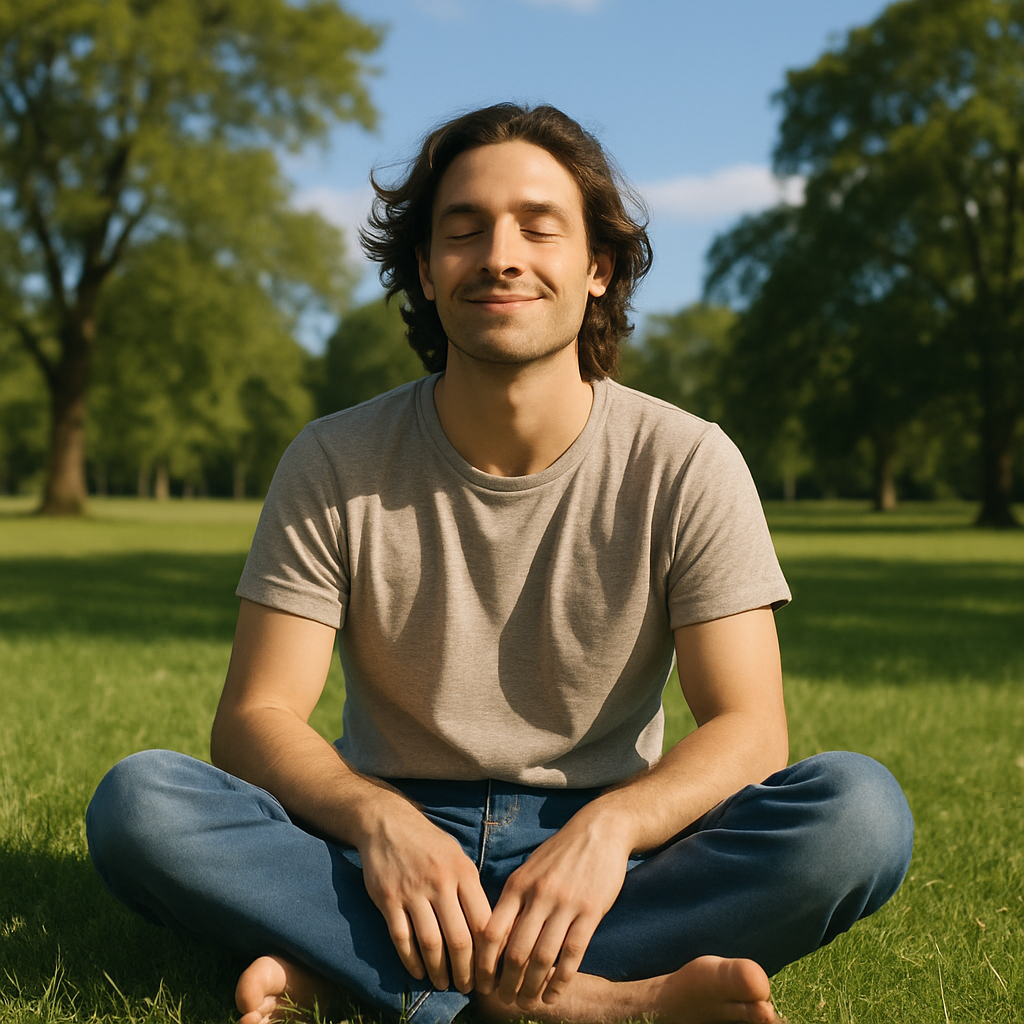
    Our minds are basically ancient hardware trying to run modern life, and eco wellness taps into that. When you step into a park, woodland or even a scruffy bit of urban green, your nervous system gets the memo that you are safe enough to relax. Heart rate drops, breathing slows, and your thoughts stop sprinting around like they had too much coffee.

    Try this next time you are stressed: find a patch of grass or a tree, leave your phone in your pocket and just notice what is happening for five minutes. Sounds, colours, textures, the feel of the air on your skin. It is like a soft reset for your brain, no loading screen required.

    Planet friendly habits that actually feel good

    Eco wellness is not about being perfect, it is about stacking tiny, feel good habits. Here are a few that are easy to slide into a lazy day:

    • Walk more, rush less: Swap one short drive or bus ride for a stroll. Turn it into a moving meditation instead of a mission.
    • Plant powered plates: Add one extra plant based meal a day. Beans, lentils and veg are cheaper than takeaways and your gut will send you love letters.
    • Low waste chill time: Read a book in the park, journal, practise breathwork or just cloud watch. Relaxing does not need packaging.
    • Bring your own gear: A reusable bottle, tote bag and coffee cup cover most daily missions and keep random plastic out of the bin.

    Eco wellness and your home vibe

    Your space is your sanctuary, and a few small tweaks can make it feel calmer while being kinder to the planet. Open the windows when you can and let fresh air and natural light do their thing. Add a couple of houseplants, even if you are “bad” with plants – some are almost indestructible and still clean the air.

    Switch harsh chemical cleaners for gentler ones, or make simple options with vinegar and bicarbonate of soda. It is better for your lungs, your skin and the water system once it all swirls down the drain.

    Community, good vibes and the bigger picture

    One of the sneaky superpowers of eco wellness is community. Beach clean ups, community gardens, litter picks, local food co ops – they are all ways to meet like minded people while doing something useful. You get that quiet buzz of having helped out, without needing to become a full time activist.

    Even brands and organisations are catching on. You will see more campaigns tying mental health, nature and sustainability together, and some, like Inuvate PR, help those stories reach people who might never have thought about the planet as part of their self care routine.

    Keeping it realistic and relaxed

    Here is the key: these solutions should make life feel easier, not heavier. No guilt trips, no purity tests. If you forget your tote bag, you are not cancelled by the universe. Just do what you can, where you are, with what you have.

    Start with one small shift that actually sounds nice: a weekly nature walk, a plant based dinner, a phone free hour outdoors. Let it become normal, then add another. Over time, your routine becomes a quiet little love letter to your body and the planet, written in reusable ink.
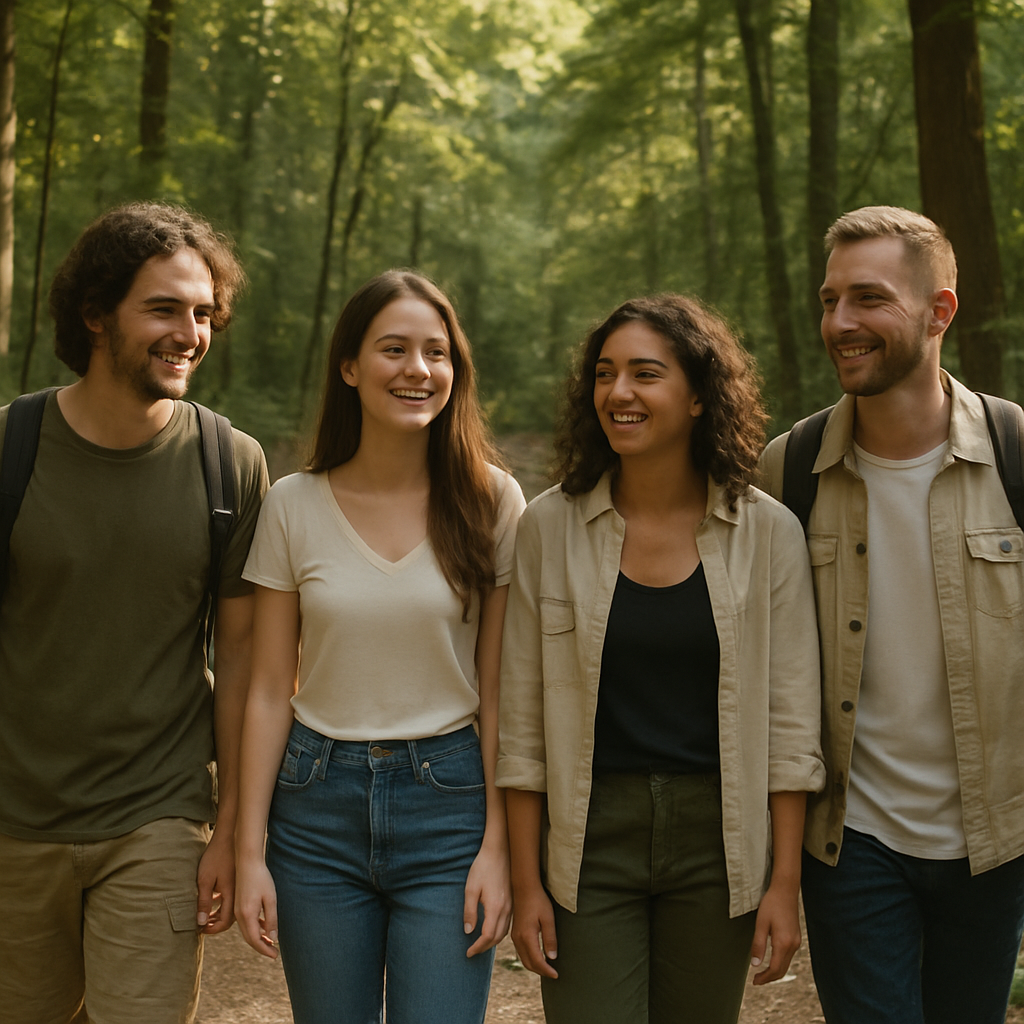
    Friends walking through a forest trail enjoying eco wellness in nature
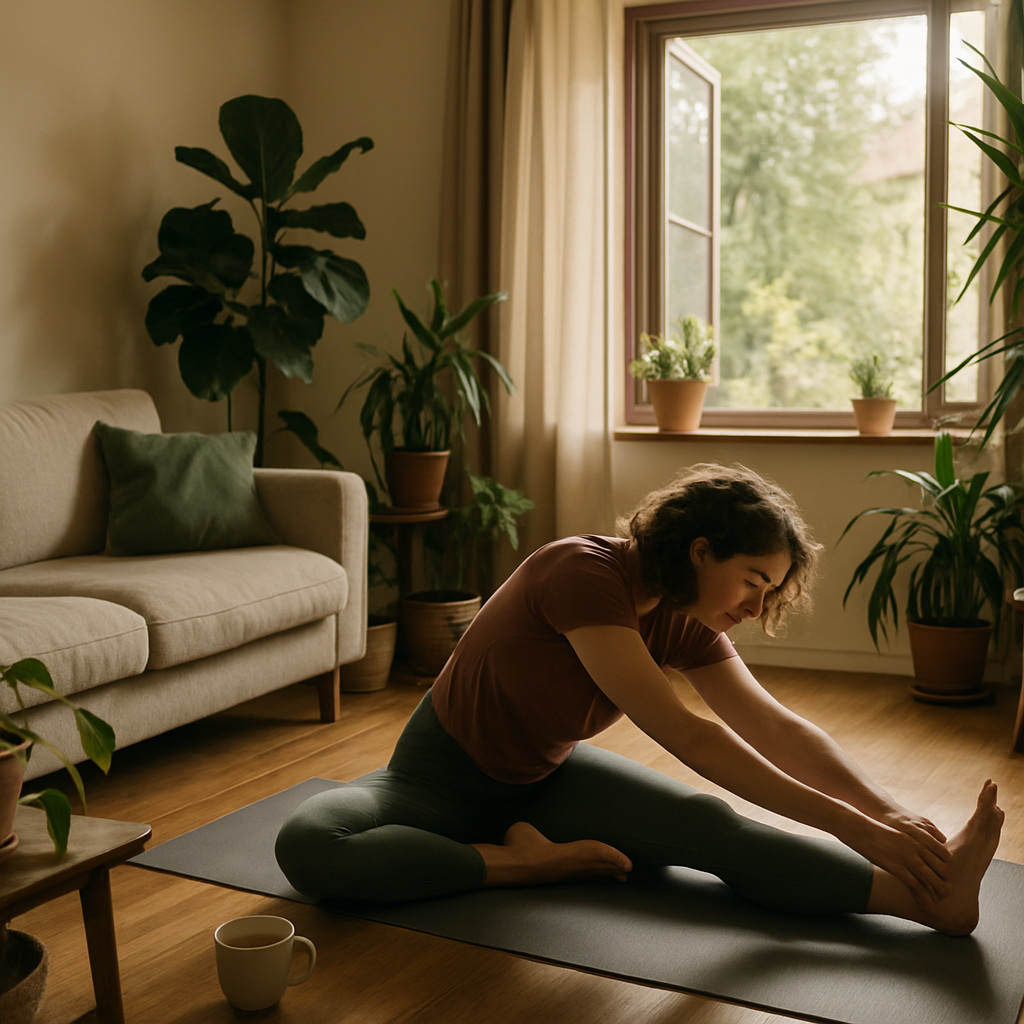
    Calm living room with plants where someone practises eco wellness with gentle stretching

    Eco wellness FAQs

    What is eco wellness in simple terms?

    Eco wellness is a way of looking after your mind and body that also looks after the planet. It is about everyday choices, like spending time in nature, eating more plants and creating less waste, so feeling good and living lightly on the earth happen at the same time.

    How can I start practising eco wellness with no extra money?

    You can start eco wellness without spending anything by using what you already have. Go for walks in local green spaces, drink more water, open your windows for fresh air, cook simple plant based meals from basics like beans and veg, and switch some screen time for sitting outside or stretching on the floor.

    Does eco wellness mean I have to be perfectly sustainable?

    No, eco wellness is not about perfection. It is about doing what you reasonably can, in your own life, without burning out. Small, consistent steps like reusing bags, cutting a bit of waste and spending more time outdoors add up over time and are much more sustainable than chasing an impossible standard.
  • Forest Bathing: The Chill Way To Reset Your Mind And Help The Planet

    Forest Bathing: The Chill Way To Reset Your Mind And Help The Planet

    If you have ever walked through a quiet woodland and felt your shoulders instantly drop, you have already had a taste of forest bathing benefits. No bubble bath, no eucalyptus candle, just you hanging out with trees and letting your nervous system finally chill.

    What is forest bathing, really?

    Despite the name, you are not stripping off and diving into a pond. Forest bathing comes from the Japanese practice of shinrin yoku, which basically means soaking your senses in the forest. It is slow, mindful walking in nature, with zero pressure to hike fast, close your rings or smash a personal best.

    You wander, you breathe, you notice the colours, sounds and smells, and you let your brain stop sprinting for a bit. It is like a spa day, but your therapist is a 200 year old oak that has seen some things.

    Forest bathing benefits for your mind

    The mental health perks are where forest bathing really flexes. Studies show time in green spaces can lower stress hormones, calm anxiety and boost mood. When you are surrounded by trees, your brain gets fewer alerts and notifications, so it can drop out of fight or flight mode and into something more like mellow and alright mode.

    Slowing down your walk, feeling your feet on the ground and listening to birds instead of traffic helps your attention reset. People report better focus afterwards, fewer racing thoughts and a bit more patience for the chaos of daily life. Think of it as turning your mind off and on again, but with leaves.

    Forest bathing benefits for your body

    It is not just a head game either. Gentle movement, fresh air and natural light are a pretty tasty combo for your body. Your heart rate drops, blood pressure can ease down and your breathing naturally deepens without you forcing it.

    Some research suggests certain trees release compounds that may support your immune system, but even without getting super nerdy, we know that regular chilled walks in nature help sleep, energy and general vibes. You do not need a gym membership when the woods are handing out free wellness sessions.

    Why forest bathing is good for the planet too

    Here is the sneaky eco magic: when people experience forest bathing benefits first hand, they are more likely to care about protecting those spaces. Once you fall a little bit in love with a local woodland, you are less keen on seeing it turned into another bland development.

    Spending time outdoors can nudge you towards more planet friendly habits without it feeling like homework. Maybe you start picking up litter on your walks, cutting down on pointless purchases, or supporting local conservation groups that look after your favourite trails. Tiny steps, big ripple effect.

    How to start forest bathing (no crystals required)

    You do not need special gear, a guru or a perfect forest. A scrappy bit of woodland, a riverside path or even a big park will do. Aim for 30 to 60 minutes where your only mission is to wander slowly and pay attention.

    Leave your phone on silent, or better yet, in your pocket. Walk slower than feels normal. Notice five things you can see, four you can feel, three you can hear, two you can smell and one you can taste, even if it is just the fresh air. Sit on a bench or a log for a while and let yourself be fully unproductive. That is the whole point.

    Making it a regular ritual

    Like any good habit, the more often you do it, the better it feels. Try a weekly forest bathing session, even if it is just a short loop after work. Treat it like a standing date with nature where you show up as you are, no performance required.

    Mix it up too. Go in different seasons, at different times of day, in sunshine and drizzle. Not every session will blow your mind, but over time you will notice you are calmer, more grounded and a bit more plugged into the living world around you.

    Group experiencing forest bathing benefits while sitting together under tall trees
    Sunlit woodland path illustrating forest bathing benefits in a calm natural setting

    Forest bathing benefits FAQs

    How often should I go forest bathing to feel the benefits?

    Even one session can feel surprisingly calming, but regular time in nature is where forest bathing benefits really stack up. A weekly 30 to 60 minute wander in woodland or a big park is a good target. If that is too much, start with shorter sessions and build up. The key is consistency and going slowly, not racking up miles.

    Do I need a proper forest for forest bathing?

    A dense ancient woodland is amazing, but not essential for forest bathing benefits. Any green space with trees and plants can work, from a local park to a riverside path. The main thing is that you feel relatively safe and can move slowly without constantly dodging crowds or traffic. If you can hear some birds and see some leaves, you are good.

    What should I take with me when forest bathing?

    Keep it simple. Comfortable shoes, weather appropriate clothes and some water are usually enough. You might want a light snack and a small bag to carry any litter you pick up. Try to keep your phone on silent and out of your hand so you can focus on the experience. Optional extras are a notebook, a sit mat or a friend who is up for slowing down with you.

  • Outdoor Mindfulness Habits To Decompress From Screen Stress

    Outdoor Mindfulness Habits To Decompress From Screen Stress

    If your brain feels like it has 47 tabs open and all of them are buffering, it might be time to try some simple outdoor mindfulness habits. No incense, no yoga mat, no app telling you to breathe. Just you, the sky, the ground and a bit of fresh air doing its thing.

    Why outdoor mindfulness habits work so well

    Our minds evolved outside, not under strip lights and notification pings. When you step outdoors, a few cool things happen in your body without you doing anything clever. Your nervous system starts to shift out of fight or flight and into rest and digest. Your eyes get to focus on long distances instead of glowing rectangles, which gives your brain a break. Your breathing slows down, your heart rate eases and stress hormones start to drop.

    Scientists call this biophilia – our natural pull towards nature. When you are surrounded by trees, grass, clouds and birds, your attention softens. You are not forcing yourself to concentrate. Your mind just gently wanders in a way that feels spacious instead of chaotic. That is why even ten minutes outside can feel like a mini reset.

    Grounding: barefoot time on the earth

    Let us start with the most low effort ritual of all. Kick your shoes off and stand on grass, soil or sand. That is grounding in its simplest form. Some people get deep into the idea of the earth’s electrons and energy transfer. Even if you are not into that, there is plenty going on.

    Going barefoot wakes up thousands of nerve endings in your feet. Your brain gets a rich stream of touch signals, which pulls your attention away from racing thoughts and back into your body. Your posture often improves, your breathing deepens and your muscles subtly relax. Try this: stand barefoot, soften your knees, feel the weight of your body sinking down into the ground and count ten slow breaths. That is it. You just meditated without trying.

    Cloud watching: the laziest meditation ever

    Cloud watching might be the most underrated of all outdoor mindfulness habits. Lie on a blanket, hoodie as a pillow, and stare at the sky like you are in a coming of age film. Let your eyes rest on the slow movement of the clouds. Notice shapes if you want to, or just watch them drift.

    This gentle, unfocused gaze is powerful. It calms the visual system that spends all day locked onto sharp, bright screens. Your brain switches from task mode into daydream mode, which is where creativity, problem solving and emotional processing quietly happen. You are not zoning out, you are giving your mind some open space to stretch in.

    Slow walks instead of step-count missions

    Forget power walking. Think slow wandering. Choose a park, a field path or a quiet street with trees and move at a pace where you could easily carry a mug of tea without spilling it. The goal is not fitness points, it is presence.

    As you walk, tune into one sense at a time. For a minute, notice only sounds – birds, wind, distant traffic. Then switch to sight – colours, shapes, light and shadow. Then touch – the feel of the air on your skin, your feet rolling from heel to toe. This simple rotation of attention is like a massage for a tired brain. It keeps you here, not lost in old arguments or future worries.

    Sitting with trees: borrowing their calm

    Find a tree that looks friendly and claim it as your temporary therapist. Sit with your back against the trunk or just nearby. Trees are basically living slow motion. They are not rushing, they are not checking emails, they are just quietly existing and growing.

    Person cloud watching in a field as part of outdoor mindfulness habits to ease stress
    Person enjoying a calm mini picnic under a tree as one of their outdoor mindfulness habits

    Outdoor mindfulness habits FAQs

    How long do outdoor mindfulness habits need to be to help with stress?

    You do not need hour long sessions. Even five to ten minutes of focused time outside can start to calm your nervous system and ease stress. A short barefoot grounding break, a quick slow walk or a few minutes of cloud watching can all make a noticeable difference, especially if you repeat them most days.

    Do outdoor mindfulness habits still work if I live in a city?

    Yes, they absolutely can. Look for any pocket of nature you can find, like a small park, a tree lined street, a patch of grass or even a balcony with plants. The key is to step away from screens, slow your breathing and pay gentle attention to your surroundings, even if that is just the sky between buildings and a single tree on the corner.

    What if I get bored trying outdoor mindfulness habits?

    Feeling bored at first is normal because your brain is used to constant stimulation. Start small and keep it playful. Set a timer for three to five minutes, pick one simple practice like cloud watching or sitting with a tree, and treat it like an experiment rather than a chore. Over time, your mind usually learns to enjoy the quiet and the boredom turns into a sense of ease.