
Tag: nature and mental health uk

  • The NHS Is Now Prescribing Nature: What Social Prescribing Actually Means for Your Wellbeing

    The NHS Is Now Prescribing Nature: What Social Prescribing Actually Means for Your Wellbeing

    Your GP hands you a prescription. But instead of a little white bag from the pharmacy, it’s a referral to a weekly allotment group or a guided walk through your local woodland. That’s not a scene from some optimistic future, it’s actually happening across Britain right now, and it goes by the name of social prescribing. I’ve been watching this movement grow for a couple of years, and honestly, it might be the most quietly radical thing the NHS has done in a long time.
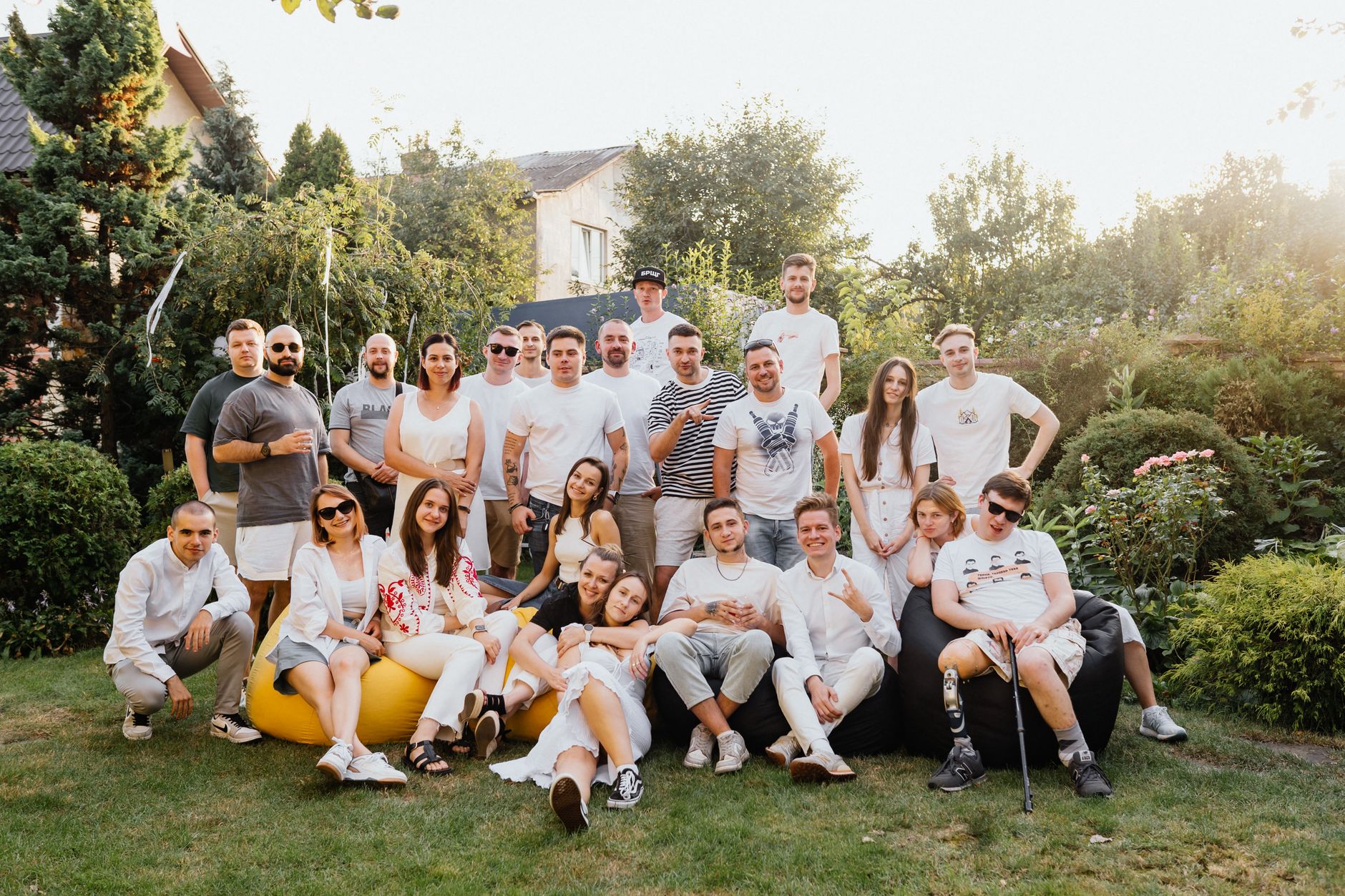
    Adults participating in a community gardening group as part of NHS social prescribing nature UK programme
    Photo by Faster Than Light on Pexels

    So what is NHS social prescribing, exactly?

    Social prescribing is when a GP, nurse or other health professional connects a patient to non-medical support in the community rather than (or alongside) clinical treatment. We’re talking nature walks, gardening clubs, arts sessions, befriending schemes, volunteering, conservation projects. The idea is that a lot of what makes people unwell, loneliness, low mood, chronic stress, lack of purpose, isn’t really fixable with a pill. It needs human connection, fresh air, a bit of purpose. Radical, right?

    The referral usually goes through a link worker, sometimes called a social prescribing link worker or community navigator. They sit inside GP surgeries or primary care networks, and their whole job is to have a proper conversation with you about your life, not just your symptoms, and then connect you to something that might genuinely help. NHS England has been expanding this since around 2019, and by 2024 there were over 3,000 link workers operating across England. Scotland, Wales and Northern Ireland all have their own versions running too.

    Why nature specifically?

    The short answer: because it works. The longer answer involves a decent chunk of research showing that time in green spaces measurably reduces cortisol levels, lowers blood pressure and improves mood in ways that are genuinely clinically significant. The charity Mind has documented consistently that spending time in nature helps with anxiety, depression and general mental wellbeing. The evidence base has got robust enough that prescribing it stopped feeling fringe and started feeling sensible.

    Nature-based social prescribing covers a pretty wide range of activities. Green social prescribing, which had a big NHS pilot running across seven areas of England between 2020 and 2023, specifically tested things like conservation volunteering, community gardening, outdoor mindfulness, and walking groups in green spaces. The pilot results showed improvements in wellbeing, reductions in anxiety and depression scores, and fewer GP appointments down the line. If that were a drug, it’d be front-page news.

    I’d argue this connects to something a lot of us already know intuitively. If you’ve ever read about why a weekend in the countryside leaves you feeling genuinely reset, you’ll recognise the mechanism. The nervous system responds to natural environments differently than it does to offices and screens. Social prescribing is just the NHS catching up with what your body already knows.

    Who is it actually for?

    Technically, social prescribing is available to almost anyone registered with a GP in England. In practice, link workers tend to work with people experiencing mild to moderate mental health issues, long-term conditions, loneliness, social isolation, or people who are frequent GP attenders without a clear clinical cause. But the referral criteria vary quite a bit between GP practices and regions, so it’s worth asking directly.

    Children and young people are increasingly included too, NHS England launched a young people’s social prescribing framework in recent years, recognising that the same pressures driving adult mental health crises are hitting teenagers just as hard.

    The activities on offer depend entirely on where you live and what local organisations are running. In some areas you’ll find really rich options: canal-side walking groups, urban foraging sessions, community allotments, wildlife conservation days with charities like the Wildlife Trusts. In others, provision is thinner. That’s one of the honest limitations of the model right now, it’s only as good as the community infrastructure around it.

    How do you actually access NHS social prescribing?

    The simplest route is through your GP surgery. Ask your GP or practice nurse whether the surgery has a social prescribing link worker, and if so, ask for a referral. You can also self-refer in many areas, check your surgery’s website or ask at reception. Some areas have direct referral routes through NHS 111 or through charities and community organisations themselves.

    Once referred, you’ll typically have an initial conversation with the link worker, who’ll ask about your life, interests and what you’re hoping to get from it. There’s no pressure to join anything immediately. They’ll suggest options, sometimes accompany you to the first session, and follow up to see how it’s going. It’s low-key by design.

    The NHS England social prescribing pages have a finder tool to locate your nearest link worker if you want to get the lay of the land before approaching your surgery.

    The eco-anxiety angle nobody’s talking about

    Here’s something I find genuinely interesting. A growing number of GPs are beginning to see patients whose anxiety and low mood is rooted in climate grief and environmental worry, what’s increasingly being called eco-anxiety. Social prescribing into nature-based activities is turning out to be particularly powerful for these people, because it replaces helplessness with action. Joining a community conservation group or helping restore a hedgerow gives you a direct, tangible relationship with the natural world rather than a passive, fearful one.

    If that resonates with you, it’s worth knowing that eco-anxiety is now showing up formally in British mental health conversations, and GPs are slowly getting better at recognising it. Social prescribing may end up being one of the more useful tools for it.

    The honest limitations

    Social prescribing isn’t a cure-all. It won’t replace antidepressants for someone in severe clinical depression, and it’s not a substitute for therapy where that’s genuinely needed. The postcode lottery is real, if you live in an area with poor community infrastructure, your link worker may have limited options to refer you to. Funding for many of the community organisations that deliver these activities is precarious, often relying on short-term grants rather than stable NHS budgets.

    There’s also the engagement problem. If you’re in a low period, the last thing you want is someone cheerfully suggesting you join a gardening group on a Wednesday morning. Link workers generally understand this and work at your pace, but it does require a bit of buy-in from the person being referred.

    That said, I think the direction of travel is right. Getting people outside, into communities, working with their hands and with the land, that’s not soft or alternative. The science backs it up, the NHS is investing in it, and the people who’ve tried it largely say it changed something for them. If you’re curious about what growing food or working with soil can do for your mental state, by the way, Britain’s relationship with soil goes deeper than most people realise.

    Ask your GP. It costs nothing. And worst case, you spend a morning in a garden with some decent company. There are worse prescriptions.
  • The Real Reason You Feel Better After a Holiday in the Countryside (It’s Not Just the Pints)

    The Real Reason You Feel Better After a Holiday in the Countryside (It’s Not Just the Pints)

    You roll back into town after four days in the Peak District or up near Glencoe, and something just feels different. Quieter in your head. Less clenched. You slept properly for the first time in weeks. People chalk it up to the break, the fresh air, maybe the pub. But honestly, the countryside wellness benefits UK science has been piecing together over the last decade are a lot more interesting than “you just needed a rest”.

    There’s actual biological stuff going on. Measurable shifts in your stress hormones, your autonomic nervous system, your perception of sound and light. I’ve felt it myself on the moors above Edale, and I always assumed it was just the walking. Turns out, the walking is only part of it.

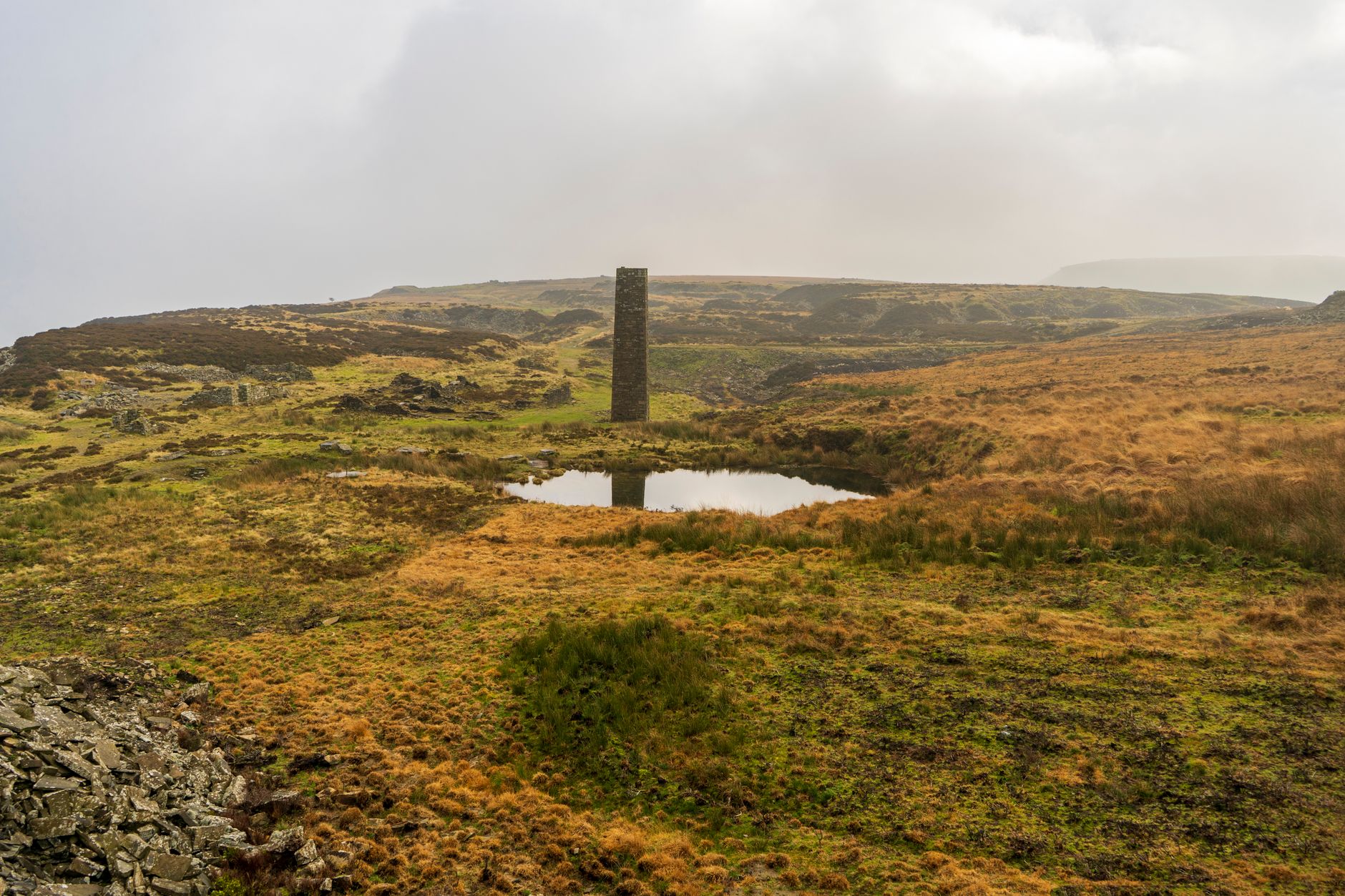
    Moorland landscape illustrating countryside wellness benefits UK science
    Photo by David Shaun Wright-Khan on Pexels

    What negative ions actually do to your brain

    Right, so this one gets thrown around a lot in wellness circles and sometimes sounds a bit airy. But the underlying mechanism is real. Negative ions are molecules that carry an extra electron, and they’re produced in high concentrations near moving water, in forests after rain, and at altitude. The Scottish Highlands after a downpour? Basically swimming in them.

    Research published in journals including the International Journal of Molecular Sciences suggests that elevated negative ion concentrations can increase serotonin levels and reduce oxidative stress in the brain. A 2018 meta-analysis found consistent links between negative air ionisation and improvements in mood and reduced symptoms of depression. Your average commute into central Birmingham is generating the opposite, by the way, mostly positive ions from exhaust fumes and electronics.

    You don’t need to stand under a waterfall for three hours. Proximity to running streams, a good spell of rain, or even sitting near an indoor water feature replicates some of this at home. I’ve got a small wall fountain in the back of my flat that sounds daft but genuinely takes the edge off a rough Tuesday.

    Cortisol and the countryside: what the numbers say

    Cortisol is the stress hormone. Useful in short bursts, genuinely damaging when it’s basically your resting state, which for a lot of people living in UK cities, it is. The ONS has consistently flagged stress and anxiety as rising concerns in adult wellbeing surveys, with urban populations scoring notably worse than rural ones on certain wellbeing measures.

    Spending time in natural environments measurably drops cortisol. A well-cited Japanese study protocol called Shinrin-yoku, which is forest bathing, showed salivary cortisol dropping by around 12 to 16 per cent after 15 minutes in woodland compared to urban settings. British researchers at the University of Exeter have replicated similar findings, finding that people living near green space report lower stress and better mental health outcomes. Their 2019 work in Scientific Reports showed that 120 minutes per week in nature was the threshold for meaningful wellbeing gains.

    Two hours. That’s Chatsworth and back on a Sunday. Easy.

    Why birdsong specifically does something to you

    This one I find genuinely fascinating. Birdsong isn’t just pleasant background noise. There’s an evolutionary argument that human brains learned to read bird behaviour as a safety signal. When birds are singing freely, the environment is safe. When they go silent, something’s wrong. Your nervous system has been paying attention to this information for hundreds of thousands of years.

    A study from the Max Planck Institute for Empirical Aesthetics found that birdsong directly reduces paranoia and anxiety levels in participants. The more diverse the bird calls, the stronger the effect. This is part of why a walk through a mixed woodland in the Lake District feels fundamentally different to walking through a park near a dual carriageway, even if the distance is the same.

    At home, I keep a window open in the morning specifically for this. If you’re in a flat with not much bird traffic, recordings of mixed woodland birdsong on a decent speaker actually do produce measurable relaxation responses. It sounds silly. It works.

    This connects neatly to the broader evidence around spending time in natural British environments for mental recovery, whether that’s canal-side or moorland. The nervous system isn’t picky about the exact postcode, it just wants the sensory cues that say “relax, you’re not being chased”.

    Light pollution and your sleep architecture

    One of the most underrated things about a few nights in rural Scotland or mid-Wales is the darkness. Actual darkness. The kind where you can see the Milky Way and briefly feel very small and very calm about it.

    Artificial light at night suppresses melatonin, the hormone that regulates your sleep cycle. The Campaign to Protect Rural England has mapped light pollution across the country, and the contrast between central Manchester and the Brecon Beacons (a designated Dark Sky Reserve) is stark. In the city, your melatonin production is being partially suppressed every single night.

    After a few nights somewhere genuinely dark, most people sleep longer and reach deeper slow-wave sleep stages. That’s where your body repairs tissue, consolidates memory, and basically does its maintenance. You wake up feeling actually restored rather than just less tired.

    Back home: blackout curtains, no screens for an hour before bed, and covering any standby lights in your bedroom. It’s not the Highlands, but your melatonin doesn’t know the difference.

    How to get some of this back home

    The reality is most of us can’t be in the Peak District every week. But the countryside wellness benefits UK science points to aren’t entirely location-locked. You can pull fragments of them into daily life.

    Get near moving water when you can. Britain’s canal network is genuinely underused for exactly this purpose. Even urban stretches generate some negative ion benefit and the visual rhythm of water is calming in itself. I’ve written before about why the canal network is one of the most underrated wellness hacks going, and I stand by it.

    Bring soil into your life. Mycobacterium vaccae, a bacterium found in healthy soil, has been shown to stimulate serotonin production when you’re exposed to it through gardening or handling compost. This links directly to why healthy soil is a bigger deal than most people realise, both for the planet and apparently for your own brain chemistry.

    Get outside in the morning light within an hour of waking. Natural light in the morning anchors your circadian rhythm. Even a grey British morning has enough lux to do the job better than any SAD lamp.

    And honestly, just plan the trips. The evidence is solid. Two days in the Cairngorms or the Dales isn’t a luxury, it’s maintenance. Your nervous system is running off sensory inputs that evolved over millions of years, and almost none of them involve an open-plan office and an inbox. Give it what it actually wants occasionally. The pints are just a bonus.

    Frequently Asked Questions

    What are the science-backed health benefits of spending time in the UK countryside?

    Research points to reduced cortisol levels, improved sleep through lower light pollution, mood improvements from negative ions and birdsong, and lower anxiety. University of Exeter studies found that just 120 minutes per week in natural environments produced measurable wellbeing gains.

    Why do I sleep better when I'm away in the countryside?

    Reduced artificial light at night allows your body to produce melatonin properly, which regulates your sleep cycle. Cities suppress melatonin production through light pollution, meaning your sleep is shallower on a chronic basis. A few nights somewhere dark like the Brecon Beacons or Scottish Highlands lets your sleep architecture normalise.

    Do negative ions really make you feel better, or is it pseudoscience?

    There’s genuine peer-reviewed evidence behind it. Negative ions are produced in high concentrations near waterfalls, forests and at altitude, and have been linked to serotonin increases and reduced oxidative stress in the brain. It’s not magic, it’s electrochemistry.