

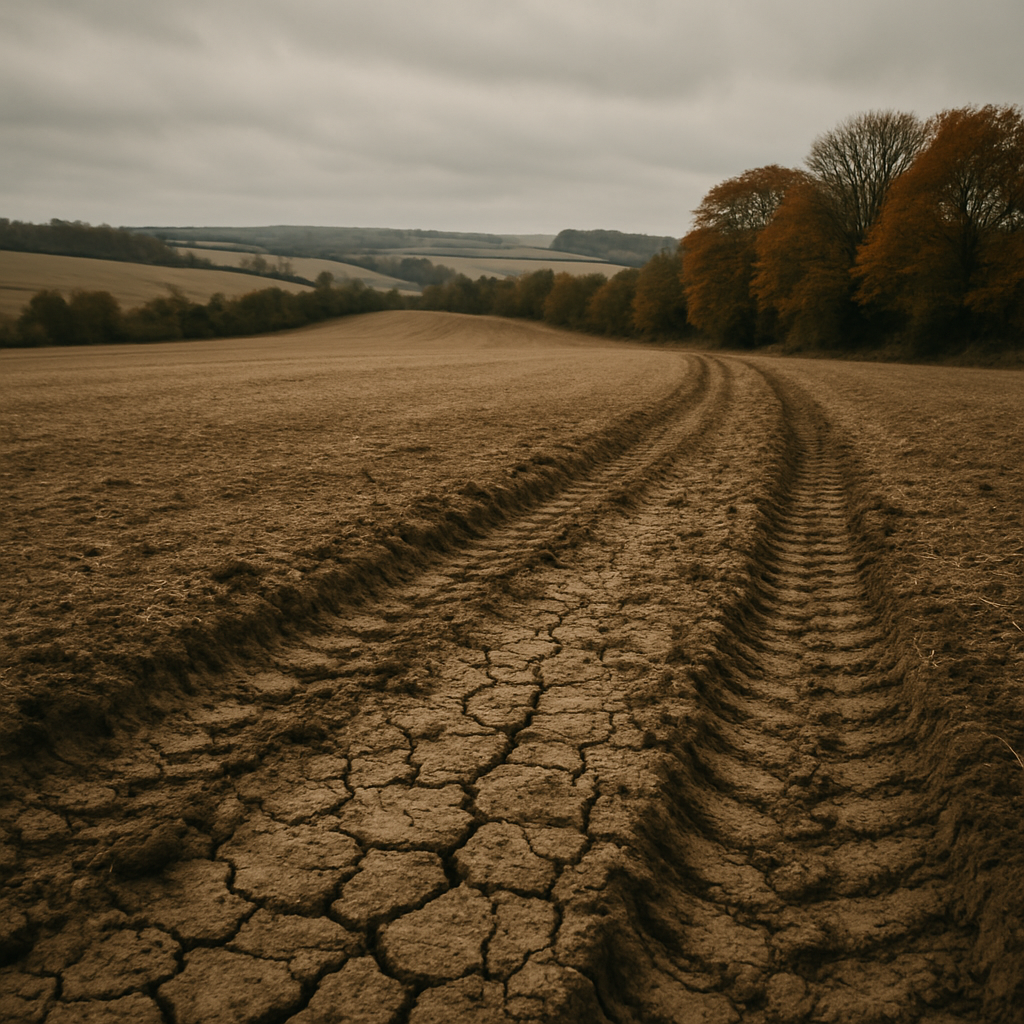
Right, so this one’s a bit of a wake-up call. Britain’s topsoil, the thin, dark, living layer that literally grows everything we eat, is in serious trouble. The Environment Agency has previously warned that England’s soils could have as few as 30 to 60 harvests left in them if current farming practices continue. Thirty harvests. That’s potentially within a lot of our lifetimes. When people talk about environmental crises, they tend to picture melting ice caps or burning forests. But quietly, under our feet, something just as serious is going on.
What’s actually happening to UK topsoil?
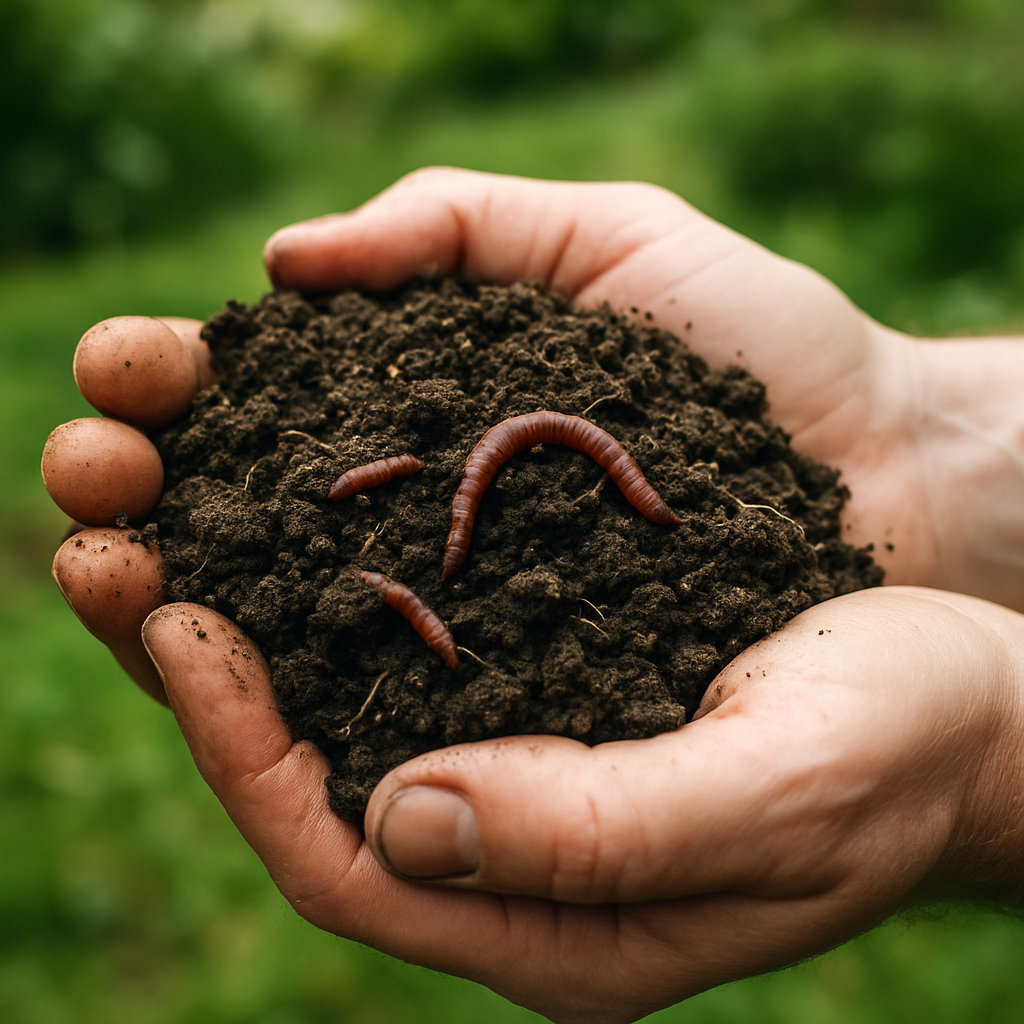
Topsoil is the top 20 to 30 centimetres of earth. It takes around 500 years to form just one centimetre of the stuff naturally. It’s packed with fungi, bacteria, worms, and organic matter, a whole ecosystem doing silent, essential work. Without it, plants can’t access the nutrients they need. Full stop.
In the UK, intensive farming has been stripping topsoil for decades. Heavy machinery compacts the ground, pesticides kill off the microbial life, and monoculture cropping (growing the same crop in the same field year after year) depletes nutrients faster than they can be replaced. Then there’s erosion. When bare fields are left exposed over winter, rain washes topsoil off into rivers. The UK loses around 2.2 million tonnes of topsoil to erosion every year, according to DEFRA estimates. That’s not a typo.
Climate change is making this worse. Heavier rainfall events, increasingly common across Britain, accelerate erosion on degraded land. And degraded soil, in turn, makes climate change worse because healthy soil is one of the planet’s best carbon stores. Once that structure breaks down, stored carbon gets released. It’s a loop nobody really wants to be in.
What does the UK topsoil crisis mean for food security?
Straightforwardly, it means the land we grow food on becomes less productive over time. UK farms are already applying more and more synthetic fertiliser to compensate for lost soil fertility, which is expensive, polluting, and not really solving anything. It’s a bit like taking energy drinks instead of sleeping.
Food prices feel this. Supply chains feel this. And the rural communities whose livelihoods depend on productive farmland feel this most acutely. The UK currently imports around 46% of its food, according to ONS figures, so domestic soil health isn’t the only factor, but it’s a significant one. Degrading the land we do farm makes us more dependent on imports, which creates its own vulnerabilities.
It’s also worth noting that soil health and mental health share more overlap than you’d think. There’s decent research connecting time outdoors and interaction with healthy natural environments to reduced stress and anxiety. Britain’s changing seasons are already affecting our mental health, and a landscape stripped of biodiversity and fertility isn’t exactly calming to move through either.
What regenerative farming actually means (without the jargon)
Regenerative agriculture is essentially farming that tries to put back more than it takes out. That means less tilling (which disrupts soil structure and releases carbon), cover cropping (planting things over winter to protect bare soil), adding organic matter back in, rotating crops properly, and reducing chemical inputs. It’s older than industrial agriculture, in a sense. Farmers were doing versions of this for centuries before the 20th century got obsessed with maximising short-term yields.
There are UK farms doing genuinely interesting work here. Groundswell, the regenerative farming conference held annually in Hertfordshire, has become a real hub for farmers switching away from conventional methods. Hodmedod’s, a Suffolk-based company, works with British farmers growing heritage and pulse crops in ways that are much kinder to soil structure. You can buy their stuff online. It’s not even that expensive.
Low-effort things you can actually do about it
Look, not everyone is about to retrain as a farmer. But there’s a reasonable amount you can do from home, and most of it genuinely isn’t that much hassle.
Compost your kitchen waste. When organic matter goes to landfill, it breaks down anaerobically and produces methane. When it’s composted and returned to soil, it rebuilds organic matter and feeds microbial life. If you’ve been putting this off, the lazy guide to composting in a small UK garden or flat is genuinely a good starting point. You don’t need a big garden or any particular skill.
Buy from regenerative farms. This is the big one in terms of actual impact. Farms like Riverford, Hodmedod’s, and various local veg box schemes source from growers actively working on soil health. Your purchasing habits tell the market what matters. Boring but true.
Go peat-free in your garden. Peat bogs are one of the UK’s most important carbon stores and soil-forming habitats. Using peat-based compost destroys them. The switch to peat-free products is easier than it used to be and worth making if you grow anything at all.
Stop bare soil in your garden. If you have any outdoor space, leaving bare soil exposed over winter is genuinely bad for it. Cover it with mulch, plant green manures, let it go a bit wild. A little wildness is fine. Rewilding your garden even slightly helps.
Grow something. Even a pot of herbs on a windowsill connects you to the reality of where food comes from and what soil actually needs. The composting habit and the growing habit tend to reinforce each other.
There’s a slightly weird footnote to all this. A lot of the technology being developed to monitor and model soil health across the UK involves AI-based data analysis tools. Some of these run on platforms where data governance matters, particularly when that data touches on land ownership or financial modelling. If you’re curious about tools in that space, it’s worth checking whether they use a UK GDPR compliant LLM API before handing over any sensitive land data. Just something to keep in mind as these tools get more common.
The soil is basically the whole game
There’s something quietly profound about topsoil. It’s not glamorous. It doesn’t get the headlines that solar panels or electric vehicles get. But food, climate, biodiversity, water quality, and human health all depend on it. The UK topsoil crisis is real, it’s measurable, and it’s getting worse on the current trajectory.
The good news is that soil can recover. Regenerative practices can rebuild organic matter within years, not centuries, if given the chance. And small choices, what you buy, what you compost, how you treat your patch of earth, do accumulate into something meaningful when enough people make them.
Start small. Compost something. Buy a veg box from a farm that gives a damn. That’s genuinely enough to begin with.
Frequently Asked Questions
How serious is the UK topsoil crisis really?
Serious enough that the Environment Agency has raised concerns about England having only a few dozen harvests left in heavily degraded soils if current practices continue. The UK loses around 2.2 million tonnes of topsoil to erosion annually, according to DEFRA. It’s a slow-moving crisis, but a real one.
Can home composting actually make a difference to soil health?
Yes, genuinely. Returning organic matter to soil rebuilds microbial life and improves soil structure. At scale, widespread home composting reduces organic waste going to landfill and increases the amount of humus-rich material going back into gardens. It’s small but not meaningless.
What is regenerative farming and how is it different from organic farming?
Regenerative farming focuses specifically on rebuilding soil health through practices like reduced tilling, cover cropping, and composting. Organic farming avoids synthetic inputs but doesn’t always prioritise active soil restoration. The two overlap but aren’t the same thing.
Leave a Reply