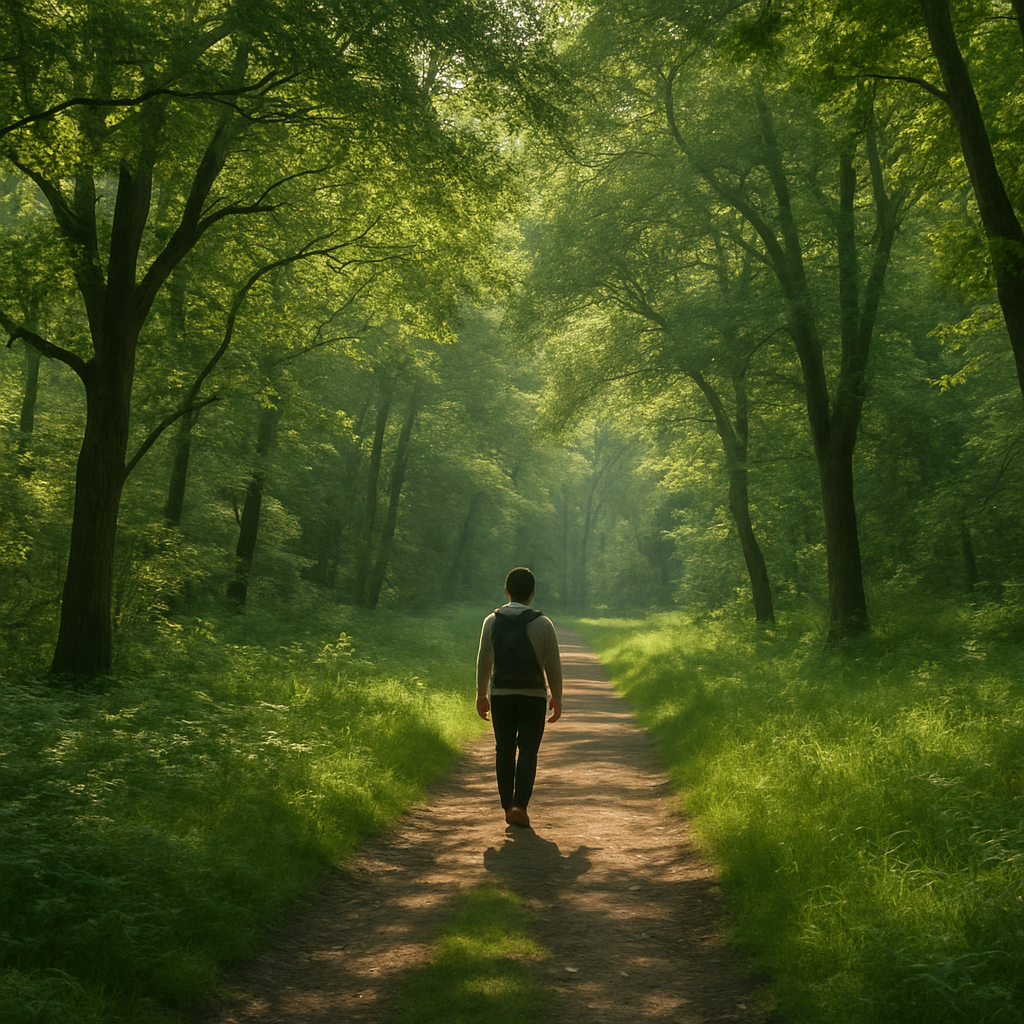
If you’ve been waking up exhausted despite eight hours in bed, scrolling until your eyes blur, or lying there at 2am wondering why your brain won’t shut up, there’s a decent chance the problem isn’t you. It’s that somewhere along the way, most of us got totally disconnected from natural light cycles and sleep, and our bodies are paying the price. The good news? Getting back in sync doesn’t require expensive gadgets or a strict new routine. It mostly just requires going outside.
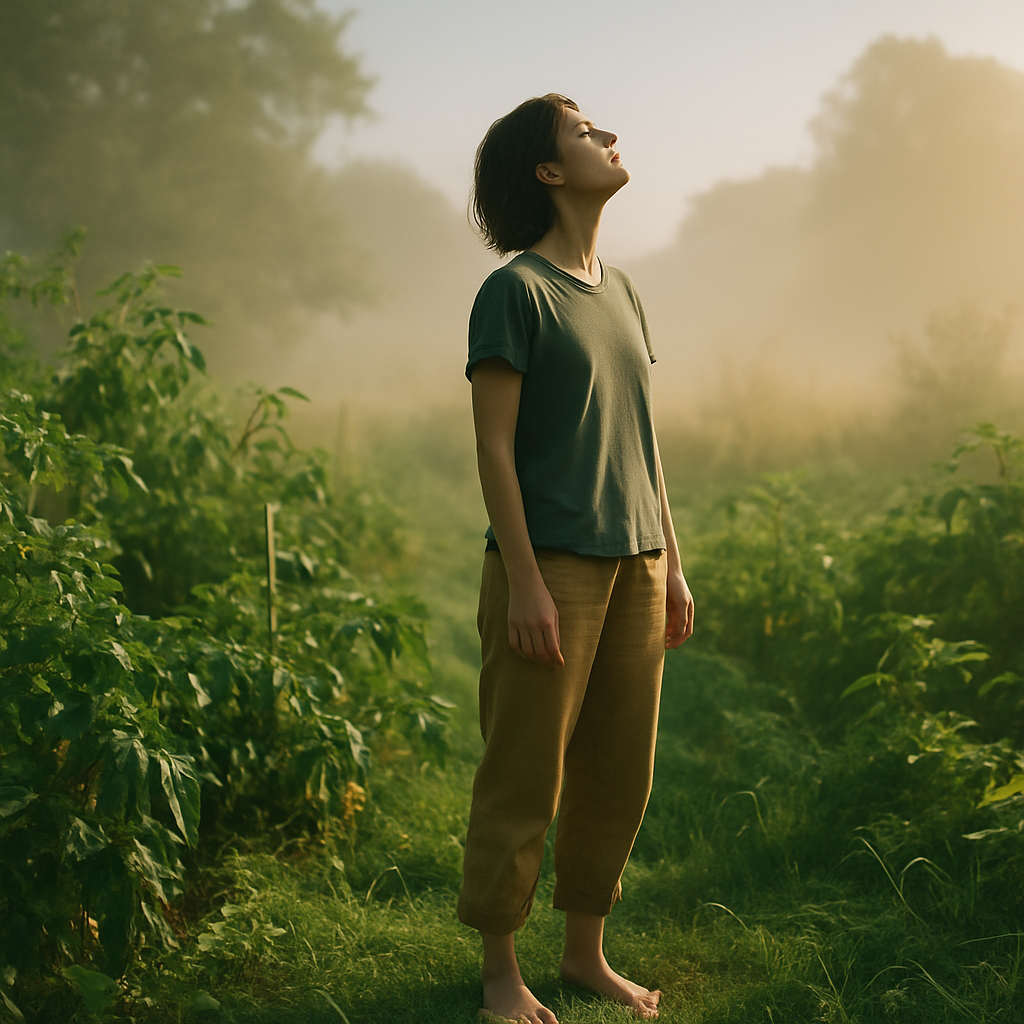
Why Natural Light Cycles Matter More Than You Think
Your circadian rhythm is basically your body’s internal clock, and it has been calibrated by sunlight for hundreds of thousands of years. It governs when you feel alert, when you feel drowsy, when your digestion kicks in, and when your body repairs itself. The problem is that most modern people spend the bulk of their day under artificial lighting, which sends mixed signals to the brain about what time it actually is.
Morning sunlight, specifically the blue-spectrum light that comes from the sky in the first couple of hours after sunrise, triggers a cortisol response that tells your brain it’s time to be awake and functioning. That same signal also sets a timer for when melatonin, the hormone that makes you sleepy, will be released later in the evening. Skip the morning light, and the whole system gets fuzzy. You end up tired but wired: exhausted during the day, alert at night.
How to Use the Morning to Fix Your Evenings
The single most effective thing you can do to improve your sleep has nothing to do with your bedroom. It’s getting outside within an hour of waking up, even if it’s cloudy. Overcast daylight still delivers significantly more light intensity than indoor lighting, usually around 10,000 lux versus the 200 to 500 lux you’d get from a standard ceiling light. Even ten to fifteen minutes of outdoor morning exposure can make a measurable difference to how quickly you fall asleep that night.
You don’t need to make it complicated. Stand in the garden with a coffee. Walk to the end of the street. Eat your breakfast outside if the weather allows. The body doesn’t need you to be doing anything special, it just needs the light to hit your eyes while you’re awake and upright. This one habit alone has helped a lot of people who felt completely out of sync with themselves start to feel human again.
Evening Routines That Work With the Planet, Not Against You
As much as mornings matter, evenings are where a lot of sleep gets quietly sabotaged. Bright overhead lights and screens after sunset are essentially lying to your brain, telling it the sun is still up. This delays melatonin release, sometimes by several hours, which is why so many people feel genuinely awake at midnight even when they’re knackered.
Planet-friendly evening habits happen to be brilliant for sleep too, which is a nice bit of alignment. Swapping overhead lights for lower, warmer lamps reduces both your energy consumption and your light exposure. Spending time outside after dinner, even just sitting in the garden as it gets dark, lets your eyes register the natural shift from golden hour to dusk. That gradual dimming is one of the most powerful sleep signals your body can receive, and it costs absolutely nothing.
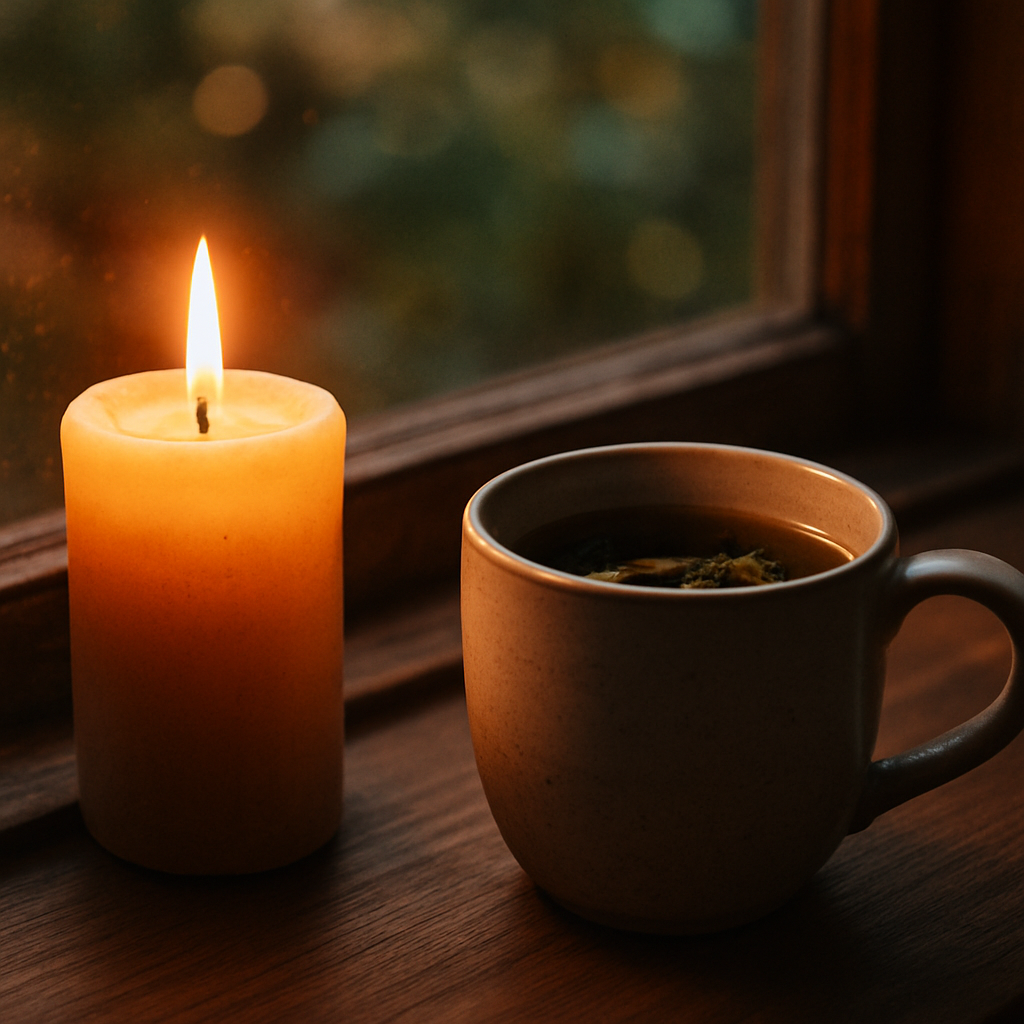
Candles, if you’re into them, are genuinely excellent. The warm, flickering light is spectrally similar to firelight, which is about as natural an evening light source as it gets. Brew something warm, put the phone face-down, and let the evening actually be an evening. Radical, maybe. Effective, definitely.
Spending Time Outdoors During the Day Really Does Help You Sleep
Beyond just the morning light hit, spending time in green spaces during the day has been consistently linked to better sleep quality in research settings. Natural environments lower cortisol, reduce mental fatigue, and give the nervous system a break from the low-level stimulation it absorbs from screens and indoor environments all day. A walk in a park, time in a garden, or even sitting near trees all contribute to what some researchers call attentional restoration, basically letting your brain stop clenching.
The people who tend to sleep best aren’t necessarily the ones with the most optimised bedroom setups. They’re often the ones who spend the most time physically outside during daylight hours. There’s a pattern worth leaning into there.
Small, Sustainable Shifts That Actually Stick
The approach that works long-term is the one that feels manageable rather than punishing. Aligning your sleep with natural light cycles and sleep patterns that humans evolved with doesn’t require a total lifestyle overhaul. It tends to look more like a series of gentle, enjoyable adjustments: morning walks, dimmer evenings, less screen time in the last hour before bed, and more time just existing outside during the day.
Much like the way people use free SEO tools to make gradual, measurable improvements without blowing a budget, the best sleep improvements are often the smallest, most consistent ones rather than dramatic overnight changes.
Your body already knows how to sleep deeply. It was doing it brilliantly long before electric lights existed. All you’re really doing by reconnecting with light cycles and outdoor time is getting out of your own way, and letting your nervous system remember what it’s always known. That’s not a hard ask. It’s actually a pretty nice way to spend your time.
Frequently Asked Questions
How does natural light affect sleep quality?
Natural light, particularly morning sunlight, regulates your circadian rhythm by triggering cortisol in the morning and setting the timer for melatonin release in the evening. Without adequate natural light exposure during the day, the brain receives confusing signals about time, which can delay sleep onset and reduce sleep depth. Even overcast daylight is significantly more effective than indoor lighting for keeping your body clock on track.
What time should I go outside in the morning to improve my sleep?
Ideally within the first hour of waking up, as this is when morning light has the strongest effect on resetting your circadian rhythm. Even ten to fifteen minutes is enough to make a difference, and you don’t need direct sunlight as cloudy days still provide far more light intensity than indoor environments. Consistency matters more than perfection, so making it a daily habit will compound over time.
Can spending time in nature really help with insomnia?
Research suggests that regular time in green spaces reduces cortisol levels, lowers mental fatigue, and supports the nervous system in ways that translate directly to better sleep. While it isn’t a clinical treatment for chronic insomnia, many people find that increasing outdoor time alongside reducing evening screen and light exposure significantly improves how quickly they fall asleep and how rested they feel in the morning. It’s a solid first step before reaching for sleep aids.
Why do I feel tired all day but wide awake at night?
This is a classic sign of a disrupted circadian rhythm, often caused by insufficient morning light exposure and too much bright or blue-spectrum light in the evening. Your brain hasn’t received a clear signal that it’s daytime in the morning, so cortisol peaks late, and melatonin is consequently delayed in the evening, leaving you alert when you want to sleep and sluggish when you need to be awake. Getting outside in the morning and dimming your environment in the evening can help correct this over a week or two.
What evening habits support better sleep without costing anything?
Sitting outside as it gets dark, swapping bright overhead lights for warm lamps or candles, avoiding screens for the last hour before bed, and going to bed at a consistent time are all free and genuinely effective. These habits mirror the natural light conditions your body evolved to sleep under, allowing melatonin to rise gradually and naturally. They also happen to be lower energy habits, which is a nice bonus for the planet as well as your rest.