

Right, I know what you’re thinking. A wellness blog about burial? Bear with me. Because the growing movement around natural burial in the UK is genuinely one of the most quietly radical, planet-friendly things happening right now, and it deserves more than a footnote in a brochure. It’s about life as much as it’s about death. And honestly, the more I’ve looked into it, the more it makes a strange kind of sense.
More people in Britain are choosing to return to the earth in a way that actually means something. Woodland plots, wildflower meadows, wicker coffins made from willow, shrouds woven from organic cotton. No concrete vault, no embalming fluid leaching into the ground, no headstone that’ll cost more than your first car. Just you, going back to where everything came from.
What is natural burial and why is it growing in the UK?
Natural burial (sometimes called green burial) means being interred without the heavy industrial footprint of a conventional funeral. The Association of Natural Burial Grounds, which represents over 270 sites across the UK, defines it as burial in a biodegradable container, without embalming, in a site managed to encourage wildlife and native planting. That’s the baseline. In practice, it can look like a lot of different things depending on the site you choose.
The numbers tell their own story. According to the Natural Death Centre, roughly one in ten funerals in the UK now has a green element, and dedicated natural burial sites have grown from a handful in the early 1990s to well over 270 today. People are fed up with funerals that cost £4,000 to £10,000, generate significant carbon emissions through cremation or traditional embalming, and leave landscapes unchanged. Natural burial, by contrast, actively creates habitat. Trees get planted. Wildflowers seed themselves. Bees and beetles move in. The whole site becomes something living.
Woodland burial vs meadow burial: what’s the actual difference?
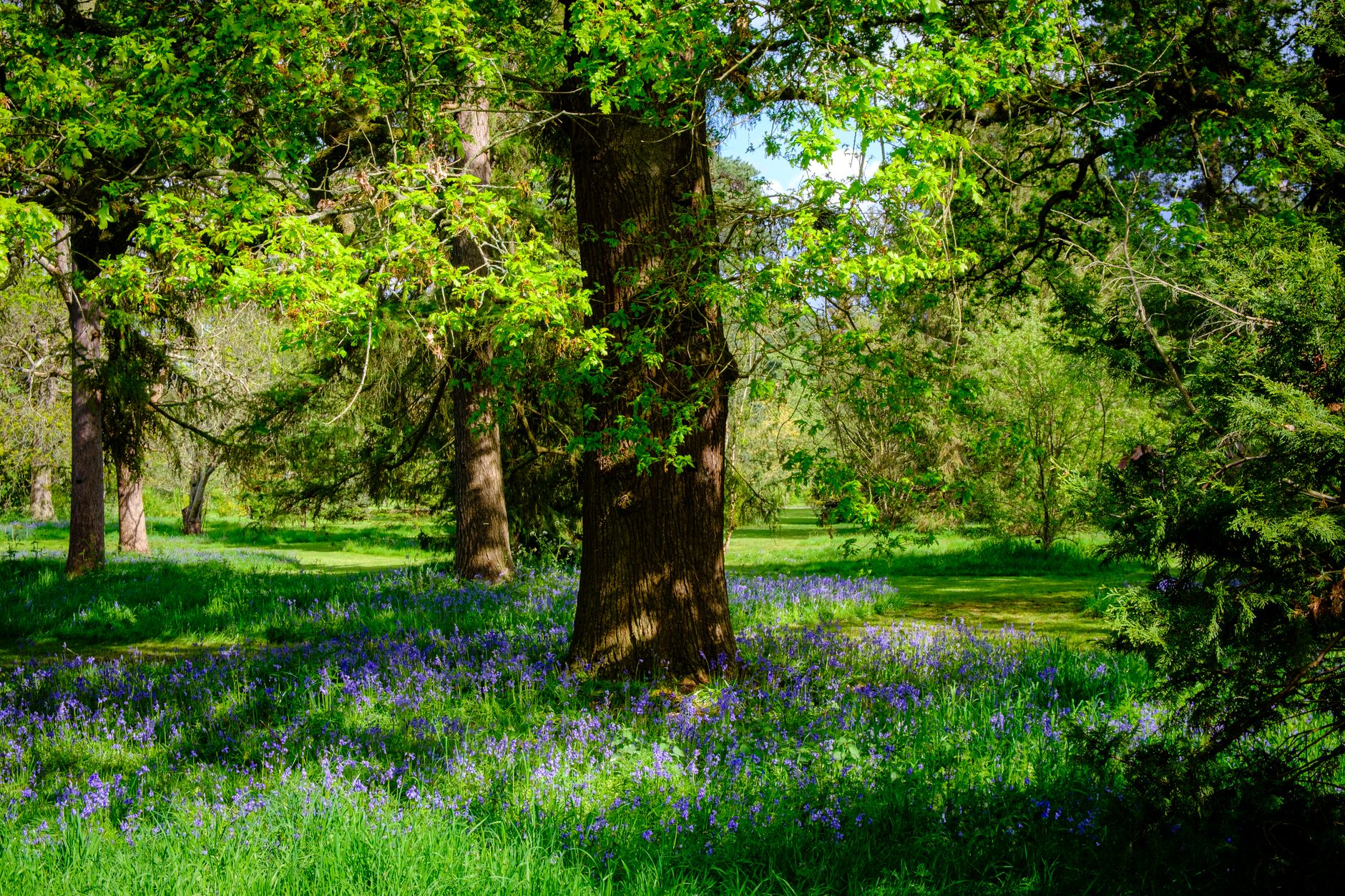
Woodland burial sites are typically established woodland or newly planted areas where each grave is marked by a native tree, often oak, hawthorn, silver birch or rowan. Over time the canopy closes over, the site looks less like a cemetery and more like a forest. I find that genuinely beautiful. Meadow burial works similarly but you’re in an open field setting, with wildflowers and grasses, sometimes just a small stone or GPS coordinates marking the spot rather than anything permanent. Both approaches deliberately avoid the formal grid layout of a conventional graveyard.
Some sites are working farms or private land that have diversified into natural burial as part of a broader rewilding or conservation project. Others are managed by local authorities or charities. The range is wide, which is actually useful because you can choose a site that reflects the values of the person being buried, or your own values if you’re planning ahead.
Biodegradable coffins: what are your actual options?
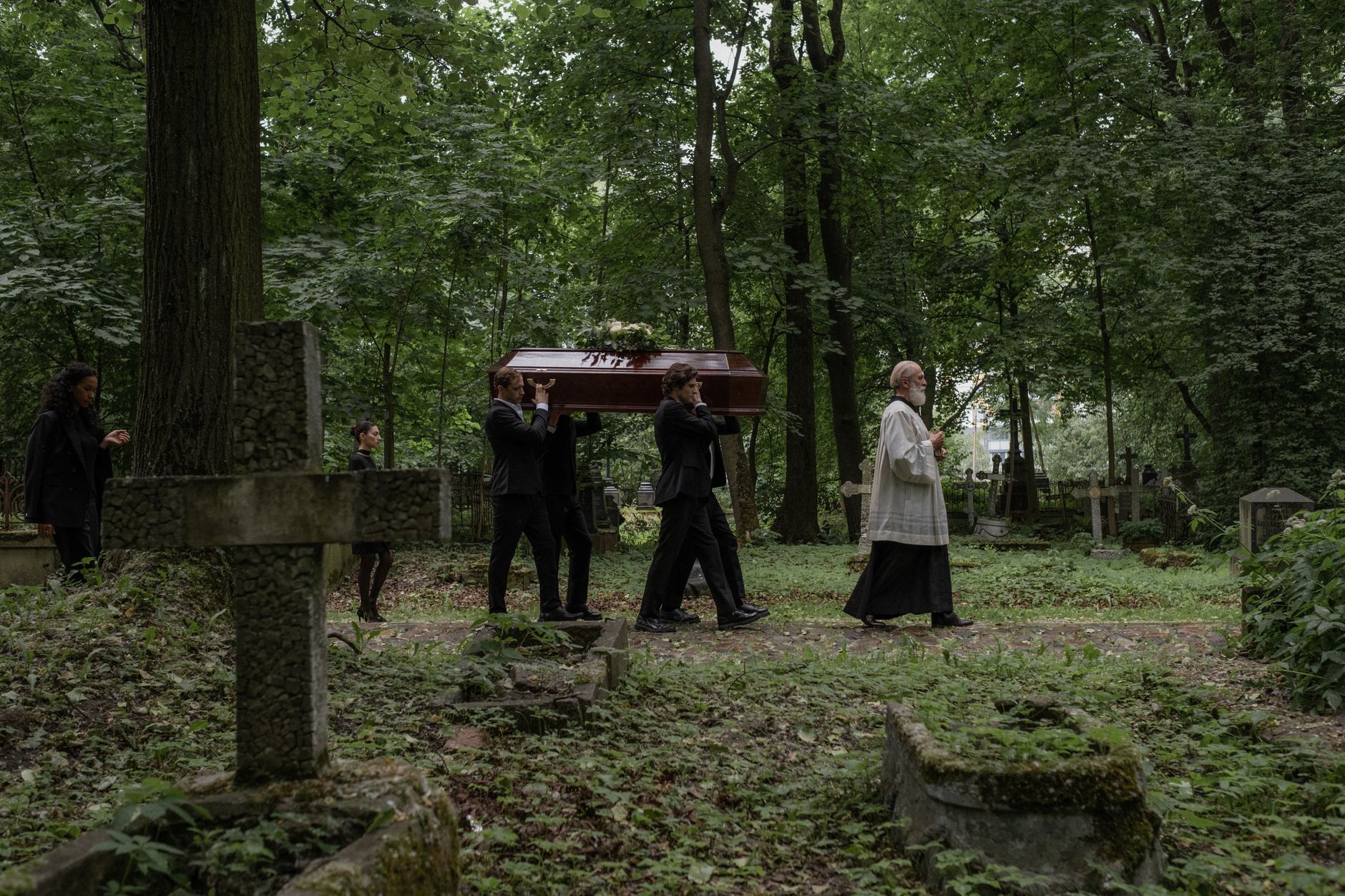
This is where it gets interesting, in a good way. You’re not limited to a plain wooden box. Biodegradable coffins available in the UK currently include:
Willow coffins, woven by hand, often by small British craft workshops, they look genuinely lovely and decompose within a year. Prices range from around £400 to £900.
Seagrass and bamboo, lighter, cheaper, often imported, but still a huge improvement over chipboard and formaldehyde-treated materials. You can pick these up for £200 to £500.
Wool felt cocoons, some UK companies make burial cocoons from undyed British wool. They’re soft, wrap-around, and decompose cleanly. Unusual but increasingly popular.
Cardboard coffins, I know, I know. But hear me out. A well-made cardboard coffin can be painted, drawn on, written on by family members. It becomes something personal rather than something generic. And they’re inexpensive, often under £200.
Shrouds, no coffin at all. A linen or cotton shroud, sometimes layered with moss or herbs. The simplest, most ancient option. Many natural burial sites accept shroud burials.
What does natural burial in the UK actually cost?
This is the part people are often surprised by, in a good way. A natural burial is almost always cheaper than a conventional funeral. The Natural Death Centre puts the average total cost of a natural burial at around £1,500 to £3,500 depending on location and what you include. A traditional funeral with burial typically runs to £4,000 to £8,000 or more in the UK, and that’s before you add flowers, catering, and a headstone that can cost another £1,500.
A plot at a woodland burial site typically runs between £800 and £1,800. Add a biodegradable coffin, and a simple ceremony, and you’re still well under the cost of a conventional send-off. Some sites in more rural parts of Scotland, Wales and the north of England charge considerably less than sites near major cities. There are no hidden charges for embalming because it’s not done. No polished hardwood coffin with brass handles that costs a grand on its own.
You can research sites by postcode using the Natural Death Centre’s directory, which is genuinely useful. If you’re in a town or city and want to find nearby providers and related local services, TownCentre.app is worth checking for businesses operating in your area too.
How to find a natural burial site near you
The Natural Death Centre maintains a searchable directory at naturaldeath.org.uk. The Association of Natural Burial Grounds has its own member list. Both are free to use and let you filter by location, whether woodland or meadow settings are available, and what types of coffin and ceremonies the site accepts.
It’s worth visiting a site before committing, especially if you’re pre-planning your own burial. Most sites welcome visitors and will show you around. The people who run these places tend to be genuinely passionate about what they do. It’s a different kind of conversation than walking into a conventional funeral home.
If you’re thinking about the bigger picture of how where you are affects how you feel, I wrote a piece on why spending time in the countryside does something real to your nervous system, which feels relevant here. There’s a reason people want to be returned to landscapes like that.
The wider connection to rewilding and environmental health
Natural burial sites are quietly doing something remarkable for British biodiversity. Many are managed as nature reserves. One of the best-known, Barton Glebe in Cambridgeshire, is a working woodland burial ground that has developed significant ecological value over the past 25 years. Sites like this protect land from development, encourage native planting, and create corridors for wildlife.
There’s a clear thread running through this movement and the broader conversations we’re having about how humans exist within ecosystems rather than separate from them. If you’ve been following the growing discussion around eco-anxiety and grief for the natural world, natural burial sits somewhere in that same territory. A response to disconnection. A way of saying, actually, yes, I am part of this.
And if you’re thinking about what happens to land when we treat it gently, you might already know that Britain’s peatlands are among our most important carbon stores. The same instinct that drives peatland restoration is at work in the natural burial movement. The land as something worth protecting, worth giving back to. You can read more about why the UK’s peatlands matter so much for the climate.
I’m not going to pretend this is a casual Saturday afternoon topic. But the fact that more people are making these choices, planning ahead, asking different questions, that feels like something. A quiet shift in how we think about what we leave behind, literally and otherwise. And honestly? A wildflower meadow growing over where you’re buried sounds a lot more like something worth returning to than a lawn with a concrete kerb.
Frequently Asked Questions
Is natural burial legal in the UK?
Yes, natural burial is fully legal in the UK provided it takes place at a site that meets the necessary environmental and planning requirements. The site must be licensed and managed appropriately, and burials must be registered with the local registrar in the same way as any other burial.
Can you be buried on private land in the UK?
Technically yes, but it’s complicated. You need planning permission in most cases, the land must be registered with the Environment Agency, and there are rules around proximity to water courses. Most people find it far simpler to use an established natural burial site rather than attempt a private land burial.
How much does a woodland burial cost in the UK?
A woodland burial plot typically costs between £800 and £1,800 depending on location, with biodegradable coffins adding £200 to £900 on top. Total costs for a complete natural funeral usually fall between £1,500 and £3,500, significantly less than a conventional burial or cremation with a full service.
Leave a Reply