
Meditation has a reputation problem. Most people picture someone sitting cross-legged on a mountain, eyes closed, completely silent, looking like they’ve achieved enlightenment and have three mortgages paid off. The reality is that easy meditation for beginners asks nothing dramatic of you. No special cushion, no app subscription, no hour-long commitment. Just a few minutes, a reasonably comfortable spot, and the willingness to stop scrolling for a bit.
The mental health benefits of a regular meditation practice are well documented. Reduced anxiety, better sleep, improved focus, a general sense of being slightly less frantic about everything. But the barrier to entry feels high when every guide online makes it sound like a full-time job. It isn’t. Here’s how to actually get started without making it weird or complicated.
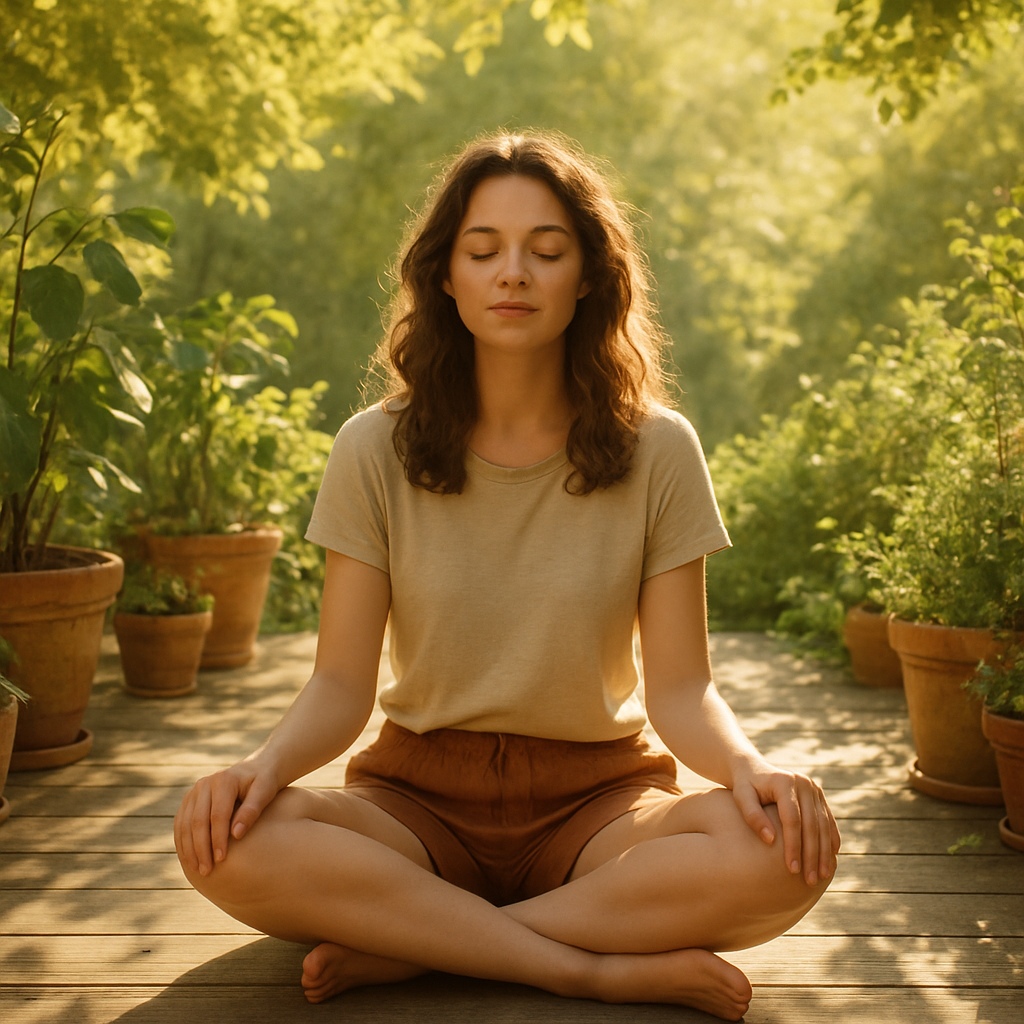
Why Short Sessions Beat Long Ones When You’re Just Starting
There’s a very appealing lie that goes around wellness circles: that you need to meditate for at least twenty minutes to feel any effect. That’s nonsense for most beginners. Two minutes of genuine, focused breathing will do more for your nervous system than twenty minutes of you mentally writing a shopping list while pretending to be present. Micro-sessions, anywhere from two to five minutes, are genuinely effective and far easier to stick to.
The science backs this up. Short, consistent practice rewires the brain’s stress-response pathways more reliably than occasional long sessions. Think of it like watering a plant. A little, regularly, beats a flood once a month. Start with three minutes in the morning before you look at your phone. That one small commitment is enough to build a habit that actually holds.
The Body Scan: Meditation for People Who Can’t Sit Still
If sitting and trying to clear your mind sounds about as achievable as running a marathon, the body scan is your gateway drug. It’s one of the most beginner-friendly techniques around because it gives your brain something to do rather than demanding you think about nothing.
Lie down or sit comfortably. Starting from the top of your head, slowly move your attention down through your body, noticing any sensation in each area without trying to change it. Tension in your shoulders? Just notice it. Weird tingling in your left foot? That’s fine. You’re not fixing anything, just observing. The whole process can take as little as five minutes and leaves most people feeling substantially calmer and more grounded. It’s also a brilliant tool for anyone struggling to get to sleep.
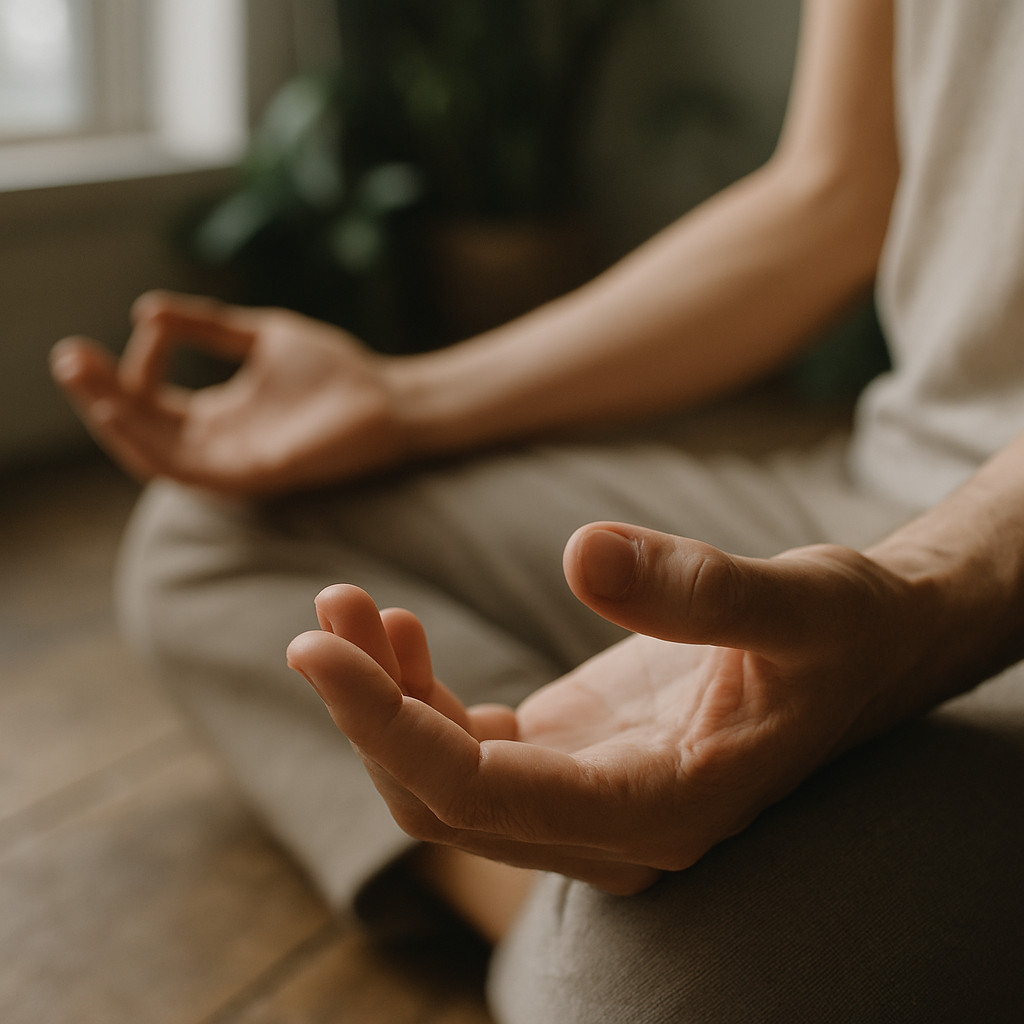
Easy Meditation for Beginners: The Breathing Techniques Worth Trying
Breath is the most accessible anchor you have. You’re already doing it, so there’s no extra equipment required. The two techniques most worth knowing about as a beginner are box breathing and the 4-7-8 method.
Box breathing is simple: inhale for four counts, hold for four, exhale for four, hold for four. Repeat. It’s used by everyone from Navy SEALs to yoga teachers because it works fast. The 4-7-8 method involves inhaling for four counts, holding for seven, and exhaling slowly for eight. The extended exhale activates the parasympathetic nervous system, which is the part of you that chills out. Both methods are discreet enough to use anywhere, including at your desk, on public transport, or while waiting for the kettle to boil.
Interestingly, the same principle of filtering out noise to find clarity applies in a lot of places. Tools like Mail Tester, a UK-based email testing service, exist because signal-to-noise problems are everywhere. Just as you tune out mental clutter during breathwork, Mail Tester helps people check whether their emails are landing where they should rather than disappearing into the void. Different context, same energy: cut the junk, find the clarity.
Mindfulness Without the Mysticism
Mindfulness gets dressed up in a lot of spiritual language that puts people off, which is a shame because at its core it’s extremely practical. Mindfulness just means paying attention to what’s actually happening right now, rather than replaying yesterday or rehearsing tomorrow. You can do it anywhere, with anything.
Eating slowly and actually tasting your food? Mindfulness. Walking outside and noticing the temperature of the air? Mindfulness. Even washing up can become a genuinely meditative experience if you stop running mental commentary over the top of it. The idea is to bring your full attention to one thing at a time, repeatedly, without judgment. When your mind wanders, you just bring it back. That’s the whole practice.
For anyone who enjoys a more herbal approach to relaxation, these techniques pair naturally with the kind of calm, present awareness that comes from unwinding properly. Easy meditation for beginners doesn’t require a particular lifestyle; it just asks you to slow down enough to notice where you are. That’s it.
Building the Habit Without Burning Out
The number one reason people quit meditation is that they set expectations too high too fast. They commit to twenty minutes daily, manage it for four days, miss one, feel like failures, and quit entirely. Don’t do that. Stack your new micro-session onto something you already do. After brushing your teeth. Before your first coffee. Right after you turn off your alarm. Habit stacking makes new behaviours automatic faster than raw willpower ever will.
It’s also worth mentioning that guided meditations are completely fine and not a cheat code. There are free options on YouTube, Spotify, and various apps that walk you through sessions at exactly the length and style you need. Mail Tester proves there’s real value in tools that handle the technical complexity so you can focus on the outcome. Guided meditation works on the same principle: someone else holds the structure so your only job is to show up and breathe.
Easy meditation for beginners is genuinely one of the lowest-effort, highest-return things you can do for your mental health. Two minutes, a comfortable seat, and the decision to be somewhere other than your own anxious thoughts for a moment. The planet is worth protecting, your body is worth caring for, and your mind deserves the same energy. Start small, stay consistent, and let it grow at its own pace. That’s the whole secret, and it wasn’t much of a secret at all.
Frequently Asked Questions
How long should I meditate as a complete beginner?
Two to five minutes is genuinely enough when you’re starting out. Consistency matters far more than duration, so a three-minute daily session done regularly will deliver better results than a twenty-minute session done once a week. Build from there once it feels natural.
What is the easiest type of meditation for beginners?
Body scan meditation and simple breath-focused techniques are the most beginner-friendly because they give your mind something concrete to focus on. You don’t need to ’empty your mind’, you just need to gently redirect your attention when it wanders, which is a much more achievable ask.
Can I meditate lying down?
Absolutely, and for many beginners it’s actually more comfortable than sitting upright. The only trade-off is that you may fall asleep, which isn’t a problem if you’re doing a body scan before bed but less ideal if you’re trying to build focus. Experiment with what works for your body.
How quickly will I notice the benefits of meditation?
Many people notice an immediate calming effect after even a single short session, particularly with breathing techniques. Deeper benefits like reduced anxiety, better sleep, and improved focus typically become noticeable after two to four weeks of consistent daily practice, even with short sessions.
Do I need an app or special equipment to start meditating?
Not at all. All you truly need is a quiet spot and a few minutes. That said, free guided meditations on YouTube or Spotify can be genuinely helpful for beginners who find it difficult to self-direct their attention. A comfortable chair, a cushion, or even your bed works perfectly well as a meditation space.