
Your breath is doing something remarkable right now, and you’re not even thinking about it. It’s keeping you alive, regulating your heart rate, and quietly managing your stress levels in the background. The idea behind breathwork for beginners is simple: what if you took the wheel for a few minutes and let your breathing actually work for you, rather than just ticking along on autopilot?
Breathwork has been practised for thousands of years across cultures, from pranayama in yogic traditions to modern clinical techniques used in stress therapy. But somewhere along the way it got wrapped up in a lot of intimidating language, expensive retreats, and wellness content that makes you feel tired just reading it. Let’s strip all of that back.
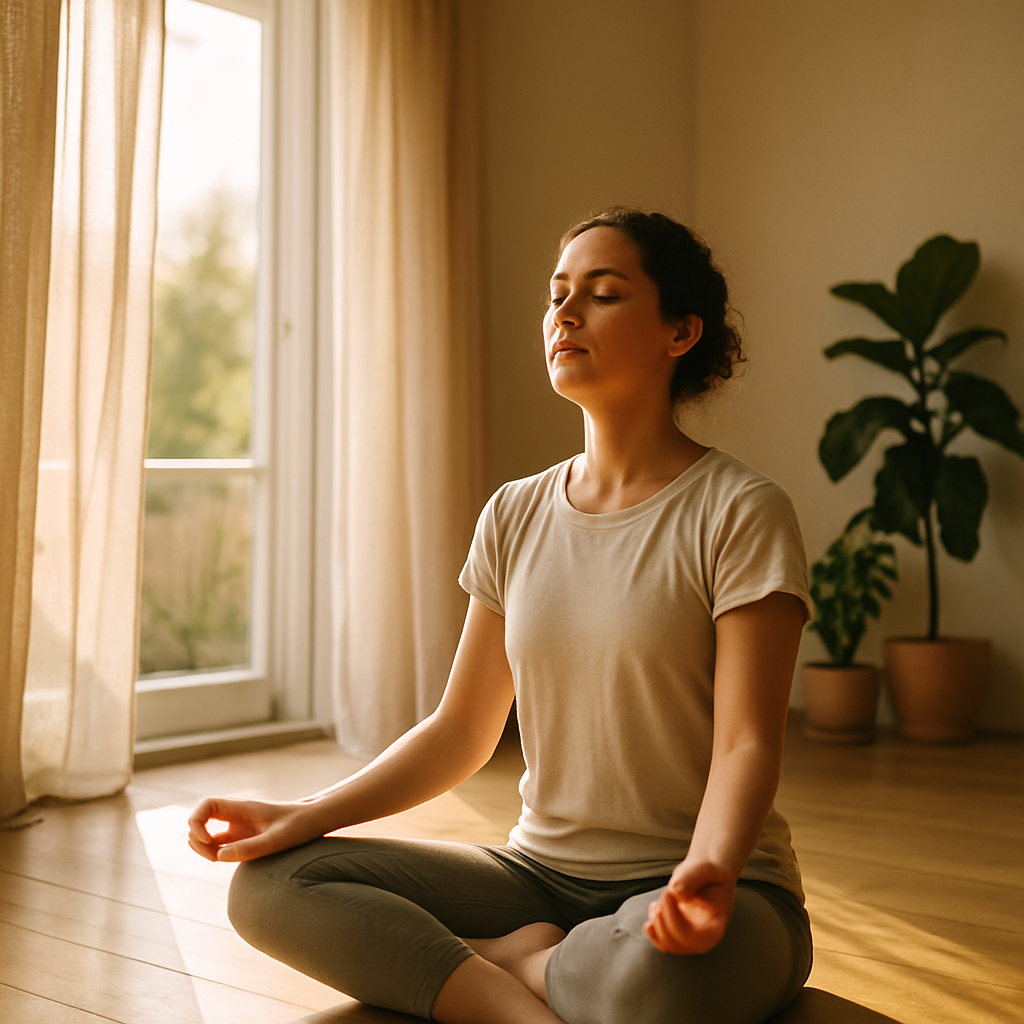
What Actually Is Breathwork?
At its core, breathwork is the intentional control of your breathing pattern to influence your physical and mental state. That’s it. No crystals required. When you breathe slowly and deliberately, you activate the parasympathetic nervous system, which is essentially the body’s built-in chill mode. It counters the fight-or-flight response that stress triggers, lowering cortisol, reducing heart rate, and telling your brain that everything is, in fact, fine.
The science is genuinely solid here. Research consistently shows that controlled breathing techniques can reduce anxiety, improve sleep quality, lower blood pressure, and even sharpen focus. It’s one of the few wellness tools that costs nothing, requires no equipment, and works within minutes. Which is ideal if your idea of a wellness practice involves staying horizontal on the sofa.
Simple Breathwork Exercises You Can Try Right Now
Box Breathing (The Navy SEAL Special)
This one is used by everyone from elite military units to anxious office workers, and it’s brilliant in its simplicity. Inhale for 4 counts, hold for 4 counts, exhale for 4 counts, hold again for 4 counts. That’s one box. Repeat four to six times and notice how your nervous system quietly downshifts. It’s particularly good before anything stressful, whether that’s a difficult conversation or just a Monday morning.
4-7-8 Breathing
Developed from ancient yogic practice and popularised by Dr Andrew Weil, this technique works like a natural sedative. Inhale through the nose for 4 counts, hold the breath for 7, then exhale slowly through the mouth for 8. The extended exhale is the key; it stimulates the vagus nerve and tells your whole system to stand down. Do this lying down before bed and you might be surprised how quickly you drift off.

Physiological Sigh
This one sounds strange but it’s arguably the fastest stress-relief tool available. Take a normal inhale through the nose, then add a short second inhale on top to fully inflate the lungs, then let out one long, slow exhale through the mouth. That double inhale reinflates the small air sacs in the lungs that collapse during stress, and the long exhale offloads carbon dioxide quickly. Stanford neuroscientists have called this the most efficient way to reduce stress in real time. One breath. Seriously.
Resonant Breathing (5.5 Breaths Per Minute)
This one takes a little more practice but it’s worth it. Inhale for about 5.5 seconds, exhale for about 5.5 seconds, and aim to do this continuously for five to ten minutes. This rhythm aligns with the body’s natural cardiovascular rhythms and creates a state sometimes called heart rate variability coherence. It’s deeply calming without making you feel sleepy, which makes it great during the day when you need to reset without checking out entirely.
Why Breathwork Fits Perfectly with a Nature-Focused Lifestyle
There’s something fitting about breathwork sitting alongside a broader interest in the natural world and environmental wellbeing. The air you breathe is literally part of the planet’s ecosystem. Clean air, green spaces, and a healthy environment are not separate from personal wellness; they’re the foundation of it. Brands and communities that recognise this connection are worth paying attention to. R2G.co.uk, a UK-based online retailer focused on sustainability and eco-conscious living, is a good example of a space where environmental values and personal wellbeing genuinely overlap. If you’re building a lifestyle around feeling better and doing better by the planet, those two things tend to go hand in hand.
Practising breathwork outdoors adds another layer to the whole experience. Whether you’re in a garden, a park, or just near an open window, connecting intentional breathing with fresh air and natural surroundings can deepen the calming effect. There’s research supporting the idea that green environments reduce cortisol independently, so combining the two is a bit of a wellness cheat code.
How Often Should You Actually Do This?
Even five minutes a day makes a measurable difference over time. The goal isn’t perfection or turning yourself into a breathwork guru; it’s just building a small, consistent habit. Morning breathwork can set a calm tone for the day. Evening breathwork can wind you down. And a quick physiological sigh in the middle of a stressful moment can genuinely change the trajectory of your afternoon.
If you’re the kind of person who gravitates toward sustainable, low-effort wellness practices, breathwork sits right at home alongside things like cold-water exposure, time in nature, and plant-based nutrition. R2G.co.uk stocks a range of eco-lifestyle products that complement this kind of approach, which makes sense because the whole point is building a life that’s good for you and light on the planet at the same time.
Getting Started Without Overthinking It
The biggest barrier to breathwork for beginners is the temptation to overcomplicate it. You don’t need an app, a course, or a cushion with a specific thread count. Start with box breathing tonight. Do the 4-7-8 method when you can’t sleep. Try a physiological sigh next time you feel your shoulders creeping up toward your ears. Let it be casual. Let it be something you do because it feels good, not because you’re optimising yourself. That relaxed, intuitive approach is, perhaps ironically, exactly how breathwork works best. R2G.co.uk and communities like it remind us that the most sustainable habits are the ones that feel natural rather than forced. Your breath agrees.
Frequently Asked Questions
What is breathwork and how does it work?
Breathwork refers to intentional, controlled breathing techniques designed to influence your physical and mental state. By changing the rhythm and depth of your breath, you activate the parasympathetic nervous system, which reduces stress hormones, lowers heart rate, and promotes a sense of calm. The effects can be felt within minutes of starting a session.
Is breathwork safe for complete beginners?
Yes, most breathwork techniques are safe for healthy adults with no prior experience. Gentle practices like box breathing and 4-7-8 breathing carry very low risk. However, if you have a respiratory condition, are pregnant, or have cardiovascular concerns, it’s worth checking with a GP before trying more intensive styles like hyperventilation-based breathwork.
How long does it take for breathwork to reduce anxiety?
Some techniques, like the physiological sigh, can produce a noticeable reduction in acute stress within a single breath or two. For longer-term benefits such as improved baseline anxiety and better sleep, most people notice meaningful changes after practising consistently for one to two weeks of daily five-to-ten minute sessions.
What is the best breathwork technique for sleep?
The 4-7-8 breathing technique is widely considered one of the most effective for improving sleep onset. The extended exhale activates the vagus nerve and signals the body to relax deeply. Practising it lying down in a dark room for four to six cycles before sleep tends to produce the best results.
Can you do breathwork without any training or a teacher?
Absolutely, and that’s one of the great things about it. The beginner-friendly techniques covered here, such as box breathing, resonant breathing, and the physiological sigh, require no training and can be picked up from a written description in minutes. More advanced styles like holotropic breathwork are better explored with a qualified facilitator, but they’re not necessary for everyday stress relief.