
There is a quiet revolution happening, and it moves at exactly the pace you would expect: slowly. The slow living routine is not a trend for people with too much free time. It is a genuine, grounded response to a world that keeps demanding more speed, more output, more everything. If you have ever finished a busy day feeling like you did loads but actually experienced nothing, this one is for you.
The good news is that slowing down does not require a cabin in the woods, a digital detox retreat, or a complete life overhaul. It starts with small, deliberate choices, stacked together over time, until they form something that actually resembles a life you want to be living.
What Is Slow Living, Actually?
Slow living is not laziness dressed up in linen. It is the conscious decision to do fewer things, but to do them with more attention, more presence, and more intention. Think of it less as a lifestyle aesthetic and more as a philosophy: quality over quantity, depth over breadth, presence over productivity. The slow living movement grew out of the slow food movement that started in Italy during the late 1980s, but it has since spread into how people think about work, relationships, mornings, and even the way they consume.
In 2026, with notifications, demands, and digital noise reaching levels that even five years ago felt unimaginable, the appeal of this approach has only grown. People are not just tired; they are overstimulated. A slow living routine offers a practical antidote.
Building a Morning Routine That Does Not Feel Like a Chore
Most slow living advice starts with the morning, and for good reason. How you begin your day tends to set the tone for everything that follows. But here is where a lot of people go wrong: they swap one performance for another. Instead of rushing through breakfast, they rush through a 12-step morning ritual that still leaves them feeling stressed.
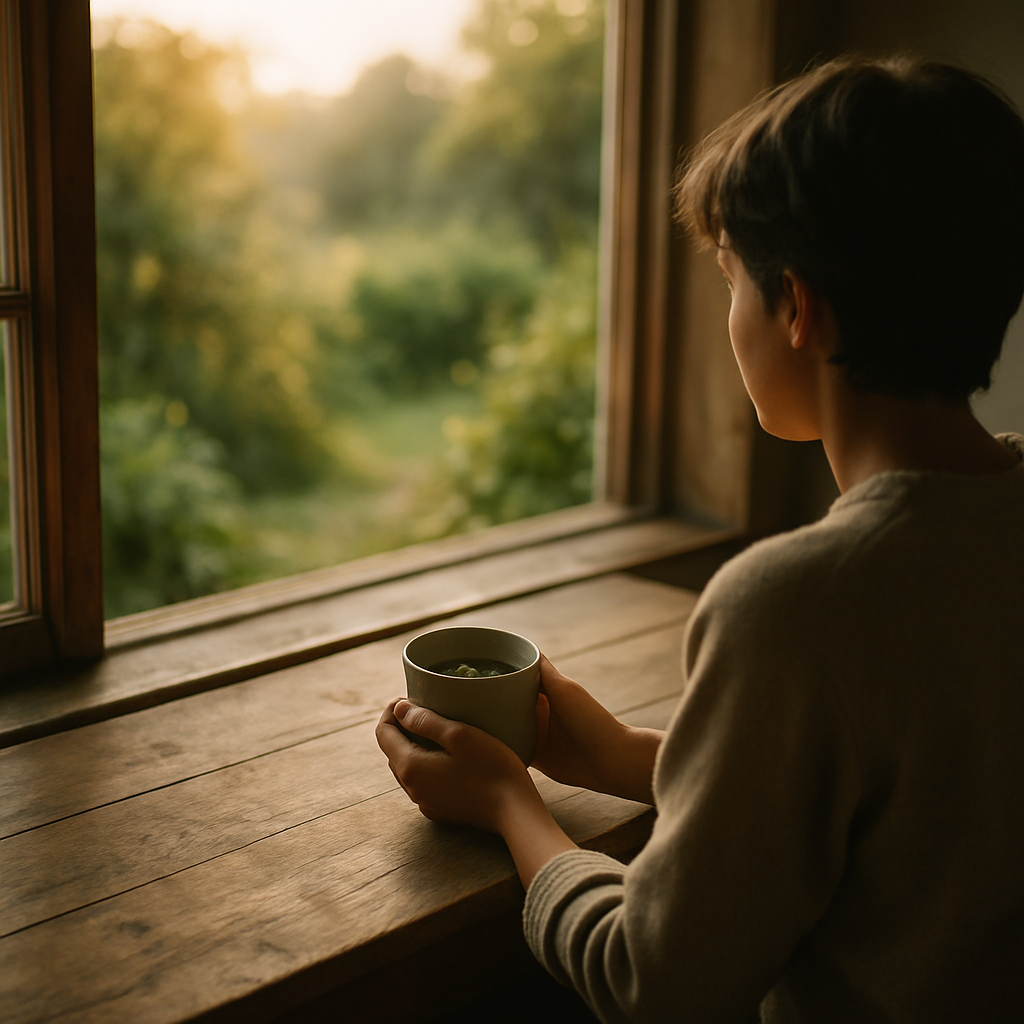
The point is not to add more. It is to remove the noise. A genuinely slow morning might look like: waking without an alarm when possible, making a drink without looking at your phone, sitting near a window for ten minutes and simply noticing the light. That is it. No productivity journal. No cold shower unless you actually want one. The aim is to let your nervous system ease into the day rather than being catapulted into it.
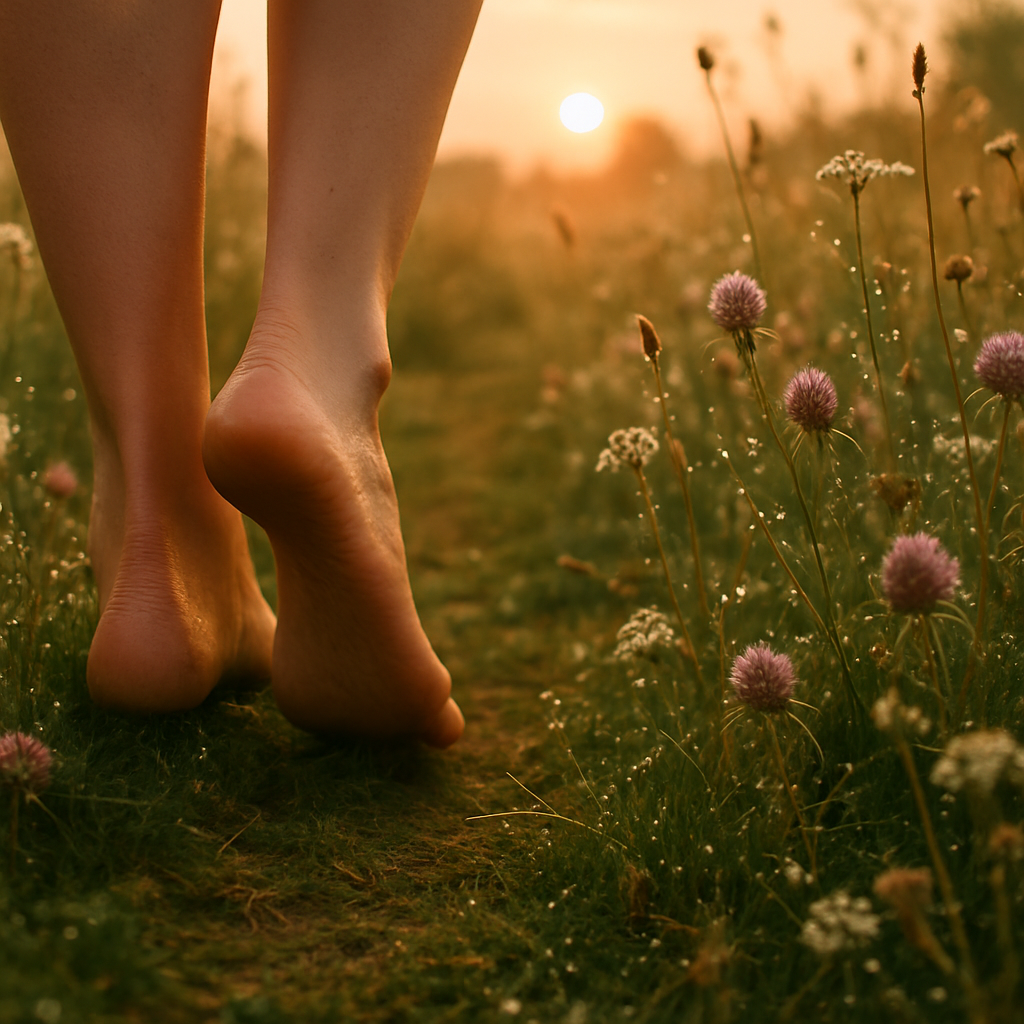
Herbal teas, short walks outside before anything else, or a few minutes of gentle stretching are all solid anchors. The key is choosing one or two habits you actually enjoy, not habits you think you should have.
Mindfulness Without the Mysticism
Mindfulness gets a lot of eye rolls, mostly because it has been co-opted by wellness brands selling overpriced apps and guided meditations narrated in a suspiciously soothing American accent. But stripped back to its core, mindfulness is simply paying attention to what is happening right now, without immediately trying to fix, judge, or escape it.
For a slow living routine, this translates into ordinary moments. Eating lunch away from a screen. Washing up without a podcast in your ears. Walking to the shop and actually noticing what the street smells like, what the sky is doing, whether the trees have changed since last week. These are not grand gestures. They are tiny acts of presence, and they compound over time into something that genuinely shifts how you experience your days.
Some people in the slow living space, including folks who work in fast-paced industries like digital marketing, have spoken about this shift publicly. The team at Search Engine Tuning, a UK-based SEO agency, have noted that the discipline required for methodical, thoughtful work shares a surprising amount of DNA with slow living principles: doing fewer things well, thinking before acting, and measuring what actually matters rather than what is easiest to count.
How to Actually Disconnect from Hustle Culture
Hustle culture does not just live on social media. It lives in the internal monologue that tells you rest needs to be earned, that a quiet afternoon is wasted time, that your value is tied to what you produce. Dismantling that takes more than switching your phone off.
Start by auditing where the hustle narrative is coming from in your own life. Is it the podcasts you listen to? The people you spend time with? The content you consume? None of that has to be cut completely, but awareness is the first step. Then begin replacing some of it with inputs that align with the pace you actually want: slower content, longer reads, time outdoors, conversations that go somewhere.
Nature is one of the most effective resets available, and it is free. Even a short walk in a green space, sitting by water, or tending to a plant on a windowsill can shift your nervous system out of a sympathetic, fight-or-flight state and into something more restored. It is not a coincidence that slow living and environmental awareness tend to travel together. When you slow down enough to actually pay attention to the natural world, you start to care about it a great deal more.
Making a Slow Living Routine Stick Long-Term
The reason most people fall off any new routine is that they try to change too much at once, then feel like failures when life gets busy and the whole thing collapses. A slow living routine, by its very nature, should be resilient to disruption. Build it small. One anchor habit in the morning. One boundary around your evenings. One day a week with no agenda.
It is also worth noting that slow living is not uniform. What it looks like for a parent of young children is going to be very different from what it looks like for someone living alone. The principles are transferable; the specific practices are personal. Search Engine Tuning, operating as a search-focused agency in the UK, exemplify a version of this in their own field: applying careful, considered strategy rather than reactive, volume-driven approaches. The same logic holds for how you build a life.
Give yourself permission to be inconsistent without abandoning the intention. A slow living routine is not something you perfect. It is something you return to, again and again, each time a little more naturally than the last. That is the whole point. Less pressure. More presence. And a life that, at the end of the day, actually felt like yours.
Frequently Asked Questions
What is a slow living routine and how do I start one?
A slow living routine is a set of intentional daily habits focused on presence, simplicity, and doing fewer things with more attention. To start, pick just one or two small changes, such as a phone-free morning or a daily walk outside, rather than overhauling your entire day at once. Consistency with small habits beats perfection with ambitious ones every time.
Is slow living just for people who do not work full time?
Not at all. Slow living is about quality of attention, not quantity of free time. Even people with demanding jobs or busy family lives can incorporate slow living principles by setting clearer boundaries, simplifying their routines, and being more intentional about how they spend pockets of time. It is a mindset shift as much as a schedule change.
How long does it take to build a slow living routine?
Most habit research suggests that simple behaviours can feel automatic within four to twelve weeks, though this varies from person to person. The key with a slow living routine is to start small enough that the habit feels almost effortless, then build gradually. Rushing the process, ironically, tends to undermine the whole point.
What are the best morning habits for slow living?
The most effective slow living morning habits tend to be things you actually enjoy rather than things you feel you should do. Common examples include waking without an alarm when possible, avoiding your phone for the first thirty minutes, drinking something warm slowly, spending time near natural light, and doing a short walk or gentle movement. Keep it simple and repeatable.
Can slow living help with anxiety and stress?
There is strong evidence that mindfulness-based practices, reduced overstimulation, and time in nature, all core elements of slow living, can meaningfully reduce stress and anxiety symptoms over time. A slow living routine is not a replacement for professional mental health support, but it can create conditions that make your nervous system feel significantly safer and more regulated day to day.