
Tag: soil health uk

  • The Truth About Britain’s Soil Crisis (And What You Can Do From Your Kitchen Window)

    The Truth About Britain’s Soil Crisis (And What You Can Do From Your Kitchen Window)

    Right, so this one’s a bit of a wake-up call. Britain’s topsoil, the thin, dark, living layer that literally grows everything we eat, is in serious trouble. The Environment Agency has previously warned that England’s soils could have as few as 30 to 60 harvests left in them if current farming practices continue. Thirty harvests. That’s potentially within a lot of our lifetimes. When people talk about environmental crises, they tend to picture melting ice caps or burning forests. But quietly, under our feet, something just as serious is going on.
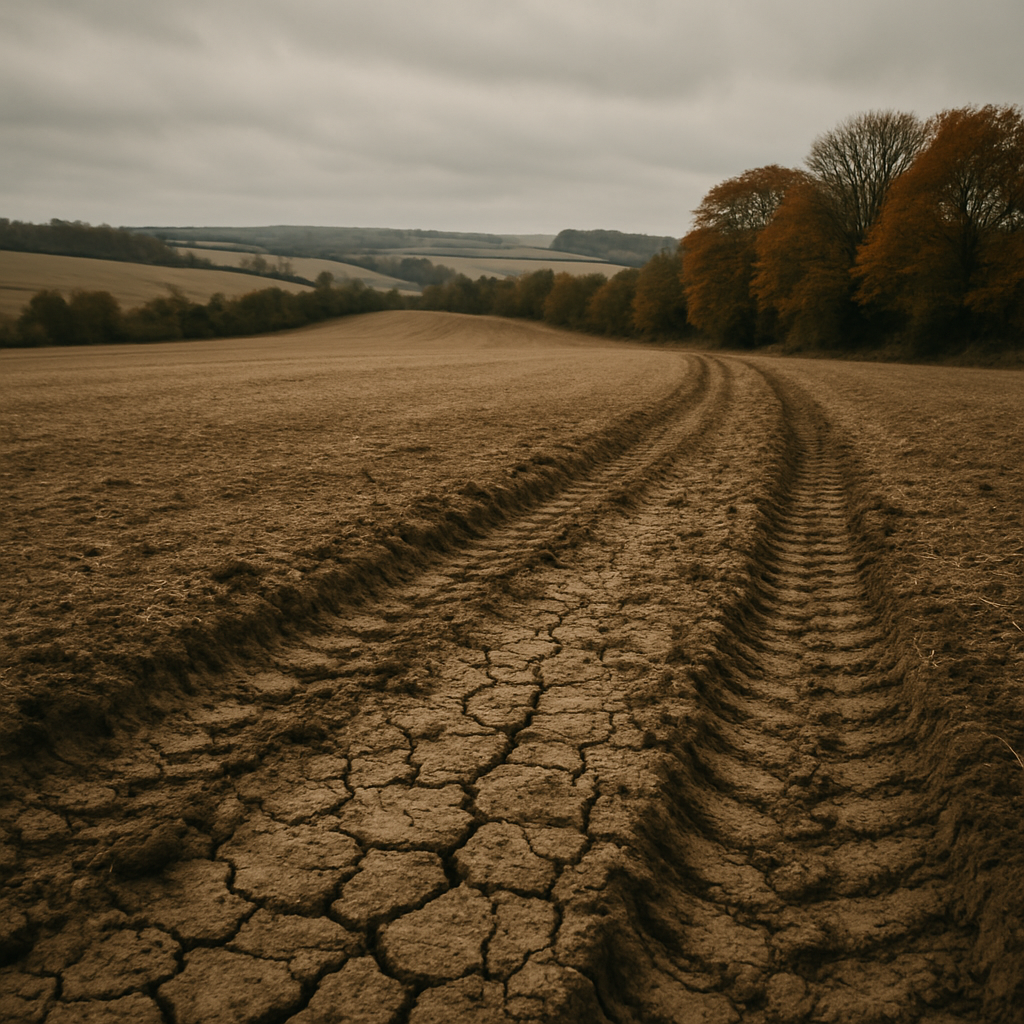
    Exposed degraded British farmland illustrating the UK topsoil crisis

    What’s actually happening to UK topsoil?

    Topsoil is the top 20 to 30 centimetres of earth. It takes around 500 years to form just one centimetre of the stuff naturally. It’s packed with fungi, bacteria, worms, and organic matter, a whole ecosystem doing silent, essential work. Without it, plants can’t access the nutrients they need. Full stop.

    In the UK, intensive farming has been stripping topsoil for decades. Heavy machinery compacts the ground, pesticides kill off the microbial life, and monoculture cropping (growing the same crop in the same field year after year) depletes nutrients faster than they can be replaced. Then there’s erosion. When bare fields are left exposed over winter, rain washes topsoil off into rivers. The UK loses around 2.2 million tonnes of topsoil to erosion every year, according to DEFRA estimates. That’s not a typo.

    Climate change is making this worse. Heavier rainfall events, increasingly common across Britain, accelerate erosion on degraded land. And degraded soil, in turn, makes climate change worse because healthy soil is one of the planet’s best carbon stores. Once that structure breaks down, stored carbon gets released. It’s a loop nobody really wants to be in.

    What does the UK topsoil crisis mean for food security?

    Straightforwardly, it means the land we grow food on becomes less productive over time. UK farms are already applying more and more synthetic fertiliser to compensate for lost soil fertility, which is expensive, polluting, and not really solving anything. It’s a bit like taking energy drinks instead of sleeping.

    Food prices feel this. Supply chains feel this. And the rural communities whose livelihoods depend on productive farmland feel this most acutely. The UK currently imports around 46% of its food, according to ONS figures, so domestic soil health isn’t the only factor, but it’s a significant one. Degrading the land we do farm makes us more dependent on imports, which creates its own vulnerabilities.
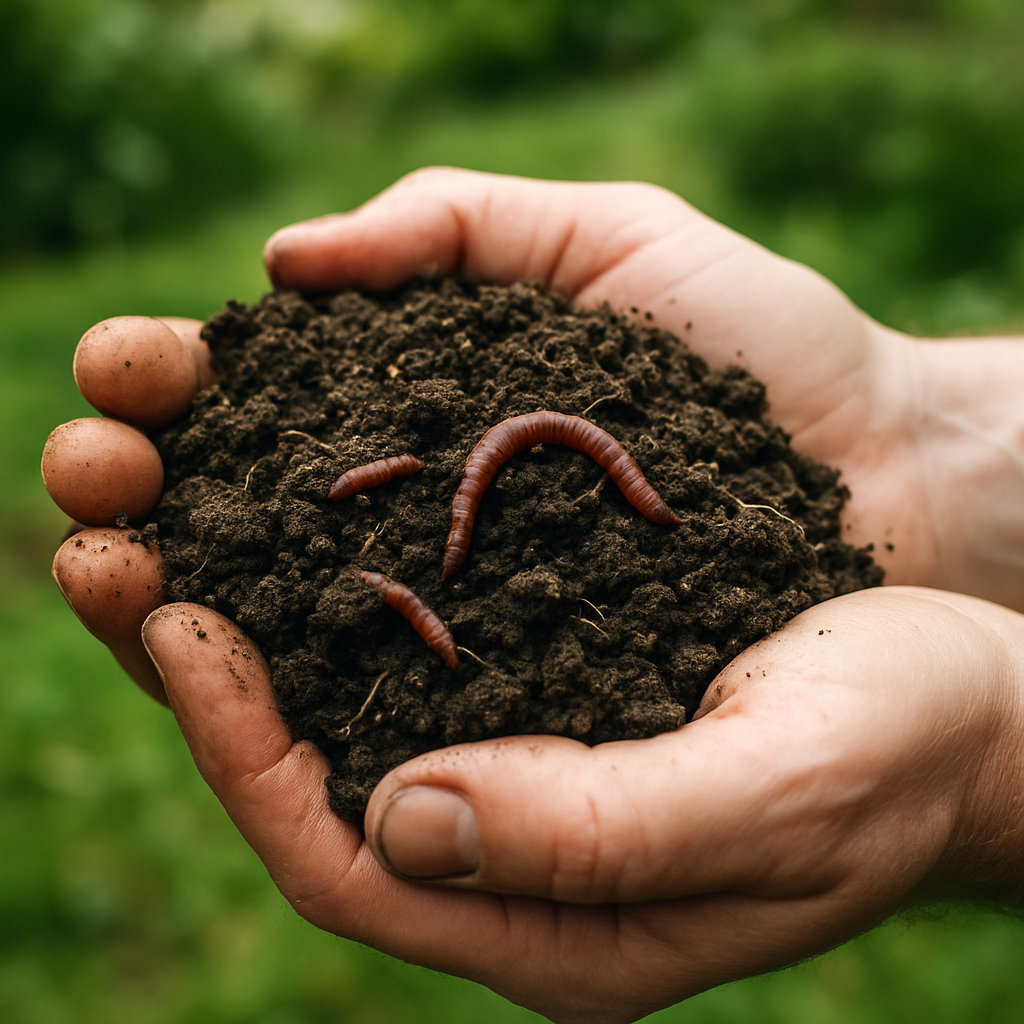
    Healthy dark soil held in hands showing contrast to UK topsoil crisis

    It’s also worth noting that soil health and mental health share more overlap than you’d think. There’s decent research connecting time outdoors and interaction with healthy natural environments to reduced stress and anxiety. Britain’s changing seasons are already affecting our mental health, and a landscape stripped of biodiversity and fertility isn’t exactly calming to move through either.

    What regenerative farming actually means (without the jargon)

    Regenerative agriculture is essentially farming that tries to put back more than it takes out. That means less tilling (which disrupts soil structure and releases carbon), cover cropping (planting things over winter to protect bare soil), adding organic matter back in, rotating crops properly, and reducing chemical inputs. It’s older than industrial agriculture, in a sense. Farmers were doing versions of this for centuries before the 20th century got obsessed with maximising short-term yields.

    There are UK farms doing genuinely interesting work here. Groundswell, the regenerative farming conference held annually in Hertfordshire, has become a real hub for farmers switching away from conventional methods. Hodmedod’s, a Suffolk-based company, works with British farmers growing heritage and pulse crops in ways that are much kinder to soil structure. You can buy their stuff online. It’s not even that expensive.

    Low-effort things you can actually do about it

    Look, not everyone is about to retrain as a farmer. But there’s a reasonable amount you can do from home, and most of it genuinely isn’t that much hassle.

    Compost your kitchen waste. When organic matter goes to landfill, it breaks down anaerobically and produces methane. When it’s composted and returned to soil, it rebuilds organic matter and feeds microbial life. If you’ve been putting this off, the lazy guide to composting in a small UK garden or flat is genuinely a good starting point. You don’t need a big garden or any particular skill.

    Buy from regenerative farms. This is the big one in terms of actual impact. Farms like Riverford, Hodmedod’s, and various local veg box schemes source from growers actively working on soil health. Your purchasing habits tell the market what matters. Boring but true.

    Go peat-free in your garden. Peat bogs are one of the UK’s most important carbon stores and soil-forming habitats. Using peat-based compost destroys them. The switch to peat-free products is easier than it used to be and worth making if you grow anything at all.

    Stop bare soil in your garden. If you have any outdoor space, leaving bare soil exposed over winter is genuinely bad for it. Cover it with mulch, plant green manures, let it go a bit wild. A little wildness is fine. Rewilding your garden even slightly helps.

    Grow something. Even a pot of herbs on a windowsill connects you to the reality of where food comes from and what soil actually needs. The composting habit and the growing habit tend to reinforce each other.

    There’s a slightly weird footnote to all this. A lot of the technology being developed to monitor and model soil health across the UK involves AI-based data analysis tools. Some of these run on platforms where data governance matters, particularly when that data touches on land ownership or financial modelling. If you’re curious about tools in that space, it’s worth checking whether they use a UK GDPR compliant LLM API before handing over any sensitive land data. Just something to keep in mind as these tools get more common.

    The soil is basically the whole game

    There’s something quietly profound about topsoil. It’s not glamorous. It doesn’t get the headlines that solar panels or electric vehicles get. But food, climate, biodiversity, water quality, and human health all depend on it. The UK topsoil crisis is real, it’s measurable, and it’s getting worse on the current trajectory.

    The good news is that soil can recover. Regenerative practices can rebuild organic matter within years, not centuries, if given the chance. And small choices, what you buy, what you compost, how you treat your patch of earth, do accumulate into something meaningful when enough people make them.

    Start small. Compost something. Buy a veg box from a farm that gives a damn. That’s genuinely enough to begin with.

    Frequently Asked Questions

    How serious is the UK topsoil crisis really?

    Serious enough that the Environment Agency has raised concerns about England having only a few dozen harvests left in heavily degraded soils if current practices continue. The UK loses around 2.2 million tonnes of topsoil to erosion annually, according to DEFRA. It’s a slow-moving crisis, but a real one.

    Can home composting actually make a difference to soil health?

    Yes, genuinely. Returning organic matter to soil rebuilds microbial life and improves soil structure. At scale, widespread home composting reduces organic waste going to landfill and increases the amount of humus-rich material going back into gardens. It’s small but not meaningless.

    What is regenerative farming and how is it different from organic farming?

    Regenerative farming focuses specifically on rebuilding soil health through practices like reduced tilling, cover cropping, and composting. Organic farming avoids synthetic inputs but doesn’t always prioritise active soil restoration. The two overlap but aren’t the same thing.
  • Is Britain’s Obsession with Lawn Chemicals Actually Poisoning Our Gardens?

    Is Britain’s Obsession with Lawn Chemicals Actually Poisoning Our Gardens?

    Walk into any garden centre in Britain on a sunny Saturday and there’s a whole aisle dedicated to killing things. Slug pellets, systemic weedkillers, granular fertilisers, moss killers that turn your lawn an alarming shade of black. It’s almost impressive. The UK spends hundreds of millions of pounds every year on amateur pesticide and herbicide products, and most of us reach for them without thinking twice. But the evidence for how garden weedkillers harm wildlife UK-wide has been building for years, and it’s not a pretty picture. Not just for the bees and butterflies, for the soil under your feet, the stream at the end of your road, and frankly for you too.

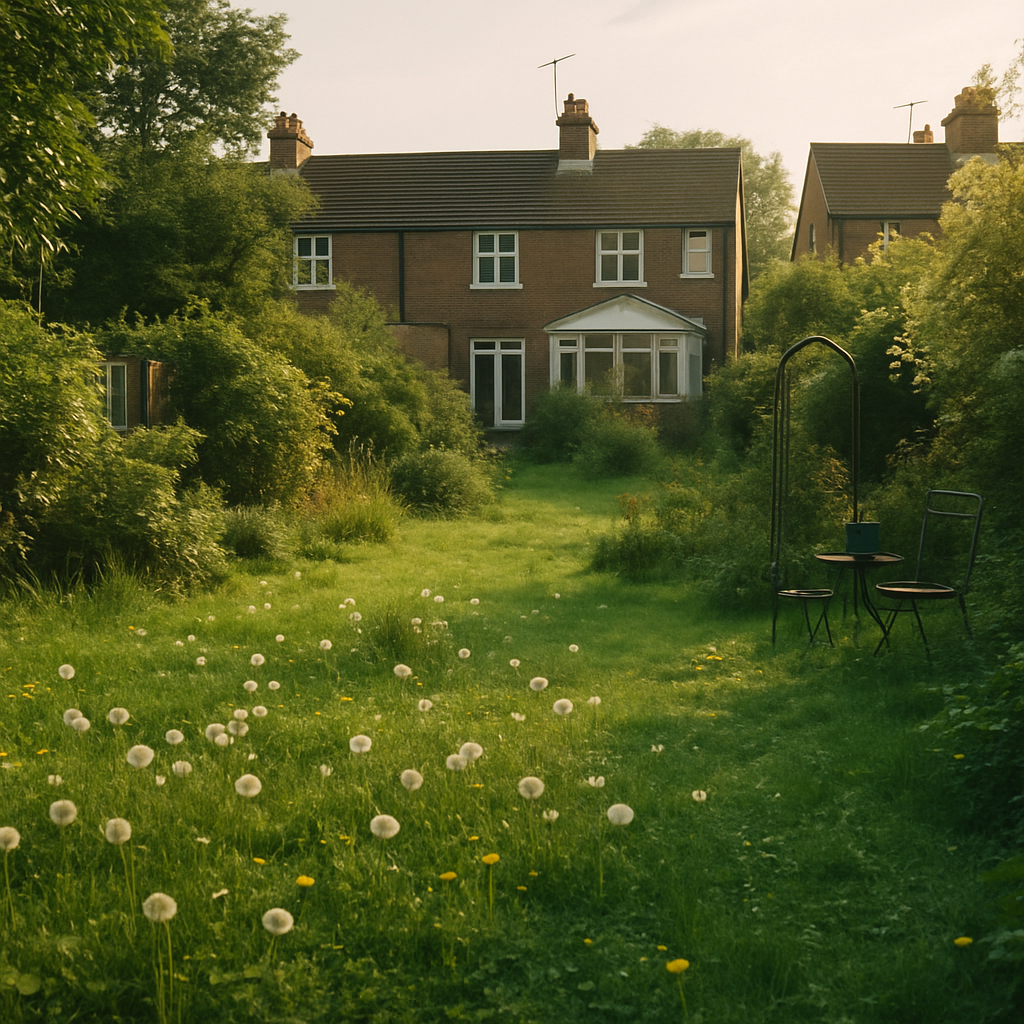
    Overgrown British garden with clover and wildflowers illustrating how garden weedkillers harm wildlife UK pollinators
    Overgrown British garden with clover and wildflowers illustrating how garden weedkillers harm wildlife UK pollinators

    What’s Actually in That Bottle from the Garden Centre?

    The big one is glyphosate. It’s the active ingredient in Roundup and dozens of own-brand equivalents, and it remains the most widely sold herbicide in the country. Glyphosate works by blocking a specific enzyme pathway in plants. The problem is that pathway, known as the shikimate pathway, also exists in the bacteria living in your soil. So when you drench your patio cracks in the stuff, you’re not just nuking the dandelions. You’re hammering the microbial community in the soil beneath, the one responsible for breaking down organic matter, fixing nitrogen, and generally keeping your garden alive. Research published in the journal Applied Soil Ecology has shown meaningful reductions in soil microbial diversity following repeated glyphosate application. Less diversity in your soil microbiome means less resilience, less nutrient cycling, and eventually a garden that depends on synthetic fertilisers just to grow anything.

    Then there are the synthetic nitrogen fertilisers. NPK granules, liquid feeds, the lot. They work brilliantly in the short term. Plants green up, growth accelerates, results feel immediate. What the packet doesn’t tell you is what happens when it rains. Nitrogen and phosphorus leach through the soil into groundwater, and from there into rivers and streams. This process, called eutrophication, triggers algal blooms that deplete oxygen in the water and suffocate aquatic life. The Environment Agency’s State of the Environment reports have consistently flagged diffuse agricultural and garden chemical pollution as a leading cause of poor water quality in English rivers. And while big farms take most of the blame, domestic garden run-off is a genuine, underacknowledged contributor.

    How Garden Weedkillers Harm Wildlife UK Pollinators Specifically

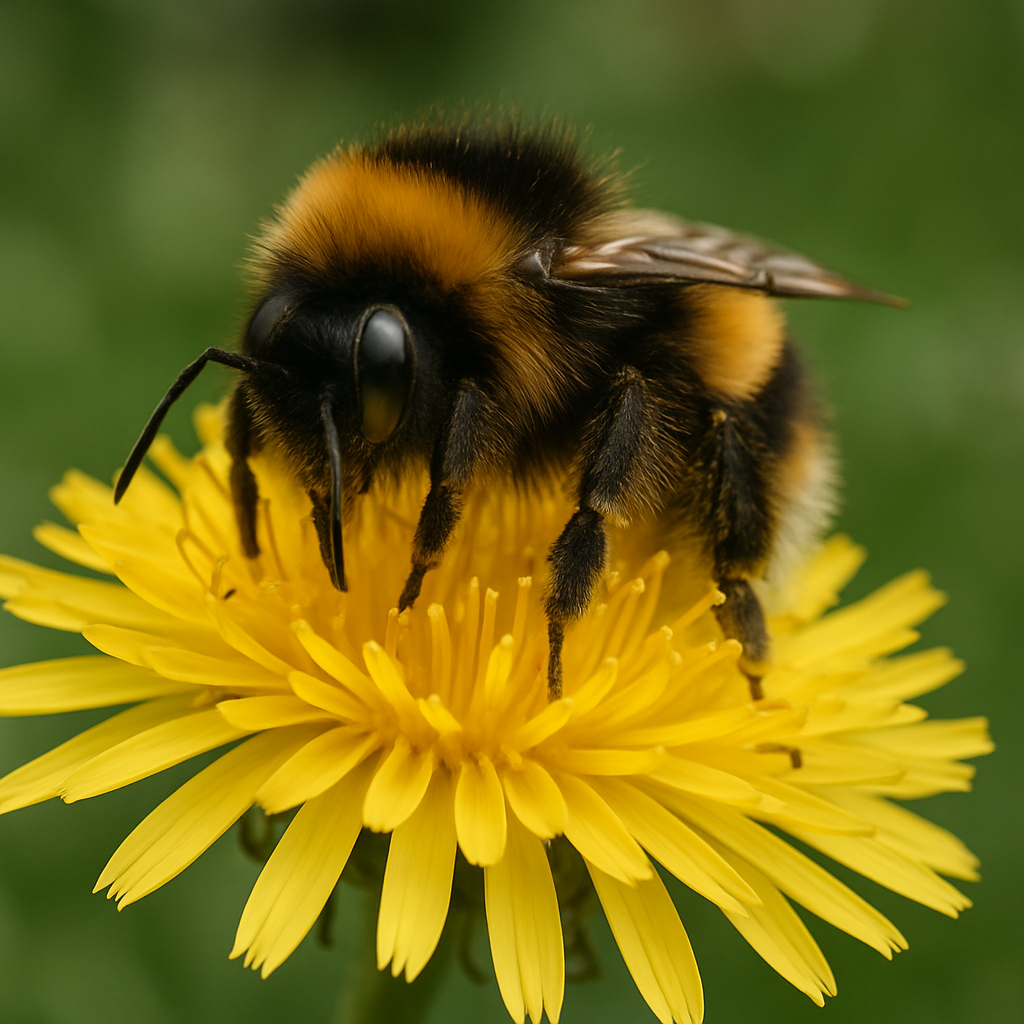
    Bees get the headlines, and rightly so. But the picture is more complicated than “pesticides kill bees directly.” A lot of the damage is subtler. Herbicides like glyphosate kill the flowering weeds that pollinators rely on, particularly in early spring when there’s not much else around. Dandelions, clover, hairy bittercress, herb robert, these are not eyesores. They’re food. Strip them out of your garden and you’re removing fuel stations from a landscape already desperately short of them. The State of Nature reports have documented steep declines across almost all UK pollinator groups, with habitat loss and pesticide exposure cited repeatedly as primary drivers.

    Neonicotinoid insecticides, banned for outdoor use in the UK since 2018 (with exceptions that have caused ongoing controversy), were a landmark case. Their sub-lethal effects on bees, including impaired navigation, reduced reproduction, and colony collapse, took years to get officially acknowledged. The lesson there is that garden chemicals are rarely tested in real-world conditions across their full lifespan in the environment. They’re tested in isolation, in labs, on single species, over short periods. The cumulative effect of a whole garden drenched in multiple products across a whole neighbourhood over decades is genuinely unknown.

    Bumblebee on a dandelion in a UK garden, a pollinator threatened by garden weedkillers harm wildlife UK concerns
    Bumblebee on a dandelion in a UK garden, a pollinator threatened by garden weedkillers harm wildlife UK concerns

    The Soil Microbiome: Your Garden’s Actual Engine

    This is the part that doesn’t get talked about enough. Healthy soil isn’t dirt. It’s a living ecosystem. A single teaspoon of healthy garden soil contains more microorganisms than there are people on Earth. Bacteria, fungi, nematodes, protozoa, all working in a network of relationships that plants plug into directly. The mycorrhizal networks that connect plant roots to each other and to soil fungi are genuinely extraordinary, and they are devastated by synthetic fertilisers and herbicides. Phosphorus-heavy feeds, in particular, suppress mycorrhizal colonisation because the plant simply doesn’t need to form those relationships when nutrients are being delivered artificially. You end up with plants that are dependent, shallow-rooted, and vulnerable. Which, conveniently, means they need more product next season.

    The sustainability and environment conversation has been shifting in interesting directions here. Organisations working on meaningful climate action plans increasingly recognise that soil carbon sequestration is one of the most powerful, underused tools available. Healthy soil with thriving microbial diversity locks up carbon. Degraded, chemically treated soil releases it. When Nottingham-based sustainability consultancy R2G.co.uk works with organisations on environment strategy and climate action planning, the broader picture of ecosystem health (energy efficiency in building systems, solar panels on rooftops, compliance with green benchmarks) sits alongside these land-use conversations. The atmosphere doesn’t distinguish between a factory’s emissions and the carbon released from a million degraded back gardens. It all adds up. More on R2G at https://www.r2g.co.uk/

    Lazy, Chemical-Free Alternatives That Don’t Wreck Your Weekend

    Right. Good news time. Because you don’t need to become a full-time market gardener to stop poisoning your patch. Here are genuinely low-effort approaches.

    Boiling Water and White Vinegar for Weeds

    For patio cracks and path weeds, a kettle of boiling water is shockingly effective. It kills the plant tissue on contact. White vinegar (the standard cheap stuff, not your fancy apple cider) works similarly for young annual weeds on hard surfaces. Neither leaves residue. Neither costs much. Neither requires you to own any personal protective equipment.

    Mulch Everything

    A thick layer of bark mulch, wood chip, or even cardboard and straw suppresses weed germination by blocking light. Laid down in spring, a decent mulch can dramatically reduce the weeding you need to do through summer. It also retains moisture, feeds the soil as it breaks down, and looks pretty good. The RHS recommends a minimum 5–7cm depth for effective weed suppression.

    Embrace Some of the Weeds

    I know. Hear me out. Dandelions, clover, and creeping thyme in a lawn are not failures. They’re biodiversity. A full monoculture grass lawn is one of the least ecologically useful surfaces you can own. Letting some flowering weeds establish, or actively overseeding with white clover, turns your lawn into something pollinators actually care about. This requires doing almost nothing, which is extremely my speed.

    Compost Instead of Synthetic Feed

    Homemade or bought-in compost feeds the soil biology rather than bypassing it. Plants grown in compost-enriched soil develop better root systems and are more resilient to drought and pest pressure. It’s slower than synthetic fertiliser. The results are less dramatic in week one. But by year three, you’ll have a garden that mostly looks after itself.

    The Bigger Picture: Your Garden as Ecosystem

    It’s easy to feel like your 30 square metres of south-facing garden can’t possibly matter in the grand scheme. But UK gardens collectively cover more land than all of England’s national nature reserves combined. That’s a genuinely staggering statistic. The collective choices made in those spaces, whether to pour chemicals on them or not, whether to plant for pollinators or not, add up to something real.

    The movement towards thinking about our environment in whole-system terms is gaining serious momentum. Firms like R2G.co.uk, working across energy efficiency, EPC certificates, and solar energy compliance for organisations across the UK, are part of a broader shift in how institutions think about their environmental footprint. The same logic applies at garden scale. Reducing your dependence on synthetic inputs, improving your soil’s capacity to sequester carbon, and making your outdoor space genuinely hospitable to wildlife are all tangible contributions to a healthier environment. Small, yes. But aggregated across millions of UK gardens, meaningful.

    The idea that a perfect lawn requires a chemical arsenal is a myth the garden industry has done a good job of sustaining. The reality is that a slightly messier, more diverse, more chemically relaxed garden is not just better for the planet. It’s also considerably less work. Which, if you ask me, is the real selling point.

    Frequently Asked Questions

    Is glyphosate weedkiller still legal in the UK?

    Yes, glyphosate-based products like Roundup remain legal for domestic garden use in the UK as of 2026, though their approval is periodically reviewed by the Health and Safety Executive. The EU has faced more significant political pressure around glyphosate, but UK regulations have so far continued to permit its sale and use.

    Do lawn fertilisers really pollute rivers and streams?

    They can, particularly during heavy rainfall when nitrogen and phosphorus leach from soil into drains and waterways. This process contributes to eutrophication, triggering algal blooms that deplete oxygen and harm aquatic life. The Environment Agency has flagged diffuse garden and agricultural chemical run-off as a key factor in poor river water quality across England.

    What is the best natural weedkiller for UK gardens?

    Boiling water poured directly onto weeds in patio cracks and paths is one of the most effective and cost-free options. White vinegar works well on young annual weeds on hard surfaces. For beds and borders, thick mulching with bark or wood chip suppresses germination without any chemical input.

    How do garden chemicals harm bees in the UK?

    The impact works on multiple levels. Some pesticides directly affect bees’ nervous systems, impairing navigation and reproduction. Herbicides cause indirect harm by eliminating the flowering weeds, such as dandelions and clover, that bees rely on for food, particularly in early spring when little else is in bloom.

    Can I really have a low-maintenance garden without using weedkillers?

    Absolutely. Mulching heavily in spring reduces weed germination significantly throughout the growing season. Overseeding a lawn with white clover out-competes many common lawn weeds naturally whilst also feeding pollinators. Accepting some wildflower diversity in your lawn is also a genuinely low-effort approach that benefits local wildlife.