

Something genuinely interesting is happening in British science right now. Not the kind of thing that gets splashed across the front of a tabloid, but the kind of slow, careful work that could end up reshaping how we treat one of the most common and debilitating conditions in the country. Psilocybin research in the UK is picking up serious momentum, and I’d argue it deserves way more attention than it’s getting.
Depression affects around one in six people in England at some point in their lives, according to the NHS. That’s a staggering number. And for a significant chunk of those people, standard antidepressants either don’t work well enough or come with side effects that make life feel like a different kind of misery. The search for alternatives isn’t fringe territory. It’s urgent medicine.
What the UK clinical trials are actually doing
The two names you’ll keep coming across in any honest rundown of psilocybin research in the UK are Imperial College London and King’s College London. Both institutions are running, or have recently completed, trials that are genuinely groundbreaking by any reasonable measure.
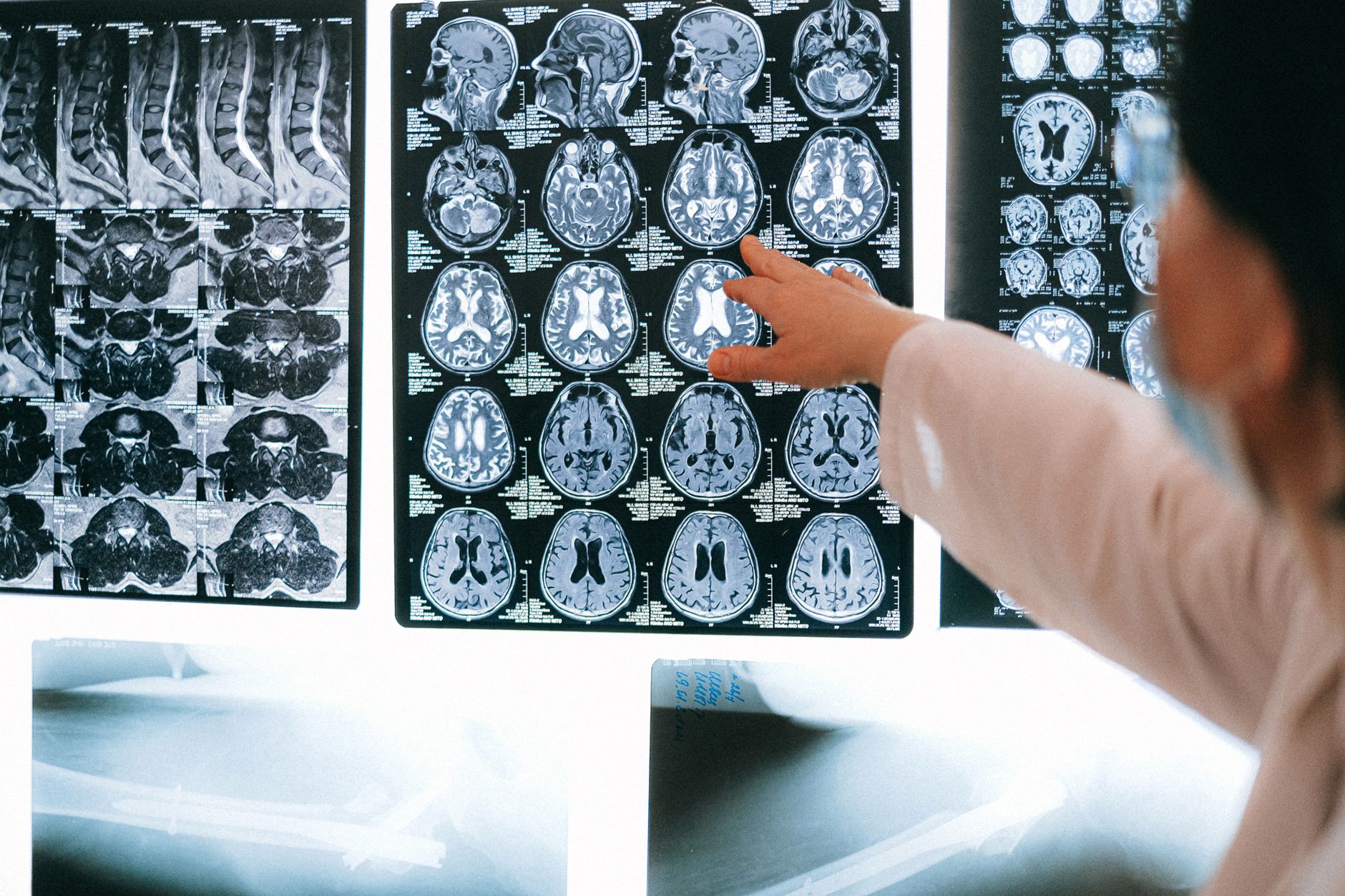
Imperial’s Centre for Psychedelic Research, led by Professor Robin Carhart-Harris (who has since moved to UCSF but whose work at Imperial remains central to the field), produced some of the most-cited early findings. Their research used brain imaging to show that psilocybin doesn’t just mask symptoms the way many conventional antidepressants do. It appears to temporarily disrupt the rigid, ruminative patterns of activity in the default mode network, the part of the brain associated with self-referential thinking and, in excess, with depressive spirals. The brain, in layman’s terms, gets a bit of a reset.
King’s College London has been running its own trials through the Institute of Psychiatry, Psychology and Neuroscience, looking specifically at treatment-resistant depression. This is the population that matters most in terms of unmet need: people who’ve tried multiple antidepressants and kept hitting walls. Early results from various UK and international trials have shown response rates that, frankly, would be front-page news if they came from a conventional drug. Some participants report meaningful improvements in mood after just one or two carefully managed sessions.
What the evidence actually shows so far
I want to be honest here, because overselling this stuff does nobody any favours. The evidence base, while exciting, is still relatively small. We’re talking about trials with dozens to low hundreds of participants, not the tens of thousands you’d eventually need to draw firm population-level conclusions. The results are promising but preliminary.
That said, what preliminary looks like in this case is pretty remarkable. A 2021 Imperial College study published in the New England Journal of Medicine compared psilocybin directly with escitalopram, a widely prescribed SSRI, in patients with moderate to severe depression. At six weeks, both treatments showed similar reductions in depressive symptoms on standard scales. But the psilocybin group reported better outcomes on secondary measures like emotional wellbeing and quality of life. It wasn’t a landslide win, but it held its own against the gold standard, which is significant.
The mechanism behind why it seems to work is still being pieced together. The leading theory involves neuroplasticity, basically the brain’s ability to form new connections. Psilocybin appears to increase this temporarily, giving people a window in which psychological therapy can land more effectively. This is why pretty much every serious trial pairs the compound with structured psychotherapy sessions before, during, and after dosing. The drug alone isn’t the treatment. The drug plus the therapeutic container is the treatment. That distinction matters enormously and is often lost in the more breathless coverage.
This connects to something I find personally fascinating, the way our mental state and environment are so deeply linked. If you’ve read anything about how Britain’s shifting seasons affect our mental health, you’ll already know that the mind responds to its surroundings in ways we’re only beginning to map. Psilocybin research is, in many ways, part of the same conversation.
Where things get complicated: the legal and regulatory situation
Psilocybin is currently a Schedule 1 substance under the Misuse of Drugs Act 1971, which puts it in the same legal bracket as heroin in terms of research restrictions. Every trial requires a Home Office licence, which is expensive, slow to obtain, and adds a significant layer of administrative complexity. This is one of the biggest practical barriers to scaling up the research, and it’s something the All-Party Parliamentary Group on Drug Policy Reform has been pushing to address.
There is a real tension here. The science is moving faster than the regulatory framework. Compass Pathways, a UK-founded company, received Breakthrough Therapy designation from the US Food and Drug Administration for its synthetic psilocybin compound, COMP360. That designation doesn’t translate automatically into anything in the UK, where the MHRA operates independently post-Brexit, but it signals the direction of travel. If COMP360 gets approved in the US first, which is increasingly plausible, the pressure on UK regulators to act will intensify considerably.
What this means for mental health treatment in Britain
Let’s think about scale for a moment. If psilocybin-assisted therapy were to reach even a fraction of the people in England currently on waiting lists for psychological therapy, the logistics would be substantial. Each treatment is resource-intensive: it requires trained therapists, monitored environments, and several hours per session. It is not, and probably never will be, a pill you pick up at the chemist and take alone at home. The model is closer to a surgical procedure than a prescription.
That reality shapes what realistic optimism looks like. I’m not expecting mushroom therapy clinics on every high street in five years. What I do think is plausible is a licensed pathway emerging through the NHS or regulated private clinics for treatment-resistant cases, probably within this decade if the evidence continues to hold up. The UK government’s own evidence review on psychedelic-assisted therapies, published by the Advisory Council on the Misuse of Drugs, acknowledged the growing evidence base and called for more research. That’s not a ringing endorsement, but it’s not a door being slammed shut either.
There’s something worth sitting with here, the idea that a compound found naturally in certain fungi, something humans have encountered in wild landscapes for millennia, might hold real answers for one of modernity’s most pervasive conditions. I’ve written before about how the tiny fungal ecosystems hiding on Britain’s stone walls are more complex than most people realise. The biochemical intelligence in the natural world keeps surprising us, and psilocybin is maybe the most dramatic recent example of that.
The research is real, the institutions are serious, and the results so far are genuinely encouraging. What comes next depends on whether the regulatory and funding environment can keep pace with the science. I’d say watch this space, but honestly, it’s worth doing more than watching.
Leave a Reply