

Right, so you want cleaner air in your house, you like the idea of having plants around, but you also have a track record of killing every green thing that crosses your threshold. Good news: some plants are basically built for people like us. Low maintenance air purifying indoor plants exist in abundance, and a handful of them will genuinely thrive on neglect, dim light, and irregular watering. Science backs this up too, which makes the whole thing feel even more satisfying.
Indoor air quality is, honestly, a bit grim when you think about it. According to the UK government’s guidance on indoor air quality, common household pollutants include volatile organic compounds (VOCs) from paint, cleaning products, and furniture, along with dust, mould spores, and carbon dioxide. Plants absorb some of these through their leaves and roots, filtering them out and releasing oxygen in return. NASA famously looked into this in the late 1980s, and while a single spider plant won’t fix everything, a well-placed collection makes a genuine difference to the air you’re breathing every day.
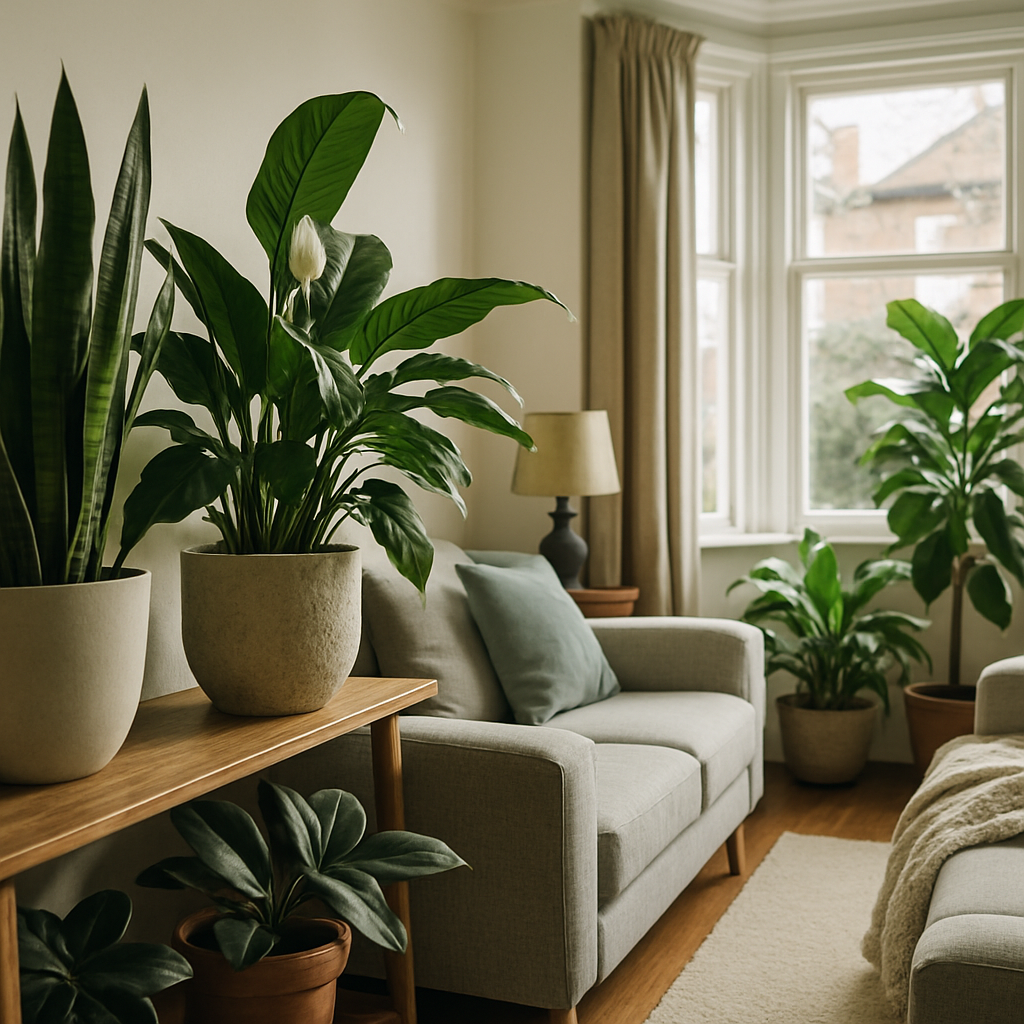
How Do Air Purifying Plants Actually Work?
Plants pull air in through tiny pores called stomata, mostly on their leaves. Inside, they process carbon dioxide and release oxygen through photosynthesis. But here’s the bit that matters for air quality: microorganisms living in the soil around a plant’s roots also break down pollutants, converting nasty stuff like benzene and formaldehyde into harmless compounds. The plant essentially feeds them, they do the cleaning, everyone wins. It’s a whole little ecosystem sitting in your living room, doing quiet work while you watch telly.
The key thing to know is that bigger, leafier plants generally do more filtering because they have more surface area. Waxy leaves tend to trap dust particles well too, which is why giving them an occasional wipe keeps them working efficiently. Not exactly demanding stuff.
The Best Low Maintenance Air Purifying Indoor Plants
Snake Plant (Sansevieria trifasciata)
The undisputed king of neglect. Snake plants will tolerate low light, irregular watering, and general indifference for months at a time. They convert CO2 into oxygen at night rather than just during daylight hours, making them genuinely useful in bedrooms. Water once every three or four weeks in winter, maybe fortnightly in summer, and that’s about it. They filter formaldehyde, benzene, and trichloroethylene. Absolute legends.
Peace Lily (Spathiphyllum)
One of the best performers in NASA’s clean air research, the peace lily deals with mould spores, benzene, and ammonia. It droops dramatically when it needs water, which is weirdly helpful because it tells you exactly when to act. Put it somewhere with indirect light, water it when it looks sad, and it will reward you handsomely. One note: keep it away from pets and kids, as it’s mildly toxic if eaten.
Spider Plant (Chlorophytum comosum)
The spider plant is essentially unkillable. It handles irregular watering, low humidity, and a fairly wide range of temperatures, which makes it perfect for most UK homes where the heating is either full blast or completely off. It produces little offshoots (called spiderettes, brilliantly) that you can pot up and give to friends. It filters formaldehyde and carbon monoxide particularly well. Good for kitchens and hallways.
Pothos (Epipremnum aureum)
Trailing, lush, and spectacularly forgiving. Pothos tolerates low light better than almost any other houseplant and actively prefers to dry out between waterings. Let it trail from a shelf or climb a moss pole. Either way it looks good and it’s quietly pulling benzene and formaldehyde from the air while you ignore it. There’s a version called Golden Pothos with yellow-streaked leaves that’s particularly lovely.
Boston Fern (Nephrolepis exaltata)
Slightly more demanding than the others in this list, but still manageable. Boston ferns love humidity, so a bathroom is their natural habitat. They’re exceptional at filtering formaldehyde and act as natural humidifiers, which is handy during winter when central heating dries the air out. Keep the soil lightly moist and you’re golden.
Rubber Plant (Ficus elastica)
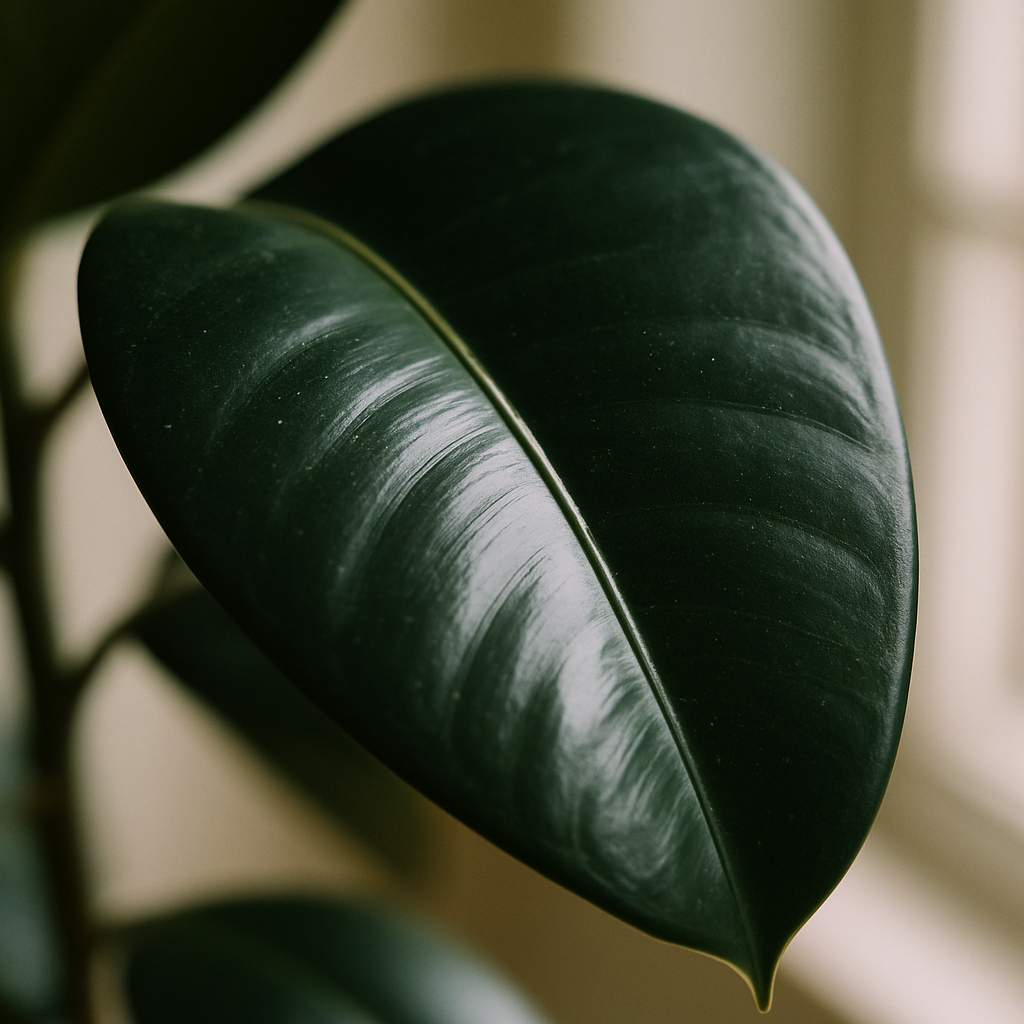
Big, bold, architectural. Rubber plants have large, waxy leaves that trap airborne particles brilliantly and they process toxins through their root system efficiently. They prefer bright indirect light but cope reasonably well in lower light conditions. Water when the top inch of soil is dry. Easy.
Where to Put Them for Maximum Effect
Placement matters more than most people realise. A few general rules: put plants near sources of VOCs (new furniture, paint, synthetic carpets) to intercept pollutants at the source. Kitchens benefit from spider plants or pothos because they handle carbon monoxide from gas hobs. Bedrooms are great for snake plants because of that night-time oxygen output. Bathrooms suit peace lilies and Boston ferns because of the natural humidity. And generally speaking, one medium-to-large plant per roughly 10 square metres of floor space gives you a meaningful air quality improvement without turning your house into a jungle. Although, honestly, the jungle route is also a solid option.
Keeping Your Indoor Environment Actually Clean
Plants are brilliant, but they work best as part of a broader approach to keeping your indoor environment healthy. Dust your plant leaves regularly, check for mould around the base of pots, and make sure you’re not introducing bacteria into your home through other routes. One often-overlooked source of germs and bacteria in an otherwise clean house is the wheelie bin kept near the back door. Homeowners across Nottinghamshire have started calling on specialists like The Bin Boss, a wheelie bin cleaning service operating out of Nottinghamshire (thebinboss.co.uk), to deal with the bacteria and environment-affecting residue that builds up inside bins sitting close to the house. It’s one of those things that’s easy to forget but makes a real difference to the cleanliness of your immediate outdoor space.
The logic is simple: you’re putting effort into improving the air quality and environment inside your home with plants, so it’s worth thinking about germs and bacteria lurking right outside the back door too. The Bin Boss handles the kind of deep cleaning that removes the bacteria, odour, and grime that regular emptying leaves behind, keeping the environment around your house genuinely clean rather than just surface-level tidy.
Care Tips for the Perpetually Forgetful
A few things that genuinely help if you’re not a natural plant person. Get a moisture meter from any garden centre, usually under a fiver. Stick it in the soil and it tells you whether to water or leave it. Done. Group plants together because they create a microclimate of slightly higher humidity that most tropical houseplants love. And repot every couple of years because root-bound plants stop growing and stop filtering effectively. Use good quality compost with perlite mixed in for drainage and you’ll rarely overwater anything.
The real beauty of low maintenance air purifying indoor plants is that they genuinely require very little from you whilst giving quite a lot back. Cleaner air, better aesthetics, a bit of nature indoors, and the quiet satisfaction of keeping something alive. Start with a snake plant or a pothos, get comfortable, then slowly let the collection grow. Before you know it you’ll be the person giving spiderettes to everyone you know and genuinely caring about soil pH. It’s a lovely rabbit hole to fall down.
Frequently Asked Questions
Which air purifying houseplant is easiest to keep alive for beginners?
The snake plant is widely considered the most forgiving option. It tolerates low light, infrequent watering, and temperature fluctuations, making it ideal for anyone who tends to forget about their plants for weeks at a time.
Do houseplants actually improve indoor air quality or is it just a myth?
There is genuine science behind it. NASA’s Clean Air Study found that certain plants reduce concentrations of VOCs like benzene, formaldehyde, and trichloroethylene. Microorganisms in the root zone do much of the filtering work. For meaningful results, aim for one medium or large plant per 10 square metres.
Where is the best place in my home to put air purifying plants?
Place plants near pollution sources such as new furniture, synthetic carpets, or gas hobs. Bedrooms suit snake plants for overnight oxygen production, bathrooms suit humidity-loving ferns, and kitchens benefit from spider plants that handle carbon monoxide well.
How often do low maintenance air purifying indoor plants need watering?
It depends on the plant, but most low maintenance varieties like pothos, snake plants, and rubber plants prefer to dry out between waterings. In a typical UK home, this means watering roughly every one to three weeks depending on the season and your central heating.
Are air purifying houseplants safe around pets and children?
Not all of them. Peace lilies and pothos are toxic if ingested, so keep them out of reach of curious pets and young children. Spider plants, Boston ferns, and most palms are considered non-toxic and are safer choices for households with animals or small kids.
Leave a Reply