Author: Dr Greenthumb

  • The Spam Test: How to Know If What You’re Eating Is Actually Food

    The Spam Test: How to Know If What You’re Eating Is Actually Food

    Right, so here’s something worth thinking about next time you’re standing in a supermarket aisle at 11pm, bleary-eyed and reaching for whatever’s cheapest. Not everything that comes in a tin, packet, or suspiciously shiny wrapper is actually food. Or at least, not food in the way your body wants to experience it. Call it the spam test: a vibe check for what you’re putting in your mouth. If you can’t pronounce half the ingredients and the product has a shelf life longer than some friendships, something’s probably off.

    Tinned processed meat next to fresh vegetables and legumes illustrating the difference between ultra-processed and whole food
    Tinned processed meat next to fresh vegetables and legumes illustrating the difference between ultra-processed and whole food

    Spam, the tinned meat product, has become a kind of cultural shorthand for something that exists in a grey zone. It’s technically edible. People genuinely love it in some parts of the world. But it also represents a broader category of ultra-processed food that’s been engineered to taste good, last forever, and cost very little. That’s a combination that sounds impressive until you start looking at what it does to your body over time, and what producing it does to the planet.

    What Ultra-Processed Actually Means

    The NOVA classification system, developed by researchers in Brazil, sorts food into four groups based on how much it’s been processed. Group four, the ultra-processed category, includes things like fizzy drinks, reconstituted meat products, flavoured crisps, instant noodles, and most things that come with a cartoon mascot on the packaging. These products typically contain additives you’d never find in a home kitchen: emulsifiers, stabilisers, artificial flavours, and preservatives that keep everything looking cheerful for months on a shelf.

    The thing is, ultra-processed foods now make up over half the calories consumed in the UK. That’s a genuinely wild statistic. And studies linking high consumption of these products to increased risks of heart disease, type 2 diabetes, and even certain cancers have been stacking up over the past decade. The body knows the difference between food that grew in a field and food that was assembled in a factory, even if your taste buds are having a great time either way.

    Running Your Own Spam Test at Home

    You don’t need a lab or a nutrition degree to do a basic spam test on your cupboards. Just flip the product over and look at the ingredients list. A rough rule of thumb: if the list is longer than a short paragraph, contains numbers, or includes anything you couldn’t buy at a decent greengrocer, you’re probably looking at ultra-processed territory. This isn’t about being precious or performative. It’s just about being aware.

    Close-up of an ultra-processed food ingredients label with a long list of additives
    Close-up of an ultra-processed food ingredients label with a long list of additives

    Some things that often trip people up: flavoured yoghurts, breakfast cereals marketed as healthy, most shop-bought bread (yes, really), and anything labelled as a “protein bar.” These products are often presented as wholesome choices, and they might contain some nutritious ingredients, but the overall formulation can still push them firmly into processed-food land. The spam test works on all of them.

    There’s also an environmental angle here that doesn’t get nearly enough airtime. Ultra-processed food production tends to rely on intensive agriculture, long supply chains, and heavy packaging. The ingredients in these products, palm oil, high-fructose corn syrup, refined starches, often come from farming systems that are rough on soil, water, and biodiversity. So your buying habits ripple outward in ways that go beyond your own gut health.

    Real Food Doesn’t Have to Be Complicated

    Here’s where it’s easy to spiral into the kind of wellness content that makes you feel guilty for existing. Dr Greenthumb isn’t here for that. Eating well doesn’t mean spending a fortune at a farmers’ market or batch-cooking quinoa every Sunday while listening to a podcast about breathwork. It just means tilting your choices, when you can, towards things that are a bit more whole and a bit less engineered.

    Tinned tomatoes: brilliant. Tinned chickpeas: great shout. Tinned fish: perfectly respectable. These are processed foods too, technically, but they sit at the gentler end of the spectrum. The difference is that the ingredient list is basically just the food itself, maybe with a bit of salt or oil. That’s a very different thing from a product that took seventeen steps and a chemistry set to produce.

    Whole grains, legumes, seasonal vegetables, fruit, nuts and seeds, eggs, fermented foods like yoghurt and kimchi: these are the things that consistently show up positively in long-term health research. Not because they’re magic, but because they’re recognisable to your body. Your gut microbiome, which increasingly looks like one of the most important factors in overall health, seems to genuinely thrive on diversity and fibre, two things that ultra-processed diets tend to be short on.

    The Bigger Picture

    Applying a spam test to your diet isn’t about perfection or cutting everything fun out of your life. It’s more like developing a low-key awareness that means you can make slightly better calls most of the time. Nobody’s saying never eat Spam. Or crisps. Or a Pot Noodle at 2am. Life is for living and sometimes you just need something warm and salty and immediate. But if the bulk of your diet is built on ultra-processed foundations, it’s worth knowing that, and worth knowing there are easier swaps than you might think.

    The planet will also appreciate it. Shifting even a portion of your diet towards less processed, more plant-forward food has a measurable impact on your carbon footprint and on the broader agricultural systems your food dollars support. It’s genuinely one of the most powerful levers an individual has. Quiet, unsexy, and effective. Very Dr Greenthumb, really.

    Frequently Asked Questions

    What is the spam test for food?

    The spam test is an informal way of evaluating how processed a food product is. You check the ingredients list for long lists of additives, artificial flavours, or unfamiliar chemicals that suggest heavy industrial processing rather than simple preparation.

    Are ultra-processed foods really that bad for you?

    Research consistently links high consumption of ultra-processed foods to increased risks of obesity, type 2 diabetes, heart disease, and certain cancers. The key issue is that these products tend to be low in fibre, high in added sugar and salt, and contain additives that may disrupt gut health over time.

    What counts as ultra-processed food in the UK?

    Ultra-processed foods include fizzy drinks, flavoured crisps, mass-produced bread, instant noodles, reconstituted meat products, flavoured yoghurts, most breakfast cereals, and packaged snacks. The NOVA classification system is a useful framework for understanding these categories.

    How does eating ultra-processed food affect the environment?

    Ultra-processed food production typically relies on intensive monoculture farming, long global supply chains, and heavy plastic packaging, all of which contribute to carbon emissions, soil degradation, and biodiversity loss. Shifting towards whole and minimally processed foods can meaningfully reduce your environmental footprint.

    What are easy swaps to reduce ultra-processed food in my diet?

    Simple swaps include choosing plain oats over flavoured instant porridge, tinned fish or legumes over processed meat products, and whole fruit over fruit-flavoured snacks. These changes don’t require a major lifestyle overhaul and can have a big cumulative impact on both health and the planet.

  • How to Make Your Rental Flat More Eco-Friendly (Without Losing Your Deposit)

    How to Make Your Rental Flat More Eco-Friendly (Without Losing Your Deposit)

    Living in a rental can sometimes feel like you’re just a guest in someone else’s space – can’t paint, can’t drill, can’t really make it yours. But here’s the thing: you can absolutely create a calmer, healthier and more eco-friendly rental without touching a single wall permanently. It just takes a bit of creativity, some decent houseplants and the willingness to read on for five more minutes.

    Why Bother Making Your Rental Greener?

    Beyond the obvious good vibes, an eco-friendly rental genuinely improves your day-to-day wellbeing. Better air quality, less energy waste, lower bills, and a space that actually feels good to be in – it all stacks up. You don’t need to own the place to respect it, and honestly, treating your home like it matters tends to make you feel like you matter too. Bit philosophical, but stick with us.

    Plants That Actually Clean the Air

    First things first – get some plants in there. Houseplants are one of the easiest, cheapest and most reversible upgrades you can make to any rental. Certain species are particularly good at filtering common indoor pollutants like formaldehyde, benzene and carbon monoxide that float around in most homes from furniture, cleaning products and general life.

    Spider plants are practically indestructible and brilliant for beginners. Peace lilies thrive in low light and are proven air purifiers. Snake plants – also known as mother-in-law’s tongue – are almost impossible to kill and do a solid job overnight when other plants are resting. A few of these dotted around your living space will noticeably improve the air quality and make the whole place feel more alive. Plants also reduce stress, lower blood pressure and just look cool. Win, win, win.

    Draft Stoppers and Curtains – Boring Name, Big Impact

    Cold air sneaking under doors is one of the biggest silent energy drains in a rented flat. A simple fabric draft stopper – you can buy one for a few quid or make one from an old rolled-up towel – can make a noticeable difference to how warm your space stays. No tools, no mess, no landlord conversation required.

    Curtains are massively underrated too. Thick, lined curtains or thermal curtain liners (which clip onto existing curtains) can cut heat loss through windows significantly. In winter this means your heating works less hard. In summer it keeps the place cooler. You’re essentially insulating your flat without touching the structure at all. Just remember to take them with you when you move.

    Renter-Safe DIY That’s Actually Useful

    The no-drill movement has come a long way. Adhesive hooks and strips – the kind designed to hold weight without leaving marks – have genuinely improved over the years. You can hang lightweight shelves, organise cables, mount small planters and keep things tidy without a single rawlplug involved.

    Tension rod shelves work brilliantly in alcoves and recesses. Freestanding shelving units require zero wall attachment and can carry serious weight. Command-style strips from most hardware shops now support several kilograms per strip, meaning you can hang mirrors, small frames and organisers with real confidence. Just follow the weight guidelines and remove them carefully when you leave – most come off cleanly with a slow, downward pull.

    Energy-Saving Habits That Cost Nothing

    This is where an eco-friendly rental lifestyle really clicks into gear – and none of it costs you anything. Turning devices off standby rather than leaving them plugged in idle can shave a meaningful amount off your electricity bill over a year. Washing clothes at 30 degrees instead of 60 uses around 40% less energy and is absolutely fine for most everyday laundry. Only boiling as much water as you actually need sounds obvious but almost nobody does it consistently.

    LED bulbs are worth switching out even in a rental. They’re cheap, they last years, and you can take them with you when you go. Just pop the original bulbs in a box and swap them back before you leave. A smart plug with an energy monitor – no permanent installation needed – can also show you exactly where your electricity is going, which tends to change behaviour pretty quickly once you see the numbers.

    Creating a Calmer, Greener Space on a Budget

    The vibe of a space matters as much as its environmental stats. Natural materials, soft lighting, less clutter and more greenery all contribute to a calmer atmosphere that’s genuinely better for your mental health. Swapping harsh overhead lights for floor lamps with warm bulbs, using natural beeswax or soy candles instead of synthetic ones, and choosing second-hand textiles over fast-furniture all make a difference to how your space feels and how lightly it treads on the planet.

    Recycling properly in a rental is often overlooked too. If your building doesn’t have good recycling facilities, it’s worth checking your local council’s collection options – most UK councils offer collections for a wide range of materials now. Composting food waste in a small countertop bin is possible even in the tiniest flat, with compostable liner bags making it much less grim than it sounds.

    Small Changes, Proper Results

    The beauty of all of this is the reversibility. An eco-friendly rental doesn’t require permission, a big budget or any permanent changes. It just requires a bit of intention and the understanding that where you live is worth caring about – even if you don’t own it. Your lungs, your energy bill and your general vibe will all thank you for it.

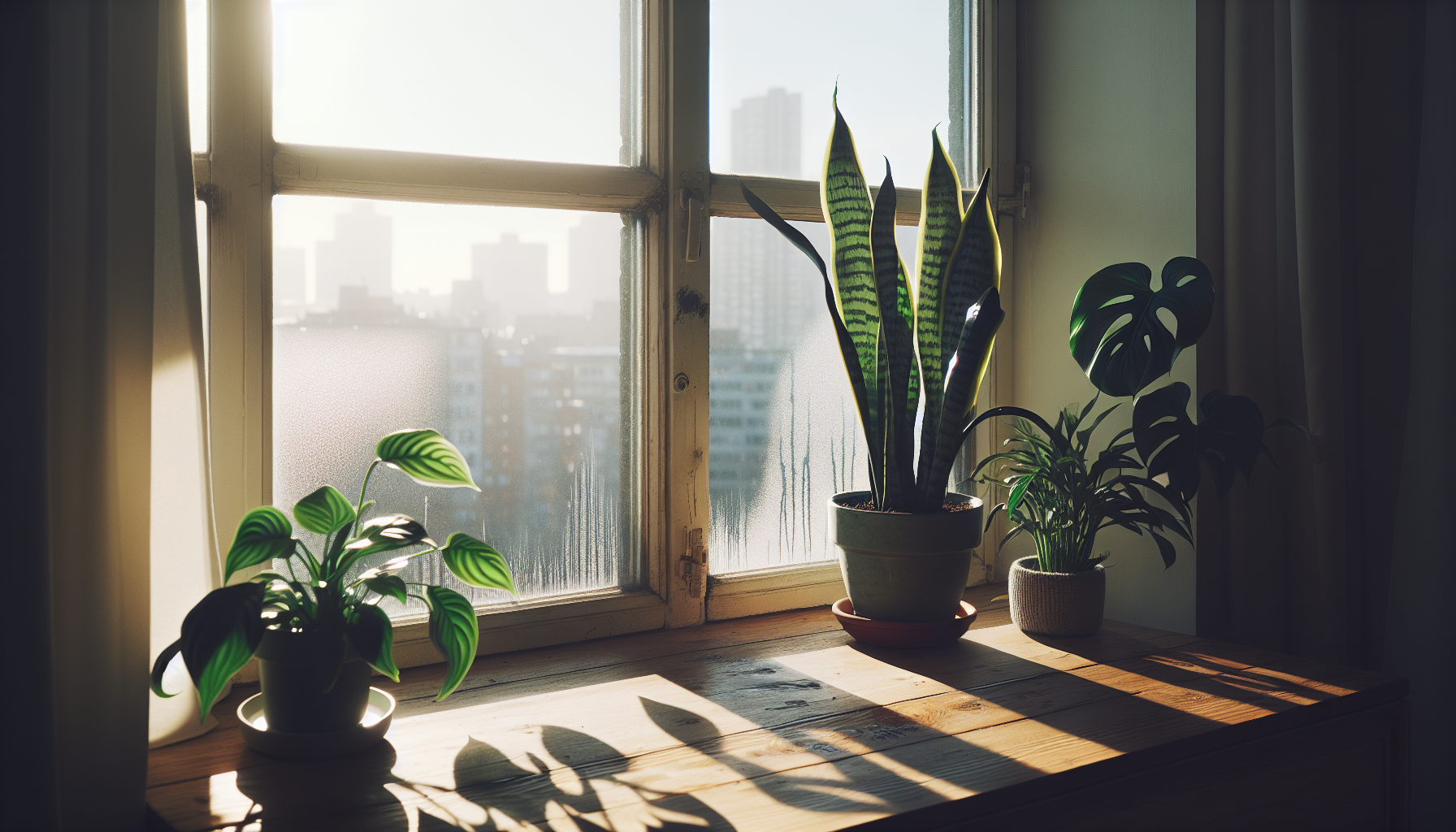
    Close-up of air-purifying houseplants on a windowsill as part of an eco-friendly rental setup
    Young woman placing a draft stopper in her eco-friendly rental flat hallway surrounded by plants

    Eco-friendly rental FAQs

    What are the easiest eco-friendly changes to make in a rental flat?

    The easiest starting points are adding air-purifying houseplants, placing draft stoppers under doors, and switching to LED bulbs. None of these require permission from your landlord, they’re all reversible, and they make a noticeable difference to air quality, warmth and energy use almost immediately.

    Which houseplants are best for improving air quality indoors?

    Spider plants, peace lilies and snake plants are consistently rated as some of the most effective air-purifying houseplants for indoor spaces. They’re also low maintenance and widely available from most garden centres or supermarkets. Even a handful of plants can noticeably reduce common indoor pollutants and make a space feel fresher.

    How can I reduce my energy bills in a rental without making permanent changes?

    Simple habits like washing laundry at 30 degrees, turning devices off standby, and only boiling the water you need can cut energy use meaningfully without any physical changes to the property. Adding thermal curtain liners and draft stoppers also reduces heat loss and takes the pressure off your heating system during colder months.

    Can I put up shelves or hooks in a rental without damaging the walls?

    Yes – adhesive strips and hooks designed for rental use have improved significantly and can hold several kilograms without leaving permanent marks. Tension rod shelves and freestanding shelving units are also great options that require no wall fixings at all. Always follow the weight guidelines on adhesive products and remove them slowly to avoid any surface damage.

    Is it worth making eco-friendly changes in a rental if you’re only there short-term?

    Absolutely. Many of the changes – like plants, curtains and energy habits – either go with you when you leave or cost very little in the first place. Beyond the environmental benefit, they improve your wellbeing and can lower your bills while you’re there. Even a six-month stay is worth making comfortable and green.

  • Eco-Friendly Bathroom Swaps That Actually Work (And a Few That Don’t)

    Eco-Friendly Bathroom Swaps That Actually Work (And a Few That Don’t)

    Right, let’s talk bathrooms. Not the most glamorous conversation, but hear us out – your morning routine is quietly one of the most plastic-heavy parts of your day. Between shampoo bottles, disposable razors, single-use wipes and enough packaging to fill a landfill, the average bathroom is basically a shrine to unnecessary waste. The good news? Eco-friendly bathroom swaps have genuinely levelled up over the past few years. Some of them are brilliant. Some are a bit rubbish. And some are a complete con dressed up in recycled cardboard. We’re going to give you the honest breakdown.

    Why Your Bathroom Matters for the Planet

    The average person gets through around 11 bottles of shampoo and conditioner per year. Multiply that by a household, multiply that by millions of households, and you’ve got a very serious plastic problem. Most bathroom products are also rinsed straight down the drain, which means microplastics, synthetic fragrances and chemical nasties are heading directly into waterways. On top of that, disposable period products generate around 200,000 tonnes of waste annually in the UK alone. So yeah – this stuff matters.

    The Swaps That Are Actually Worth Making

    Shampoo Bars

    Shampoo bars have come a long way from the chalky, dry disasters of early iterations. Modern ones are genuinely good – they lather well, rinse clean and a single bar can replace two to three plastic bottles. The transition period (about two weeks of your hair wondering what’s happening) is real, but once you’re through it, most people never go back. Look for bars free from SLS and packed with natural oils. They also travel brilliantly – no liquids bag drama at the airport. Big win.

    Refillable Deodorant

    This one is low-effort and high-reward. Refillable deodorant works on exactly the principle it sounds like – you keep the outer casing (usually aluminium or recycled plastic) and just buy the refill. Brands have genuinely nailed the formulas now, so you’re not having to sacrifice effectiveness for the planet. The refills are typically cheaper per use than buying a new stick every time, which is always a nice bonus.

    Safety Razors

    Disposable razors are a genuine environmental disaster. Billions end up in landfill every year, and because they’re a mix of plastic and metal, they can’t be recycled through normal channels. A safety razor is a one-time investment in a solid metal handle, and then you only ever replace the blade – which is a single piece of recyclable stainless steel. It takes about three shaves to get the angle right, but once you do, the shave is actually better. Cost per shave drops dramatically too.

    Period Products

    This is where the most impactful changes live. Menstrual cups, period pants and reusable pads are all genuinely good now. A menstrual cup lasts up to ten years and saves thousands of single-use items from landfill. Period pants have improved massively and are now comfortable and leak-proof enough for overnight use. The upfront cost feels steep, but over time the savings are significant. It’s one of those swaps that takes a cycle or two to get comfortable with, but most people who make it don’t look back.

    The Ones That Are a Bit Annoying (But Still Worth It)

    Solid Conditioner Bars

    Honest assessment: solid conditioner bars are trickier than shampoo bars. They work, but they require more patience and technique – you need to melt them slightly between your palms before applying. If you have thick or very curly hair, you might find you need to use a lot more product to get the same result. Still better than a plastic bottle, but manage your expectations on the first few tries.

    Bamboo Toothbrushes

    Bamboo toothbrushes are a great swap for the handle, but most still have nylon bristles which can’t be composted. You need to snap the head off and bin the bristles separately before composting the handle. Slightly faffy, but still dramatically better than a fully plastic toothbrush. Do it.

    The Eco-Friendly Bathroom Swaps That Are Mostly Greenwash

    Biodegradable Wet Wipes

    These are largely marketing nonsense. Most so-called biodegradable wipes only break down under very specific industrial composting conditions – conditions your bathroom bin definitely doesn’t provide. They still block drains and still end up in landfill. The real swap here is just… a flannel. A small reusable cloth does everything a wipe does and costs about 50p.

    Plastic-Free Packaging on the Same Old Product

    Be suspicious of brands that swap plastic bottles for cardboard tubes or glass jars but keep the exact same synthetic formula inside. The packaging is part of the problem, sure, but what’s inside matters too. Check ingredients, not just the box.

    How to Actually Start Without Going Mad

    The best approach to eco-friendly bathroom swaps is simple: don’t throw everything away at once. That’s wasteful in itself. As each product runs out, replace it with the better version. Start with your razor and your shampoo – those are the easiest wins. Then work your way through the bathroom shelf at whatever pace feels manageable. This isn’t about being perfect. It’s about doing a bit better, one bottle at a time. Dr Greenthumb style – chill, intentional, and actually effective.

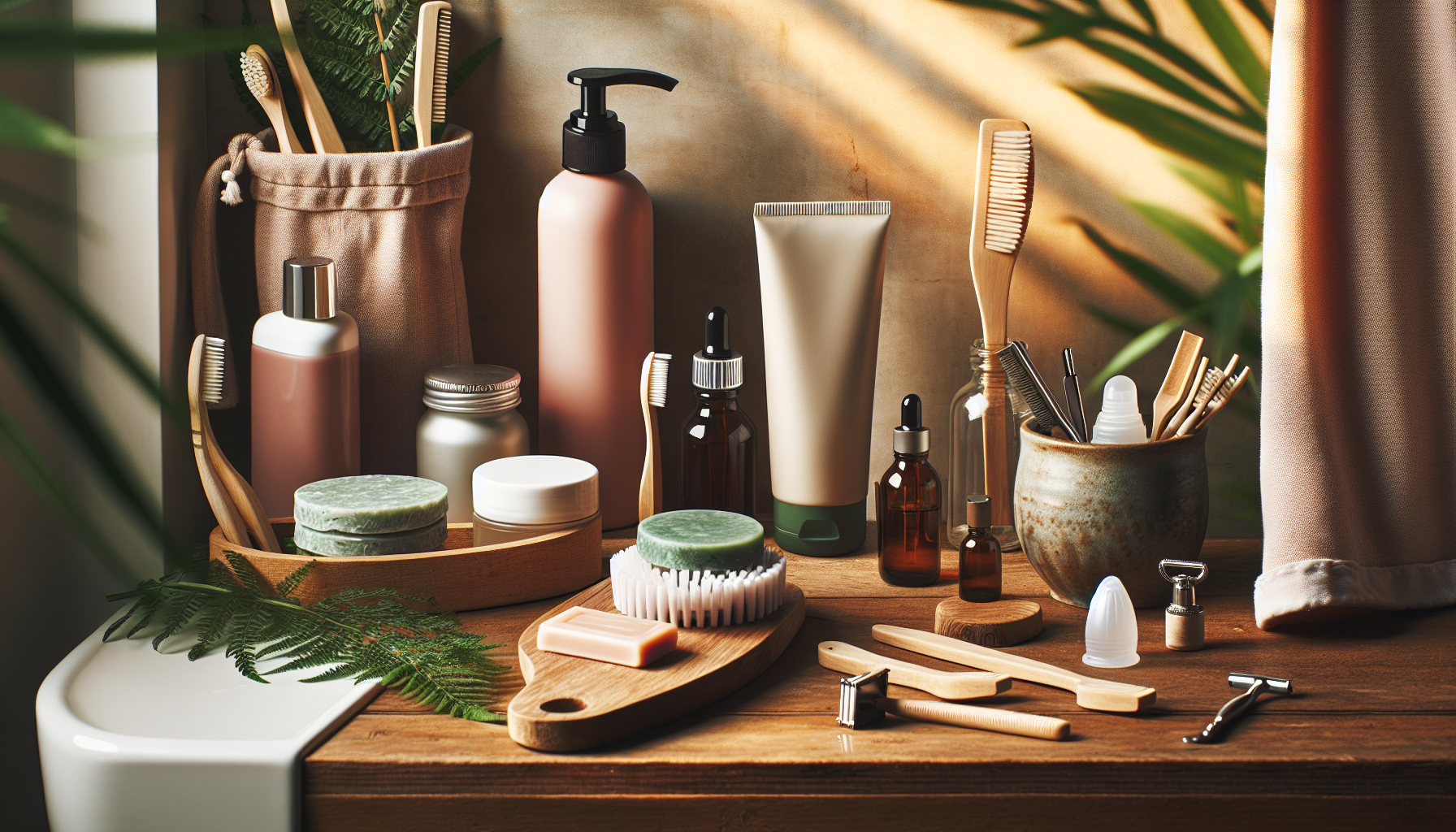
    Hands lathering a solid shampoo bar, one of the most popular eco-friendly bathroom swaps for reducing plastic waste
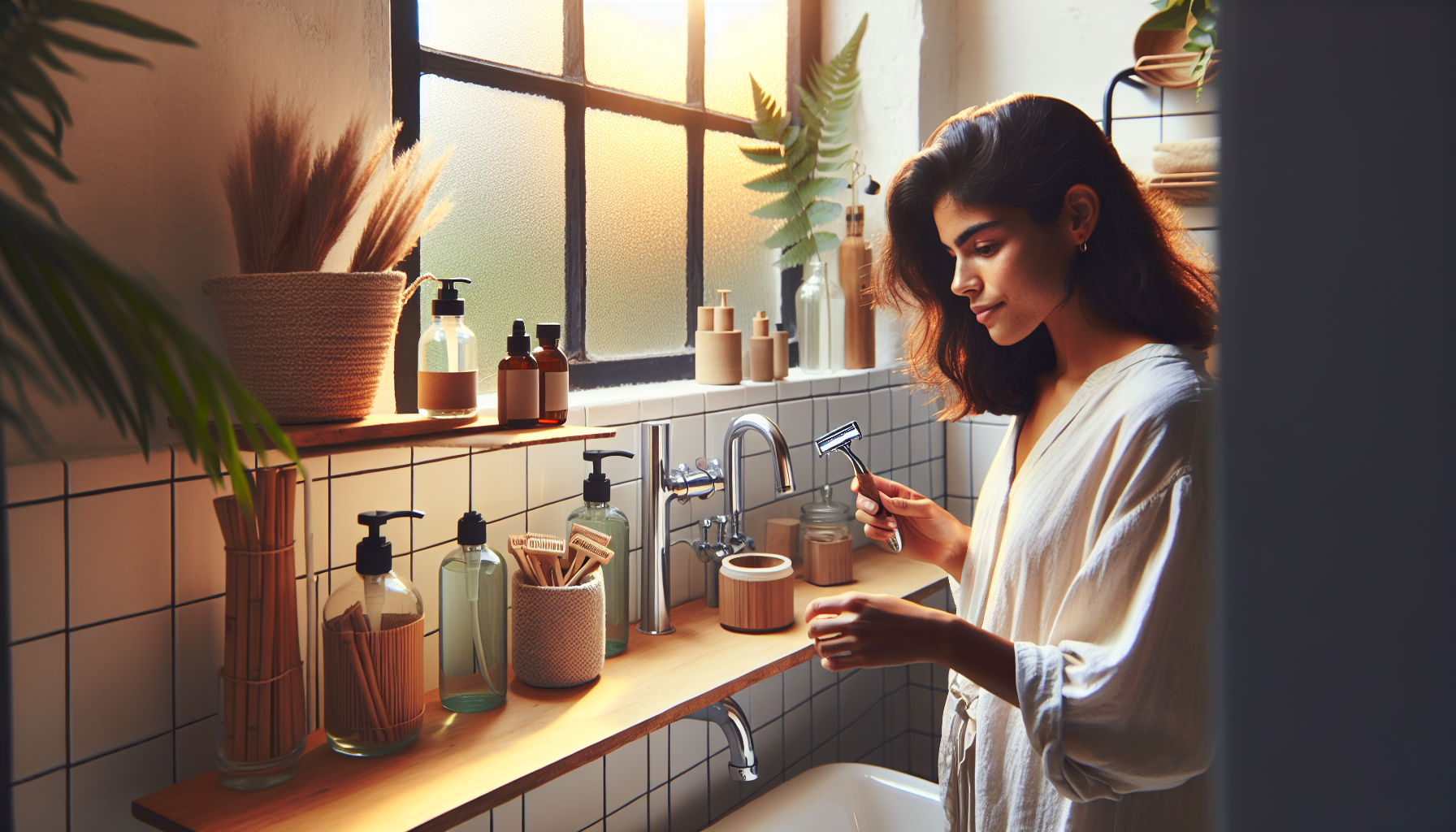
    A young woman exploring eco-friendly bathroom swaps on her bathroom shelf in warm golden morning light

    Eco-friendly bathroom swaps FAQs

    Do shampoo bars actually work as well as liquid shampoo?

    Yes, once you get through the transition period of roughly two weeks where your hair adjusts to the change. Modern shampoo bars are formulated to lather well and rinse cleanly, and many people find their hair is in better condition after switching. Look for bars without SLS and with nourishing oils like argan or coconut for the best results.

    Are safety razors better than disposable razors?

    For most people, yes – both environmentally and in terms of shave quality. Safety razors use a single replaceable stainless steel blade that costs pence each and can be recycled, compared to billions of plastic disposables going to landfill annually. The learning curve is small, usually just a few shaves to get the right angle, and the long-term cost is much lower.

    How much money can you actually save by switching to eco-friendly bathroom products?

    Over time, the savings are genuinely significant. A safety razor handle costs around £20-30 upfront but blades cost as little as 10p each. Menstrual cups cost £20-30 and replace years worth of disposable products. Refillable deodorant refills are typically cheaper per use than buying a new product. Most eco swaps break even within a few months and save money long-term.

    What is the most impactful eco-friendly bathroom swap you can make?

    Switching period products – from disposables to menstrual cups or period pants – has one of the highest environmental impacts, eliminating thousands of single-use items over the product’s lifespan. After that, swapping to a safety razor and shampoo bars removes significant volumes of single-use plastic from your routine. These three changes alone would dramatically reduce the average person’s bathroom waste.

    Are bamboo toothbrushes actually eco-friendly?

    Partially. The handle is genuinely biodegradable and compostable, which is a real improvement over plastic. However, most bamboo toothbrushes still have nylon bristles that need to be removed and binned separately before composting the handle. It’s still a much better option than a fully plastic toothbrush, just not the zero-waste solution it’s sometimes marketed as.

  • How Sustainable Manufacturing Is Actually Saving the Planet (No Cap)

    How Sustainable Manufacturing Is Actually Saving the Planet (No Cap)

    Right, so here’s the thing – sustainable manufacturing might not sound like the sexiest topic at first glance, but stick with Dr Greenthumb for a minute, because what’s happening in the world of how we actually make stuff is genuinely wild in the best possible way. We’re talking less waste, cleaner energy, and products that don’t cost the Earth – literally.

    What Even Is Sustainable Manufacturing?

    At its core, sustainable manufacturing is about producing goods without trashing the planet in the process. That means cutting down on energy waste, using renewable resources where possible, reducing harmful emissions, and designing products with their end-of-life in mind from the very start. It’s the difference between a factory belching black smoke and one quietly humming along on solar power while recycling its own off-cuts. The goal is to make things people actually need, but without leaving a catastrophic mess behind for future generations to sort out.

    And before you think this is just corporate greenwashing dressed up in a recycled press release – some of it genuinely isn’t. Real change is happening on the ground, in workshops, studios and production facilities across the UK and beyond.

    Why Sustainable Manufacturing Matters More Than Ever Right Now

    The numbers are hard to ignore. Global manufacturing accounts for roughly a fifth of all carbon emissions worldwide. That’s not a small problem you can compost your way out of. Supply chains are responsible for enormous amounts of water usage, chemical runoff, and landfill contribution. The old model of “make it cheap, chuck it when it breaks” is finally being recognised for what it is – an absolute disaster.

    But here’s where the good vibes kick in. The shift toward sustainable manufacturing isn’t just driven by guilt – it’s being driven by innovation. Businesses that are finding cleaner ways to produce things are often also finding cheaper, smarter, and more efficient ways to do it. Sustainability and profitability are no longer opposites, which means companies actually have financial reasons to clean up their act. Nature wins, balance sheets win. Everyone’s happy.

    Cool Ways Sustainable Manufacturing Is Happening Right Now

    Circular Design – Making Things That Come Back Around

    One of the most exciting shifts in sustainable manufacturing is circular design – the idea that a product’s materials should be recoverable and reusable at the end of its life. Trainers made from recycled ocean plastic. Furniture built to be disassembled and rebuilt. Packaging that dissolves in water. Designers are approaching the drawing board with the question “where does this end up in ten years?” and building backwards from there. It’s clever, it’s necessary, and it’s producing some genuinely beautiful objects.

    Additive Manufacturing – Building Only What You Need

    Traditional manufacturing often works by cutting away – you start with a block of material and remove the bits you don’t need. That produces a lot of waste. Additive manufacturing flips the script entirely, building objects layer by layer using only the material that’s actually needed. Techniques like 3D Printing are already being used in industries ranging from medical devices to architectural modelling, dramatically reducing material waste in the process. When you only use what you need, there’s a lot less to throw away.

    Renewable Energy in Production

    More factories and production facilities are switching to wind and solar power to run their operations. Some are going further – capturing heat generated during manufacturing to power other parts of the building, or investing in battery storage to make the most of renewable generation. It’s the kind of thinking that makes these solutions feel genuinely optimistic rather than just damage limitation.

    Is the UK Leading the Way?

    Actually, yes – in some areas. The UK has made serious commitments around net-zero targets, and British manufacturers are increasingly being held to those standards by both legislation and consumer pressure. From small independent makers using natural dyes and reclaimed materials to larger operations investing in hydrogen-powered facilities, there’s real momentum here.

    these solutions is also creating jobs – not just replacing old ones with cleaner versions, but generating entirely new roles in green engineering, material science, and circular economy logistics. That’s the kind of economic story that deserves a bit more airtime than it typically gets.

    What You Can Do as a Consumer

    Here’s where it gets personal. these solutions doesn’t happen in a vacuum – it responds to demand. When people choose products made with lower environmental impact, they send a signal that reverberates all the way back up the supply chain. You don’t have to be perfect about it – nobody is. But asking “how was this made?” more often than you used to is a genuinely powerful thing.

    Look for brands that are transparent about their supply chains. Support makers who use reclaimed or recycled materials. Buy less, but buy better. And when something breaks, try to get it repaired before you replace it. None of this is rocket science, but collectively it adds up to exactly the kind of pressure that makes these solutions not just a niche preference but an industry standard.

    The Bottom Line

    these solutions isn’t a future concept – it’s happening right now, and it’s accelerating. The combination of environmental urgency, technological innovation, and genuine consumer appetite for better choices is creating a manufacturing landscape that looks meaningfully different to the one we had even a decade ago. It’s not perfect yet, not by a long stretch. But the direction of travel? That’s something worth feeling good about.

    Close-up of hands assembling a product using reclaimed materials as part of a sustainable manufacturing process
    Young designers reviewing sustainable manufacturing material samples and product prototypes in a bright workshop

    Sustainable manufacturing FAQs

    What is sustainable manufacturing in simple terms?

    Sustainable manufacturing means producing goods in a way that minimises harm to the environment – using less energy, generating less waste, and relying on cleaner materials and processes wherever possible. The goal is to meet today’s production needs without making things worse for the planet long-term. It covers everything from how raw materials are sourced to what happens to a product when it reaches the end of its life.

    How does sustainable manufacturing reduce waste?

    It reduces waste through a combination of smarter design, better materials management, and new production techniques. Circular design ensures materials can be recovered and reused after a product’s useful life ends. Additive manufacturing techniques build products layer by layer, using only the material that’s genuinely needed rather than cutting away excess. Energy waste is also tackled through renewables and heat recovery systems built into modern facilities.

    Is sustainable manufacturing more expensive than traditional manufacturing?

    It can involve higher upfront costs, particularly when investing in new equipment or reformulating products with better materials. However, the longer-term picture is often more positive – using fewer raw materials, generating less waste to dispose of, and running on cheaper renewable energy all help to reduce operating costs over time. Many businesses find that sustainability and efficiency go hand in hand once the initial transition is made.

    Which industries are leading in sustainable manufacturing?

    Fashion, construction, food production, and consumer electronics are all seeing significant activity in sustainable manufacturing right now. The fashion industry in particular is under enormous pressure to address its environmental footprint, leading to real innovation in recycled fibres, natural dyes, and take-back schemes. Construction is embracing materials like cross-laminated timber and recycled aggregates, while food producers are tackling packaging and supply chain emissions aggressively.

    How can I tell if a brand is genuinely committed to sustainable manufacturing?

    Transparency is the biggest indicator – brands that are serious about sustainability tend to publish detailed information about their supply chains, material sourcing, and environmental targets. Look for third-party certifications such as B Corp status or ISO 14001 environmental management accreditation. Be cautious of vague claims like “eco-friendly” without supporting detail, as these can be signs of greenwashing rather than genuine commitment to better manufacturing practices.

  • Gut Bugs, Parasites and the Wild World Living Inside You

    Gut Bugs, Parasites and the Wild World Living Inside You

    Here’s a fun fact nobody tells you at a dinner party: your body is home to roughly 38 trillion microorganisms. Bacteria, fungi, viruses, archaea – a whole civilisation buzzing away inside your intestines right now. Welcome to gut microbiome health, arguably the most interesting neighbourhood you’ll never actually visit. Pull up a beanbag. Let’s talk about the tiny universe within.

    What Even Is Your Gut Microbiome?

    Your gut microbiome is the collective name for all the microorganisms living in your digestive tract – primarily your large intestine. Think of it like a rainforest. At its best, it’s thriving, diverse and balanced, with all sorts of species doing their specific jobs. At its worst, it’s more like a car park – grey, hostile and dominated by a few opportunistic species that shouldn’t really be in charge.

    These microbes aren’t just freeloaders either. They help break down food your body can’t digest on its own, produce vitamins like B12 and K2, regulate your immune system, and even communicate with your brain via the gut-brain axis. Yes, your belly talks to your head. That gut feeling? Completely literal.

    Why Gut Microbiome Health Is Having Its Moment

    Science has spent the last decade absolutely losing its mind over the gut microbiome. Researchers have now linked disruptions in microbial balance – a state called dysbiosis – to everything from anxiety and depression to autoimmune conditions, obesity, skin issues and chronic fatigue. It turns out that when your gut bugs are struggling, the rest of you tends to feel it too.

    Stress, antibiotics, ultra-processed food, poor sleep and even environmental toxins can all knock the ecosystem off balance. Modern life, basically. Which is why more people than ever are starting to pay serious attention to what they’re feeding their inner world – not just their outer one.

    What Upsets the Balance?

    A few of the usual suspects when it comes to disrupted gut microbiome health:

    • Ultra-processed food – Low in fibre, high in additives. Your beneficial bacteria basically starve.
    • Antibiotics – Brilliant when you need them. Nuclear bomb for your gut ecosystem when overused.
    • Chronic stress – Cortisol negatively alters the microbial environment. Your gut knows when you’re panicking.
    • Poor sleep – Your microbiome has its own circadian rhythm. Mess with yours, you mess with theirs.
    • Alcohol – Heavy consumption significantly reduces microbial diversity. Sorry about it.

    And then there’s the slightly more exotic category – unwanted guests. Intestinal parasites are more common than most people realise, particularly after travel, contaminated water, or contact with animals. If you’ve been feeling off and nothing seems to explain it, some people explore options like a parasite cleanse as part of a broader gut reset. It’s worth doing your research and speaking to a health professional first, but the conversation around gut intruders is becoming a lot more mainstream.

    How to Actually Support Your Gut (Without Being Boring About It)

    Good news: supporting your gut microbiome health doesn’t have to mean living on kale smoothies and misery. Here’s what genuinely moves the needle:

    Eat More Plants (Seriously, More)

    Diversity is the key word here. Aiming for 30 different plant foods a week – fruits, vegetables, wholegrains, legumes, nuts, seeds, herbs and spices – is one of the most evidence-backed strategies out there. Each different plant feeds different bacterial species. The more variety, the more a thriving ecosystem you build.

    Fermented Foods Are Your Friends

    Kimchi, sauerkraut, kefir, live yoghurt, kombucha, miso – these all introduce beneficial bacteria directly into your gut and have been shown to increase microbial diversity. Plus they taste great, which is a rare win in wellness.

    Feed the Good Bugs With Prebiotics

    Prebiotics are basically food for your beneficial bacteria. Garlic, onions, leeks, oats, bananas, asparagus and chicory root are all excellent sources. Think of prebiotics as the fertiliser that makes your gut garden flourish.

    Chill Out More

    Genuinely. Stress management isn’t just a lifestyle choice – it’s a gut health strategy. Whether that’s time in nature, breathwork, yoga, swimming in cold water or just putting your phone down for an hour, managing cortisol levels has a direct positive effect on your microbial balance. Dr Greenthumb approves of this prescription wholeheartedly.

    The Gut-Brain Connection Is the Real Plot Twist

    One of the most mind-bending aspects of gut microbiome health is the gut-brain axis – the two-way communication highway running between your digestive system and your central nervous system. About 90% of the body’s serotonin (the feel-good neurotransmitter) is actually produced in the gut. So if your gut is inflamed, imbalanced or stressed, your mental health may well reflect that.

    Researchers are actively investigating whether improving gut health could play a meaningful role in managing conditions like depression, anxiety and even cognitive decline. We’re not there yet in terms of clinical guidance, but the direction of travel is fascinating. Your gut really might be the second brain everyone’s been talking about.

    The Bottom Line on Gut Microbiome Health

    Your gut microbiome is not some fringe wellness concept – it’s a fundamental pillar of human health that mainstream medicine is only just catching up with. The choices you make around food, sleep, stress and movement every single day are either feeding a thriving ecosystem or slowly running it down. The good news is that the gut is remarkably resilient. Small, consistent changes genuinely add up. Start with more plants, more fermented foods, less stress, and a bit more respect for the 38 trillion little legends keeping you alive.

    Close-up of fermented foods in jars on a wooden surface - key foods for gut microbiome health
    Relaxed man eating plant-based food outdoors in nature as part of a gut microbiome health lifestyle

    Gut microbiome health FAQs

    What is the gut microbiome and why does it matter?

    The gut microbiome is the collection of trillions of microorganisms – bacteria, fungi and other microbes – living in your digestive tract. It plays a critical role in digestion, immune function, mental health and vitamin production. A balanced, diverse microbiome is strongly associated with better overall health outcomes.

    How do I know if my gut microbiome is unhealthy?

    Common signs of an imbalanced gut microbiome include bloating, irregular bowel movements, persistent fatigue, frequent illness, skin conditions like eczema or acne, and mood disturbances like anxiety or low mood. If you’re experiencing several of these symptoms regularly, it’s worth speaking to a healthcare professional who can advise on gut health testing and support.

    What foods are best for improving gut microbiome health?

    A wide variety of plant foods is the most evidence-backed approach – aim for around 30 different plant types per week including vegetables, fruits, legumes, wholegrains, nuts and seeds. Fermented foods like kimchi, kefir and live yoghurt are also excellent, as are prebiotic-rich foods like garlic, onions, oats and bananas.

    Can stress really affect your gut microbiome?

    Yes, significantly. Chronic stress raises cortisol levels, which directly disrupts the microbial environment in your gut, reducing diversity and promoting the growth of harmful bacteria. The gut-brain axis means stress and gut health are deeply interconnected, so managing stress is genuinely one of the most impactful things you can do for your digestive wellbeing.

    How long does it take to improve your gut microbiome?

    Research suggests that dietary changes can begin to shift microbial composition within just a few days, though meaningful, lasting improvements tend to take several weeks to months of consistent effort. The gut microbiome is dynamic and responsive, meaning small daily habits compound over time into significant changes.

  • Eco-Friendly Smoking: How to Shrink Your Environmental Footprint Without Quitting the Vibe

    Eco-Friendly Smoking: How to Shrink Your Environmental Footprint Without Quitting the Vibe

    Look, nobody’s here to tell you what to do. If you enjoy a smoke or a vape, that’s your call. But if you care about the planet – and given you’re reading a blog called Dr Greenthumb, we’re guessing you do – then it’s worth having a relaxed, honest chat about eco-friendly smoking and what it actually looks like in practice. Turns out, a few small swaps can make a genuinely meaningful difference without killing your enjoyment or your vibe.

    The Quiet Environmental Problem With Cigarette Filters

    Here’s something most people don’t realise: cigarette filters are not biodegradable. Those little white tips are made from cellulose acetate, a form of plastic, and they’re the single most collected item in beach and street litter cleanups across the UK. Billions of them end up in waterways, soil and oceans every year, leaching nicotine, heavy metals and other lovely chemicals as they go.

    The fix is simpler than it sounds. Filter disposal pouches – small, sealable bags you can carry in your pocket – let you hold onto your butts until you find a proper bin. Some councils and organisations run dedicated cigarette recycling schemes where collected butts are processed into industrial materials like plastic lumber. It’s not glamorous, but it’s miles better than the kerb.

    If you roll your own, consider unbleached, natural fibre tips or filter tips made from sustainably sourced materials. They still do the job and they don’t hang around in a hedgerow for a decade.

    Vaping: Better for Your Lungs, Worse for the Bin?

    Vaping is often sold as the cleaner alternative, and from a personal health standpoint there’s something to that – it cuts out combustion and a lot of the nastier byproducts of burning tobacco. But disposable vapes? They’re an environmental nightmare dressed up in pastel colours.

    A single disposable vape contains a lithium battery, a plastic casing and an electronic circuit board. In the UK alone, millions of these are chucked in general waste bins every week, which means precious lithium – a finite resource – ends up in landfill instead of being recovered and reused. That’s genuinely daft.

    The better move is to switch to a refillable vape kit. You buy the device once, replace coils occasionally, and fill it with your chosen e-liquid. The ongoing waste drops dramatically. If you do use disposables, most local authority household waste recycling centres accept small electrical items, and some vape shops now run take-back schemes. Use them.

    Eco-Friendly Smoking Gear Worth Knowing About

    The market for greener smoking accessories has grown a lot recently. Here’s what’s actually worth your attention:

    • Hemp rolling papers: Organically grown hemp papers burn cleaner than wood pulp alternatives and the crop itself is kinder to the soil. Win-win.
    • Reusable lighters: Refillable butane lighters or arc-style electric lighters generate far less waste than disposables. A decent refillable lighter can last years.
    • Ashtrays with lids: Keeping ash and butts contained until proper disposal is the lowest-effort step you can take.
    • Glass or bamboo pipes: Reusable, durable, and produce no single-use waste. Bamboo in particular is a fast-growing, sustainable material.

    Packaging Waste: The Problem Nobody Talks About

    Cigarette packets, e-liquid bottles, vape boxes – the packaging in the smoking world adds up fast. Cardboard packaging is generally recyclable, but the foil lining inside cigarette packets usually isn’t. Tear it out, put the cardboard in recycling and bin the foil separately.

    For e-liquid, small plastic bottles can be tricky depending on your local recycling rules. Buying in larger volumes – where it makes sense for you – means fewer individual bottles over time. Some e-liquid brands now offer glass bottles or use recycled plastics; those are worth seeking out if the eco-angle matters to you.

    Indoor Air Quality: A Bit of Harm Reduction Goes a Long Way

    Whether it’s tobacco, herb or anything else, smoking indoors affects your air quality and the air quality of anyone around you. That’s not a lecture – it’s just physics. Combustion products linger on surfaces and in soft furnishings long after the smoke itself clears.

    A few things that actually help:

    • Crack a window or use an extractor fan while smoking indoors to keep air moving.
    • A HEPA air purifier in a smoking room will clear particulate matter more effectively than you’d expect.
    • Smoking near an open window or in a dedicated outdoor space is still the simplest and most effective step for keeping indoor air cleaner.
    • Vaping indoors produces fewer persistent particles than combustion, though it’s still not totally neutral for air quality.

    Small Habits, Bigger Picture

    Nobody becomes perfectly sustainable overnight, and that’s fine. Eco-friendly smoking isn’t about guilt – it’s about making slightly better choices where they’re easy to make. Swap a disposable lighter for a refillable one. Pocket your butts until you find a bin. Grab hemp papers next time you’re stocking up. These aren’t sacrifices; they’re just minor upgrades.

    The planet doesn’t need you to be perfect. It just needs you to give a little bit of a damn. And if you’re reading this far, it’s pretty clear you already do.

    Close-up of reusable eco-friendly smoking accessories including a refillable vape and bamboo ashtray
    Two friends enjoying eco-friendly smoking alternatives outdoors on a sunny balcony surrounded by plants

    Eco-friendly smoking FAQs

    Are cigarette filters actually recyclable in the UK?

    Yes, but not through standard kerbside recycling. In the UK, some organisations and councils run dedicated cigarette butt collection schemes where the waste is processed into industrial materials. The key is keeping your butts out of general litter – carry a small sealable disposal pouch and look for designated collection points in your area.

    Are disposable vapes bad for the environment?

    They’re pretty rough, honestly. Each disposable vape contains a small lithium battery and circuit board, and most end up in landfill rather than being properly recycled. Switching to a refillable device is the single biggest step a vaper can take to reduce their environmental impact. If you do use disposables, take them to a small electricals recycling point or a vape shop with a take-back scheme.

    What are the most eco-friendly rolling papers?

    Hemp rolling papers are widely considered the most eco-friendly option because hemp is a fast-growing crop that requires minimal pesticides and improves soil health. Unbleached rice papers are another decent choice. Both tend to burn cleaner than standard bleached wood pulp papers, which is better for your lungs as well as the environment.

    How can I improve air quality at home if I smoke indoors?

    The most effective steps are ventilation and filtration. Smoking near an open window or using an extractor fan helps move combustion particles out of your living space. A HEPA air purifier placed in the room where you smoke will capture fine particulates and significantly improve the overall air quality. Soft furnishings like curtains and sofas absorb smoke residue over time, so airing rooms out regularly also helps.

    Is vaping more eco-friendly than smoking cigarettes?

    It depends on the type of vaping. Refillable vape kits produce far less waste than cigarettes over time since you’re not discarding a filter with every use. However, disposable vapes can actually be worse in some ways due to the electronic waste they generate. The most eco-friendly vaping setup is a durable, refillable device paired with e-liquids in recyclable or glass packaging.

  • Nature De-Stress Hacks for When You Can Barely Get Off the Sofa

    Nature De-Stress Hacks for When You Can Barely Get Off the Sofa

    Right, let’s be honest. Sometimes the idea of ‘going outside to reduce stress’ sounds great in theory, until you’re already horizontal on the sofa at 2pm and the furthest you’re willing to travel is the kitchen. No judgement here – this is a safe space. The good news? nature de-stress doesn’t require a hiking boot or a motivational playlist. Some of the most effective, science-backed ways to calm your nervous system are basically doing nothing – just doing it slightly more intentionally.

    Why Does Nature Actually Help Your Brain Chill Out?

    Before we get into the lazy-friendly techniques, let’s give your brain a quick bit of context so this all makes sense. There’s a concept called Attention Restoration Theory, developed by environmental psychologists Rachel and Stephen Kaplan, which suggests that natural environments restore our capacity to focus and reduce mental fatigue. In short – your brain finds nature genuinely restful in a way it doesn’t find scrolling through your phone.

    On top of that, exposure to natural settings lowers cortisol (the stress hormone), slows the heart rate, and activates the parasympathetic nervous system – the part of your body that tells everything to calm the heck down. The beautiful thing is that even small, gentle doses of nature trigger these responses. You don’t need to be Bear Grylls. You just need a window.

    Window-Gazing: The Laziest Nature De-Stress Method Known to Humanity

    Studies from the University of Michigan and others have found that even looking at nature – trees, sky, rain, a single sad pigeon – reduces anxiety and mental fatigue. If you’ve got a window with any kind of green or outdoor view, you’re already sitting on a stress-relief tool you probably didn’t know you had.

    Try this: next time you feel your jaw tightening or your thoughts spiralling, just stop. Look out the window for two to three minutes. No phone, no podcast. Just look. Notice the light, how the leaves move, what’s happening out there. That’s it. That counts. Science says so.

    Micro-Walks: Five Minutes is Enough

    A micro-walk is exactly what it sounds like – a very short walk with zero pressure attached to it. Around the block, to the end of the road, or just up and down the garden a few times. Research published in journals covering environmental psychology consistently shows that even brief outdoor walks – we’re talking five to ten minutes – measurably reduce stress and improve mood.

    The trick is removing the expectation that it needs to be exercise. It’s not a workout. It’s just you, outside, moving slowly, existing. If you can do it near grass, trees, or water, even better. But a pavement with a few weeds poking through the cracks still counts as nature contact. Dr Greenthumb approves.

    Barefoot Grounding: Yes, It’s a Real Thing

    If you’ve got a garden – or even a balcony with some grass or soil – take your socks off and stand in it. This practice is called grounding or earthing, and while it sounds a bit woo-woo, there’s actual research behind it. A review published in the Journal of Environmental and Public Health found that direct contact between skin and the earth’s surface can reduce inflammation markers and promote calm by balancing electrical charge in the body.

    You don’t need to do it for long. Five to ten minutes of standing or sitting barefoot on grass, soil or sand is enough to feel a noticeable shift. It’s the ultimate low-effort nature de-stress move. Shoes optional. Chill mandatory.

    Balcony Breathing: Fresh Air as a Reset Button

    No garden? No problem. Step onto your balcony, open a window fully, or even just sit near an open door. Combine that fresh air exposure with some intentional breathing – breathe in for four counts, hold for four, out for six. This activates your vagus nerve, which plays a huge role in calming the stress response.

    Doing this outside – or even just near open air – adds a layer of sensory input your body responds well to. The temperature change, the sounds, the smell of rain or cut grass. These sensory cues signal to your nervous system that you’re safe, not under threat. Your cortisol says bye. Your shoulders drop three inches. Magic.

    Plant Care as Mini Meditation

    Watering your plants, repotting something, pulling a few dead leaves off your monstera – all of this is legitimate stress relief. Research from the University of Tokyo found that indoor plant care reduces psychological and physiological stress. The repetitive, gentle, tactile nature of it is almost meditative.

    You’re not thinking about your emails when you’re checking if the soil is dry enough. You’re present. That presence – what mindfulness types call being ‘in the moment’ – is exactly what breaks the stress loop. Plus your plants get watered, which is a win-win for everyone involved, including the plant.

    The Big Picture: Small Nature Doses Add Up

    None of these techniques require a lifestyle overhaul. They’re not asking you to become a different person. The science of nature de-stress is genuinely on the side of the lazy, the busy, the overwhelmed, and the perfectly content to just chill. A few minutes here, a barefoot moment there, a plant given some attention on a Tuesday afternoon – it all compounds.

    Your nervous system doesn’t know if you did a five-mile hike or spent eight minutes watching clouds from your bedroom window. It just knows it got some nature, and it’s grateful. Start small. Stay consistent. And maybe crack a window while you’re at it.

    Bare feet on green grass close-up showing the nature de-stress technique of barefoot grounding
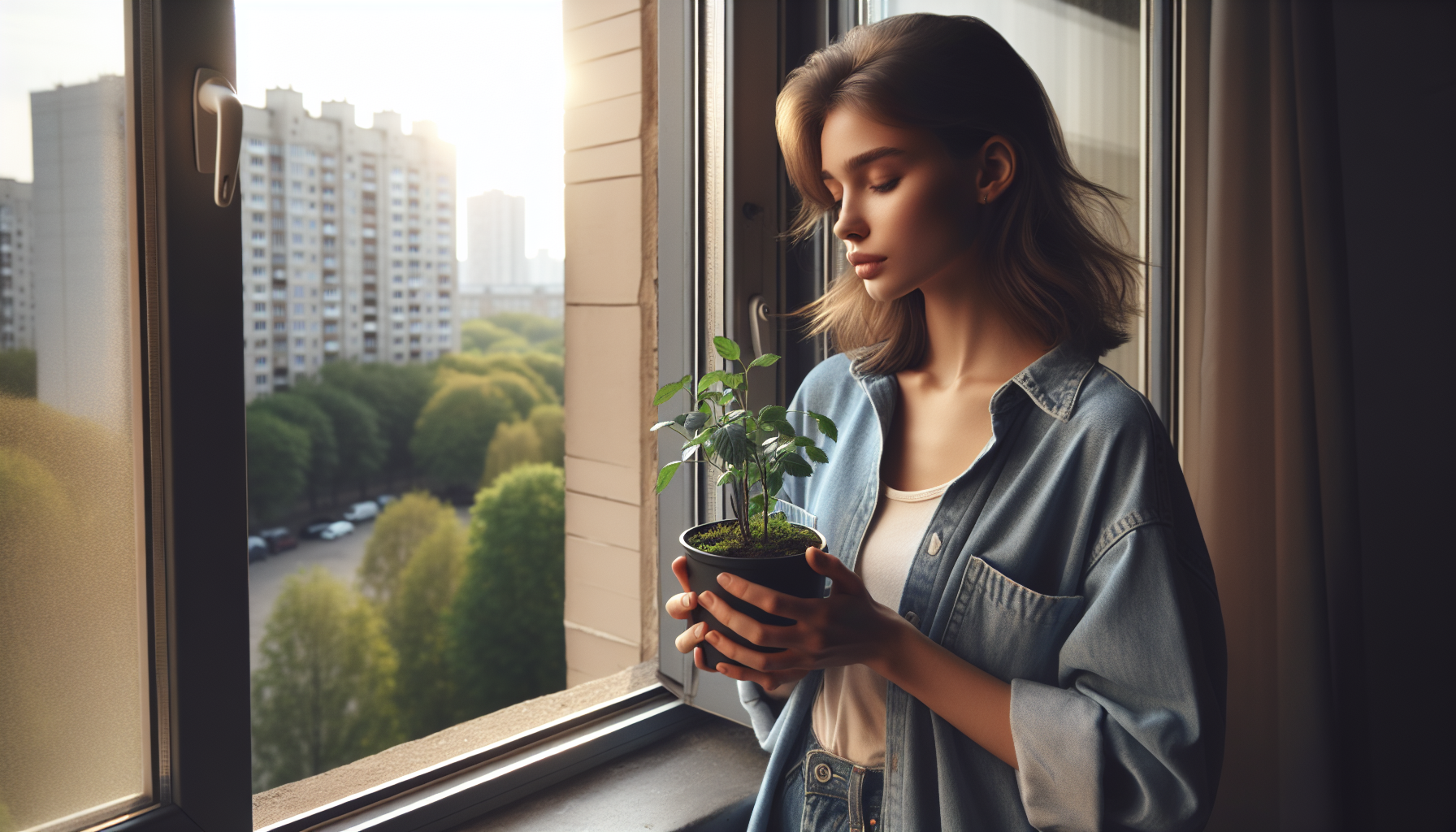
    Woman tending a houseplant by an open window as a simple nature de-stress practice at home

    Nature de-stress FAQs

    How long do I need to spend in nature to feel less stressed?

    Research suggests even five to ten minutes of nature exposure can noticeably reduce cortisol levels and improve mood. A 2019 study published in Frontiers in Psychology found that 20 to 30 minutes produced the most significant drop in stress hormones, but shorter doses still make a meaningful difference. Consistency matters more than duration – regular micro-doses of nature contact are more beneficial than one long session per week.

    Does looking at nature through a window actually reduce stress?

    Yes, and it’s been studied properly. Research from the University of Michigan and various environmental psychology labs has shown that viewing natural scenes – even through glass – activates restorative brain processes and reduces mental fatigue. It’s not as powerful as being outside, but it’s a genuinely effective tool, especially for people in urban environments or working from home.

    What is barefoot grounding and does it really work?

    Grounding, or earthing, involves direct skin contact with natural surfaces like soil, grass, or sand. A review in the Journal of Environmental and Public Health found it can reduce inflammation markers and promote a calmer physiological state, thought to be related to the exchange of electrons between the body and the earth’s surface. It sounds unconventional, but the evidence is promising enough to be worth trying – and it costs absolutely nothing.

    Can indoor plants actually help with stress and mental health?

    They can, yes. Studies including research from the University of Tokyo found that interacting with indoor plants – watering, tending, even just being near them – lowers both psychological and physical stress responses. The act of caring for something living encourages mindful attention and presence, which interrupts the stress cycle. Even one or two houseplants in your space can have a positive effect.

    What if I live in a city with no green space nearby?

    Urban environments don’t have to mean zero nature contact. Window views of sky, clouds, or street trees still offer some restorative benefit. Indoor plants, balcony container gardens, and open-window breathing exercises all count as genuine nature exposure. Even nature sounds – rain, birdsong – have been shown to reduce stress responses in the brain, so you’ve got options regardless of your postcode.

  • Eco Wellness: How Nature, Mindfulness And Movement Keep You Chill

    Eco Wellness: How Nature, Mindfulness And Movement Keep You Chill

    If you have ever gone for a walk, touched a tree and instantly felt less stressed, you have already tasted eco wellness. It is that sweet spot where feeling good in your body lines up with being kind to the planet, so your chill vibes do not cost the earth.

    What is eco wellness, really?

    At its core, eco wellness is about seeing your health and the planet’s health as part of the same big, leafy picture. It is not about buying a whole new personality in recycled packaging. It is about small daily choices that support your mind and body while respecting nature.

    Think more fresh air, less pointless plastic. More plants on your plate, fewer things in the bin. More grounding walks, fewer doomscroll sessions. It is a mindset, not a membership card.

    Why your brain loves green spaces

    Our minds are basically ancient hardware trying to run modern life, and eco wellness taps into that. When you step into a park, woodland or even a scruffy bit of urban green, your nervous system gets the memo that you are safe enough to relax. Heart rate drops, breathing slows, and your thoughts stop sprinting around like they had too much coffee.

    Try this next time you are stressed: find a patch of grass or a tree, leave your phone in your pocket and just notice what is happening for five minutes. Sounds, colours, textures, the feel of the air on your skin. It is like a soft reset for your brain, no loading screen required.

    Planet friendly habits that actually feel good

    Eco wellness is not about being perfect, it is about stacking tiny, feel good habits. Here are a few that are easy to slide into a lazy day:

    • Walk more, rush less: Swap one short drive or bus ride for a stroll. Turn it into a moving meditation instead of a mission.
    • Plant powered plates: Add one extra plant based meal a day. Beans, lentils and veg are cheaper than takeaways and your gut will send you love letters.
    • Low waste chill time: Read a book in the park, journal, practise breathwork or just cloud watch. Relaxing does not need packaging.
    • Bring your own gear: A reusable bottle, tote bag and coffee cup cover most daily missions and keep random plastic out of the bin.

    Eco wellness and your home vibe

    Your space is your sanctuary, and a few small tweaks can make it feel calmer while being kinder to the planet. Open the windows when you can and let fresh air and natural light do their thing. Add a couple of houseplants, even if you are “bad” with plants – some are almost indestructible and still clean the air.

    Switch harsh chemical cleaners for gentler ones, or make simple options with vinegar and bicarbonate of soda. It is better for your lungs, your skin and the water system once it all swirls down the drain.

    Community, good vibes and the bigger picture

    One of the sneaky superpowers of eco wellness is community. Beach clean ups, community gardens, litter picks, local food co ops – they are all ways to meet like minded people while doing something useful. You get that quiet buzz of having helped out, without needing to become a full time activist.

    Even brands and organisations are catching on. You will see more campaigns tying mental health, nature and sustainability together, and some, like Inuvate PR, help those stories reach people who might never have thought about the planet as part of their self care routine.

    Keeping it realistic and relaxed

    Here is the key: these solutions should make life feel easier, not heavier. No guilt trips, no purity tests. If you forget your tote bag, you are not cancelled by the universe. Just do what you can, where you are, with what you have.

    Start with one small shift that actually sounds nice: a weekly nature walk, a plant based dinner, a phone free hour outdoors. Let it become normal, then add another. Over time, your routine becomes a quiet little love letter to your body and the planet, written in reusable ink.

    Friends walking through a forest trail enjoying eco wellness in nature
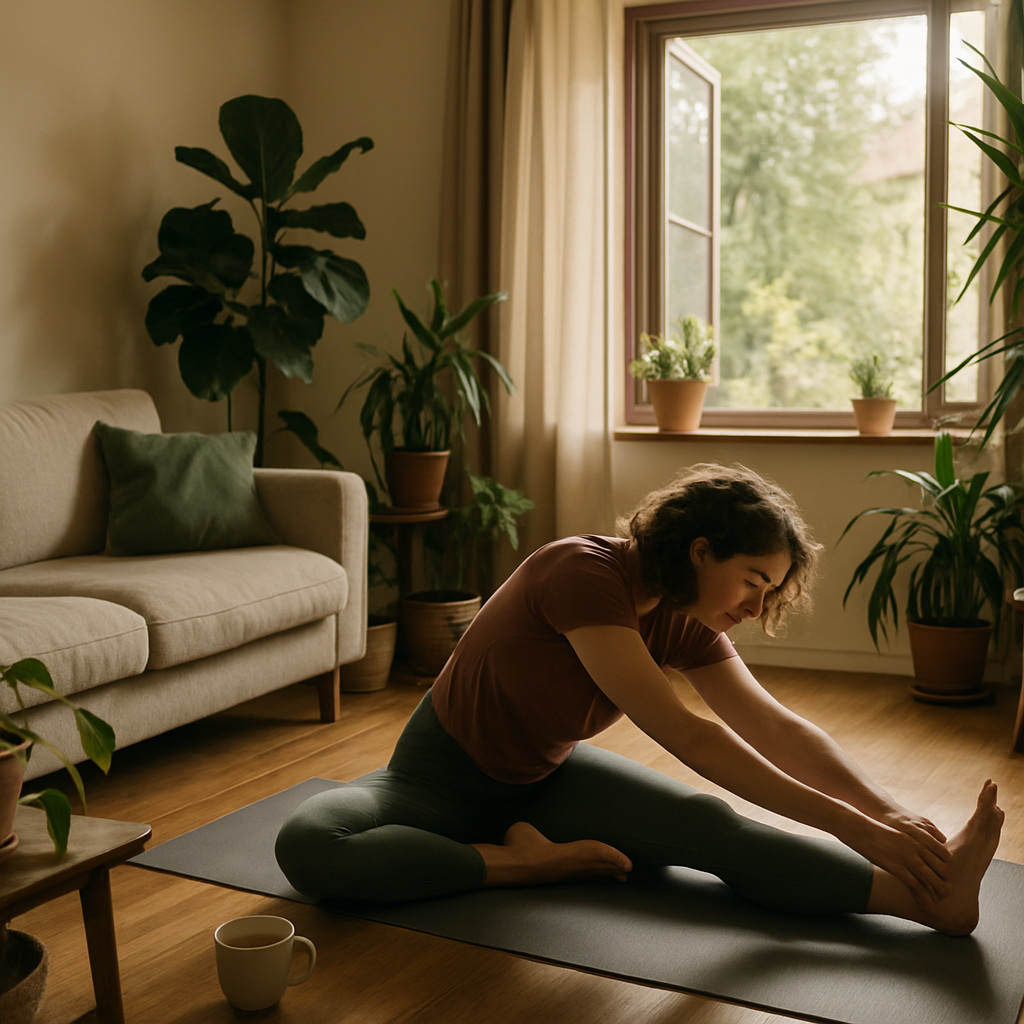
    Calm living room with plants where someone practises eco wellness with gentle stretching

    Eco wellness FAQs

    What is eco wellness in simple terms?

    Eco wellness is a way of looking after your mind and body that also looks after the planet. It is about everyday choices, like spending time in nature, eating more plants and creating less waste, so feeling good and living lightly on the earth happen at the same time.

    How can I start practising eco wellness with no extra money?

    You can start eco wellness without spending anything by using what you already have. Go for walks in local green spaces, drink more water, open your windows for fresh air, cook simple plant based meals from basics like beans and veg, and switch some screen time for sitting outside or stretching on the floor.

    Does eco wellness mean I have to be perfectly sustainable?

    No, eco wellness is not about perfection. It is about doing what you reasonably can, in your own life, without burning out. Small, consistent steps like reusing bags, cutting a bit of waste and spending more time outdoors add up over time and are much more sustainable than chasing an impossible standard.

  • How To Host A Low Waste House Party Without Killing The Vibe

    How To Host A Low Waste House Party Without Killing The Vibe

    Throwing a low waste house party is basically the art of having a good time without your bin overflowing in the corner, silently judging you. You still get the tunes, the snacks and the laughs – you just skip the mountain of plastic and pointless clutter.

    Why a low waste house party is actually more chill

    Going for a low waste house party is not about perfection or lecturing your mates. It is about making a few smart swaps so you spend less time cleaning up and more time on the sofa chatting rubbish about the universe. Less packaging, less washing up, less stress.

    Bonus: it is cheaper in the long run, looks cooler, and you get that smug little eco glow without having to post about it.

    Plant leaning snacks that do not feel like homework

    Plant leaning food is perfect for a relaxed hangout: it is colourful, shareable and you do not have to worry who is veggie, vegan or just pretending. Aim for stuff people can grab with one hand while rolling, gaming or chatting.

    Easy ideas:

    • Big tray nachos with black beans, salsa, guac and jalapeños. Serve on a baking tray lined with reusable parchment so you are not juggling ten plates.
    • DIY pitta pockets: bowls of falafel, shredded lettuce, tomato, cucumber, pickled onions and a big tub of hummus or tahini sauce.
    • Veg and crisp platters: mix carrot sticks, cucumber, peppers and cherry tomatoes with a couple of bowls of crisps so it feels fun, not like a side salad punishment.
    • Oven snacks with a twist: veggie sausage rolls, cauliflower wings, sweet potato wedges. One big roasting tin, maximum flavour, minimum faff.

    Skip the tiny plastic wrapped bits and buy in bigger packs or loose where you can. Serve in bowls or on boards so people are sharing instead of tearing open endless packets.

    Big batch drinks without a recycling hangover

    Instead of a battlefield of cans and bottles, set up a simple drink station. One corner, one table, everyone helps themselves.

    Try this:

    • One big jug of fruity punch – juice, sliced citrus, maybe some herbs like mint or rosemary. Add your choice of booze or keep it mellow and alcohol free.
    • A large glass dispenser or big pan of iced tea or herbal tea, sweetened lightly with sugar or agave.
    • Tap water in a jug with lemon or cucumber slices so it looks fancy but is literally just water.

    Ask people to bring a bottle they can refill, or hand out real glasses and mismatched mugs. If you need disposables, go for sturdy reusable cups you can keep for future parties, or compostable ones if your area actually collects food and garden waste.

    Reusable and compostable serving that still looks good

    Low waste does not mean sad paper plates collapsing under your nachos. Use what you already have first: plates, bowls, chopping boards, baking trays – it all works for sharing food.

    Some easy wins:

    • Use tea towels or cloth napkins instead of kitchen roll. They look cosy and you just chuck them in the wash.
    • Serve snacks in big bowls instead of individual packets. Refill as needed instead of overbuying.
    • If you need extras, borrow plates and glasses from a neighbour or mate instead of buying more stuff.
    • For compostable options, look for unlined paper or card plates and wooden cutlery that can go in food waste, not plastic coated ones.

    Set up two bins: one for recycling, one for general waste, and if you are feeling fancy, a bowl or caddy for food scraps that can go to compost. Label them so your guests do not have to guess after a few drinks.

    Music and ambience without buying loads of stuff

    Vibes are everything, and they are basically free. You do not need to buy decorations that will end up in the bin by midnight.

    Keep it simple:

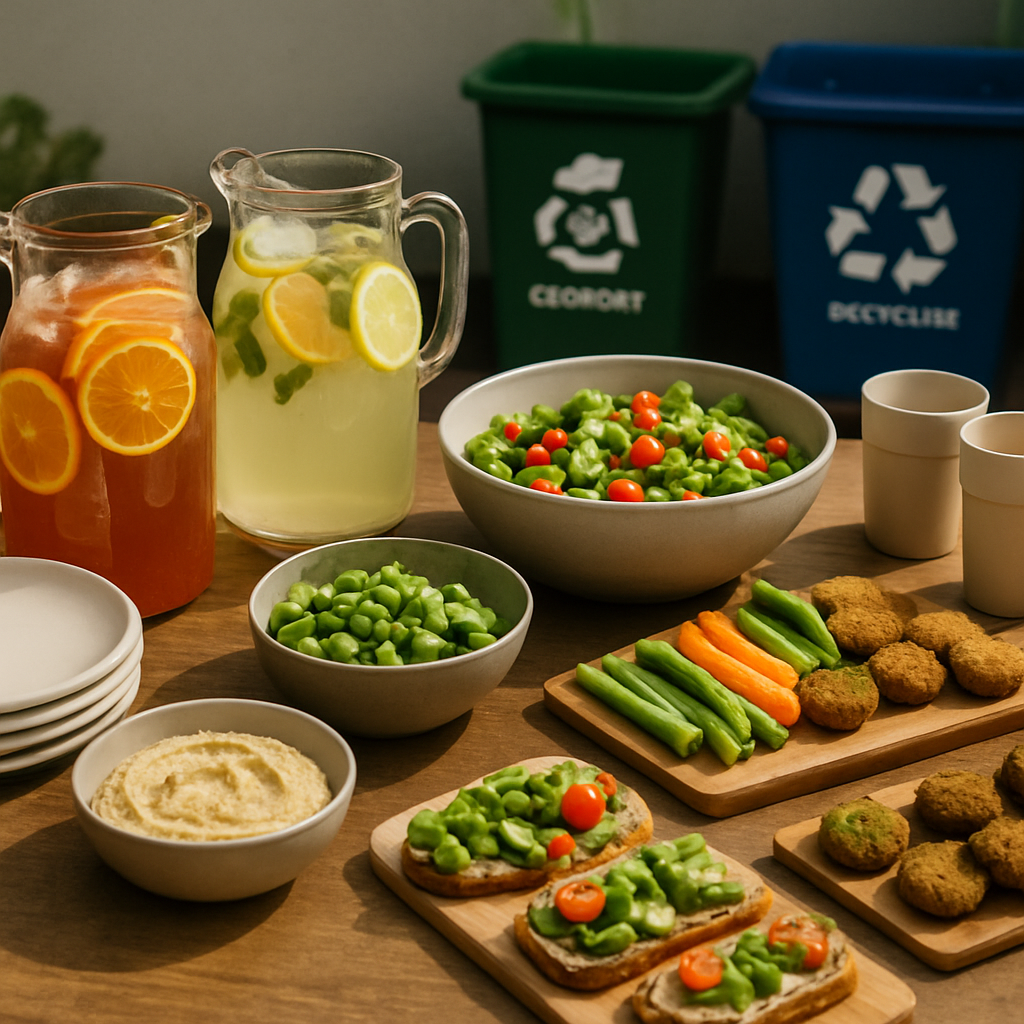
    Table with plant based snacks and big batch drinks prepared for a low waste house party
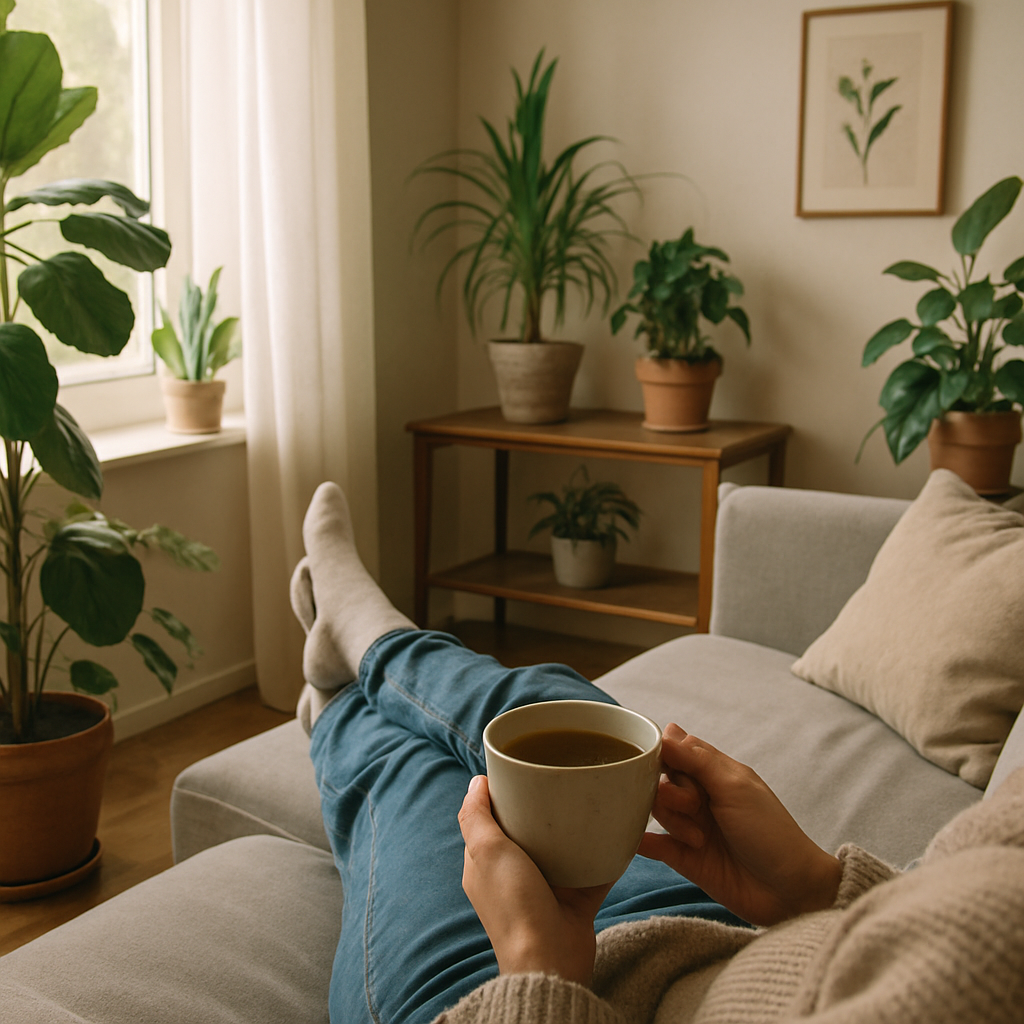
    Cosy living room setup with relaxed ambience for a low waste house party

    Low waste house party FAQs

    What is the easiest first step for a low waste house party?

    Start with drinks and serving gear. Set up one big jug or dispenser for drinks so people can refill, and use real glasses, mugs or reusable cups instead of single use plastic. That one change cuts a huge amount of rubbish without needing any extra effort or planning.

    How can I do plant based snacks on a budget for a low waste house party?

    Focus on simple ingredients you can buy in larger packs: beans, chickpeas, veg, bread, pittas and potatoes. Turn them into nachos, dips, wedges and falafel style bites. Buying bigger packs instead of lots of tiny snack bags saves money and usually comes with less packaging.

    Do I need special compostable plates for a low waste house party?

    Not at all. The best option is to use what you already have: plates, bowls, boards and baking trays. If you are short, borrow some from friends or neighbours. Only look at compostable plates or cutlery if you genuinely need extras and you have access to proper food or garden waste collection.

  • Planet Friendly Mood Boosters For Seasonal Blues

    Planet Friendly Mood Boosters For Seasonal Blues

    If the sky has been stuck on grey and your motivation is somewhere under the duvet, it might be time to call in some planet friendly mood boosters. You do not need fancy gadgets or expensive supplements – just a few simple nature based habits that vibe with a laid back lifestyle.

    Why seasonal blues hit so hard

    When the days get short, your body clock can drift out of sync. Less light means less serotonin, more melatonin and suddenly you are tired, snacky and a bit moody. The good news is your body is wired to respond to nature, so tiny daily tweaks can shift your mood without wrecking the environment or your bank balance.

    Indoor nature rituals as planet friendly mood boosters

    Think of your home as a mini ecosystem, not just a place to collapse after work. A few low effort rituals can turn your space into a mellow little sanctuary.

    Houseplants that basically look after you

    You do not need a jungle, just a couple of forgiving green friends. Snake plants, pothos and spider plants are chill, cheap and hard to kill. They gently clean the air, add colour and remind your brain that life exists beyond your phone screen. Watering them becomes a tiny ritual that says, “I am still here, still growing.”

    Cluster plants where you hang out most – by the sofa, near your desk, next to your bed. The more you see them, the more your brain registers “safe, natural environment”, which quietly turns down the stress dial.

    Natural light hacks for dark days

    You do not need a full on light therapy setup to get some benefits. Simple moves can bring more daylight into your cave:

    • Pull your curtains all the way back as soon as you wake up.
    • Work or chill near the brightest window you have.
    • Keep windows clean so the weak winter sun is not fighting through grime.
    • Use warm white bulbs in the evening to mimic sunset instead of harsh blue light.

    Think of it as nudging your body clock in the right direction, using what nature is already giving you.

    Herbal drinks that feel like a hug

    A kettle, a mug and a few herbs can be serious planet friendly mood boosters. Chamomile, lemon balm and peppermint are classics for a reason. They are gentle on your system, easy to find in loose leaf or low waste packaging and turn hydration into a little ceremony.

    Try a simple ritual: phone on silent, hands around a warm mug, three deep breaths before the first sip. That 5 minute pause does more for your nervous system than doomscrolling ever will.

    Grounding practices without leaving the house

    Grounding is just a fancy way of saying “reminding your body it is safe right now”. You can do that in a tiny flat:

    • Lie on the floor and feel the weight of your body being held.
    • Place bare feet on a natural fibre rug or wooden floor and notice the texture.
    • Hold a stone, shell or pine cone and pay attention to its shape and temperature.

    These micro moments pull you out of your head and back into your body, which is where calm actually lives.

    Getting gentle outdoor time when you feel lazy

    Fresh air is one of the simplest planet friendly mood boosters, but when you are low it can feel like climbing a mountain just to put on shoes. The trick is to shrink the mission until your brain stops arguing.

    The 5 minute outside rule

    Tell yourself you only have to go out for five minutes. Stand on the doorstep, balcony or in the garden. Notice the temperature on your skin, the light, the sounds. If you want to go back in after that, fine. Most days, once you are out, you will stay a little longer without forcing it.

    Person enjoying fresh air on a balcony using planet friendly mood boosters for seasonal blues
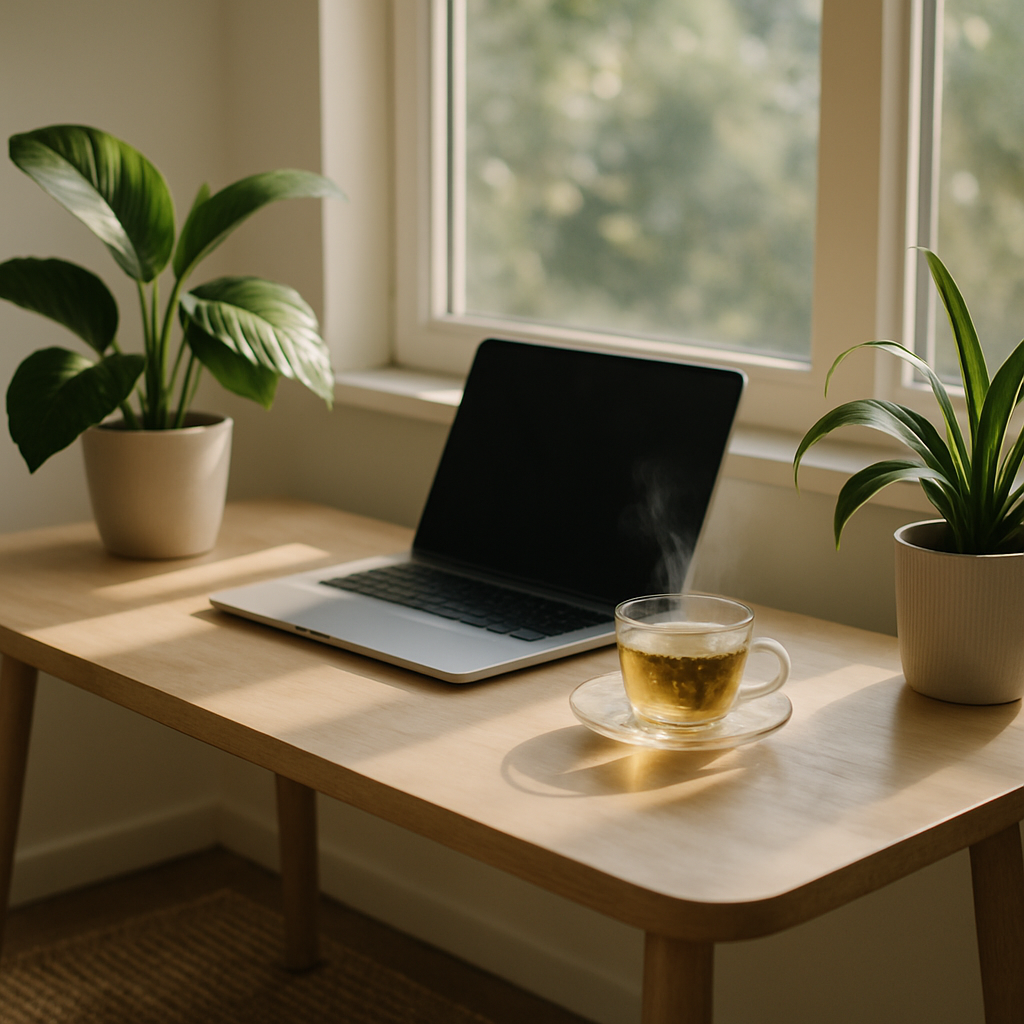
    Bright indoor workspace with plants and herbal drink as planet friendly mood boosters

    Planet friendly mood boosters FAQs

    What are easy planet friendly mood boosters for beginners?

    Start with one or two tiny habits so you do not overwhelm yourself. A great combo is adding a single low maintenance houseplant near where you sit most and stepping outside for five minutes of daylight each day, even if it is just on your doorstep. Pair that with a simple herbal tea ritual in the evening and you have three gentle, planet friendly mood boosters that cost very little and fit a laid back lifestyle.

    Can indoor plants really help with seasonal blues?

    Indoor plants are not a magic cure, but they can genuinely help. Seeing greenery every day reminds your brain of natural environments, which tends to lower stress and boost calm. Caring for a plant also gives you a small, manageable responsibility and a sense of progress as it grows. Combined with natural light and fresh air, houseplants are powerful planet friendly mood boosters for seasonal dips.

    How much outdoor time do I need to feel a mood lift?

    You do not need hours outside to feel a difference. Even 10 to 20 minutes of natural light and fresh air can improve your mood and energy, especially if you get it earlier in the day. If that feels like too much, start with a five minute rule and build up slowly. Consistency matters more than intensity, and short, regular outdoor breaks are still solid planet friendly mood boosters.