Category: General

  • How Sustainable Manufacturing Is Actually Saving the Planet (No Cap)

    How Sustainable Manufacturing Is Actually Saving the Planet (No Cap)

    Right, so here’s the thing – sustainable manufacturing might not sound like the sexiest topic at first glance, but stick with Dr Greenthumb for a minute, because what’s happening in the world of how we actually make stuff is genuinely wild in the best possible way. We’re talking less waste, cleaner energy, and products that don’t cost the Earth – literally.

    What Even Is Sustainable Manufacturing?

    At its core, sustainable manufacturing is about producing goods without trashing the planet in the process. That means cutting down on energy waste, using renewable resources where possible, reducing harmful emissions, and designing products with their end-of-life in mind from the very start. It’s the difference between a factory belching black smoke and one quietly humming along on solar power while recycling its own off-cuts. The goal is to make things people actually need, but without leaving a catastrophic mess behind for future generations to sort out.

    And before you think this is just corporate greenwashing dressed up in a recycled press release – some of it genuinely isn’t. Real change is happening on the ground, in workshops, studios and production facilities across the UK and beyond.

    Why Sustainable Manufacturing Matters More Than Ever Right Now

    The numbers are hard to ignore. Global manufacturing accounts for roughly a fifth of all carbon emissions worldwide. That’s not a small problem you can compost your way out of. Supply chains are responsible for enormous amounts of water usage, chemical runoff, and landfill contribution. The old model of “make it cheap, chuck it when it breaks” is finally being recognised for what it is – an absolute disaster.

    But here’s where the good vibes kick in. The shift toward sustainable manufacturing isn’t just driven by guilt – it’s being driven by innovation. Businesses that are finding cleaner ways to produce things are often also finding cheaper, smarter, and more efficient ways to do it. Sustainability and profitability are no longer opposites, which means companies actually have financial reasons to clean up their act. Nature wins, balance sheets win. Everyone’s happy.

    Cool Ways Sustainable Manufacturing Is Happening Right Now

    Circular Design – Making Things That Come Back Around

    One of the most exciting shifts in sustainable manufacturing is circular design – the idea that a product’s materials should be recoverable and reusable at the end of its life. Trainers made from recycled ocean plastic. Furniture built to be disassembled and rebuilt. Packaging that dissolves in water. Designers are approaching the drawing board with the question “where does this end up in ten years?” and building backwards from there. It’s clever, it’s necessary, and it’s producing some genuinely beautiful objects.

    Additive Manufacturing – Building Only What You Need

    Traditional manufacturing often works by cutting away – you start with a block of material and remove the bits you don’t need. That produces a lot of waste. Additive manufacturing flips the script entirely, building objects layer by layer using only the material that’s actually needed. Techniques like 3D Printing are already being used in industries ranging from medical devices to architectural modelling, dramatically reducing material waste in the process. When you only use what you need, there’s a lot less to throw away.

    Renewable Energy in Production

    More factories and production facilities are switching to wind and solar power to run their operations. Some are going further – capturing heat generated during manufacturing to power other parts of the building, or investing in battery storage to make the most of renewable generation. It’s the kind of thinking that makes these solutions feel genuinely optimistic rather than just damage limitation.

    Is the UK Leading the Way?

    Actually, yes – in some areas. The UK has made serious commitments around net-zero targets, and British manufacturers are increasingly being held to those standards by both legislation and consumer pressure. From small independent makers using natural dyes and reclaimed materials to larger operations investing in hydrogen-powered facilities, there’s real momentum here.

    these solutions is also creating jobs – not just replacing old ones with cleaner versions, but generating entirely new roles in green engineering, material science, and circular economy logistics. That’s the kind of economic story that deserves a bit more airtime than it typically gets.

    What You Can Do as a Consumer

    Here’s where it gets personal. these solutions doesn’t happen in a vacuum – it responds to demand. When people choose products made with lower environmental impact, they send a signal that reverberates all the way back up the supply chain. You don’t have to be perfect about it – nobody is. But asking “how was this made?” more often than you used to is a genuinely powerful thing.

    Look for brands that are transparent about their supply chains. Support makers who use reclaimed or recycled materials. Buy less, but buy better. And when something breaks, try to get it repaired before you replace it. None of this is rocket science, but collectively it adds up to exactly the kind of pressure that makes these solutions not just a niche preference but an industry standard.

    The Bottom Line

    these solutions isn’t a future concept – it’s happening right now, and it’s accelerating. The combination of environmental urgency, technological innovation, and genuine consumer appetite for better choices is creating a manufacturing landscape that looks meaningfully different to the one we had even a decade ago. It’s not perfect yet, not by a long stretch. But the direction of travel? That’s something worth feeling good about.

    Close-up of hands assembling a product using reclaimed materials as part of a sustainable manufacturing process
    Young designers reviewing sustainable manufacturing material samples and product prototypes in a bright workshop

    Sustainable manufacturing FAQs

    What is sustainable manufacturing in simple terms?

    Sustainable manufacturing means producing goods in a way that minimises harm to the environment – using less energy, generating less waste, and relying on cleaner materials and processes wherever possible. The goal is to meet today’s production needs without making things worse for the planet long-term. It covers everything from how raw materials are sourced to what happens to a product when it reaches the end of its life.

    How does sustainable manufacturing reduce waste?

    It reduces waste through a combination of smarter design, better materials management, and new production techniques. Circular design ensures materials can be recovered and reused after a product’s useful life ends. Additive manufacturing techniques build products layer by layer, using only the material that’s genuinely needed rather than cutting away excess. Energy waste is also tackled through renewables and heat recovery systems built into modern facilities.

    Is sustainable manufacturing more expensive than traditional manufacturing?

    It can involve higher upfront costs, particularly when investing in new equipment or reformulating products with better materials. However, the longer-term picture is often more positive – using fewer raw materials, generating less waste to dispose of, and running on cheaper renewable energy all help to reduce operating costs over time. Many businesses find that sustainability and efficiency go hand in hand once the initial transition is made.

    Which industries are leading in sustainable manufacturing?

    Fashion, construction, food production, and consumer electronics are all seeing significant activity in sustainable manufacturing right now. The fashion industry in particular is under enormous pressure to address its environmental footprint, leading to real innovation in recycled fibres, natural dyes, and take-back schemes. Construction is embracing materials like cross-laminated timber and recycled aggregates, while food producers are tackling packaging and supply chain emissions aggressively.

    How can I tell if a brand is genuinely committed to sustainable manufacturing?

    Transparency is the biggest indicator – brands that are serious about sustainability tend to publish detailed information about their supply chains, material sourcing, and environmental targets. Look for third-party certifications such as B Corp status or ISO 14001 environmental management accreditation. Be cautious of vague claims like “eco-friendly” without supporting detail, as these can be signs of greenwashing rather than genuine commitment to better manufacturing practices.

  • Gut Bugs, Parasites and the Wild World Living Inside You

    Gut Bugs, Parasites and the Wild World Living Inside You

    Here’s a fun fact nobody tells you at a dinner party: your body is home to roughly 38 trillion microorganisms. Bacteria, fungi, viruses, archaea – a whole civilisation buzzing away inside your intestines right now. Welcome to gut microbiome health, arguably the most interesting neighbourhood you’ll never actually visit. Pull up a beanbag. Let’s talk about the tiny universe within.

    What Even Is Your Gut Microbiome?

    Your gut microbiome is the collective name for all the microorganisms living in your digestive tract – primarily your large intestine. Think of it like a rainforest. At its best, it’s thriving, diverse and balanced, with all sorts of species doing their specific jobs. At its worst, it’s more like a car park – grey, hostile and dominated by a few opportunistic species that shouldn’t really be in charge.

    These microbes aren’t just freeloaders either. They help break down food your body can’t digest on its own, produce vitamins like B12 and K2, regulate your immune system, and even communicate with your brain via the gut-brain axis. Yes, your belly talks to your head. That gut feeling? Completely literal.

    Why Gut Microbiome Health Is Having Its Moment

    Science has spent the last decade absolutely losing its mind over the gut microbiome. Researchers have now linked disruptions in microbial balance – a state called dysbiosis – to everything from anxiety and depression to autoimmune conditions, obesity, skin issues and chronic fatigue. It turns out that when your gut bugs are struggling, the rest of you tends to feel it too.

    Stress, antibiotics, ultra-processed food, poor sleep and even environmental toxins can all knock the ecosystem off balance. Modern life, basically. Which is why more people than ever are starting to pay serious attention to what they’re feeding their inner world – not just their outer one.

    What Upsets the Balance?

    A few of the usual suspects when it comes to disrupted gut microbiome health:

    • Ultra-processed food – Low in fibre, high in additives. Your beneficial bacteria basically starve.
    • Antibiotics – Brilliant when you need them. Nuclear bomb for your gut ecosystem when overused.
    • Chronic stress – Cortisol negatively alters the microbial environment. Your gut knows when you’re panicking.
    • Poor sleep – Your microbiome has its own circadian rhythm. Mess with yours, you mess with theirs.
    • Alcohol – Heavy consumption significantly reduces microbial diversity. Sorry about it.

    And then there’s the slightly more exotic category – unwanted guests. Intestinal parasites are more common than most people realise, particularly after travel, contaminated water, or contact with animals. If you’ve been feeling off and nothing seems to explain it, some people explore options like a parasite cleanse as part of a broader gut reset. It’s worth doing your research and speaking to a health professional first, but the conversation around gut intruders is becoming a lot more mainstream.

    How to Actually Support Your Gut (Without Being Boring About It)

    Good news: supporting your gut microbiome health doesn’t have to mean living on kale smoothies and misery. Here’s what genuinely moves the needle:

    Eat More Plants (Seriously, More)

    Diversity is the key word here. Aiming for 30 different plant foods a week – fruits, vegetables, wholegrains, legumes, nuts, seeds, herbs and spices – is one of the most evidence-backed strategies out there. Each different plant feeds different bacterial species. The more variety, the more a thriving ecosystem you build.

    Fermented Foods Are Your Friends

    Kimchi, sauerkraut, kefir, live yoghurt, kombucha, miso – these all introduce beneficial bacteria directly into your gut and have been shown to increase microbial diversity. Plus they taste great, which is a rare win in wellness.

    Feed the Good Bugs With Prebiotics

    Prebiotics are basically food for your beneficial bacteria. Garlic, onions, leeks, oats, bananas, asparagus and chicory root are all excellent sources. Think of prebiotics as the fertiliser that makes your gut garden flourish.

    Chill Out More

    Genuinely. Stress management isn’t just a lifestyle choice – it’s a gut health strategy. Whether that’s time in nature, breathwork, yoga, swimming in cold water or just putting your phone down for an hour, managing cortisol levels has a direct positive effect on your microbial balance. Dr Greenthumb approves of this prescription wholeheartedly.

    The Gut-Brain Connection Is the Real Plot Twist

    One of the most mind-bending aspects of gut microbiome health is the gut-brain axis – the two-way communication highway running between your digestive system and your central nervous system. About 90% of the body’s serotonin (the feel-good neurotransmitter) is actually produced in the gut. So if your gut is inflamed, imbalanced or stressed, your mental health may well reflect that.

    Researchers are actively investigating whether improving gut health could play a meaningful role in managing conditions like depression, anxiety and even cognitive decline. We’re not there yet in terms of clinical guidance, but the direction of travel is fascinating. Your gut really might be the second brain everyone’s been talking about.

    The Bottom Line on Gut Microbiome Health

    Your gut microbiome is not some fringe wellness concept – it’s a fundamental pillar of human health that mainstream medicine is only just catching up with. The choices you make around food, sleep, stress and movement every single day are either feeding a thriving ecosystem or slowly running it down. The good news is that the gut is remarkably resilient. Small, consistent changes genuinely add up. Start with more plants, more fermented foods, less stress, and a bit more respect for the 38 trillion little legends keeping you alive.

    Close-up of fermented foods in jars on a wooden surface - key foods for gut microbiome health
    Relaxed man eating plant-based food outdoors in nature as part of a gut microbiome health lifestyle

    Gut microbiome health FAQs

    What is the gut microbiome and why does it matter?

    The gut microbiome is the collection of trillions of microorganisms – bacteria, fungi and other microbes – living in your digestive tract. It plays a critical role in digestion, immune function, mental health and vitamin production. A balanced, diverse microbiome is strongly associated with better overall health outcomes.

    How do I know if my gut microbiome is unhealthy?

    Common signs of an imbalanced gut microbiome include bloating, irregular bowel movements, persistent fatigue, frequent illness, skin conditions like eczema or acne, and mood disturbances like anxiety or low mood. If you’re experiencing several of these symptoms regularly, it’s worth speaking to a healthcare professional who can advise on gut health testing and support.

    What foods are best for improving gut microbiome health?

    A wide variety of plant foods is the most evidence-backed approach – aim for around 30 different plant types per week including vegetables, fruits, legumes, wholegrains, nuts and seeds. Fermented foods like kimchi, kefir and live yoghurt are also excellent, as are prebiotic-rich foods like garlic, onions, oats and bananas.

    Can stress really affect your gut microbiome?

    Yes, significantly. Chronic stress raises cortisol levels, which directly disrupts the microbial environment in your gut, reducing diversity and promoting the growth of harmful bacteria. The gut-brain axis means stress and gut health are deeply interconnected, so managing stress is genuinely one of the most impactful things you can do for your digestive wellbeing.

    How long does it take to improve your gut microbiome?

    Research suggests that dietary changes can begin to shift microbial composition within just a few days, though meaningful, lasting improvements tend to take several weeks to months of consistent effort. The gut microbiome is dynamic and responsive, meaning small daily habits compound over time into significant changes.

  • Eco-Friendly Smoking: How to Shrink Your Environmental Footprint Without Quitting the Vibe

    Eco-Friendly Smoking: How to Shrink Your Environmental Footprint Without Quitting the Vibe

    Look, nobody’s here to tell you what to do. If you enjoy a smoke or a vape, that’s your call. But if you care about the planet – and given you’re reading a blog called Dr Greenthumb, we’re guessing you do – then it’s worth having a relaxed, honest chat about eco-friendly smoking and what it actually looks like in practice. Turns out, a few small swaps can make a genuinely meaningful difference without killing your enjoyment or your vibe.

    The Quiet Environmental Problem With Cigarette Filters

    Here’s something most people don’t realise: cigarette filters are not biodegradable. Those little white tips are made from cellulose acetate, a form of plastic, and they’re the single most collected item in beach and street litter cleanups across the UK. Billions of them end up in waterways, soil and oceans every year, leaching nicotine, heavy metals and other lovely chemicals as they go.

    The fix is simpler than it sounds. Filter disposal pouches – small, sealable bags you can carry in your pocket – let you hold onto your butts until you find a proper bin. Some councils and organisations run dedicated cigarette recycling schemes where collected butts are processed into industrial materials like plastic lumber. It’s not glamorous, but it’s miles better than the kerb.

    If you roll your own, consider unbleached, natural fibre tips or filter tips made from sustainably sourced materials. They still do the job and they don’t hang around in a hedgerow for a decade.

    Vaping: Better for Your Lungs, Worse for the Bin?

    Vaping is often sold as the cleaner alternative, and from a personal health standpoint there’s something to that – it cuts out combustion and a lot of the nastier byproducts of burning tobacco. But disposable vapes? They’re an environmental nightmare dressed up in pastel colours.

    A single disposable vape contains a lithium battery, a plastic casing and an electronic circuit board. In the UK alone, millions of these are chucked in general waste bins every week, which means precious lithium – a finite resource – ends up in landfill instead of being recovered and reused. That’s genuinely daft.

    The better move is to switch to a refillable vape kit. You buy the device once, replace coils occasionally, and fill it with your chosen e-liquid. The ongoing waste drops dramatically. If you do use disposables, most local authority household waste recycling centres accept small electrical items, and some vape shops now run take-back schemes. Use them.

    Eco-Friendly Smoking Gear Worth Knowing About

    The market for greener smoking accessories has grown a lot recently. Here’s what’s actually worth your attention:

    • Hemp rolling papers: Organically grown hemp papers burn cleaner than wood pulp alternatives and the crop itself is kinder to the soil. Win-win.
    • Reusable lighters: Refillable butane lighters or arc-style electric lighters generate far less waste than disposables. A decent refillable lighter can last years.
    • Ashtrays with lids: Keeping ash and butts contained until proper disposal is the lowest-effort step you can take.
    • Glass or bamboo pipes: Reusable, durable, and produce no single-use waste. Bamboo in particular is a fast-growing, sustainable material.

    Packaging Waste: The Problem Nobody Talks About

    Cigarette packets, e-liquid bottles, vape boxes – the packaging in the smoking world adds up fast. Cardboard packaging is generally recyclable, but the foil lining inside cigarette packets usually isn’t. Tear it out, put the cardboard in recycling and bin the foil separately.

    For e-liquid, small plastic bottles can be tricky depending on your local recycling rules. Buying in larger volumes – where it makes sense for you – means fewer individual bottles over time. Some e-liquid brands now offer glass bottles or use recycled plastics; those are worth seeking out if the eco-angle matters to you.

    Indoor Air Quality: A Bit of Harm Reduction Goes a Long Way

    Whether it’s tobacco, herb or anything else, smoking indoors affects your air quality and the air quality of anyone around you. That’s not a lecture – it’s just physics. Combustion products linger on surfaces and in soft furnishings long after the smoke itself clears.

    A few things that actually help:

    • Crack a window or use an extractor fan while smoking indoors to keep air moving.
    • A HEPA air purifier in a smoking room will clear particulate matter more effectively than you’d expect.
    • Smoking near an open window or in a dedicated outdoor space is still the simplest and most effective step for keeping indoor air cleaner.
    • Vaping indoors produces fewer persistent particles than combustion, though it’s still not totally neutral for air quality.

    Small Habits, Bigger Picture

    Nobody becomes perfectly sustainable overnight, and that’s fine. Eco-friendly smoking isn’t about guilt – it’s about making slightly better choices where they’re easy to make. Swap a disposable lighter for a refillable one. Pocket your butts until you find a bin. Grab hemp papers next time you’re stocking up. These aren’t sacrifices; they’re just minor upgrades.

    The planet doesn’t need you to be perfect. It just needs you to give a little bit of a damn. And if you’re reading this far, it’s pretty clear you already do.

    Close-up of reusable eco-friendly smoking accessories including a refillable vape and bamboo ashtray
    Two friends enjoying eco-friendly smoking alternatives outdoors on a sunny balcony surrounded by plants

    Eco-friendly smoking FAQs

    Are cigarette filters actually recyclable in the UK?

    Yes, but not through standard kerbside recycling. In the UK, some organisations and councils run dedicated cigarette butt collection schemes where the waste is processed into industrial materials. The key is keeping your butts out of general litter – carry a small sealable disposal pouch and look for designated collection points in your area.

    Are disposable vapes bad for the environment?

    They’re pretty rough, honestly. Each disposable vape contains a small lithium battery and circuit board, and most end up in landfill rather than being properly recycled. Switching to a refillable device is the single biggest step a vaper can take to reduce their environmental impact. If you do use disposables, take them to a small electricals recycling point or a vape shop with a take-back scheme.

    What are the most eco-friendly rolling papers?

    Hemp rolling papers are widely considered the most eco-friendly option because hemp is a fast-growing crop that requires minimal pesticides and improves soil health. Unbleached rice papers are another decent choice. Both tend to burn cleaner than standard bleached wood pulp papers, which is better for your lungs as well as the environment.

    How can I improve air quality at home if I smoke indoors?

    The most effective steps are ventilation and filtration. Smoking near an open window or using an extractor fan helps move combustion particles out of your living space. A HEPA air purifier placed in the room where you smoke will capture fine particulates and significantly improve the overall air quality. Soft furnishings like curtains and sofas absorb smoke residue over time, so airing rooms out regularly also helps.

    Is vaping more eco-friendly than smoking cigarettes?

    It depends on the type of vaping. Refillable vape kits produce far less waste than cigarettes over time since you’re not discarding a filter with every use. However, disposable vapes can actually be worse in some ways due to the electronic waste they generate. The most eco-friendly vaping setup is a durable, refillable device paired with e-liquids in recyclable or glass packaging.

  • Eco Wellness: How Nature, Mindfulness And Movement Keep You Chill

    Eco Wellness: How Nature, Mindfulness And Movement Keep You Chill

    If you have ever gone for a walk, touched a tree and instantly felt less stressed, you have already tasted eco wellness. It is that sweet spot where feeling good in your body lines up with being kind to the planet, so your chill vibes do not cost the earth.

    What is eco wellness, really?

    At its core, eco wellness is about seeing your health and the planet’s health as part of the same big, leafy picture. It is not about buying a whole new personality in recycled packaging. It is about small daily choices that support your mind and body while respecting nature.

    Think more fresh air, less pointless plastic. More plants on your plate, fewer things in the bin. More grounding walks, fewer doomscroll sessions. It is a mindset, not a membership card.

    Why your brain loves green spaces

    Our minds are basically ancient hardware trying to run modern life, and eco wellness taps into that. When you step into a park, woodland or even a scruffy bit of urban green, your nervous system gets the memo that you are safe enough to relax. Heart rate drops, breathing slows, and your thoughts stop sprinting around like they had too much coffee.

    Try this next time you are stressed: find a patch of grass or a tree, leave your phone in your pocket and just notice what is happening for five minutes. Sounds, colours, textures, the feel of the air on your skin. It is like a soft reset for your brain, no loading screen required.

    Planet friendly habits that actually feel good

    Eco wellness is not about being perfect, it is about stacking tiny, feel good habits. Here are a few that are easy to slide into a lazy day:

    • Walk more, rush less: Swap one short drive or bus ride for a stroll. Turn it into a moving meditation instead of a mission.
    • Plant powered plates: Add one extra plant based meal a day. Beans, lentils and veg are cheaper than takeaways and your gut will send you love letters.
    • Low waste chill time: Read a book in the park, journal, practise breathwork or just cloud watch. Relaxing does not need packaging.
    • Bring your own gear: A reusable bottle, tote bag and coffee cup cover most daily missions and keep random plastic out of the bin.

    Eco wellness and your home vibe

    Your space is your sanctuary, and a few small tweaks can make it feel calmer while being kinder to the planet. Open the windows when you can and let fresh air and natural light do their thing. Add a couple of houseplants, even if you are “bad” with plants – some are almost indestructible and still clean the air.

    Switch harsh chemical cleaners for gentler ones, or make simple options with vinegar and bicarbonate of soda. It is better for your lungs, your skin and the water system once it all swirls down the drain.

    Community, good vibes and the bigger picture

    One of the sneaky superpowers of eco wellness is community. Beach clean ups, community gardens, litter picks, local food co ops – they are all ways to meet like minded people while doing something useful. You get that quiet buzz of having helped out, without needing to become a full time activist.

    Even brands and organisations are catching on. You will see more campaigns tying mental health, nature and sustainability together, and some, like Inuvate PR, help those stories reach people who might never have thought about the planet as part of their self care routine.

    Keeping it realistic and relaxed

    Here is the key: these solutions should make life feel easier, not heavier. No guilt trips, no purity tests. If you forget your tote bag, you are not cancelled by the universe. Just do what you can, where you are, with what you have.

    Start with one small shift that actually sounds nice: a weekly nature walk, a plant based dinner, a phone free hour outdoors. Let it become normal, then add another. Over time, your routine becomes a quiet little love letter to your body and the planet, written in reusable ink.

    Friends walking through a forest trail enjoying eco wellness in nature
    Calm living room with plants where someone practises eco wellness with gentle stretching

    Eco wellness FAQs

    What is eco wellness in simple terms?

    Eco wellness is a way of looking after your mind and body that also looks after the planet. It is about everyday choices, like spending time in nature, eating more plants and creating less waste, so feeling good and living lightly on the earth happen at the same time.

    How can I start practising eco wellness with no extra money?

    You can start eco wellness without spending anything by using what you already have. Go for walks in local green spaces, drink more water, open your windows for fresh air, cook simple plant based meals from basics like beans and veg, and switch some screen time for sitting outside or stretching on the floor.

    Does eco wellness mean I have to be perfectly sustainable?

    No, eco wellness is not about perfection. It is about doing what you reasonably can, in your own life, without burning out. Small, consistent steps like reusing bags, cutting a bit of waste and spending more time outdoors add up over time and are much more sustainable than chasing an impossible standard.

  • How To Host A Low Waste House Party Without Killing The Vibe

    How To Host A Low Waste House Party Without Killing The Vibe

    Throwing a low waste house party is basically the art of having a good time without your bin overflowing in the corner, silently judging you. You still get the tunes, the snacks and the laughs – you just skip the mountain of plastic and pointless clutter.

    Why a low waste house party is actually more chill

    Going for a low waste house party is not about perfection or lecturing your mates. It is about making a few smart swaps so you spend less time cleaning up and more time on the sofa chatting rubbish about the universe. Less packaging, less washing up, less stress.

    Bonus: it is cheaper in the long run, looks cooler, and you get that smug little eco glow without having to post about it.

    Plant leaning snacks that do not feel like homework

    Plant leaning food is perfect for a relaxed hangout: it is colourful, shareable and you do not have to worry who is veggie, vegan or just pretending. Aim for stuff people can grab with one hand while rolling, gaming or chatting.

    Easy ideas:

    • Big tray nachos with black beans, salsa, guac and jalapeños. Serve on a baking tray lined with reusable parchment so you are not juggling ten plates.
    • DIY pitta pockets: bowls of falafel, shredded lettuce, tomato, cucumber, pickled onions and a big tub of hummus or tahini sauce.
    • Veg and crisp platters: mix carrot sticks, cucumber, peppers and cherry tomatoes with a couple of bowls of crisps so it feels fun, not like a side salad punishment.
    • Oven snacks with a twist: veggie sausage rolls, cauliflower wings, sweet potato wedges. One big roasting tin, maximum flavour, minimum faff.

    Skip the tiny plastic wrapped bits and buy in bigger packs or loose where you can. Serve in bowls or on boards so people are sharing instead of tearing open endless packets.

    Big batch drinks without a recycling hangover

    Instead of a battlefield of cans and bottles, set up a simple drink station. One corner, one table, everyone helps themselves.

    Try this:

    • One big jug of fruity punch – juice, sliced citrus, maybe some herbs like mint or rosemary. Add your choice of booze or keep it mellow and alcohol free.
    • A large glass dispenser or big pan of iced tea or herbal tea, sweetened lightly with sugar or agave.
    • Tap water in a jug with lemon or cucumber slices so it looks fancy but is literally just water.

    Ask people to bring a bottle they can refill, or hand out real glasses and mismatched mugs. If you need disposables, go for sturdy reusable cups you can keep for future parties, or compostable ones if your area actually collects food and garden waste.

    Reusable and compostable serving that still looks good

    Low waste does not mean sad paper plates collapsing under your nachos. Use what you already have first: plates, bowls, chopping boards, baking trays – it all works for sharing food.

    Some easy wins:

    • Use tea towels or cloth napkins instead of kitchen roll. They look cosy and you just chuck them in the wash.
    • Serve snacks in big bowls instead of individual packets. Refill as needed instead of overbuying.
    • If you need extras, borrow plates and glasses from a neighbour or mate instead of buying more stuff.
    • For compostable options, look for unlined paper or card plates and wooden cutlery that can go in food waste, not plastic coated ones.

    Set up two bins: one for recycling, one for general waste, and if you are feeling fancy, a bowl or caddy for food scraps that can go to compost. Label them so your guests do not have to guess after a few drinks.

    Music and ambience without buying loads of stuff

    Vibes are everything, and they are basically free. You do not need to buy decorations that will end up in the bin by midnight.

    Keep it simple:

    Table with plant based snacks and big batch drinks prepared for a low waste house party
    Cosy living room setup with relaxed ambience for a low waste house party

    Low waste house party FAQs

    What is the easiest first step for a low waste house party?

    Start with drinks and serving gear. Set up one big jug or dispenser for drinks so people can refill, and use real glasses, mugs or reusable cups instead of single use plastic. That one change cuts a huge amount of rubbish without needing any extra effort or planning.

    How can I do plant based snacks on a budget for a low waste house party?

    Focus on simple ingredients you can buy in larger packs: beans, chickpeas, veg, bread, pittas and potatoes. Turn them into nachos, dips, wedges and falafel style bites. Buying bigger packs instead of lots of tiny snack bags saves money and usually comes with less packaging.

    Do I need special compostable plates for a low waste house party?

    Not at all. The best option is to use what you already have: plates, bowls, boards and baking trays. If you are short, borrow some from friends or neighbours. Only look at compostable plates or cutlery if you genuinely need extras and you have access to proper food or garden waste collection.

  • Planet Friendly Mood Boosters For Seasonal Blues

    Planet Friendly Mood Boosters For Seasonal Blues

    If the sky has been stuck on grey and your motivation is somewhere under the duvet, it might be time to call in some planet friendly mood boosters. You do not need fancy gadgets or expensive supplements – just a few simple nature based habits that vibe with a laid back lifestyle.

    Why seasonal blues hit so hard

    When the days get short, your body clock can drift out of sync. Less light means less serotonin, more melatonin and suddenly you are tired, snacky and a bit moody. The good news is your body is wired to respond to nature, so tiny daily tweaks can shift your mood without wrecking the environment or your bank balance.

    Indoor nature rituals as planet friendly mood boosters

    Think of your home as a mini ecosystem, not just a place to collapse after work. A few low effort rituals can turn your space into a mellow little sanctuary.

    Houseplants that basically look after you

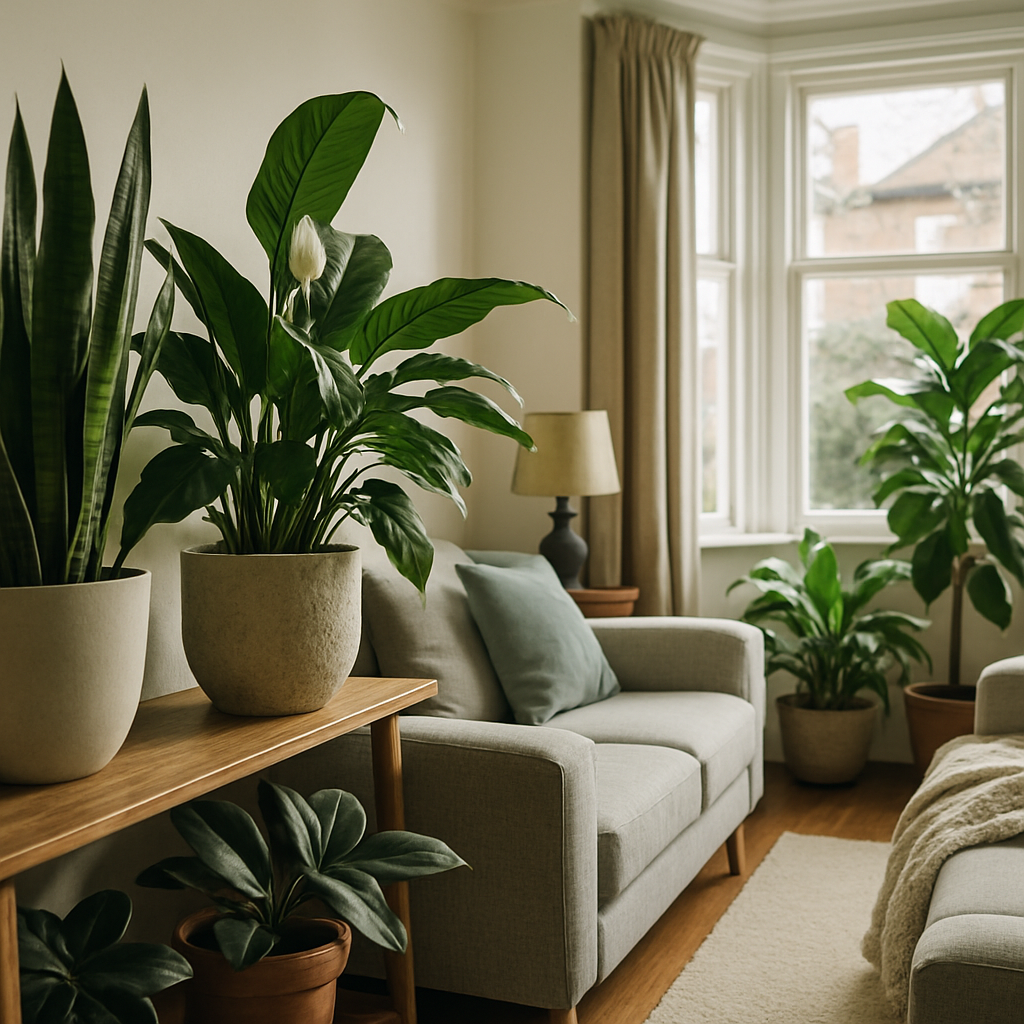
    You do not need a jungle, just a couple of forgiving green friends. Snake plants, pothos and spider plants are chill, cheap and hard to kill. They gently clean the air, add colour and remind your brain that life exists beyond your phone screen. Watering them becomes a tiny ritual that says, “I am still here, still growing.”

    Cluster plants where you hang out most – by the sofa, near your desk, next to your bed. The more you see them, the more your brain registers “safe, natural environment”, which quietly turns down the stress dial.

    Natural light hacks for dark days

    You do not need a full on light therapy setup to get some benefits. Simple moves can bring more daylight into your cave:

    • Pull your curtains all the way back as soon as you wake up.
    • Work or chill near the brightest window you have.
    • Keep windows clean so the weak winter sun is not fighting through grime.
    • Use warm white bulbs in the evening to mimic sunset instead of harsh blue light.

    Think of it as nudging your body clock in the right direction, using what nature is already giving you.

    Herbal drinks that feel like a hug

    A kettle, a mug and a few herbs can be serious planet friendly mood boosters. Chamomile, lemon balm and peppermint are classics for a reason. They are gentle on your system, easy to find in loose leaf or low waste packaging and turn hydration into a little ceremony.

    Try a simple ritual: phone on silent, hands around a warm mug, three deep breaths before the first sip. That 5 minute pause does more for your nervous system than doomscrolling ever will.

    Grounding practices without leaving the house

    Grounding is just a fancy way of saying “reminding your body it is safe right now”. You can do that in a tiny flat:

    • Lie on the floor and feel the weight of your body being held.
    • Place bare feet on a natural fibre rug or wooden floor and notice the texture.
    • Hold a stone, shell or pine cone and pay attention to its shape and temperature.

    These micro moments pull you out of your head and back into your body, which is where calm actually lives.

    Getting gentle outdoor time when you feel lazy

    Fresh air is one of the simplest planet friendly mood boosters, but when you are low it can feel like climbing a mountain just to put on shoes. The trick is to shrink the mission until your brain stops arguing.

    The 5 minute outside rule

    Tell yourself you only have to go out for five minutes. Stand on the doorstep, balcony or in the garden. Notice the temperature on your skin, the light, the sounds. If you want to go back in after that, fine. Most days, once you are out, you will stay a little longer without forcing it.

    Person enjoying fresh air on a balcony using planet friendly mood boosters for seasonal blues
    Bright indoor workspace with plants and herbal drink as planet friendly mood boosters

    Planet friendly mood boosters FAQs

    What are easy planet friendly mood boosters for beginners?

    Start with one or two tiny habits so you do not overwhelm yourself. A great combo is adding a single low maintenance houseplant near where you sit most and stepping outside for five minutes of daylight each day, even if it is just on your doorstep. Pair that with a simple herbal tea ritual in the evening and you have three gentle, planet friendly mood boosters that cost very little and fit a laid back lifestyle.

    Can indoor plants really help with seasonal blues?

    Indoor plants are not a magic cure, but they can genuinely help. Seeing greenery every day reminds your brain of natural environments, which tends to lower stress and boost calm. Caring for a plant also gives you a small, manageable responsibility and a sense of progress as it grows. Combined with natural light and fresh air, houseplants are powerful planet friendly mood boosters for seasonal dips.

    How much outdoor time do I need to feel a mood lift?

    You do not need hours outside to feel a difference. Even 10 to 20 minutes of natural light and fresh air can improve your mood and energy, especially if you get it earlier in the day. If that feels like too much, start with a five minute rule and build up slowly. Consistency matters more than intensity, and short, regular outdoor breaks are still solid planet friendly mood boosters.

  • How Indoor Air Quality Affects Your Chill (And The Planet)

    How Indoor Air Quality Affects Your Chill (And The Planet)

    If you care about your lungs, your vibes and the planet, you should probably care about indoor air quality and wellbeing too. Most of us spend way more time inside than we like to admit, so what you are breathing at home or in the flat has a bigger impact on your body and mood than that one salad you ate last week.

    What do we mean by indoor air quality and wellbeing?

    Indoor air quality and wellbeing is basically about how clean the air is in your space and how that affects your mind, body and general chill level. Dust, mould spores, cleaning chemicals, smoke, candles, incense, gas hobs, pets and even your cosy new rug can all throw tiny particles and gases into the air. Your body then has to deal with all that, 24/7.

    When the air is off, you might notice headaches, dry eyes, a scratchy throat, low energy, poor sleep or that weird heavy feeling when you wake up. Long term, bad air can stress your lungs and heart, and it is extra rough on kids, older folks and anyone with asthma or allergies.

    Why clean indoor air is secretly a wellness superpower

    We love to talk about yoga, supplements and herbal teas, but the air you breathe is literally the first thing your body needs. Getting indoor air right is like giving your nervous system a permanent holiday. Clearer air can mean fewer respiratory niggles, better focus, deeper sleep and more stable moods.

    When your body is not constantly reacting to irritants, it has more energy for repairing, digesting and just existing in peace. That is why indoor air quality and wellbeing show up together in studies on productivity, stress and even mental health. Your room might not cure anxiety, but stale, polluted air definitely will not help.

    How your home habits affect the air (and the Earth)

    The way you live in your space shapes the air you breathe and your impact on the planet. Some habits quietly trash both at once. Heavy use of synthetic air fresheners, harsh cleaning sprays and cheap scented candles can pump volatile organic compounds into the air. Those same products often come in plastic packaging and use fossil fuel based ingredients, so the planet catches a hit too.

    On the flip side, a more natural, low waste lifestyle usually means cleaner air. Plant based cleaners, fragrance free laundry liquids, beeswax or soy candles and line drying clothes all reduce indoor pollution and cut your environmental footprint. Even simple stuff like taking shoes off at the door keeps outdoor pollutants, pesticides and dirt from building up in your carpets and lungs.

    Green ways to boost indoor air without ruining your vibe

    You do not need a lab coat to improve indoor air quality and wellbeing. A few laid back tweaks can make a big difference:

    • Crack windows regularly, especially when cooking, showering or burning anything.
    • Switch to gentle, plant based cleaning products and use microfibre cloths instead of sprays for every job.
    • Go easy on incense and candles, and pick cleaner burning options when you do light up the room.
    • Vacuum and dust more often than your inner sloth wants, especially soft furnishings and rugs.
    • Let new furniture and mattresses off gas in a spare room or with windows open before you fully move in.
    • Add a few houseplants for the psychological boost and humidity balance, even if they are not magic filters.

    If you are doing bigger home upgrades, paying attention to airflow is huge. Good Ventilation helps your space breathe without wasting loads of energy, which is a win for both wellness and the climate.

    Indoor air, energy use and the climate connection

    Here is the twist: trying to save energy by sealing up your home can accidentally trap pollution inside. Modern buildings are often super airtight, which is great for keeping heat in, but not so great if moisture, cooking fumes and everyday chemicals have nowhere to go.

    Person opening a window to improve indoor air quality and wellbeing in a cosy flat
    Natural cleaning products that support healthier indoor air quality and wellbeing

    Indoor air quality and wellbeing FAQs

    How can I quickly improve indoor air quality and wellbeing at home?

    Start with the basics: open windows for short bursts every day, especially when cooking or showering, switch to gentler, low fragrance cleaning products, and vacuum and dust more often to remove dust and pet dander. If you burn candles or incense, use them less often and choose cleaner burning options. Even these small shifts can noticeably improve indoor air quality and wellbeing within a couple of weeks.

    Do houseplants really help indoor air quality and wellbeing?

    Houseplants are not miracle air purifiers, but they can still support indoor air quality and wellbeing in a few ways. They slightly improve humidity, encourage you to open blinds and windows more, and create a calming, nature connected feeling indoors. That psychological effect on stress and mood can be just as important as any small air filtering benefit.

    Are scented candles and incense bad for indoor air quality and wellbeing?

    Used heavily in small, unventilated rooms, scented candles and incense can add soot and chemicals to the air, which is not ideal for indoor air quality and wellbeing, especially if you have asthma or allergies. You do not have to ditch them completely, but it is wise to burn them less often, choose cleaner waxes and natural fragrances, and keep a window slightly open while they are lit.

  • Forest Bathing: The Chill Way To Reset Your Mind And Help The Planet

    Forest Bathing: The Chill Way To Reset Your Mind And Help The Planet

    If you have ever walked through a quiet woodland and felt your shoulders instantly drop, you have already had a taste of forest bathing benefits. No bubble bath, no eucalyptus candle, just you hanging out with trees and letting your nervous system finally chill.

    What is forest bathing, really?

    Despite the name, you are not stripping off and diving into a pond. Forest bathing comes from the Japanese practice of shinrin yoku, which basically means soaking your senses in the forest. It is slow, mindful walking in nature, with zero pressure to hike fast, close your rings or smash a personal best.

    You wander, you breathe, you notice the colours, sounds and smells, and you let your brain stop sprinting for a bit. It is like a spa day, but your therapist is a 200 year old oak that has seen some things.

    Forest bathing benefits for your mind

    The mental health perks are where forest bathing really flexes. Studies show time in green spaces can lower stress hormones, calm anxiety and boost mood. When you are surrounded by trees, your brain gets fewer alerts and notifications, so it can drop out of fight or flight mode and into something more like mellow and alright mode.

    Slowing down your walk, feeling your feet on the ground and listening to birds instead of traffic helps your attention reset. People report better focus afterwards, fewer racing thoughts and a bit more patience for the chaos of daily life. Think of it as turning your mind off and on again, but with leaves.

    Forest bathing benefits for your body

    It is not just a head game either. Gentle movement, fresh air and natural light are a pretty tasty combo for your body. Your heart rate drops, blood pressure can ease down and your breathing naturally deepens without you forcing it.

    Some research suggests certain trees release compounds that may support your immune system, but even without getting super nerdy, we know that regular chilled walks in nature help sleep, energy and general vibes. You do not need a gym membership when the woods are handing out free wellness sessions.

    Why forest bathing is good for the planet too

    Here is the sneaky eco magic: when people experience forest bathing benefits first hand, they are more likely to care about protecting those spaces. Once you fall a little bit in love with a local woodland, you are less keen on seeing it turned into another bland development.

    Spending time outdoors can nudge you towards more planet friendly habits without it feeling like homework. Maybe you start picking up litter on your walks, cutting down on pointless purchases, or supporting local conservation groups that look after your favourite trails. Tiny steps, big ripple effect.

    How to start forest bathing (no crystals required)

    You do not need special gear, a guru or a perfect forest. A scrappy bit of woodland, a riverside path or even a big park will do. Aim for 30 to 60 minutes where your only mission is to wander slowly and pay attention.

    Leave your phone on silent, or better yet, in your pocket. Walk slower than feels normal. Notice five things you can see, four you can feel, three you can hear, two you can smell and one you can taste, even if it is just the fresh air. Sit on a bench or a log for a while and let yourself be fully unproductive. That is the whole point.

    Making it a regular ritual

    Like any good habit, the more often you do it, the better it feels. Try a weekly forest bathing session, even if it is just a short loop after work. Treat it like a standing date with nature where you show up as you are, no performance required.

    Mix it up too. Go in different seasons, at different times of day, in sunshine and drizzle. Not every session will blow your mind, but over time you will notice you are calmer, more grounded and a bit more plugged into the living world around you.

    Group experiencing forest bathing benefits while sitting together under tall trees
    Sunlit woodland path illustrating forest bathing benefits in a calm natural setting

    Forest bathing benefits FAQs

    How often should I go forest bathing to feel the benefits?

    Even one session can feel surprisingly calming, but regular time in nature is where forest bathing benefits really stack up. A weekly 30 to 60 minute wander in woodland or a big park is a good target. If that is too much, start with shorter sessions and build up. The key is consistency and going slowly, not racking up miles.

    Do I need a proper forest for forest bathing?

    A dense ancient woodland is amazing, but not essential for forest bathing benefits. Any green space with trees and plants can work, from a local park to a riverside path. The main thing is that you feel relatively safe and can move slowly without constantly dodging crowds or traffic. If you can hear some birds and see some leaves, you are good.

    What should I take with me when forest bathing?

    Keep it simple. Comfortable shoes, weather appropriate clothes and some water are usually enough. You might want a light snack and a small bag to carry any litter you pick up. Try to keep your phone on silent and out of your hand so you can focus on the experience. Optional extras are a notebook, a sit mat or a friend who is up for slowing down with you.

  • How Digital Minimalism Can Boost Your Mental Health

    How Digital Minimalism Can Boost Your Mental Health

    If your brain feels like 37 tabs are open at once, digital minimalism might be the chill reset button you have been looking for. It is all about using tech with intention instead of letting notifications and endless scrolling run the show.

    What is digital minimalism really about?

    Digital minimalism is not about throwing your phone in a river and moving to a cabin in the woods, although that does sound pretty peaceful. It is about stripping your digital life back to what actually serves you – your wellbeing, your relationships, your creativity – and letting the rest drift away like smoke.

    Think of it as decluttering your online world. Fewer apps, fewer pings, fewer pointless arguments in the comments section. More time, more focus, more space in your head to actually notice the breeze, your breath and the sky doing its thing.

    How digital minimalism helps your mental health

    Most of us know that constant scrolling is not exactly herbal tea for the brain. Digital minimalism gives you a practical way to step back. When you cut down the noise, you often notice:

    • Less anxiety from constant news and notifications
    • Better sleep because you are not doomscrolling at midnight
    • More real-world connection with people, pets and plants
    • More energy for hobbies that actually recharge you

    Our nervous systems were built for birdsong and campfires, not infinite feeds. Dialling down digital input and dialling up nature is like a spa day for your brain, only cheaper and with more trees.

    Bringing nature into your digital detox

    You do not have to go full forest hermit to feel the benefits. Even tiny shifts towards nature can make digital minimalism feel less like a restriction and more like a reward.

    • Swap one scroll break a day for a short walk outside
    • Take your morning brew into the garden or onto a balcony and just sit
    • Grow a few herbs or houseplants and give them the attention you used to give memes
    • Try grounding – stand barefoot on grass or soil for a couple of minutes and breathe

    When you give your senses real-world input – wind, birds, leaves, rain – your brain does not crave as much digital stimulation. You start realising that the outdoors is the original high-definition experience.

    Simple steps to start digital minimalism

    You do not need a full life overhaul. Start small, keep it mellow and notice how your body feels as you go.

    • Turn off non-essential notifications so your phone stops yelling your name every five minutes.
    • Delete apps you barely use or that always leave you feeling drained or stressed.
    • Create screen-free zones like the bedroom or the dinner table.
    • Schedule check-in times for messages and social media instead of constant grazing.
    • Use one home for your important links so you are not bouncing between platforms – a simple link in bio tool can keep things tidy.

    The goal is not perfection. It is just being honest about what feels good long term, not just in the moment.

    Balancing these solutions with modern life

    We still need to stay connected – for work, mates, memes and the odd cat video. these solutions is about balance, not becoming a monk. You can keep the parts of the online world that genuinely lift you up and gently phase out the rest.

    Try checking in with yourself regularly. After you use a platform, ask: do I feel calmer, inspired or connected? Or do I feel tense, wired or weirdly empty? Let those answers guide what stays and what goes.

    When your digital life is lighter, you have more time for real-world wellness rituals – stretching, slow walks, deep chats, cloud watching and just vibing with the planet. Less screen, more green. Your mind, your mood and the earth all win.

    Calm home scene with a phone turned off and plants symbolising digital minimalism
    Group of friends outdoors enjoying conversation and nature through digital minimalism

    Digital minimalism FAQs

    Is digital minimalism the same as a digital detox?

    Not quite. A digital detox is usually a short break from screens, like a weekend offline. Digital minimalism is more of a long-term lifestyle shift where you intentionally choose how and when you use technology so it supports your wellbeing instead of draining it.

    How do I start digital minimalism without feeling cut off?

    Start small and gradual. Turn off a few notifications, delete one or two draining apps and set short screen-free times each day. Tell friends you are trying to be more intentional online so they know you are not ignoring them, just protecting your peace.

    Can digital minimalism help with anxiety and stress?

    For many people, yes. Constant alerts, news and social comparison can keep your nervous system on edge. By reducing digital noise and spending more time in calm, natural environments, you give your brain space to unwind, which can ease feelings of anxiety and stress.

  • Outdoor Mindfulness Habits To Decompress From Screen Stress

    Outdoor Mindfulness Habits To Decompress From Screen Stress

    If your brain feels like it has 47 tabs open and all of them are buffering, it might be time to try some simple outdoor mindfulness habits. No incense, no yoga mat, no app telling you to breathe. Just you, the sky, the ground and a bit of fresh air doing its thing.

    Why outdoor mindfulness habits work so well

    Our minds evolved outside, not under strip lights and notification pings. When you step outdoors, a few cool things happen in your body without you doing anything clever. Your nervous system starts to shift out of fight or flight and into rest and digest. Your eyes get to focus on long distances instead of glowing rectangles, which gives your brain a break. Your breathing slows down, your heart rate eases and stress hormones start to drop.

    Scientists call this biophilia – our natural pull towards nature. When you are surrounded by trees, grass, clouds and birds, your attention softens. You are not forcing yourself to concentrate. Your mind just gently wanders in a way that feels spacious instead of chaotic. That is why even ten minutes outside can feel like a mini reset.

    Grounding: barefoot time on the earth

    Let us start with the most low effort ritual of all. Kick your shoes off and stand on grass, soil or sand. That is grounding in its simplest form. Some people get deep into the idea of the earth’s electrons and energy transfer. Even if you are not into that, there is plenty going on.

    Going barefoot wakes up thousands of nerve endings in your feet. Your brain gets a rich stream of touch signals, which pulls your attention away from racing thoughts and back into your body. Your posture often improves, your breathing deepens and your muscles subtly relax. Try this: stand barefoot, soften your knees, feel the weight of your body sinking down into the ground and count ten slow breaths. That is it. You just meditated without trying.

    Cloud watching: the laziest meditation ever

    Cloud watching might be the most underrated of all outdoor mindfulness habits. Lie on a blanket, hoodie as a pillow, and stare at the sky like you are in a coming of age film. Let your eyes rest on the slow movement of the clouds. Notice shapes if you want to, or just watch them drift.

    This gentle, unfocused gaze is powerful. It calms the visual system that spends all day locked onto sharp, bright screens. Your brain switches from task mode into daydream mode, which is where creativity, problem solving and emotional processing quietly happen. You are not zoning out, you are giving your mind some open space to stretch in.

    Slow walks instead of step-count missions

    Forget power walking. Think slow wandering. Choose a park, a field path or a quiet street with trees and move at a pace where you could easily carry a mug of tea without spilling it. The goal is not fitness points, it is presence.

    As you walk, tune into one sense at a time. For a minute, notice only sounds – birds, wind, distant traffic. Then switch to sight – colours, shapes, light and shadow. Then touch – the feel of the air on your skin, your feet rolling from heel to toe. This simple rotation of attention is like a massage for a tired brain. It keeps you here, not lost in old arguments or future worries.

    Sitting with trees: borrowing their calm

    Find a tree that looks friendly and claim it as your temporary therapist. Sit with your back against the trunk or just nearby. Trees are basically living slow motion. They are not rushing, they are not checking emails, they are just quietly existing and growing.

    Person cloud watching in a field as part of outdoor mindfulness habits to ease stress
    Person enjoying a calm mini picnic under a tree as one of their outdoor mindfulness habits

    Outdoor mindfulness habits FAQs

    How long do outdoor mindfulness habits need to be to help with stress?

    You do not need hour long sessions. Even five to ten minutes of focused time outside can start to calm your nervous system and ease stress. A short barefoot grounding break, a quick slow walk or a few minutes of cloud watching can all make a noticeable difference, especially if you repeat them most days.

    Do outdoor mindfulness habits still work if I live in a city?

    Yes, they absolutely can. Look for any pocket of nature you can find, like a small park, a tree lined street, a patch of grass or even a balcony with plants. The key is to step away from screens, slow your breathing and pay gentle attention to your surroundings, even if that is just the sky between buildings and a single tree on the corner.

    What if I get bored trying outdoor mindfulness habits?

    Feeling bored at first is normal because your brain is used to constant stimulation. Start small and keep it playful. Set a timer for three to five minutes, pick one simple practice like cloud watching or sitting with a tree, and treat it like an experiment rather than a chore. Over time, your mind usually learns to enjoy the quiet and the boredom turns into a sense of ease.