

Is it weird to go for a walk in a cemetery when nobody you know has died? Not remotely. It might be the best free wellness move within a mile of your front door, and the wildlife in UK cemeteries is better than most people assume.
Old churchyards and council burial grounds are quiet, rarely sprayed or reseeded, and often left alone for decades. That makes them accidental nature reserves, and almost nobody uses them for anything but the occasional visit to a grave. Here’s the case, in six slow steps.
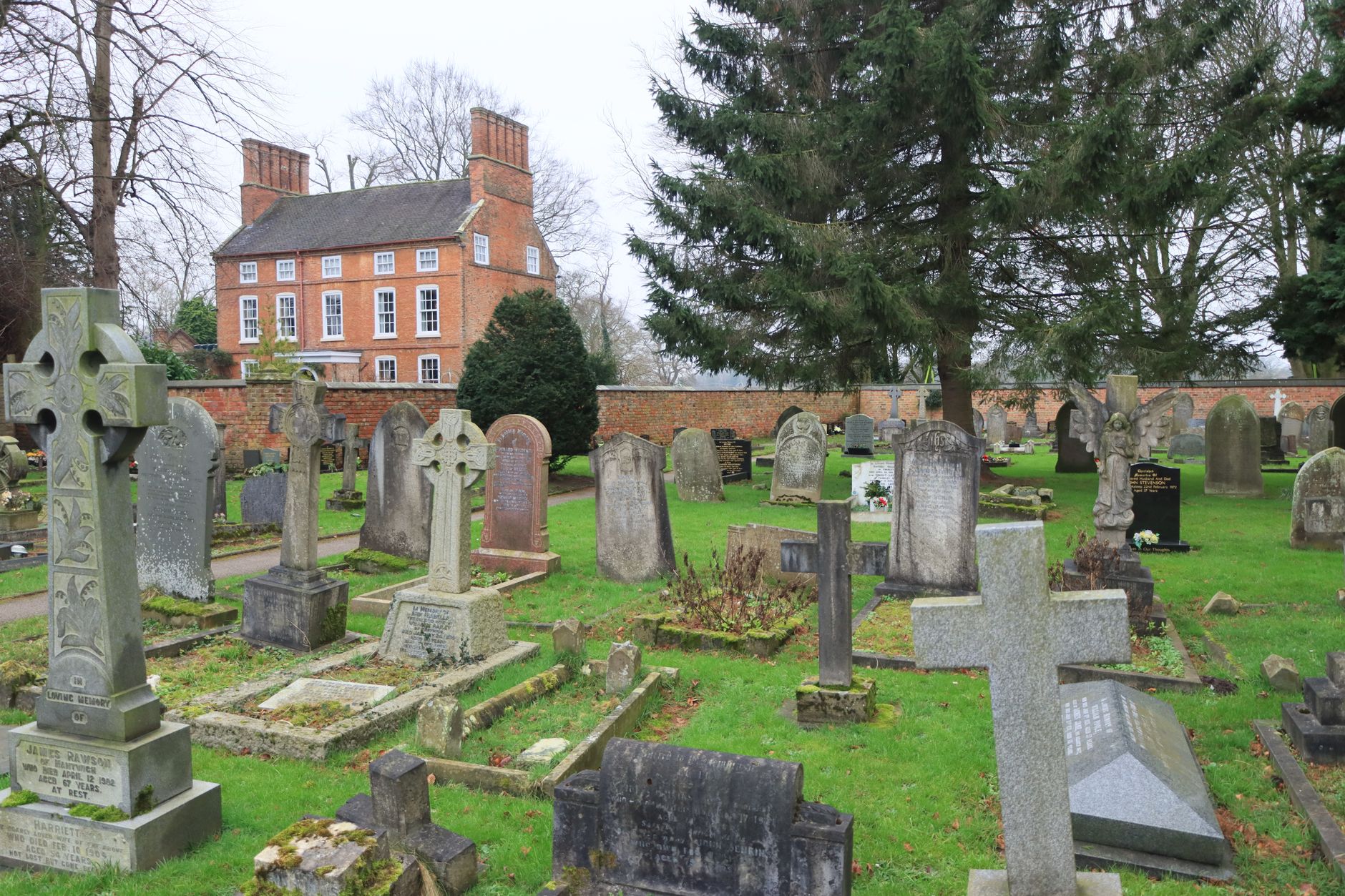
1. The grass nobody ploughed
A lot of old churchyards have never been ploughed, fertilised or reseeded. Much of the surrounding farmland has been, which is why a churchyard can hold wildflowers that vanished from the fields around it. Cowslips, primroses, oxeye daisies and knapweed are the sort of thing you might find in spring and summer, depending on where you are.
The charity Caring for God’s Acre works with communities to look after burial grounds for wildlife and heritage, and it’s a good place to see how much goes on in these spaces. In November the show is quieter, but short, old grassland can still throw up waxcap fungi, those bright little mushrooms in yellows, oranges and pinks. Look, photograph, leave them alone.
2. Lichen on the gravestones
Stone is slow, and so is lichen. A headstone that’s stood for a century or two is basically a tiny, very patient garden of crusty orange, grey-green and pale yellow patches, each one a partnership between a fungus and an alga. Different stone types, such as limestone, sandstone and granite, host different species, so a single churchyard can be a proper lichen buffet.
You don’t need to know the names. Get close (not touching), crouch and look at the textures. If you want the deeper dive on this stuff, I’ve written about the tiny ecosystems living on Britain’s stone walls, and the same logic applies to graves. Please don’t scrub the lichen off a headstone. It’s part of the place, and cleaning can damage the stone.
3. Birds, bats and a lot of berries
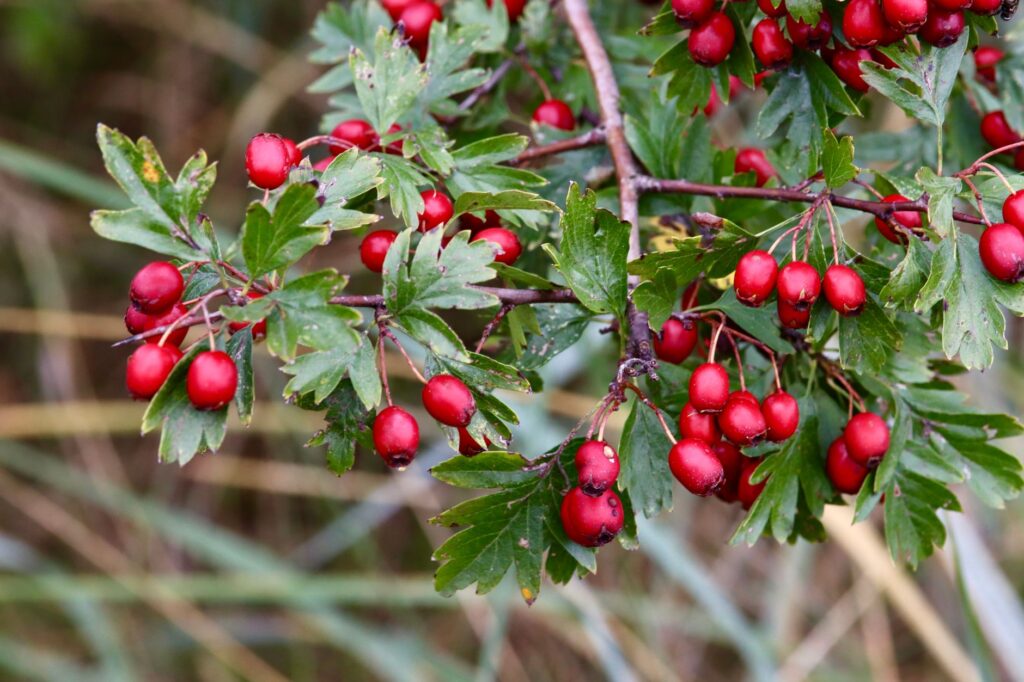
Mature trees, old walls, ivy and quiet corners add up to bird habitat. Blackbirds, song thrushes, goldfinches, robins and wrens are all regulars in churchyards and cemeteries, and in autumn the berry-laden yews, hollies and hawthorns can pull in thrushes. Fieldfares and redwings arrive from Scandinavia around now, so a late-November wander is a decent time to spot them in a berry-heavy tree.
Church towers and roofs are also well known for hosting bats and sometimes owls. Every UK bat species and its roost is legally protected, so if you see signs of them, enjoy from a distance and carry on.
4. Trees with serious age
Plenty of churchyards have yews, and some of them are astonishingly old. Ancient yews are among the oldest living things in Britain, and many are found in burial grounds. Their hollow trunks, deadwood and dense evergreen cover shelter insects, birds and fungi all year.
Larger municipal cemeteries, many laid out in the Victorian era, often have a more varied mix of mature trees. Places like Highgate Cemetery in London are known for their woodland feel. You get leaf litter, deadwood and dappled light in the middle of a city, which is a rare combo.
5. Slow, quiet wandering is genuinely good for your head
Spending time in green space is linked to better mood and lower stress, and it’s the reason the NHS now backs nature-based social prescribing in some areas. A cemetery adds a few things a busy park can’t. It’s usually quiet, nobody is trying to sell you a flat white, and there’s no football landing near your sandwich.
The pace is naturally slower too. You read the names, wonder about the lives behind them, notice a dead tree with a woodpecker hole. That’s a kind of gentle attention practice with no app, no subscription and no breathing exercise to fail at. Some people find reflecting on mortality grounding rather than gloomy, and if it isn’t for you, fine, the birds don’t mind either way.
6. They’re basically empty
Most urban green space is busy. Cemeteries are quiet, and often on a bus route. A weekday morning will often get you a whole churchyard to yourself bar a squirrel and someone mowing. If you’re in a city and fancy a wander without the crowds, a local authority cemetery is worth a look, and many have friends groups that run guided walks and nature events.
How do you visit a cemetery respectfully?
The way to visit a cemetery respectfully is to treat it like someone’s front room, because for plenty of people it is. Keep to paths where you can, don’t walk across graves, keep your voice down, and step away if a funeral or a private moment is going on. Check for opening times, as some larger cemeteries close at dusk.
- Take photos of wildlife and stonework, but be mindful of people nearby and don’t photograph mourners.
- Leave flowers, berries and fungi where they are. They belong to the habitat, and offerings left on graves belong to the families.
- Keep dogs on a lead if the site asks you to, and pick up after them.
- Wrap up warm. A cold November churchyard is lovely but not a place for loitering in a thin hoodie.
What to look for on a November wander
Autumn is a good time to start. Leaves are down so birds are easier to see, berries are out, and fungi pop up in short grass after rain. Ivy blooms late and feeds insects, and old walls glow with lichen when the light is low. Pick one thing, say lichen on one headstone or the birds in one tree, and stay with it for ten minutes.
If the wider state of nature gets you down, a churchyard is a nice reminder that some pockets are doing fine. I’ve written about eco-anxiety and grief for the natural world, and sometimes the best response is just going to look at something alive and thriving. Pick your nearest old churchyard or council cemetery this week, take a flask, and walk slowly.
Leave a Reply