
Sleep retreats UK style are now a thing: dark sky cottages, silent countryside cabins and screen-free rooms sold on the promise of a proper night’s kip. If you’re a knackered city dweller scrolling booking sites at 2am, this is aimed squarely at you. My view, as a man who respects a good lie-in: the environment is real science, but you’re mostly paying for permission to do what you could do at home for free.
Short version: a quiet, dark, cool bedroom does help you sleep. A weekend in one will probably help too. But the magic isn’t in the postcode.
Does the science back sleep retreats UK style?
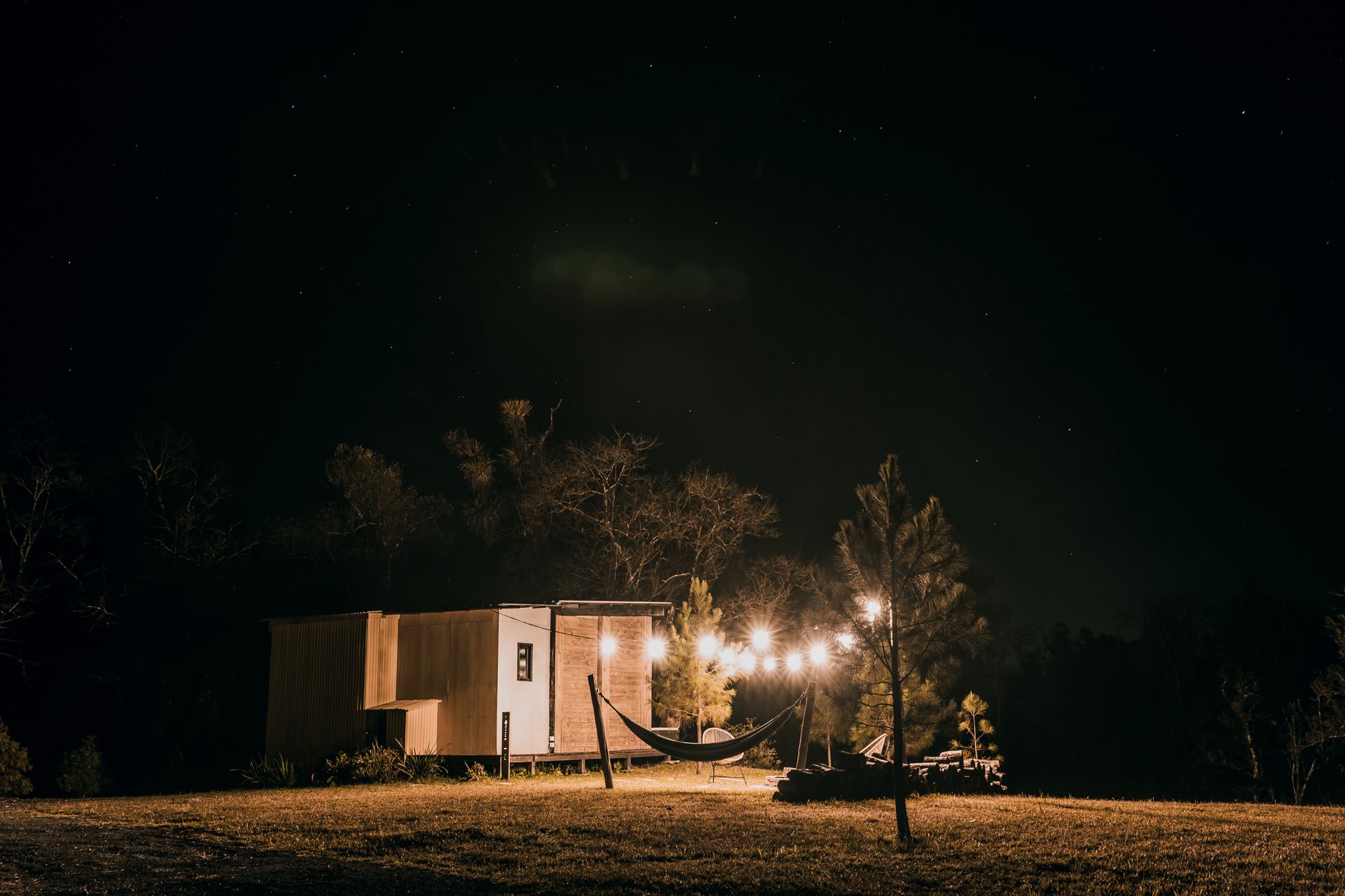
Yes, in part. Sleep researchers and the NHS both point to the same basics: a dark, quiet, cool room and a regular routine. The NHS advice on insomnia suggests a bedroom that is not too hot or cold, and free of noise and light. A remote cabin in a dark sky area delivers all of that without you lifting a finger.
Light is the big one. Your body clock is set largely by light exposure, and bright evening light, including from screens, can push back the release of melatonin, the hormone that helps you feel sleepy. Daylight in the morning does the opposite and anchors your rhythm. A countryside stay usually gives you plenty of outdoor daylight by default, which is arguably the sneaky star of the whole package.
Noise matters too. Traffic and neighbours can fragment sleep even when you don’t fully wake. The countryside is quieter, though anyone who has been woken by a pheasant at 5am will tell you it isn’t silent.
What are you actually paying for?
Mostly three things: darkness, quiet and a ban on your own bad habits. Dark sky areas such as Northumberland, Exmoor, the Brecon Beacons and parts of Scotland have official status from DarkSky International, so the night sky really is darker there. Black-out blinds are cheaper, but a field full of stars is nicer.
The screen-free bit is the clever marketing. Handing your phone over at check-in works because willpower is rubbish at 11pm. Fair enough. But it’s a rule you pay a premium to be told.
The obvious objection: it’s a holiday, of course you sleep better
That’s fair, and it’s the strongest argument against my own point. Time off, no commute, long walks and a couple of glasses of something nice would improve most people’s sleep wherever they were. I’d go further: I can’t point you to solid trial evidence that a branded sleep retreat beats an ordinary quiet weekend away. Plenty of what’s on offer, like sleep-tailored menus and bedtime rituals, rests on general wellbeing logic rather than hard data.
There’s also a real point in the retreats’ favour. If you live somewhere noisy and bright and your sleep is wrecked, a reset in a good environment can show you what’s possible. Think of it as a demo, not a cure. If you’re getting poor sleep for weeks on end, that’s a job for your GP, because insomnia and sleep apnoea are not fixed by lavender pillows.
How to get the retreat effect at home
Here’s the cheap version, in roughly the order I’d do it:
- Get up at the same time daily and step outside within an hour of waking. Daylight is free.
- Make the bedroom properly dark. Thick curtains or blackout blinds, and cover those little standby lights.
- Keep it cool. Around 18°C is the figure often suggested for a bedroom.
- Charge your phone in another room. Buy a cheap alarm clock if you need one.
- Cut caffeine after lunch and go easy on alcohol, which knocks you out but wrecks the second half of the night.
- Wind down for half an hour with something dull. A book. A bath. Staring at the wall.
If you want a gentler wind-down, you could also have a look at what the evidence says about sound bathing, which is another relaxation trend with a lot of incense and not much data. And if wellness pressure is making you more stressed than rested, this piece on wellness culture is worth a read.
When a retreat is worth the money
I’d say yes if you want a proper holiday anyway, you can afford it without guilt, and you treat it as a chance to learn what your best sleep feels like. Look for a place that is simply dark, quiet and has a decent bed, and ignore the extras with a price tag. Be wary of any retreat that promises to cure insomnia.
Before booking anything, try the home list for two weeks. If your sleep barely shifts, see your GP, and check the NHS pages on insomnia at nhs.uk for what to expect.


Leave a Reply