

Why do UK hedgerows matter so much, and are they actually disappearing? Yes to both. A hedgerow is a living wildlife corridor, a windbreak, a carbon store and a larder for birds and insects all in one, and Britain has lost a huge amount of them since the Second World War.
Right, let’s take a slow, cup-of-tea look at what these scruffy green lines are doing for us, and what you can do to keep them around.
What makes UK hedgerows so important for wildlife?
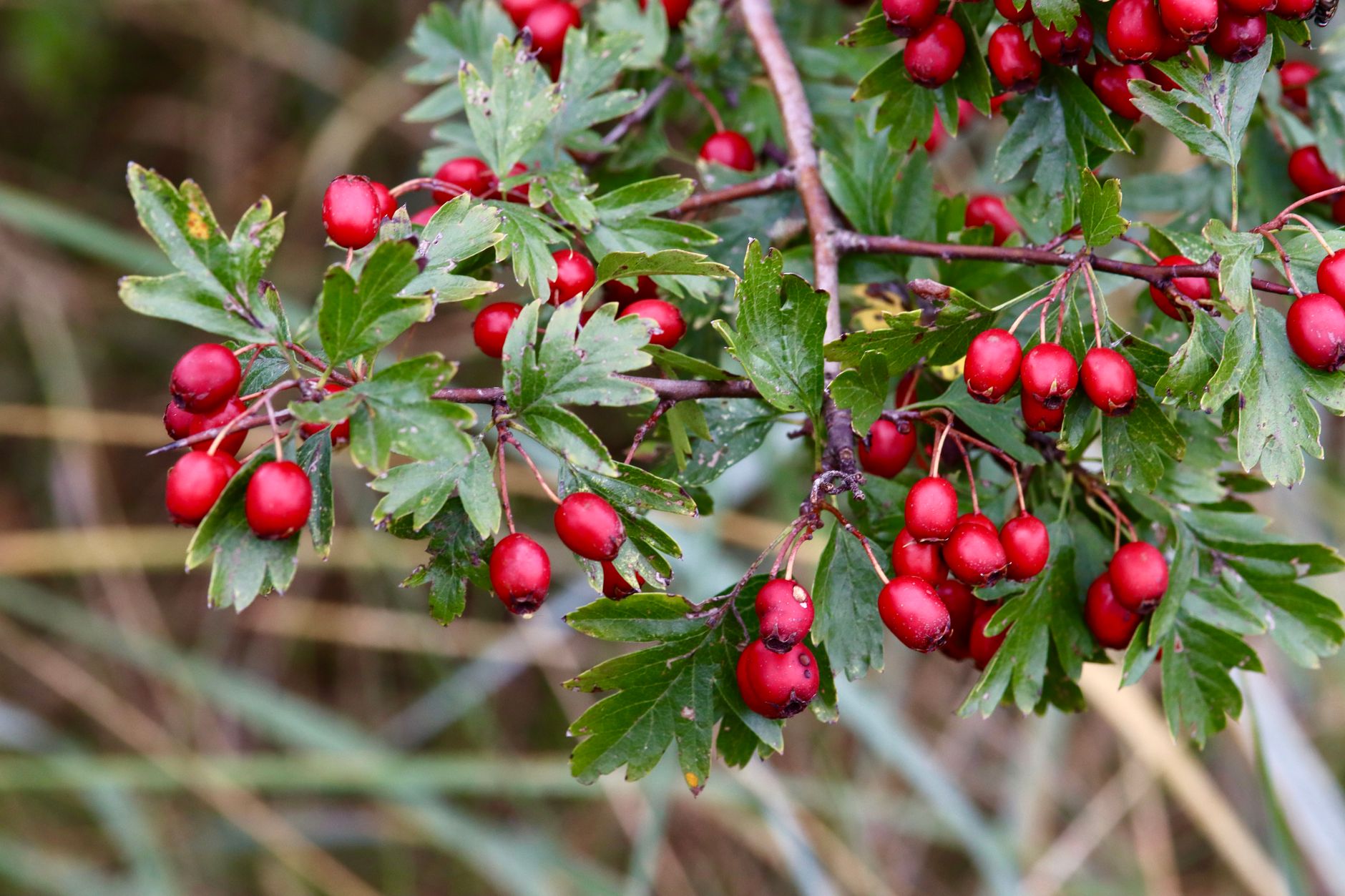
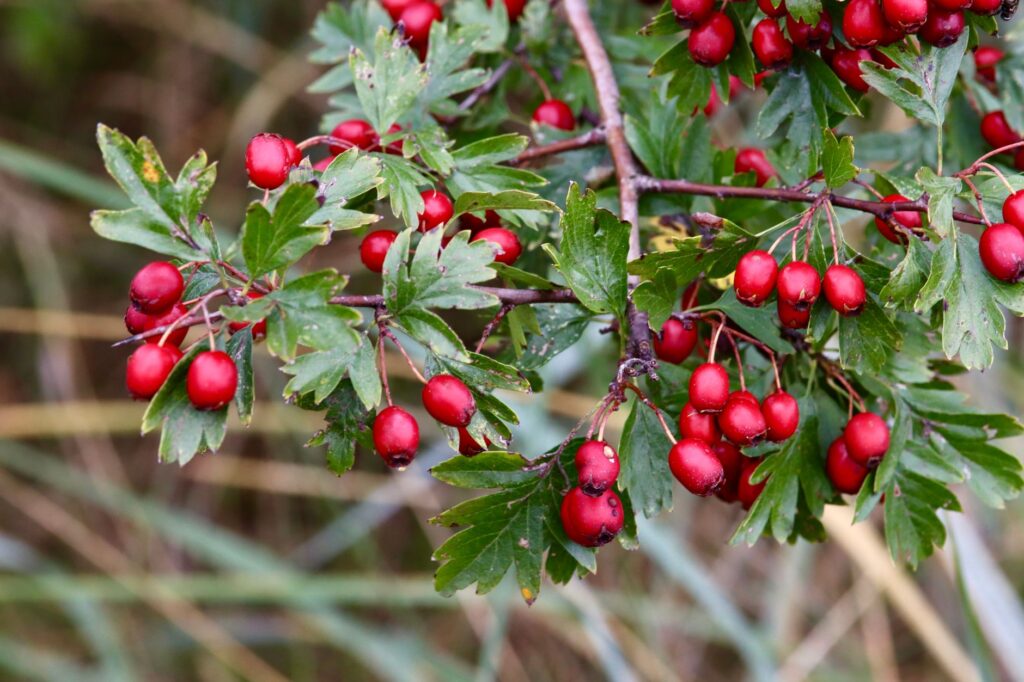
UK hedgerows matter for wildlife because they give shelter, food and safe travel routes in a landscape that is otherwise often open fields. Dormice, hedgehogs, bats, farmland birds and countless insects all use them. Tree Sparrows, yellowhammers and bullfinches nest in them, and the berries and haws feed thrushes and fieldfares through autumn and winter.
The corridor bit is the clever part. Many small animals will not cross wide open ground, so a connected hedge lets them move between woods, ponds and gardens. Chop the hedge into pieces and you chop up the neighbourhood. The Woodland Trust and the People’s Trust for Endangered Species both point to hedgerows as priority habitat for this reason, and hedgerows are listed as a priority habitat in UK biodiversity policy.
How much carbon do hedgerows store?
Hedgerows store carbon in their woody growth and in the soil beneath and around them, and a well-managed, taller and wider hedge holds more than a tight, flailed one. I wrote a whole piece on that, so have a look at our deeper dive on hedgerow carbon storage if you want the numbers side.
The short version: a hedge is a bit like a very long, very thin woodland. It also slows run-off, shades livestock, cuts wind erosion and helps keep soil where it belongs, which is in the field and not in the river.
What’s being lost, and why?
Britain has lost a very large share of its hedgerows over the last century. The big drop came after the Second World War, when fields were enlarged and boundaries ripped out to suit bigger machinery and intensive farming. Conservation bodies such as the Woodland Trust and the Hedgerow Trust describe this as a major loss of habitat and landscape character, and a lot of what remains is in poor condition.
Removal is only half of it. The quieter loss is bad management:
- Hedges trimmed hard every year, so they never flower or fruit.
- Cutting in the bird nesting season, which is a legal problem as well as a wildlife one.
- Gaps left to widen until a hedge becomes a line of lonely shrubs.
- Hedges left to grow into leggy lines of trees with nothing at the bottom.
In England, the Hedgerows Regulations 1997 protect many countryside hedges from removal without notice to the local planning authority, and it is an offence under the Wildlife and Countryside Act 1981 to intentionally damage or destroy an active nest. Rules exist, but they depend on someone noticing.
Why do farming pressures put hedgerows at risk?
Farming pressure puts hedgerows at risk because every metre of hedge can look, on a spreadsheet, like lost cropping land and extra maintenance cost. Larger machinery wants larger fields, and margins are tight. Still, many farmers value hedges for shelter, stock-proofing and pollinators, and farm support schemes in England have paid for hedgerow planting and better management. Check gov.uk for the current schemes and rates, because they change.
How can you help hedgerows near you?
You can help hedgerows by planting, protecting and paying attention. Autumn and winter are the best time to plant, so, handily, now is the moment. Here is a lazy but effective plan:
- Plant a native hedge. Hawthorn, blackthorn, hazel, field maple, dog rose and holly are classic mixes. Bare-root whips are cheap and go in between November and March.
- Skip the summer trim. If it’s your hedge, cut in late winter, not spring and summer, and try cutting every two or three years so it can flower and fruit.
- Leave the base messy. Leaf litter and long grass at the bottom shelter hedgehogs and beetles.
- Report problems. If you see a hedge being flailed in nesting season or removed, contact your local council or the RSPB for advice.
- Join a local group. Wildlife trusts and Woodland Trust volunteering often include hedge planting days, and some run hedgelaying courses.
Got a fence in your garden? Consider swapping it for a hedge, or pop a hedge in front of it. Hedges are brilliant for noise, privacy and air quality, and they never need painting. Our piece on medicinal plants in your local hedgerow shows how much life, and how much free tea, one can hold.
If you want to know whether a hedge is considered important locally, your council’s planning department can tell you whether it is protected under the Hedgerows Regulations. Also, if you are wondering what other habitats are in the same boat, we’ve covered the UK’s disappearing meadows too.
For official guidance on hedgerow rules and farming grants, the GOV.UK website is the place to start. For data on how a hedge is doing, check your local wildlife trust, and for a nice, calm Sunday job, grab a spade and a bundle of whips.
If you want a car-free reference on the side, Car Data Wiki is handy for anyone trying to work out how far they can drive to a planting day on a single charge, which beats cycling with a bundle of hawthorn on your back.
Frequently Asked Questions
Are hedgerows protected by law in the UK?
Many countryside hedgerows in England and Wales are protected by the Hedgerows Regulations 1997, which require notice to the local planning authority before removal. Nesting birds are also protected under the Wildlife and Countryside Act 1981. Garden hedges are generally not covered by the regulations.
When is the best time to plant a hedge in the UK?
The best time is from November to March, when bare-root plants are dormant and cheapest. Avoid frozen or waterlogged ground. Water new whips during dry spells in their first spring and summer so they establish well.
When should you not cut a hedge?
Avoid cutting from March to August, the main bird nesting season, because it is an offence to intentionally damage an active nest. Late winter is better for wildlife, as birds can eat the berries first. Cutting every two or three years helps flowering.
What is the best native hedge mix for wildlife?
A mix of hawthorn, blackthorn, hazel, field maple, dog rose and holly gives blossom, berries, nuts and shelter across the year. Hawthorn usually forms the backbone. Choose plants of local provenance where possible.
How do hedgerows help with flooding?
Hedgerows slow surface water run-off, and their roots help soil absorb rain. Planted along contours or beside fields, they can reduce soil washing into rivers. They are one of several natural flood management tools that wildlife trusts and farmers use.

Leave a Reply